Understanding Water Dredging Applications

application/water-dredging, application/water-dredging, 
Inquiry
Inquiry

Water dredging

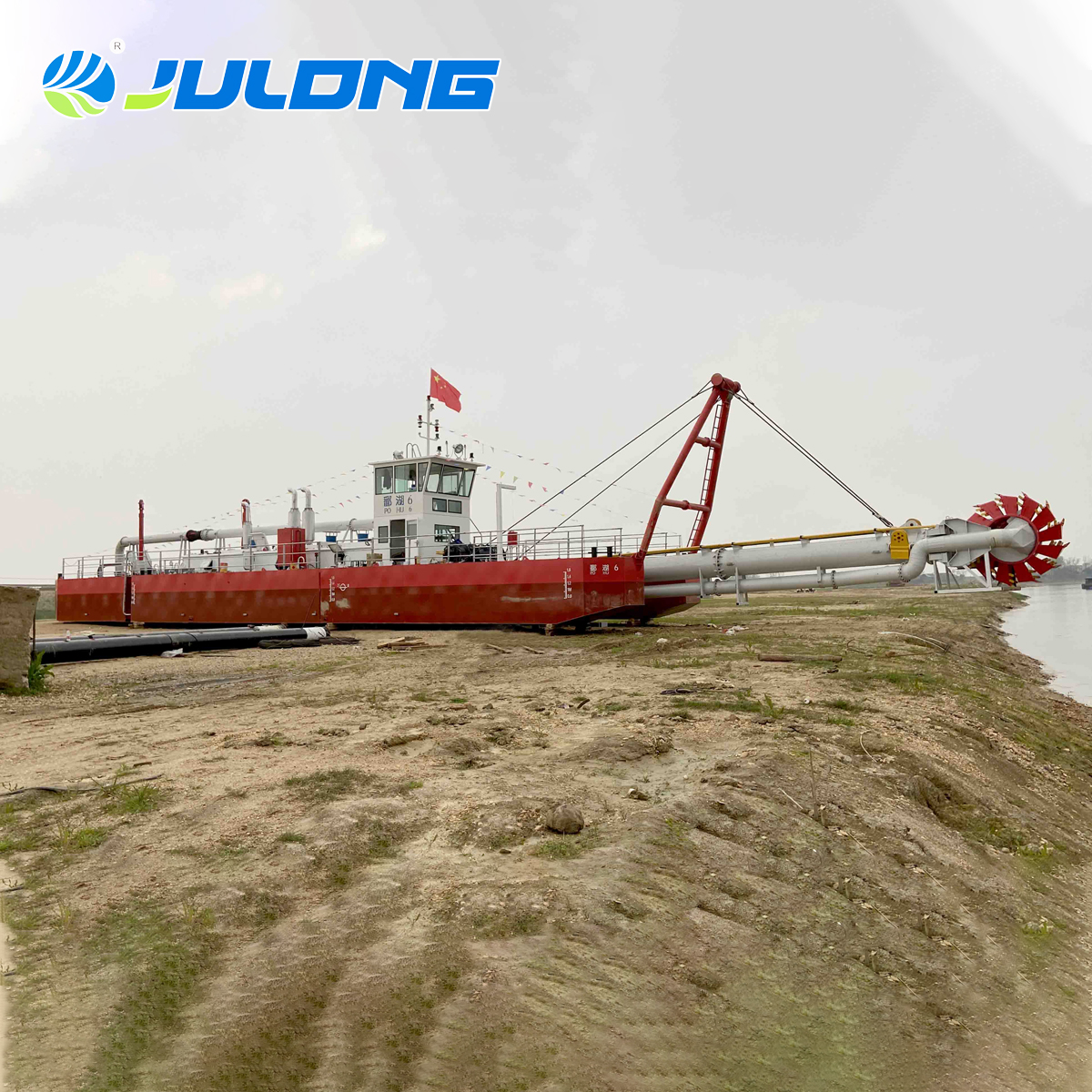
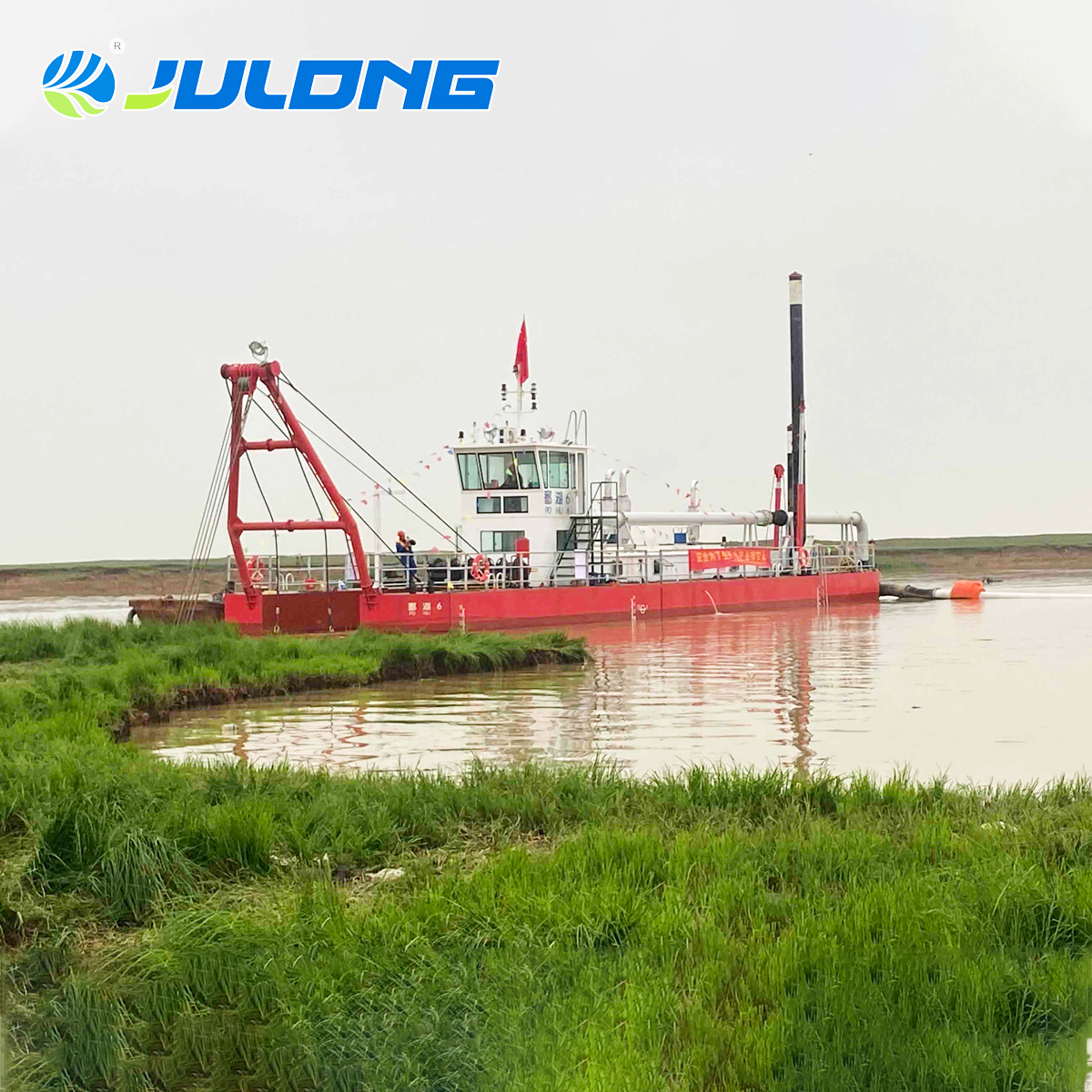
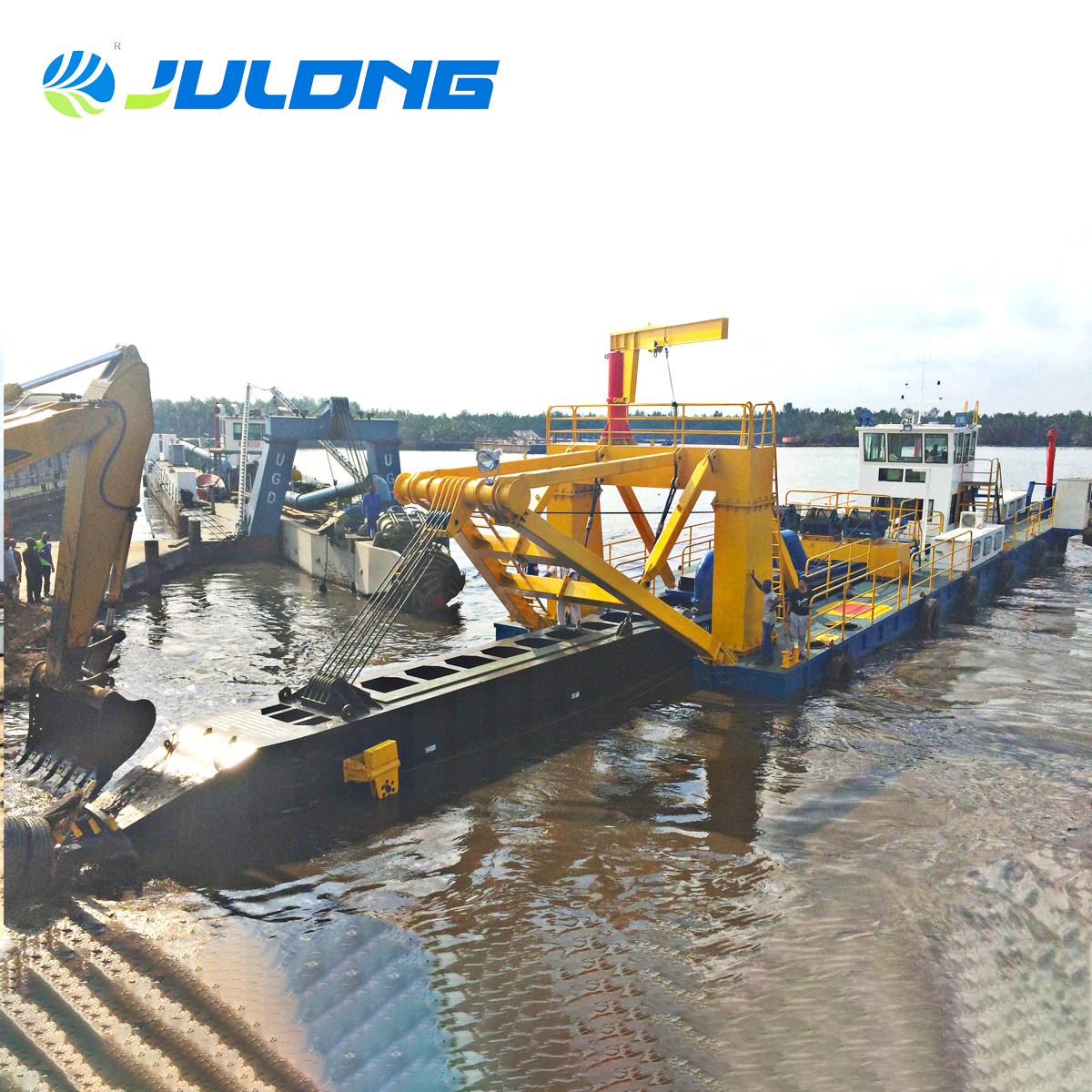
Water dredging is a critical process in various industrial applications, primarily involving the removal of sediment, debris, and other materials from water bodies like rivers, lakes, and ports. For purchasing managers, engineers, and project managers in the manufacturing and environmental sectors, understanding the nuances of water dredging is essential to ensure efficiency and cost-effectiveness in operations. This article will provide insights into water dredging applications, the selection of cutter suction dredger, key specifications to consider, installation guidance, and common challenges faced during dredger projects. 

How to Choose the Right Cutter Suction Dredger for Your Needs

How to Choose the Right Cutter Suction Dredger for Your Needs

Selecting the appropriate cutter suction dredger involves several considerations tailored to the project's specific requirements. First, assess the dredging depth and the type of material to be dredged. Cutter suction dredgers are designed for various sediment types, from soft silt to hard clay, and understanding your project's material characteristics will guide your choice. 

Moreover, consider the dredger's operational efficiency, including its pump capacity and cutter head design. A dredger with a higher pump capacity can remove larger volumes of material more quickly, which is essential for time-sensitive projects. Additionally, the cutter head's design significantly influences its ability to handle different materials. For example, a more robust cutter head may be necessary for challenging conditions like rocky or compacted sediments. 

Finally, evaluate the dredger's mobility and operational flexibility. Depending on the project site, you may need a dredger that can easily navigate shallow waters or tight spaces. Cutter suction dredgers with modular designs or amphibious capabilities can provide the versatility needed for diverse environments. 

Key Specifications to Consider When Sourcing Dredging Machines

Key Specifications to Consider When Sourcing Dredging Machines

When sourcing dredging machines, several key specifications should be examined to ensure they meet your operational needs. Important factors include: 

Pump Capacity: This specification indicates the volume of material that the dredging machine can move per hour. Higher capacity pumps enhance productivity, especially in large-scale projects. 

Cutter Power: Measured in horsepower, cutter power determines the dredger's ability to break through hard materials. Ensure the cutter power is suitable for the material types expected in your project. 

Dredging Depth: Each dredger has a maximum operational depth, which should align with your project requirements. Consider future needs as well, selecting a dredger with greater depth capabilities can be beneficial for long-term projects. 

Discharge Distance: Evaluate how far the dredged materials need to be transported once removed. The discharge distance capability of a dredger can impact the efficiency of the overall operation. 

Weight and Dimensions: The physical size of the dredger affects its transportability and operational footprint. Make sure the dredger fits within the logistical constraints of your job site. 

By confirming these specifications, buyers can ensure they acquire a dredging machine that meets performance expectations and operational requirements. 

Installation Guidance for Your New Dredging Equipment

Installation Guidance for Your New Dredging Equipment

Proper installation of dredging equipment is critical for ensuring optimal performance and safety. Start by reviewing the manufacturer's installation guidelines and recommendations. These documents typically include essential details about site preparation, equipment assembly, and operational startup. 

Before installation, conduct a thorough site assessment to identify any potential obstacles, such as underground utilities or unstable soil. This assessment will inform the best placement for the dredger and any supporting equipment, such as booster pumps or pipelines. 

Once the site is prepared, assemble the dredging equipment according to the manufacturer's instructions. Pay particular attention to the alignment of the cutter head and pump system, as misalignment can lead to operational inefficiencies and increased wear on components. After assembly, conduct a controlled test run to confirm that all systems are functioning correctly and efficiently. 

Common Problems in Water Dredging and Effective Solutions

Water dredging projects can encounter various challenges that may affect efficiency and outcomes. Here are some common problems and their potential solutions: 

Equipment Blockages: Clogging can occur when dredging materials contain large debris or unexpected sediment types. Regular monitoring and maintenance schedules can help identify potential blockages before they escalate. Employing a dredger with an effective cutter head design can also mitigate this issue. 

Inadequate Material Removal: If the dredger fails to remove the desired volume of material, it may be due to insufficient pump capacity or cutter power. Ensure that the specifications of the dredger match the project's requirements, and consider upgrading to a machine with a higher capacity if necessary. 

Environmental Concerns: Dredging can disturb aquatic ecosystems, leading to sediment resuspension and habitat destruction. To address this, implement best practices such as using silt curtains and monitoring water quality throughout the dredging process. Selecting a dredger designed for minimal environmental impact can also help mitigate concerns. 

Logistical Challenges: Transporting dredged materials can present logistical issues, especially if discharge distances are significant. Exploring options for in-situ disposal or utilizing booster pumps can enhance efficiency in material transport. 

By anticipating these challenges and preparing effective solutions, project managers can improve the success rate of their water dredging operations. 

Through understanding the applications, selecting the right equipment, considering specifications, following installation guidelines, and being proactive about common issues, B2B buyers can make informed decisions that enhance their water dredging projects. 

Understanding Water Dredging Applications for Industrial Projects

Water dredging serves multiple purposes across various industries, including environmental remediation, construction, and resource extraction. In the construction sector, dredging is often employed to prepare sites for new infrastructure projects, such as bridges and waterfront developments. In environmental applications, dredging equipment helps remove contaminated sediments to restore ecosystems and improve water quality. 

Additionally, dredging plays a vital role in maintaining navigable waterways. It ensures safe passage for ships and boats by removing accumulated sediments that can obstruct navigation channels. This is particularly important for ports, where efficient operations depend on well-maintained access routes. 

Understanding the specific application of water dredging is crucial for selecting the right dredging equipment and methods. For instance, projects focused on environmental restoration may require specialized dredgers equipped with advanced technologies to minimize ecological disruption, while industrial projects may prioritize speed and efficiency. 

Frequently Asked Questions

What types of water dredging machines do you offer?

We supply cutter suction dredgers, amphibious dredgers and excavator-mounted dredging solutions tailored for river, lake and port projects.
Yes. Our machines hold ISO and CE certifications, ensuring compliance with international safety and quality standards.
Yes. We provide customized configurations for depth, power, cutter types and hull dimensions to match site requirements and performance goals.
We offer global technical support, training, maintenance guidance and supply spare parts to ensure long-term, reliable operation.
Operating from a 12,000 m² facility, we manufacture durable, efficient dredgers and have supplied equipment to clients in 93 countries.

Get a Free Quote

Our representative will contact you soon.
0/1000