Choosing Pond Dredging Services for Your Project

application/pond-dredging-services, application/pond-dredging-services, 
Inquiry
Inquiry

Pond dredging services

Pond dredging services are essential for maintaining water bodies, ensuring environmental compliance, and enhancing aquatic ecosystems. As a B2B buyer, you may have concerns about the efficiency, quality, and suitability of the dredging equipment and services offered. This article will explore critical considerations when selecting pond dredging services, including specifications of high-quality pond dredging equipment, comparisons of different types, common challenges faced during dredging projects, and the role of advanced technology in improving dredging operations.

Essential Specifications for High-Quality Pond Dredging Equipment

Essential Specifications for High-Quality Pond Dredging Equipment

High-quality pond dredging equipment must meet specific specifications to ensure effective performance. Key specifications include: 

Dredging Depth: The maximum depth from which sediment can be removed is critical. Ensure the pond dredging equipment can handle the depths relevant to your project. 

Dredging Width: The width of the dredge affects the efficiency of the operation. A wider pond dredging equipment may minimize the number of passes needed. 

Pump Capacity: A high-capacity pump is essential for transporting sediment quickly and efficiently. This is particularly important in larger projects where time is a factor. 

Material Construction: The durability of the pond dredging equipment is influenced by the materials used. Equipment made from corrosion-resistant materials can withstand harsh conditions. 

Mobility Options: Depending on the pond’s location, amphibious capabilities may be beneficial. This allows the dredger to operate in varied terrains and water conditions. 

Understanding these specifications will help you assess whether the equipment aligns with your project requirements. 

Comparing Different Types of Pond Dredging Equipment for Your Needs

Comparing Different Types of Pond Dredging Equipment for Your Needs

Several types of pond dredging equipment are available, and choosing the right type depends on the specific requirements of your project. Here are the most common types: 

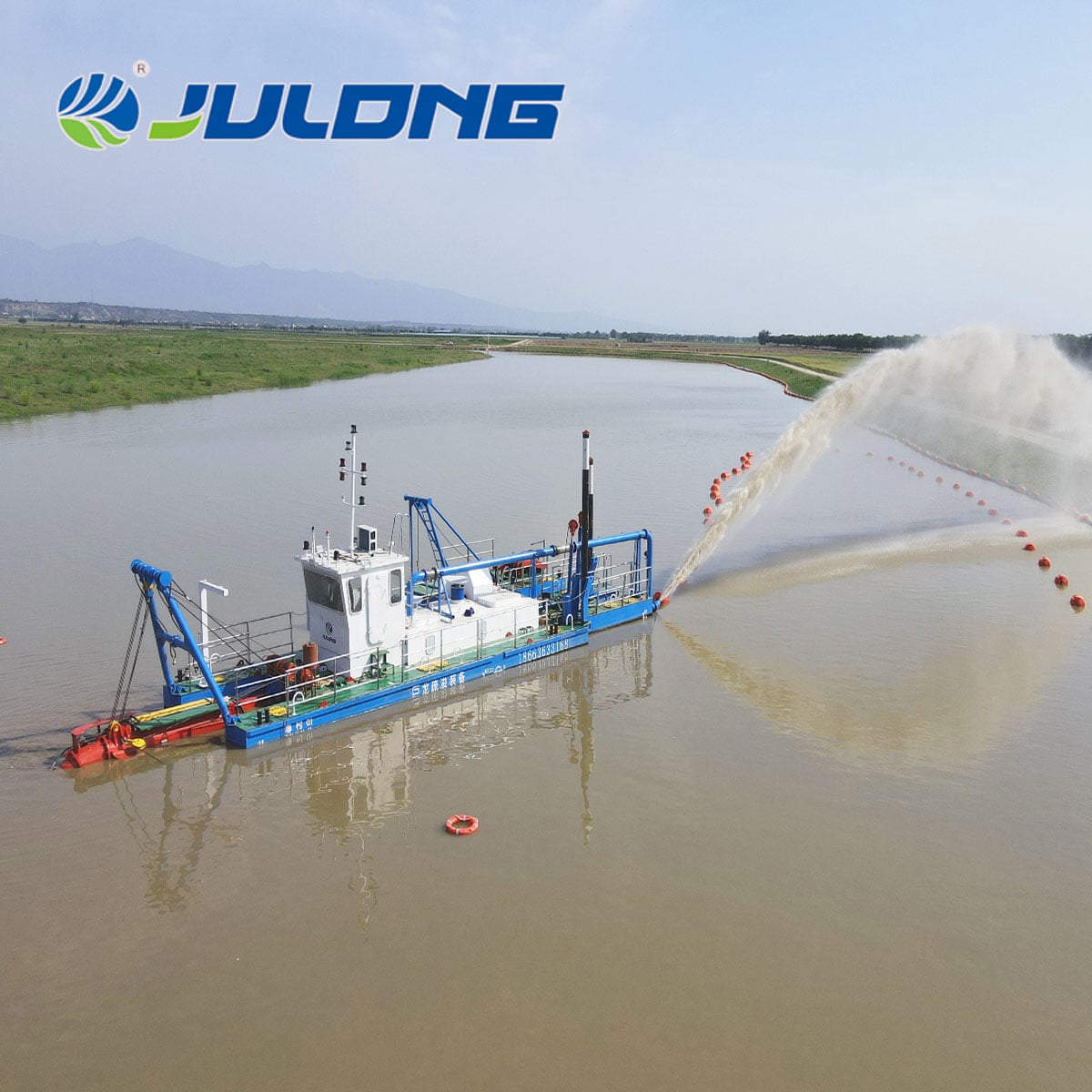
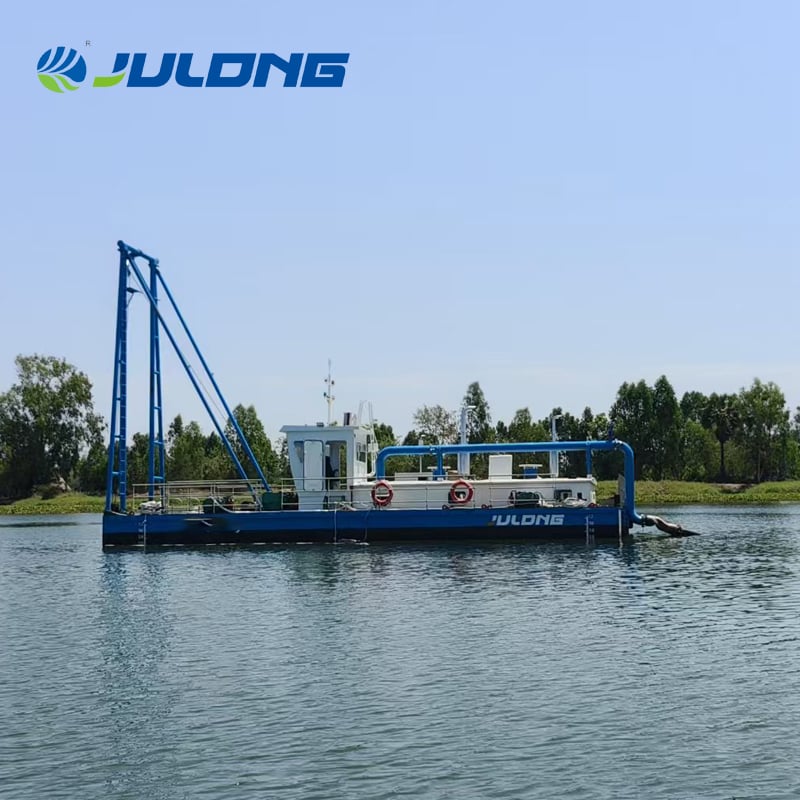
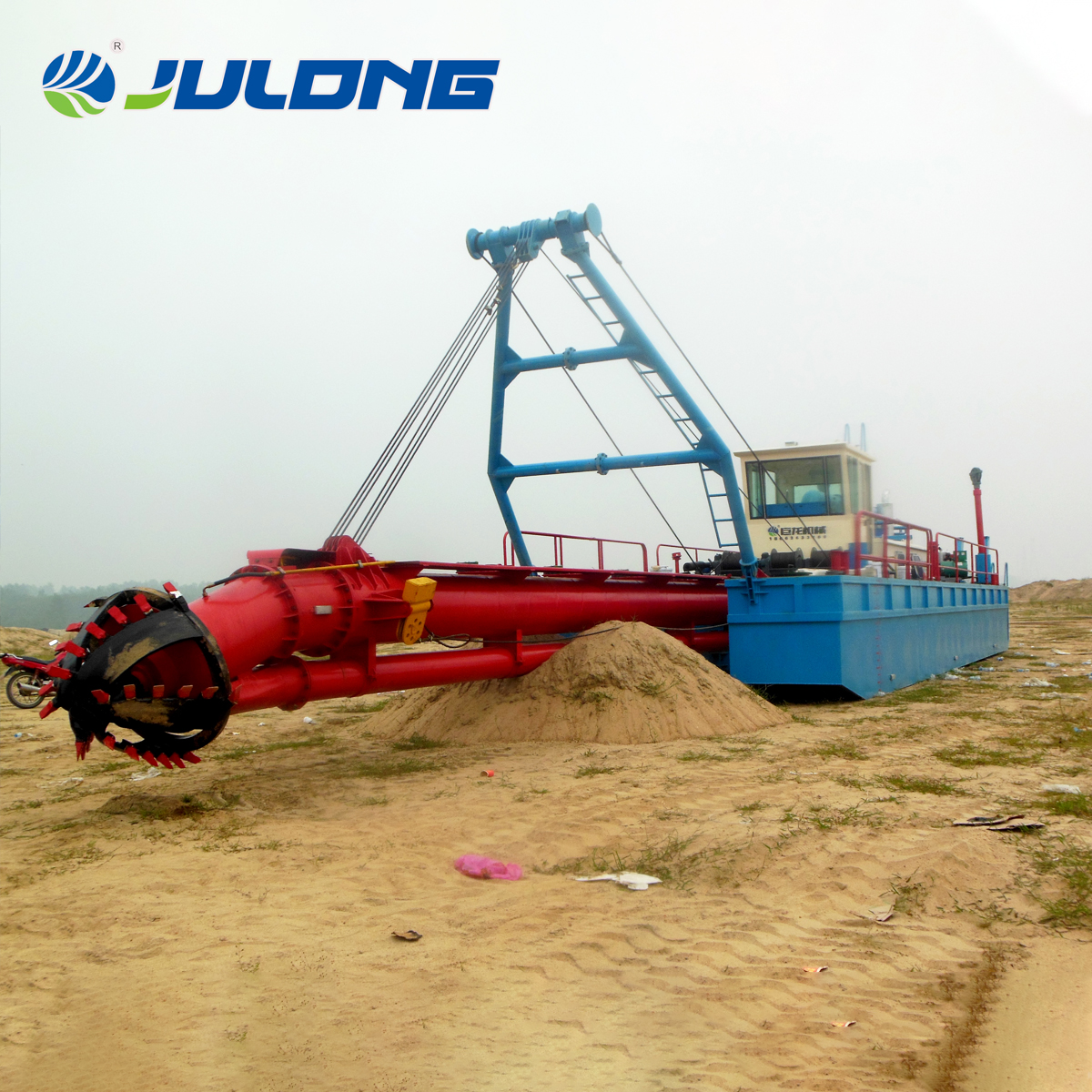
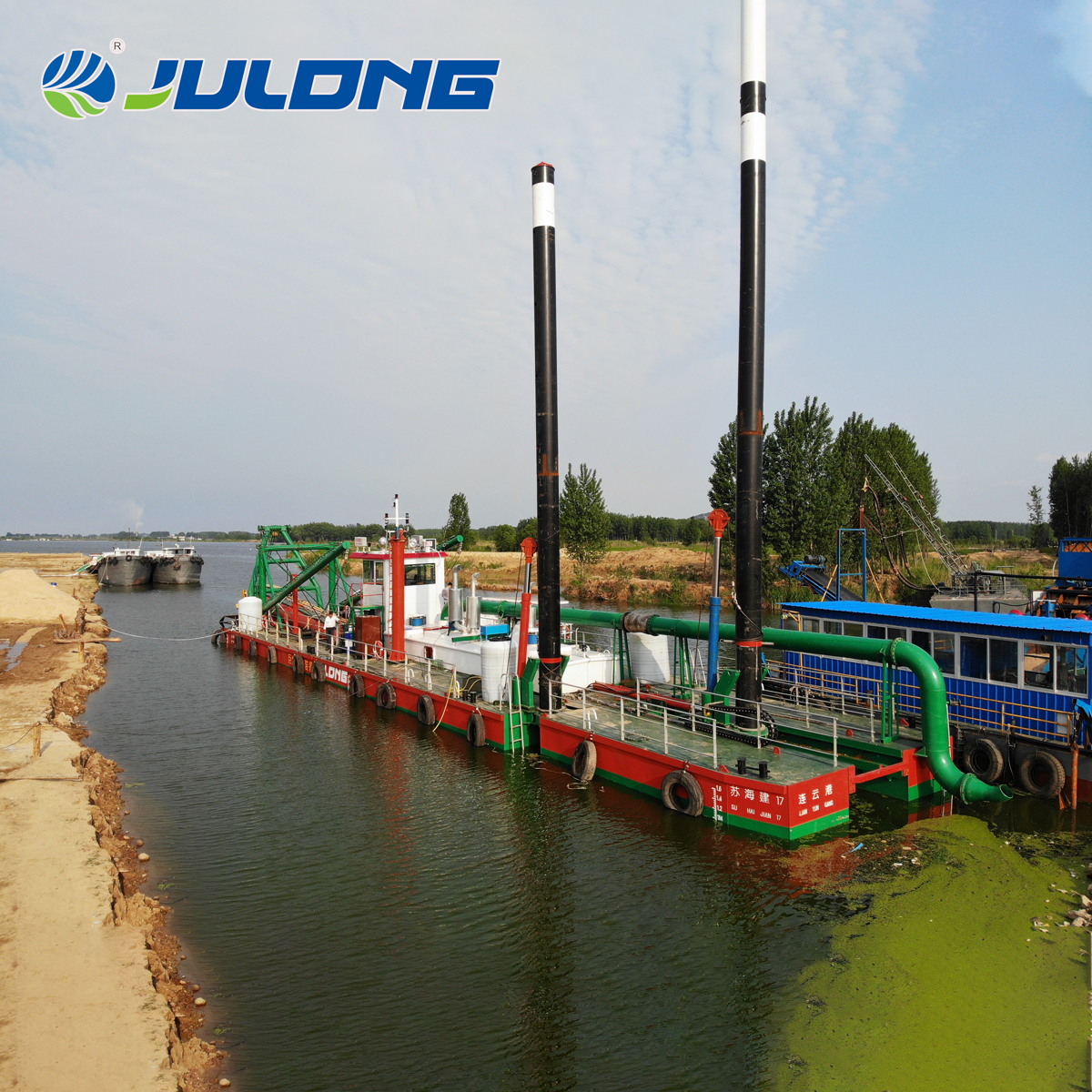
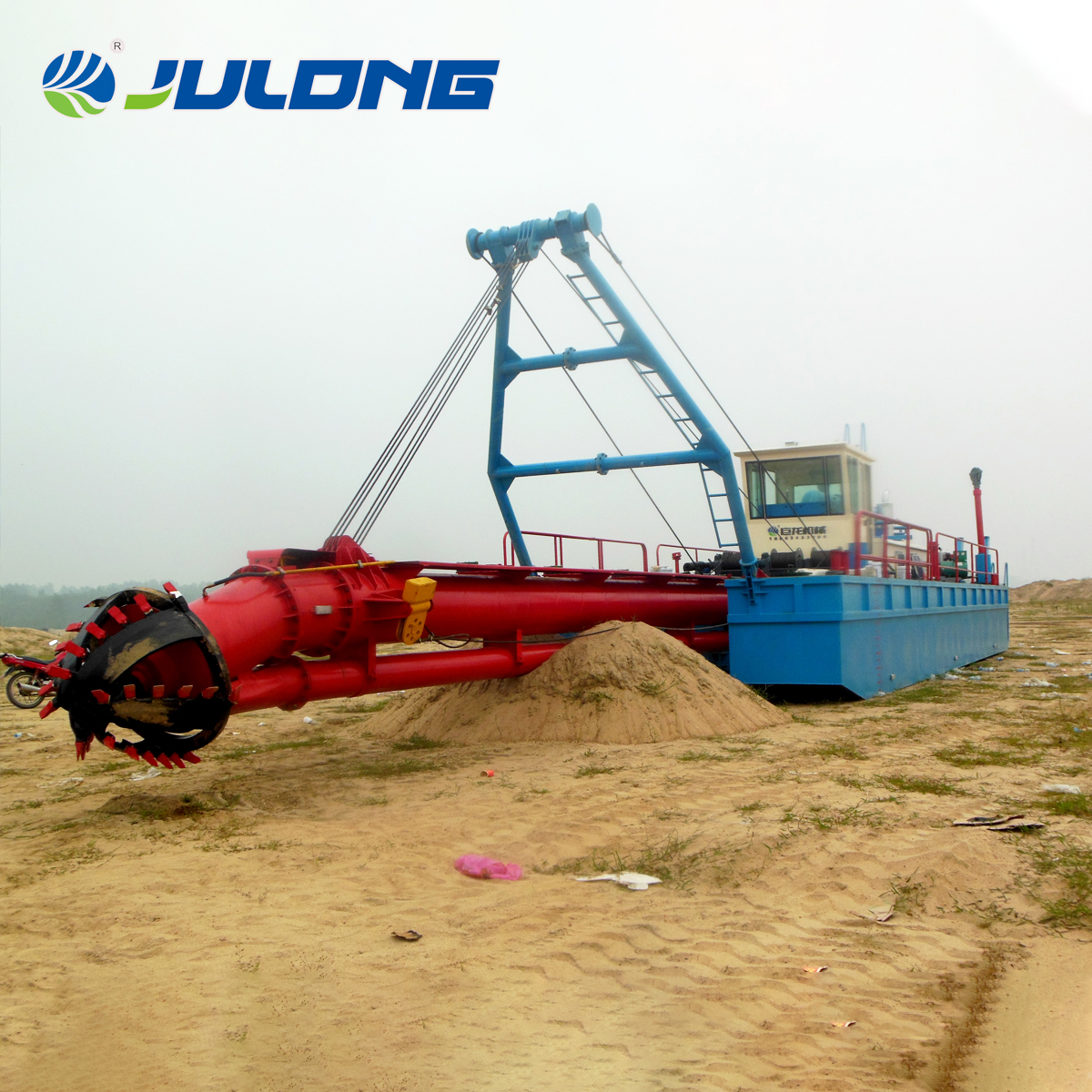
Cutter Suction Dredgers: These are versatile and effective for removing sediment from various depths. They cut through the sediment and pump it away, making them suitable for projects requiring significant excavation. 

Amphibious Dredgers: Ideal for shallow water and marshy areas, amphibious equipment dredgers can operate on land and water. They are particularly useful for ecological restoration projects where minimizing disruption is essential. 

Excavators: While not traditionally classified as dredging equipment, excavators can be adapted for dredging tasks, especially in smaller ponds or where precision is required. 

When comparing these types, consider factors such as the nature of the sediment, access to the site, and the specific goals of the dredging operation. Each type has its advantages and limitations, and an experienced supplier can provide guidance on the best choice for your situation. 

Common Problems in Pond Dredging Projects and Their Solutions

Common Problems in Pond Dredging Projects and Their Solutions

Pond dredging projects can encounter various challenges. Understanding these common problems and their solutions can enhance project success: 

Sediment Composition: Variability in sediment types (e. g., clay, silt, or sand) can affect dredging efficiency. Conducting a sediment analysis before the project begins will help tailor the dredging approach. 

Environmental Regulations: Compliance with local regulations regarding sediment disposal is crucial. It is advisable to work with a service provider familiar with regional laws to avoid penalties. 

Equipment Downtime: Mechanical issues can lead to project delays. Regular maintenance and selecting reliable equipment from reputable manufacturers can mitigate this risk. 

Water Quality Concerns: Disturbing sediment can temporarily affect water quality. To address this, consider techniques such as silt curtains to contain sediment and minimize environmental impact. 

By anticipating these challenges and planning accordingly, you can reduce the risk of delays and ensure a successful dredging project. 

Benefits of Using Advanced Technology in Pond Dredging Operations

Incorporating advanced technology into pond dredging operations can significantly enhance efficiency and effectiveness. Some of the key benefits include: 

Precision Dredging: Technologies like GPS and sonar allow for precise dredging, ensuring that only the targeted sediment is removed. This minimizes environmental disruption and optimizes material removal. 

Data Analytics: Using data analytics tools can help monitor sediment levels and assess project progress in real-time. This enables better decision-making and timely adjustments to operations. 

Automation: Automated cutter suction dredger equipment can operate with minimal human intervention, reducing labor costs and increasing operational safety. This is particularly valuable for large-scale projects. 

Environmental Monitoring: Advanced sensors can monitor water quality in real-time during dredging operations, allowing for immediate action if adverse effects are detected. 

Investing in technology not only improves the overall efficiency of dredging operations but also supports environmental sustainability by minimizing disruption to aquatic ecosystems. 

By considering these factors and leveraging the right equipment and technology, you can ensure your pond dredging project is effective, efficient, and compliant with environmental standards. As you prepare to engage with service providers, ensure you communicate your needs clearly and consider requesting detailed quotations that outline specifications, timelines, and any additional services offered. 

What to Consider When Choosing Pond Dredging Services for Your Projec

When selecting pond dredging services, several key factors should be taken into account. First, assess the specific needs of your project, such as the type of sediment to be removed, the size of the pond, and the desired outcome, whether it’s enhancing water depth, improving water quality, or supporting aquatic life. 

Additionally, evaluate the service provider’s experience and technical capabilities. Companies like Qingzhou JULONG Environmental Technology Co., Ltd., which specializes in cutter suction dredgers and amphibious dredger, can offer insight into their equipment and methodologies. Certifications such as ISO and CE, as held by reputable manufacturers, reflect compliance with international standards, ensuring reliability and safety. 

Lastly, consider the logistical aspects. Factors such as lead times, the availability of equipment, and the provider’s capacity to handle your specific project size and scope are crucial. Ensuring clear communication with the service provider about your project goals will facilitate a smoother dredging process. 

Frequently Asked Questions

What pond dredging services do you offer?

We provide cutter suction dredging, amphibious dredging, and excavator dredging for ponds, lakes, rivers, and ports, including sediment removal, deepening, and shoreline restoration.
Yes. Our equipment carries ISO and CE certifications and is built in a 12,000 m² facility for durability and reliable long-term operation.
Yes. We serve 93 countries and handle small to large projects, offering scalable equipment and tailored plans to meet local site conditions and regulations.
We offer technical consultation, on-site commissioning, operator training, and after-sales support to ensure safe and efficient operation of dredging equipment.
We assess site conditions, sediment type, depth, access, and environmental constraints, then recommend cutter suction, amphibious, or excavator dredging for optimal efficiency.

Get a Free Quote

Our representative will contact you soon.
0/1000