Understanding Sand Dredging Machine Price

application/sand-dredging-machine-price, application/sand-dredging-machine-price, 
Inquiry
Inquiry

sand dredging machine price

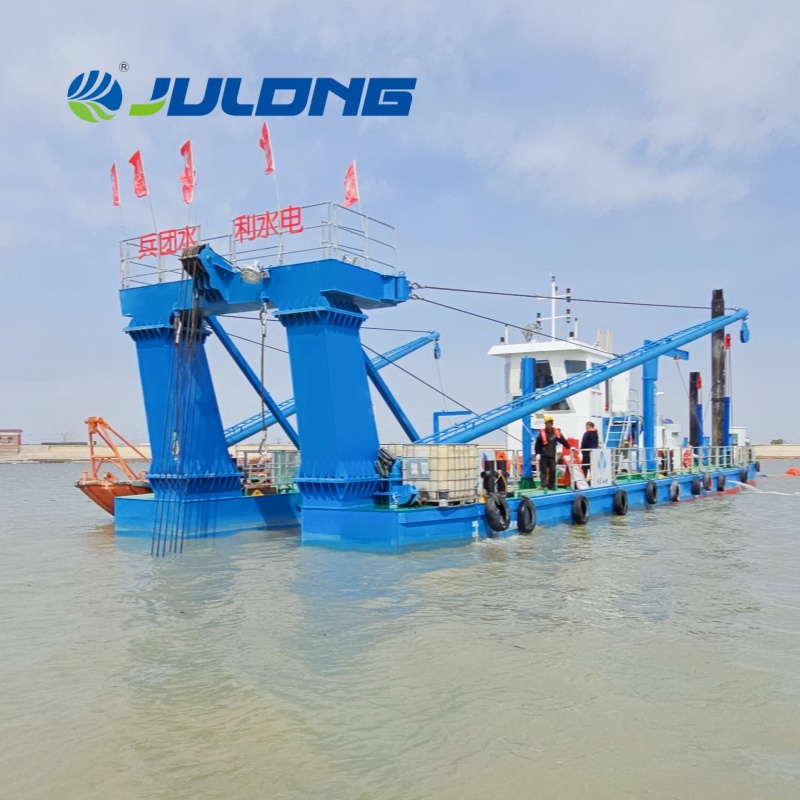
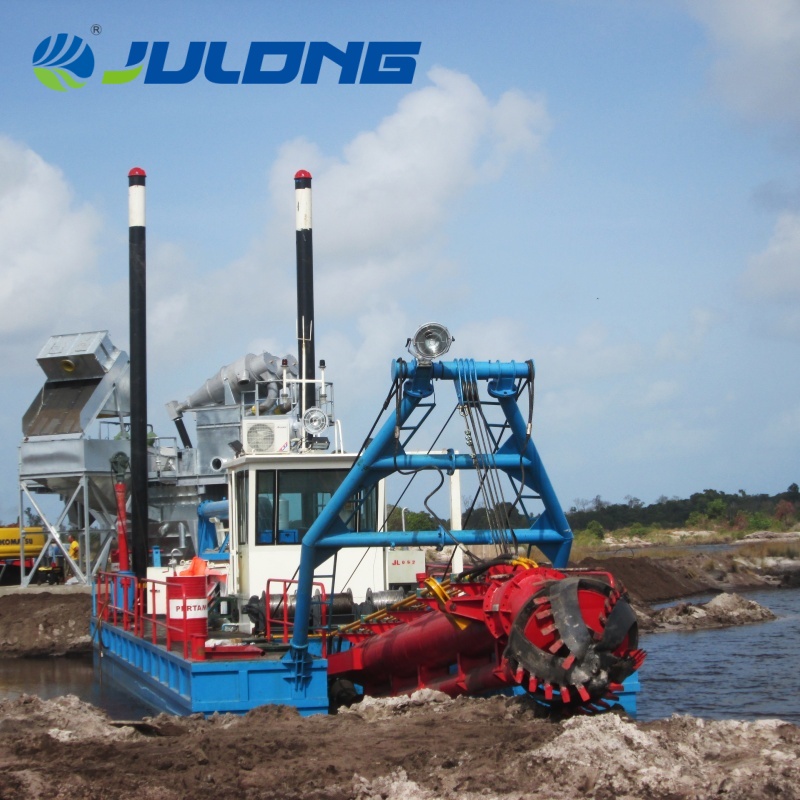
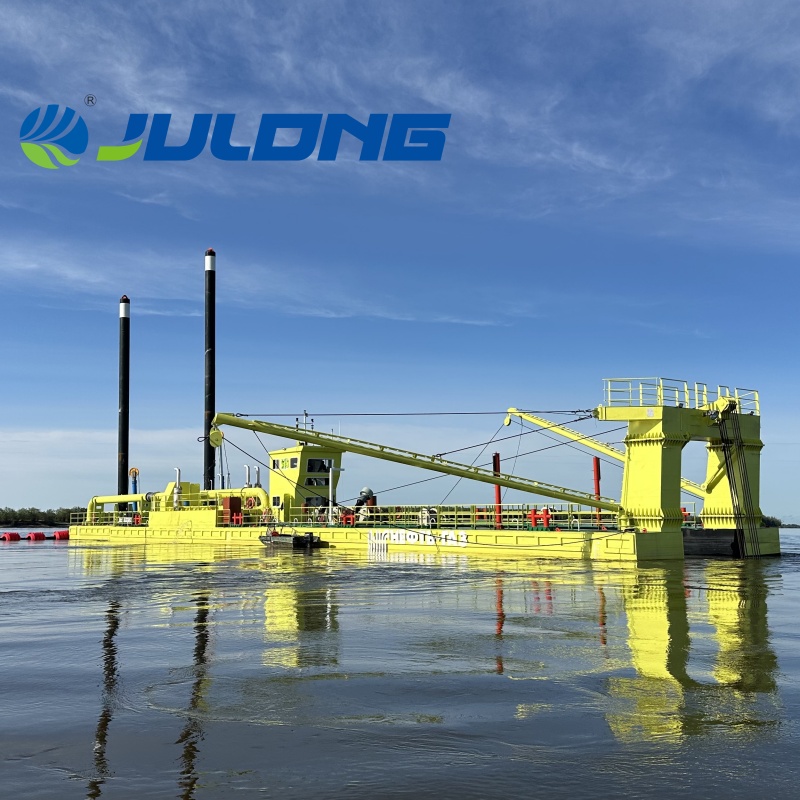
When it  comes  to selecting a sand dredging machine, understanding the various options, specifications, and pricing  factors is essential for  making a well-informed  decision. The  sand dredging  machine  price can  vary  significantly based on  features, capabilities, and  manufacturer  reputation. This article will guide purchasing managers and  engineers  through the  key  considerations necessary  for selecting the right equipment, addressing  common concerns such as quality, application suitability, and  potential problems that may arise during use.

Key Factors in Sourcing Sand Dredging Machines

Key Factors in Sourcing Sand Dredging Machines

When  sourcing sand dredging machines, several key factors should influence your decision-making process:

Specifications  and Features: Look for detailed  specifications,  such as the pump type, engine  power, and dredging depth. These features directly impact  the machine's performance and suitability for your  application.

Pricing and  Payment Terms:  Understand the pricing structure, including any potential hidden costs such as shipping, installation, and maintenance. Request detailed quotations from multiple suppliers to  compare prices effectively. If you are interested in a multi-functional approach, consider our Multi-Function Work Boat options.

Customization Options: Depending on your project’s unique requirements, you may need customized features. Ensure the  manufacturer offers  customization capabilities that align with your specifications.

Lead Times and  Availability: Confirm the lead times for  production and delivery. A machine that meets all your specifications but has long delivery times may not be suitable for urgent projects.


Supplier Reliability: Research potential suppliers  by  examining customer reviews, past projects, and their  experience in the industry. A reliable supplier  will often  provide better support and service.

Quality Control Standards for Sand Dredging Machines Explained

Quality Control Standards for Sand Dredging Machines Explained

Quality control is crucial in the manufacturing of sand dredging machines. Reputable manufacturers adhere to strict quality control standards to ensure that every unit meets operational specifications and safety  guidelines.  This  typically involves:

Material Inspection: Raw materials should be inspected  for quality before use. For example, the  steel used in dredging machines should  be resistant to corrosion  and wear.

In-Process Testing:  Quality checks during assembly can help identify issues early. This may include testing components like pumps  and engines before  final assembly.

Final Inspection: Before shipping, machines should undergo a comprehensive  final  inspection that includes performance  testing  to ensure they meet all operational parameters.

Documentation and Certification: Manufacturers often provide quality certificates that attest to the machine's specifications and compliance  with industry standards. Buyers should  request these documents to verify  quality.

By understanding these quality control measures, buyers can feel more confident  in the reliability and durability of the  dredging machines they are  considering.

What You Need

What You Need

When preparing  to purchase a  sand dredging machine,  gather the following information to  facilitate a  smooth transaction:

Project  Specifications: Document the specific requirements for your  project, including material type, dredging depth, and desired capacity.

Budget Constraints: Define your budget range, including not only the purchase price but  also potential operational costs.

Customization Requests: If your project requires specific features or capabilities, outline  these needs clearly to  the manufacturer.

Logistics Considerations: Provide information  about the delivery location  and  any logistical challenges that may impact  shipping and installation.

Regulatory Compliance:  Ensure you are aware of any local regulations that  may affect the machine's operation, and communicate these  to the  supplier.

Having this information ready will streamline the request for quotation (RFQ)  process and help ensure that you receive accurate  and relevant proposals.

Common Problems with Sand Dredging Machines and Their Solutions

Buyers should be aware of potential issues that  can arise with sand  dredging machines and  how to address them:

Mechanical  Failures: Regular maintenance  is essential to prevent breakdowns. Establish a maintenance schedule that includes routine inspections and servicing  of critical components like pumps, engines, and hydraulic systems.

Operational Inefficiencies: If the dredging machine does not  perform as expected, re-evaluate its specifications against project requirements. Ensure that the machine is suitable for the type of material and dredging conditions.

Quality  Variability: If you notice inconsistencies in the dredged material quality, it may be due to the machine's operational settings. Adjustments to  the dredging speed or pump  pressure might be  necessary to achieve the desired consistency.


Environmental Compliance Issues: Ensure that the machine complies with environmental regulations, particularly regarding emissions and water quality. If you encounter compliance issues, consult the manufacturer for advice on modifications or operational adjustments.

Training Needs: Operators should be adequately trained to handle the equipment effectively. Consider investing in training programs to minimize operational errors and enhance productivity.

By anticipating these common problems and implementing proactive solutions, buyers can maximize  the performance and longevity of  their sand  dredging machines.

In summary, understanding the sand dredging machine price involves more than just  the upfront cost; it entails  a comprehensive evaluation  of specifications, quality standards, and potential operational issues. By following the guidelines outlined ,  purchasing managers  and engineers can make informed decisions that lead to successful project outcomes.

How to Choose the Right Sand Dredging Machine for Your Projec

Choosing the right sand dredging machine begins with understanding  the specific requirements of your project. Factors to consider  include the type  of material to  be dredged, the  depth of the water,  and the dredging environment (such as rivers, lakes, or ports). For instance, a cutter suction  dredger  is  ideal for hard materials and deeper dredging,  while an amphibious  dredger is more suitable  for shallow waters and marshy  areas. If you're considering an amphibious solution, check out our Amphibious Equipment for more information.

Additionally, consider the dredging machine's capacity, which is often measured in cubic  meters per hour  (m³/h).  Higher capacity machines can increase efficiency, but they  may also come with higher initial costs.  Similarly, the machine's power source—diesel or electric—can impact operational costs and environmental compliance.

Before finalizing your decision, evaluate the manufacturer’s reputation, certifications,  and after-sales service. A company with ISO and CE certifications, like  Qingzhou JULONG Environmental Technology Co., Ltd., is more likely to deliver quality and reliable equipment.

Frequently Asked Questions

What affects the sand dredging machine price?

Price depends on dredger type (cutter suction, amphibious), power, capacity, customization, and transport. Site conditions and optional equipment also influence cost.
Yes. Provide project details—water depth, dredging volume, sediment type, and site access—for an accurate, written quote and equipment recommendation.
Our machines carry ISO and CE certifications. Certification documentation is provided with the purchase; associated fees are typically included unless specific testing is requested.
Standard warranty and technical support are included. Optional extended warranty, spare parts, training, and onsite commissioning may change the final price.
We ship to 93 countries. Shipping, customs, and local logistics add to the price. We provide bundled quotes including FOB, CIF, or door-to-door options on request.

Get a Free Quote

Our representative will contact you soon.
0/1000