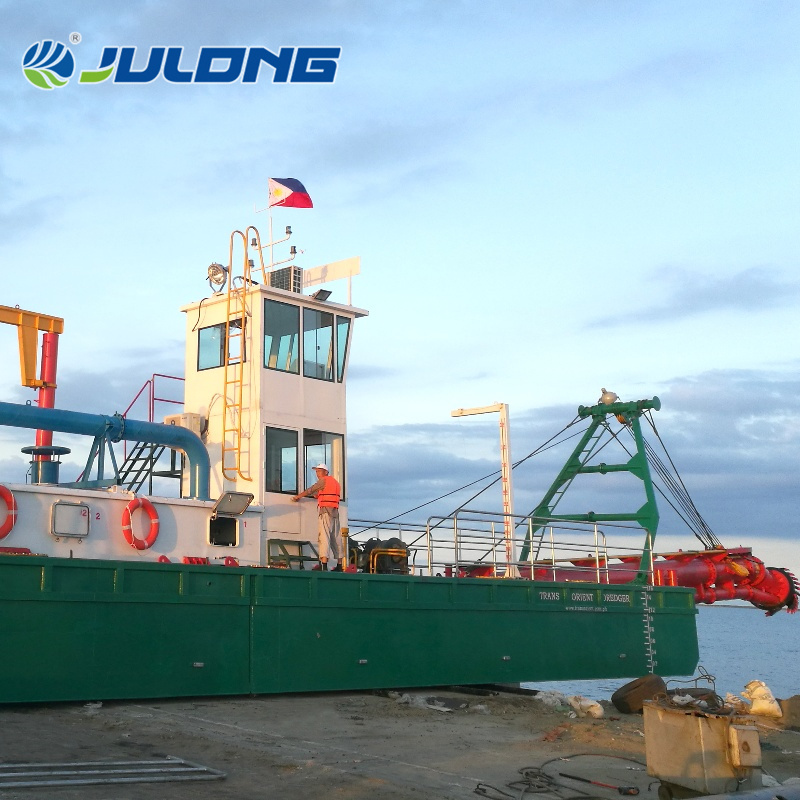
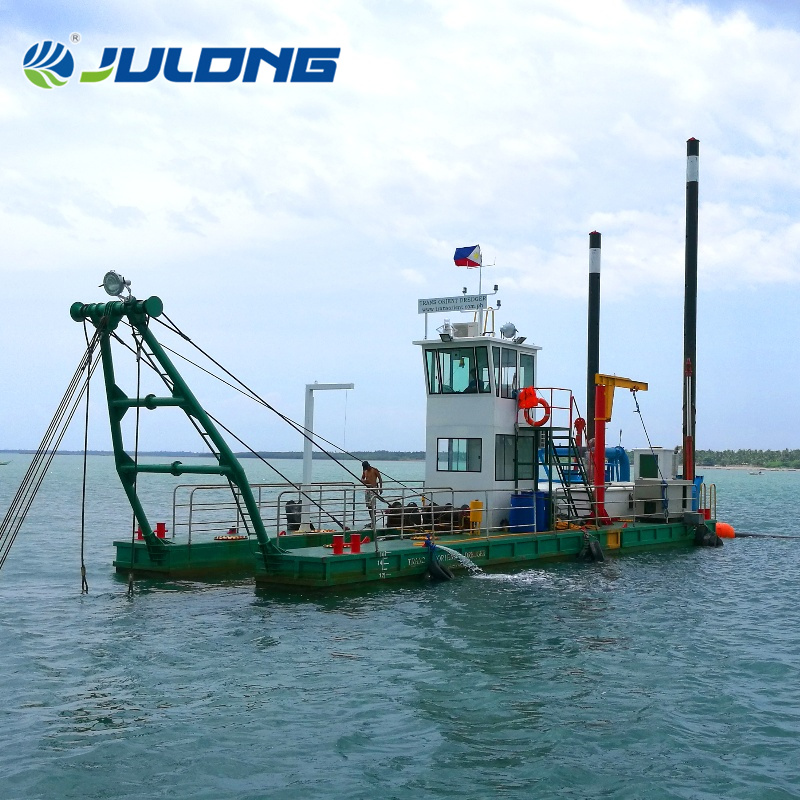
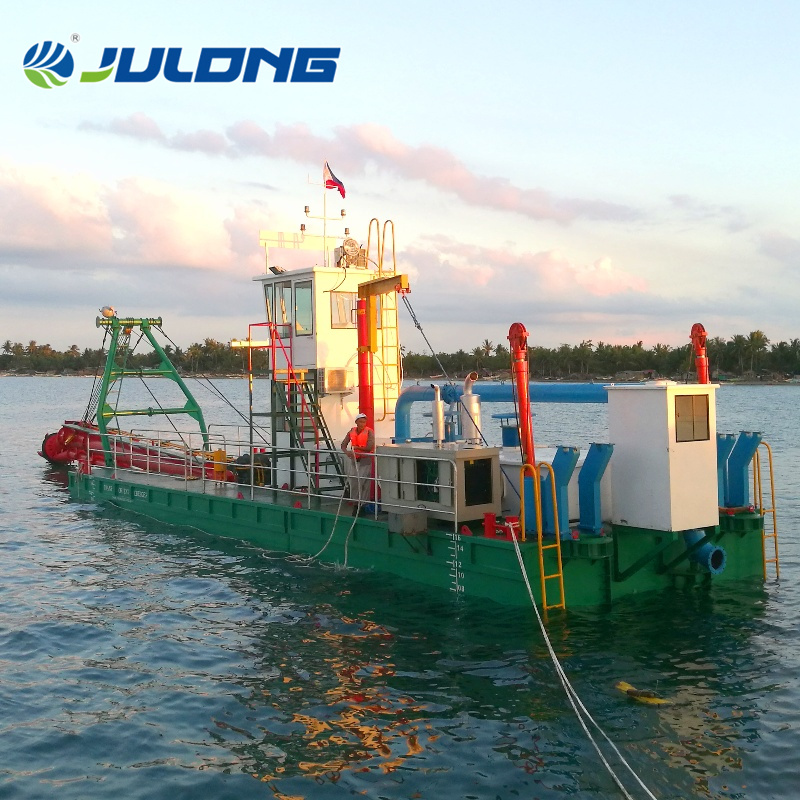
Key Specifications of River Sand Dredging Machines

application/river-sand-dredging-machine, application/river-sand-dredging-machine, 
Inquiry
Inquiry

river sand dredging machine

River sand dredging machines are essential equipment  used  in various applications, including construction,  environmental restoration, and resource extraction. As a B2B  buyer, you  may have several concerns regarding  the specifications, supplier  reliability, cost factors, installation, and common  operational issues associated  with  these machines. This article will provide  you with a comprehensive  understanding  of  river  sand  dredging machines, focusing on key  specifications, sourcing  reliable suppliers, cost considerations, installation guidance,  and troubleshooting common problems.

 
Where to Find Reliable Suppliers of River Sand Dredging Machines

Where to Find Reliable Suppliers of River Sand Dredging Machines

Finding a trustworthy supplier for river sand dredging machines involves several steps:


Industry Research: Start by  researching manufacturers specializing in dredging equipment. Look for companies with a strong track record in the industry, such as Qingzhou JULONG Environmental Technology  Co.,  Ltd., known for  its expertise in cutter suction dredgers  and amphibious dredgers, including the JLWB1600 Multi-function Work Boat.

Certifications: Check for ISO and CE certifications, which indicate that the manufacturer adheres to  quality standards. This is crucial for ensuring the reliability  and safety of the equipment.

Client  References: Request references from past clients or check online reviews to gauge  customer satisfaction and product performance. A reputable supplier should have a history of  successful projects across various countries.

Trade Shows  and  Exhibitions: Attending industry trade shows and exhibitions can provide  firsthand experience  with equipment and direct interaction  with suppliers. This is an excellent opportunity to ask questions and assess the latest technology.

Online Marketplaces: Reputable  B2B platforms  can also connect you with verified suppliers. Ensure to scrutinize their profiles and product offerings.

By following these steps, you can identify  suppliers that meet your project requirements and have a  proven history of reliability.

Cost Factors for Wholesale River Sand Dredging Machine Purchases

Cost Factors for Wholesale River Sand Dredging Machine Purchases

The cost of purchasing a river sand dredging machine can vary widely based on several factors:

Machine Specifications: Higher-capacity and  more technologically advanced dredgers typically come at a premium. Custom features  may  also increase costs, so it’s essential to determine which  specifications  are necessary for your application.

Volume of Purchase: Many manufacturers,  including Qingzhou JULONG, may offer discounts for bulk purchases. Understanding your project  timeline and needs can help you negotiate  better pricing.

Shipping and Handling: The location of the manufacturer can impact shipping costs. Consider logistics when  evaluating total costs. It’s also  wise to inquire about packaging methods and shipping timelines to avoid  unexpected expenses.

Maintenance and Operational Costs: In addition to the initial purchase price, consider  ongoing maintenance  costs. Machines that require specialized parts or have higher fuel consumption can lead to higher  long-term  expenses.

Market Demand: Fluctuations in demand  for dredging equipment can affect  pricing. Stay informed about market trends to make  timely purchasing decisions.

Understanding these cost factors will help  you budget effectively and negotiate better deals  with suppliers.

Installation Guidance for Efficient River Sand Dredging Machines

Installation Guidance for Efficient River Sand Dredging Machines

Proper installation of a river sand dredging machine is crucial for maximizing its efficiency and lifespan. Here are some key considerations:

Site Preparation: Ensure the installation site is  adequately prepared. Clear any debris and  assess the terrain to facilitate  smooth machine operation. This  helps prevent complications during dredging operations.

Assembly Instructions: Follow the manufacturer’s assembly guidelines  closely. Each component, such as the pump and cutter head, must be installed correctly to ensure optimal performance. Consult  with the manufacturer if you encounter uncertainties during assembly.

Safety  Checks: Conduct a thorough safety inspection before operating  the dredger. Check fuel systems,  electrical connections,  and hydraulic systems to ensure everything  is functioning correctly.


Initial Testing:  After installation, perform a test run  in a controlled environment. This allows you to identify any potential  issues early and make adjustments as necessary.

Training for Operators: Ensuring that operators are trained in the specific equipment is vital for safety and efficiency. Familiarity with  the dredger’s controls and  capabilities can significantly reduce the risk of  accidents and operational errors.

By adhering to these installation steps, you can enhance the operational  efficiency  of your river sand dredging machine.

Common Problems with River Sand Dredging Machines and Solutions

Despite their robust  design, river sand dredging machines can experience several common  issues. Here are a few problems along with practical solutions:

Clogged Pumps: Sand can sometimes clog the pump, reducing efficiency. Regular maintenance and cleaning can  help prevent this issue. Operators should also monitor the types of materials being dredged to avoid clogs caused by larger debris.

Hydraulic Failures: Hydraulic systems are critical for the performance of dredging machines. Regular inspection of hydraulic hoses and connections can prevent  leaks and failures. If issues are detected, timely repairs should be  made to avoid operational downtime.


Engine Overheating:  Overheating can lead  to engine failure.  Ensure that cooling systems are functioning properly and that the engine is serviced regularly.  Monitoring engine temperatures during operation can also help  catch  issues early.

Wear and Tear: Continuous use can lead to wear on cutting edges and other components. Regular inspection and timely  replacement of worn parts can extend the machine's lifespan  and maintain performance standards.

Operator Errors: Inexperienced operators can inadvertently cause  damage or reduce efficiency. Providing thorough training and ongoing education for operators can mitigate this  risk.

By being aware of these common problems and their solutions, you can maintain operational efficiency and reduce the risk of costly repairs  or downtime.

This  guide  aims to equip you with the knowledge needed to make informed decisions regarding river sand dredging machines. Understanding specifications, supplier reliability, cost factors, installation requirements, and common operational issues will help ensure  a successful procurement process and effective machine operation.

Key Specifications for High-Quality River Sand Dredging Machines

When evaluating river sand  dredging machines, several  key specifications should  be considered:

Pump Capacity: This specification indicates the volume of sand the dredger can move per  hour. A higher capacity  means more efficient  operations and reduced project timelines.  Buyers should align this with project demands to avoid underperformance.

Cutting Depth: The  maximum depth at which the dredger can effectively operate is crucial. This specification affects not only the machine’s suitability for specific projects but also its effectiveness in different river environments.

Power Source: River sand dredging machines can be powered by  diesel or electric engines. Diesel engines often provide more power and mobility, while electric engines may offer lower  operational  costs and reduced emissions.

Material Construction: The durability of the dredger is influenced by the materials used in its construction. High-strength steel or specialized coatings can enhance resistance to wear and corrosion, which is vital  for longevity in challenging  river environments. For instance, machines like the JLCSD700 Cutter Suction Dredger are built with robust materials to withstand harsh conditions.

Mobility Features: Depending on the  project requirements, the mobility of the  dredger is important. Amphibious  dredgers can operate in both water and on land, which can be beneficial  for  projects with variable conditions.

Evaluating these specifications  helps ensure that the selected dredging machine meets operational needs  and project requirements effectively.

Frequently Asked Questions

What is a river sand dredging machine used for?

It removes sediment, sand, and silt from rivers, lakes and ports to maintain depth, prevent flooding and restore navigability for hydrological and construction projects.
We supply cutter suction dredgers, amphibious dredgers and excavator-mounted dredgers tailored for river, lake and port projects.
Our machines are built to ISO and CE standards, ensuring durability, safety and compliance for international deployment.
Yes. We offer custom configurations, installation guidance and technical support from our experienced engineering team and facility resources.
We serve 93 countries, with production from a 12,000 m² facility. Delivery times vary by model and destination; contact us for lead time and logistics details.

Get a Free Quote

Our representative will contact you soon.
0/1000