Key Considerations for Sand Dredging Boats

application/sand-dredging-boat, application/sand-dredging-boat, 
Inquiry
Inquiry

sand dredging boat

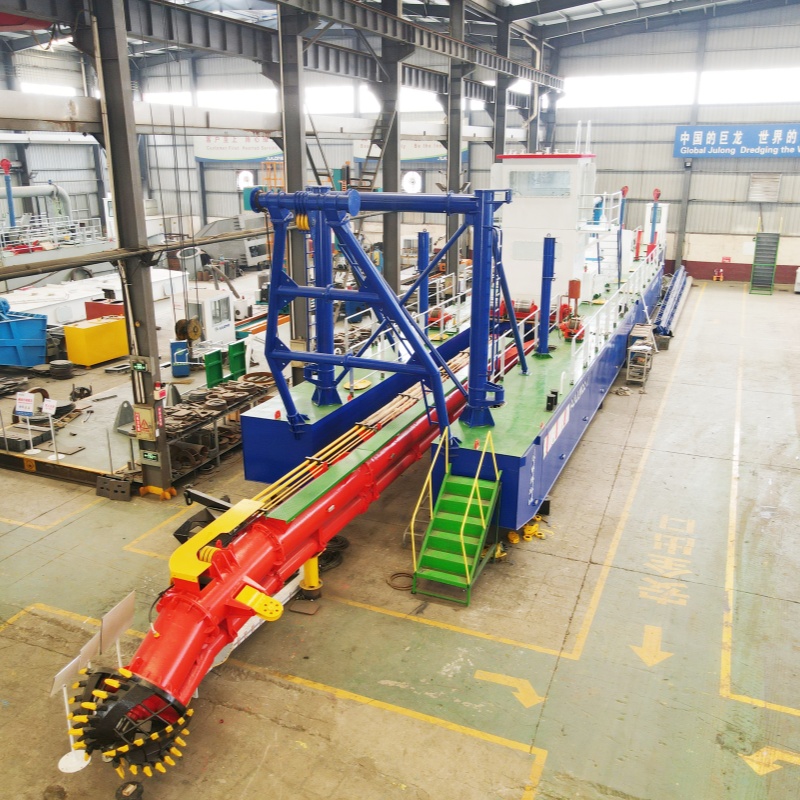
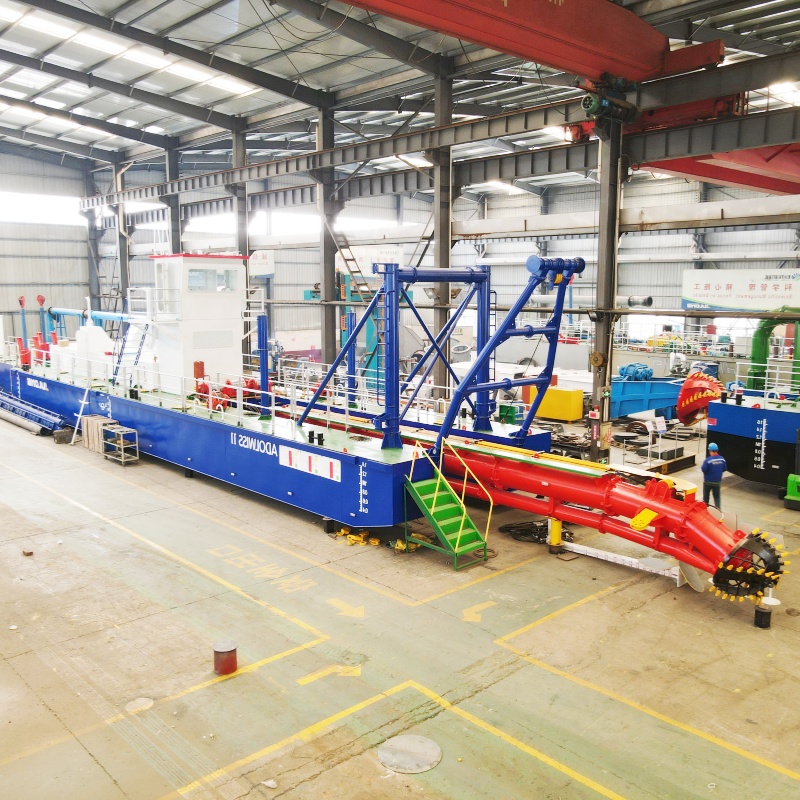
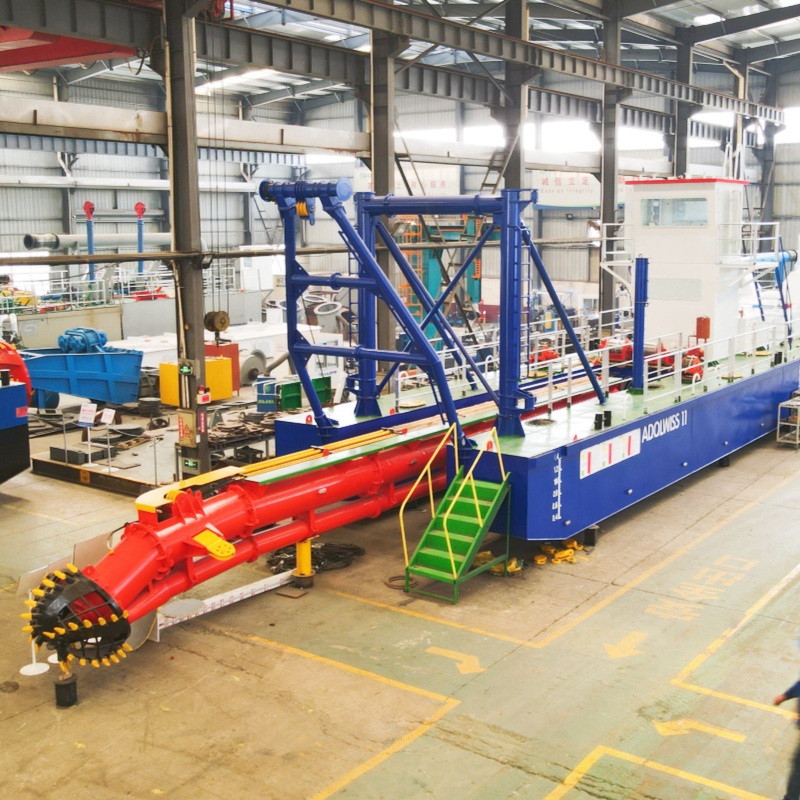
Sand dredging  boats are  specialized vessels  designed for  the  extraction of sand and other materials from underwater environments such as  rivers, lakes,  and coastal areas. As B2B buyers,  such as purchasing managers and engineers, consider investing in  sand dredging boats,  they often  prioritize durability, efficiency,  and application suitability. This article will explore  key specifications, cost factors, common  issues  and their solutions, installation guidance,  and the  various  applications of sand dredging boats,  facilitating informed purchasing decisions.

 
Cost Factors to Consider When Purchasing Sand Dredging Boats

Cost Factors to Consider When Purchasing Sand Dredging Boats

The cost of sand dredging boats can vary significantly  based  on several factors that buyers should carefully evaluate:


Initial Purchase Price: The upfront cost is often the most  significant factor. This  will depend on  the type of dredging boat, its specifications, and any additional features or customizations.

Operating Costs: These include  fuel consumption, maintenance, and repair  costs. Buyers should analyze the long-term operating expenses to  understand the total cost of ownership.

Customization  Options: Many manufacturers offer customization  to suit specific project requirements, which  can impact pricing. Custom features may include specialized  pumps, enhanced  safety equipment, or tailored dimensions. For instance, JLWB1600 Multi-function Work Boat provides tailored solutions for varied operations.

Shipping and Logistics: Consider the costs associated with transporting the dredging boat from the manufacturer to the job site. This can include freight charges, import duties, and other  logistical expenses.


Warranty and After-Sales Service: A robust warranty and good after-sales support can save costs in the long  run. Buyers should inquire about warranty terms and the availability of support  services.

By analyzing these  cost factors, buyers can establish a clearer understanding of their budget and make  more informed purchasing decisions regarding sand dredging boats.

Common Problems with Sand Dredging Boats and Their Solutions

Common Problems with Sand Dredging Boats and Their Solutions

Despite  their robust design,  sand dredging boats can encounter  various issues. Understanding common problems and their solutions can  enhance operational  efficiency:

Clogged Suction Pipe: Clogs can occur due to the accumulation of debris or oversized material. Regular inspection and cleaning of  the suction pipe can prevent this problem. Implementing a pre-screening process  for dredged materials can also help.

Pump Failure: Pump issues may arise from  wear or mechanical failures. Regular maintenance,  including lubrication  and prompt replacement of worn components, is essential to mitigate this risk.

Structural  Damage: The aggressive nature of sand dredging  can lead to structural wear. Using high-quality materials and coatings can enhance resistance to abrasions. Regular inspections can identify damage before  it becomes critical.

Inefficiency in Dredging: Poor performance might stem from improper equipment calibration. Ensuring that the dredger is correctly calibrated for the specific material and depth can optimize efficiency.

Environmental Regulations: Non-compliance with local  regulations can  lead to  fines or operational shutdowns. Buyers should  research environmental guidelines  relevant to their operational areas to ensure compliance.

By being aware of these common issues and implementing  proactive maintenance and operational strategies, buyers can significantly reduce downtime and enhance the lifespan of their  sand dredging boats.

Installation Guidance for Efficient Use of Sand Dredging Boats

Installation Guidance for Efficient Use of Sand Dredging Boats

Proper installation of sand dredging boats is crucial for maximizing performance and  ensuring safety. Here  are key considerations for effective installation:

Site Assessment: Before installation, conduct a thorough assessment of the dredging site. Understand the water  depth, bottom  composition, and environmental conditions to determine the most suitable installation approach.

Equipment Setup: Carefully  follow the manufacturer’s guidelines for setting up the dredging equipment. Ensure  that all components,  including the pump  and  suction pipes, are correctly aligned and securely fastened.

Testing Operations:  Before full-scale dredging begins, conduct test runs to evaluate the boat’s  performance. Monitor for any operational issues and make  necessary adjustments.

Safety Protocols: Establish safety protocols for  the installation and operation of the dredging boat.  This includes ensuring that all personnel are trained and aware of  emergency procedures.

Regular  Maintenance Checks: Post-installation, schedule regular maintenance checks to ensure  all systems are functioning  correctly  and to prevent long-term issues.

Following these installation guidelines can  help ensure that sand dredging boats operate efficiently and safely from the outset.

Applications of Sand Dredging Boats in Various Industries

Sand dredging boats serve a variety of industries,  each with unique applications  that benefit from their capabilities:

Construction  and Infrastructure: Sand dredging boats are  essential for providing raw materials for construction projects, such as concrete and asphalt production. They facilitate the extraction of sand needed for  foundation work and land  reclamation projects.

Mining: In the mining industry, dredging boats are  used to extract valuable minerals from  riverbeds and coastal areas. They play a crucial role in the recovery of materials such as gold and other precious metals.

Environmental Remediation: Dredging boats are increasingly utilized in environmental projects to remove contaminated  sediments from water bodies, aiding in the restoration of ecosystems.

Coastal  Management: To  combat erosion and maintain navigable waterways, sand dredging  boats  are  deployed for beach replenishment and to manage sediment in harbors and  coastal areas.

Recreational and Tourism Development: In areas where tourism is vital, dredging boats help to  maintain  water clarity  and depth, ensuring safe and enjoyable recreational activities such as  boating and fishing. The use of specialized vessels like the JLCSD700 Cutter Suction Dredger can enhance these activities significantly.

Understanding these applications helps buyers recognize the versatility of sand dredging boats and the potential benefits they can  bring to their specific industries.

Key Specifications to Evaluate in Sand Dredging Boats

When  assessing sand dredging boats, several key specifications should be considered to ensure optimal performance for your specific project needs.

Type of Dredger: Cutter suction dredgers and amphibious dredgers each have unique capabilities. Cutter suction dredgers are effective for deeper dredging, while amphibious dredgers can operate in shallower, marshy areas.


Pump Capacity: The dredging pump's  capacity, measured in cubic meters per hour (m³/h), directly impacts the efficiency of material extraction. Buyers should evaluate the required capacity based on  project scale  and  material type.

Suction Depth: This specification indicates how deep the boat can dredge. It is crucial to match this with the project's  requirements to avoid  operational  limitations.

Material Construction: The choice of materials used in the boat’s construction affects its durability and resistance to wear from abrasive materials  like sand. High-strength steel or specialized alloys can enhance longevity.

Power Source: Consider whether the dredging boat is diesel-powered or electric, as this can influence operational costs and  environmental impact. It’s essential to align the power source  with your  operational environment and regulatory requirements.

Dimensions and Weight: The size of the dredging boat can affect its maneuverability and  stability in various water conditions.  Ensure the dimensions are suitable for the  intended application area.


Understanding these specifications allows buyers  to evaluate dredging boats effectively  and select an option  that meets their operational demands.

Frequently Asked Questions

What is a sand dredging boat used for?

A sand dredging boat removes silt, sand, and sediment from rivers, lakes, ports, and coastal areas to deepen channels, prevent flooding, and support construction and reclamation projects.
We supply cutter suction dredgers, amphibious dredgers, and excavator-based dredgers tailored for river, lake, and port projects.
Our dredging boats are manufactured in an ISO/CE certified facility, ensuring compliance with international quality and safety standards.
Yes. Our amphibious and excavator dredgers are designed for shallow waters and challenging shorelines to provide flexible, efficient operation.
We offer customization, spare parts, installation guidance, operator training, and technical support from our 12,000 m² facility serving global projects.

Get a Free Quote

Our representative will contact you soon.
0/1000