Key Specifications for Sand Dredging Pumps

application/sand-dredging-pump, application/sand-dredging-pump, 
Inquiry
Inquiry

Sand dredging pump

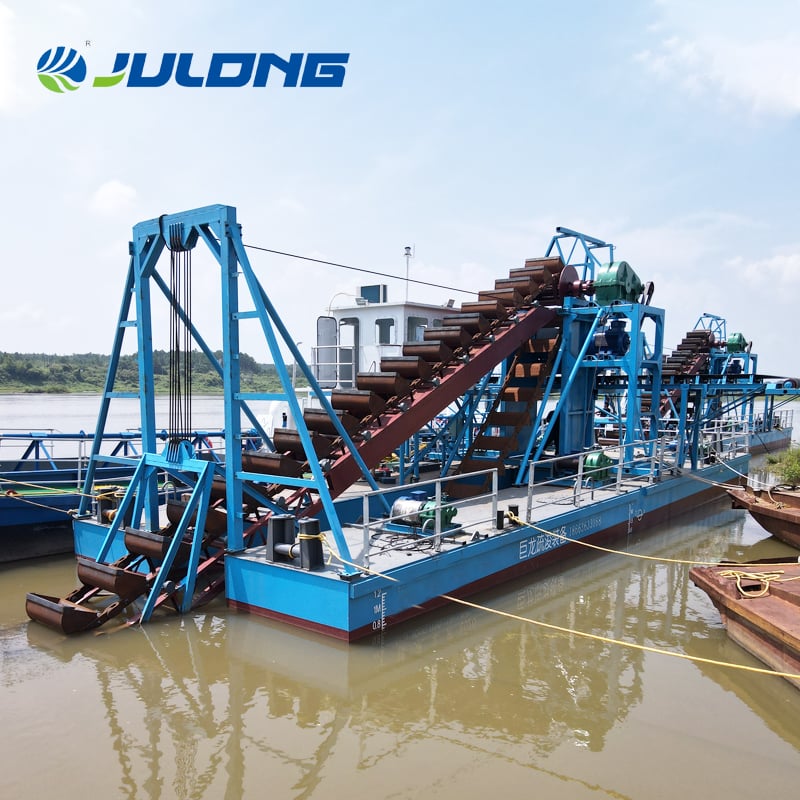
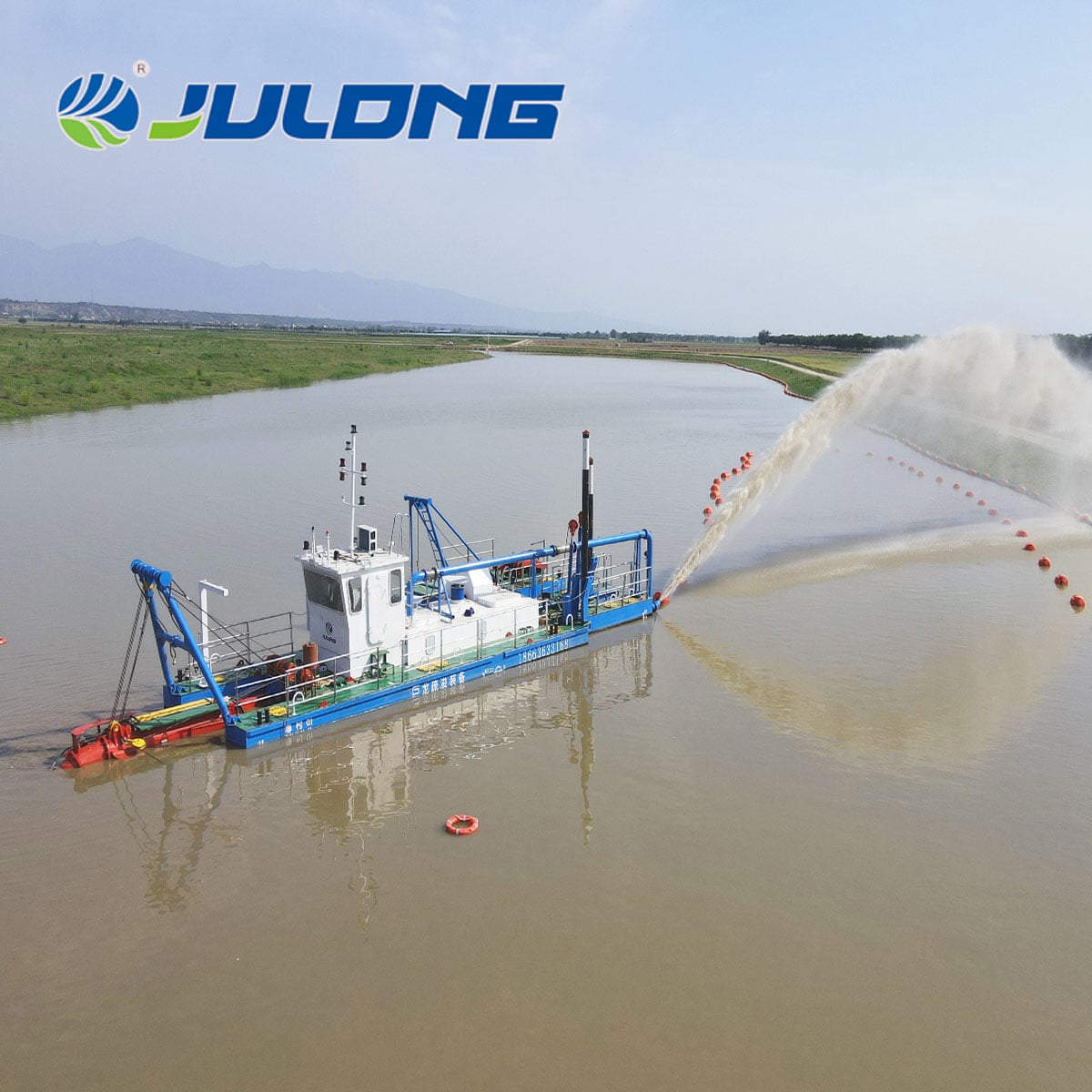
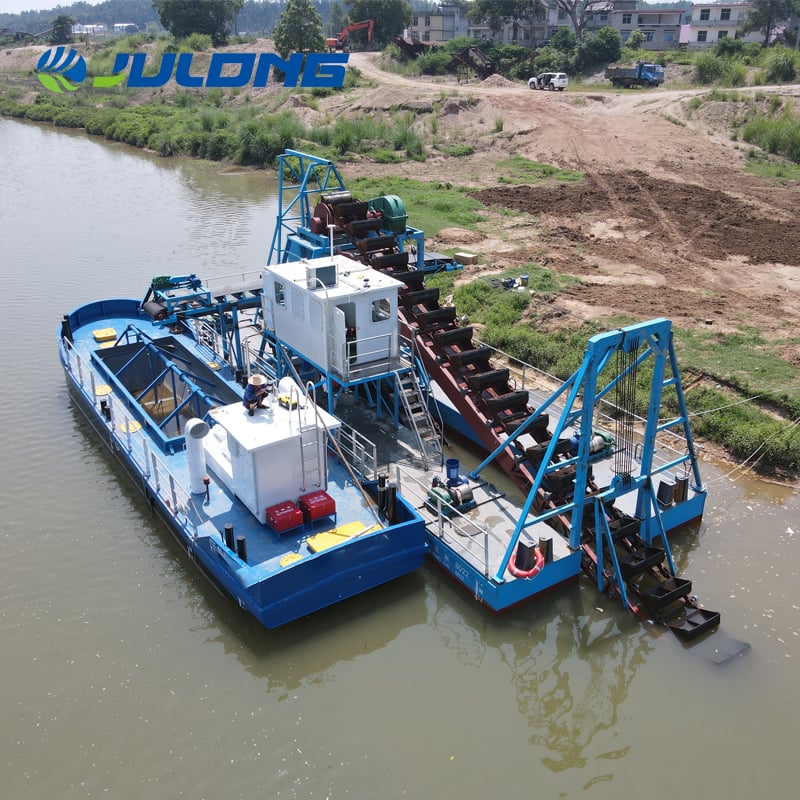
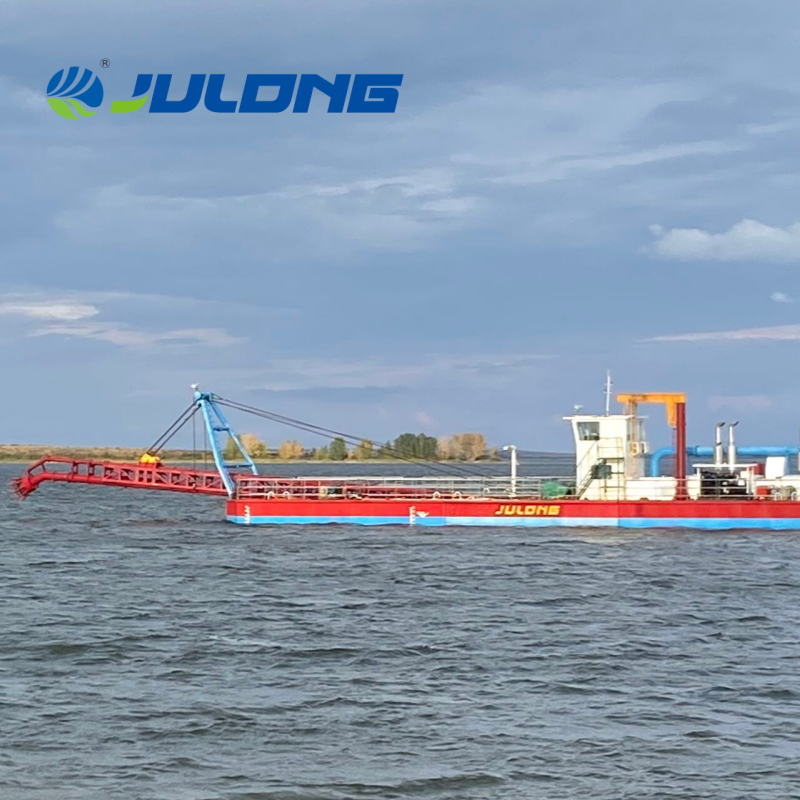
Sand dredging pumps are essential tools in the construction and maintenance of waterways, ports, and other aquatic environments. These pumps play a critical role in removing sediment, sand, and debris from riverbeds, lakes, and harbors, ensuring navigability and ecological health. As a buyer in the manufacturing or construction sector, understanding the key specifications, installation challenges, and quality control measures of dredge pump is crucial. This article will provide insights that will help you make informed decisions when sourcing these vital pieces of equipment.

Bulk Order Strategies for Sand Dredging Pumps

Bulk Order Strategies for Sand Dredging Pumps

When purchasing sand dredging pumps in bulk, several strategies can lead to cost savings and improved procurement efficiency: 

Negotiate Pricing: Engage suppliers in discussions about volume discounts. Many manufacturers, including Qingzhou JULONG Environmental Technology Co., Ltd., offer better pricing for bulk orders, which can significantly reduce your overall costs. 

Assess Lead Times: Confirm the production and delivery timelines with your supplier before placing a bulk order. Ensure that their capacity aligns with your project schedules to avoid delays. 

Standardization: Consider standardizing on specific models or configurations across your projects. This not only simplifies inventory management but can also lead to better pricing and service agreements. 

Quality Assurance: Request quality assurance documentation, including ISO or CE certifications, to ensure that bulk purchases meet required standards. This can prevent issues related to defective pumps later in your project. 

Sample Testing: Before committing to a bulk order, consider obtaining samples for testing. This will provide an opportunity to evaluate performance in real-world conditions, ensuring that the selected pumps will meet your operational needs. 

By implementing these strategies, you can enhance your purchasing process and ensure that you receive high-quality sand dredging pumps that meet your specifications.

Common Installation Issues with Sand Dredging Pumps and Solutions

Common Installation Issues with Sand Dredging Pumps and Solutions

Installing sand dredging pumps can present several challenges that may impact their performance. Here are common issues and recommended solutions: 

Alignment Problems: Misalignment during installation can lead to premature wear or failure. Use precision tools to ensure that the pump is correctly aligned with the suction and discharge piping. 

Inadequate Foundation: A weak or unstable foundation can cause vibrations and operational issues. Ensure that the pump is installed on a solid, level base that can support its weight and operational forces. 

Suction Pipe Blockages: Blockages in the suction line can impair pump performance. Regularly inspect and clean the suction pipes to prevent sediment buildup. 

Electrical Issues: Improper electrical connections can lead to pump failure. Engage qualified technicians to oversee electrical installations and ensure compliance with safety standards. 

Incompatibility with Existing Systems: Ensure compatibility with existing systems before installation. Consult with the manufacturer or a technical expert to confirm that the selected pump will integrate seamlessly with your current equipment. 

Addressing these installation issues proactively can enhance the performance and longevity of your sand dredging pumps.

How to Compare Sand Dredging Pumps for Optimal Performance

How to Compare Sand Dredging Pumps for Optimal Performance

To ensure you select the most effective sand dredging pump for your needs, consider the following comparison criteria: 

Performance Metrics: Look at flow rates, maximum lift heights, and operational efficiency. Pumps with higher performance metrics are generally more suitable for demanding applications. 

Durability: Assess the materials used in the construction of the pumps. High-quality materials that resist corrosion and abrasion will provide better value over time. 

Operational Costs: Evaluate the total cost of ownership, including energy consumption, maintenance requirements, and potential downtime. A pump that may be cheaper upfront could lead to higher ongoing costs. 

Manufacturer Reputation: Research the manufacturer's history, customer reviews, and case studies. A reliable manufacturer, such as Qingzhou JULONG Environmental Technology Co., Ltd., will have a proven track record of delivering quality products and customer service. 

Customization Options: Depending on your application, you may need specific features or configurations. Ensure that the manufacturer offers customization to suit your operational requirements. 

By carefully comparing these factors, you can make a more informed decision about which sand dredging equipment will deliver the best performance for your specific application.

Assessing Quality Control in Sand Dredging Pump Manufacturing

Quality control is paramount in the manufacturing of JULONG sand dredging pumps, as it directly affects their performance and reliability. Here are key aspects to consider: 

Certification Standards: Verify that the manufacturer adheres to quality certifications such as ISO and CE. These certifications indicate compliance with international quality standards, which is crucial for ensuring product reliability. 

Inspection Processes: Inquire about the manufacturer's inspection processes throughout production. Regular inspections at various stages, from raw material procurement to final assembly, help identify and rectify issues early. 

Testing Protocols: Ensure that the pumps undergo rigorous testing before shipment. This includes performance tests under simulated operational conditions to validate their efficiency and durability. 

Traceability: A good manufacturer should maintain detailed records of materials and components used in each pump. This traceability ensures accountability and simplifies future repairs or replacements. 

Feedback Mechanisms: Assess whether the manufacturer has systems in place to gather and act on customer feedback. Continuous improvement based on user experiences is a hallmark of a reputable manufacturer. 

By focusing on these quality control elements, you can ensure that the sand dredging pumps you purchase will meet your operational demands and maintain reliability over time.

Key Specifications to Evaluate When Sourcing Sand Dredging Pumps

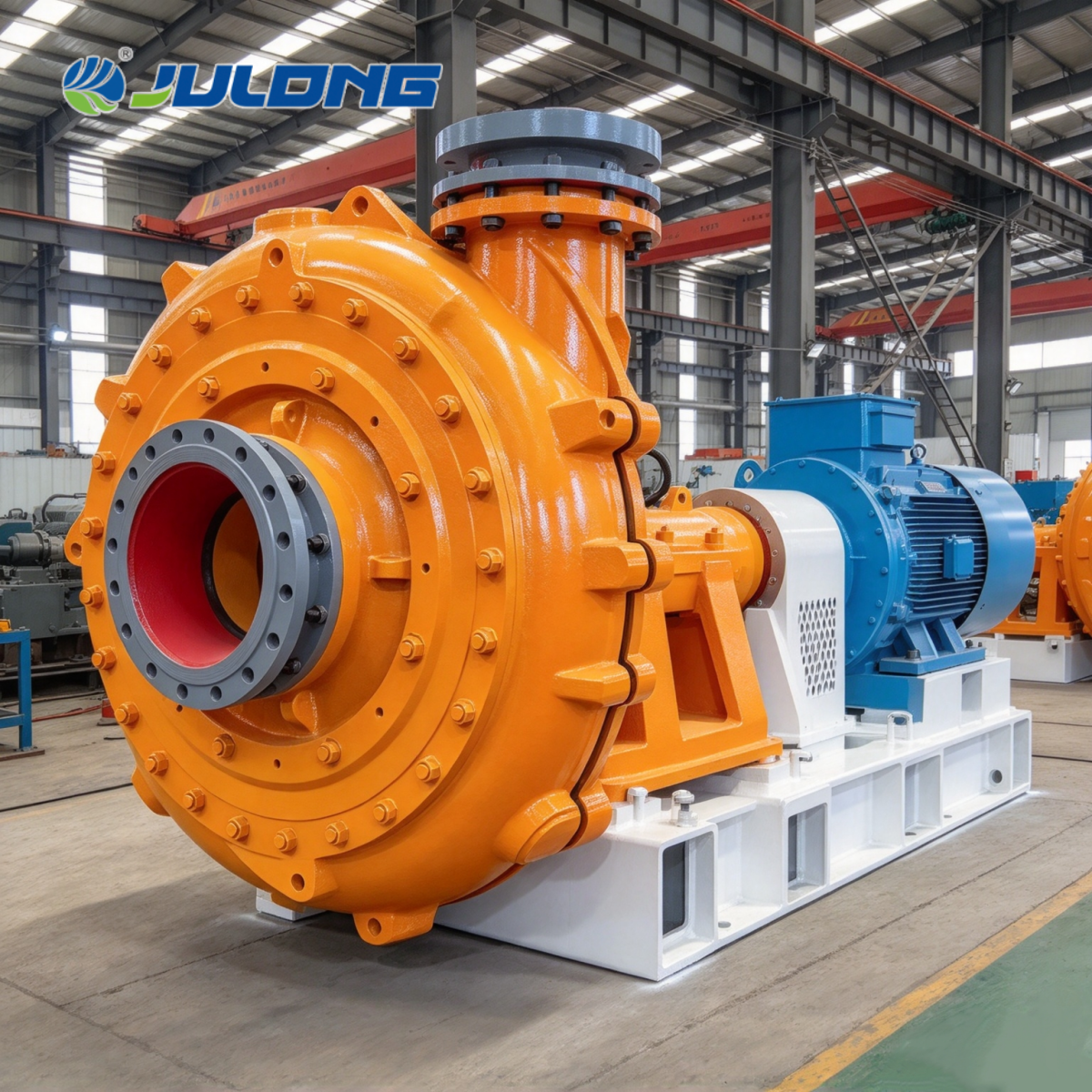
When selecting a sand dredging pump, several specifications are crucial to ensure optimal performance and compatibility with your project requirements. Key factors include: 

Flow Rate: This defines the amount of material the pump can move in a given time. A higher flow rate is essential for large-scale dredging projects to maintain efficiency. 

Pump Size and Type: Dredging pumps come in various sizes, and the choice depends on the specific application. Cutter suction and submersible pumps are popular options, with distinct advantages based on project needs. 

Material Used: The construction material of the pump affects its durability and resistance to wear caused by abrasive materials. Common materials include high-chrome alloys or rubber-lined components for enhanced longevity. 

Power Source: Pumps can be diesel or electric-powered. Consider the availability of power sources at your site and the operational costs associated with each option. 

Discharge Height and Distance: Evaluate the pump's ability to discharge materials over vertical heights and horizontal distances, as this impacts the overall efficiency of the dredging operation. 

Sealing and Maintenance: A robust sealing design is vital to prevent leakage and ensure easy maintenance. This reduces downtime and extends the life of the pump. 

Understanding these specifications will help you align your needs with the right dredge pump for sand, ensuring effective and efficient operation.

Get a Free Quote

Our representative will contact you soon.
0/1000