Selecting Placer Mining Equipment for Efficiency

application/placer-mining, application/placer-mining, 
Inquiry
Inquiry

placer mining

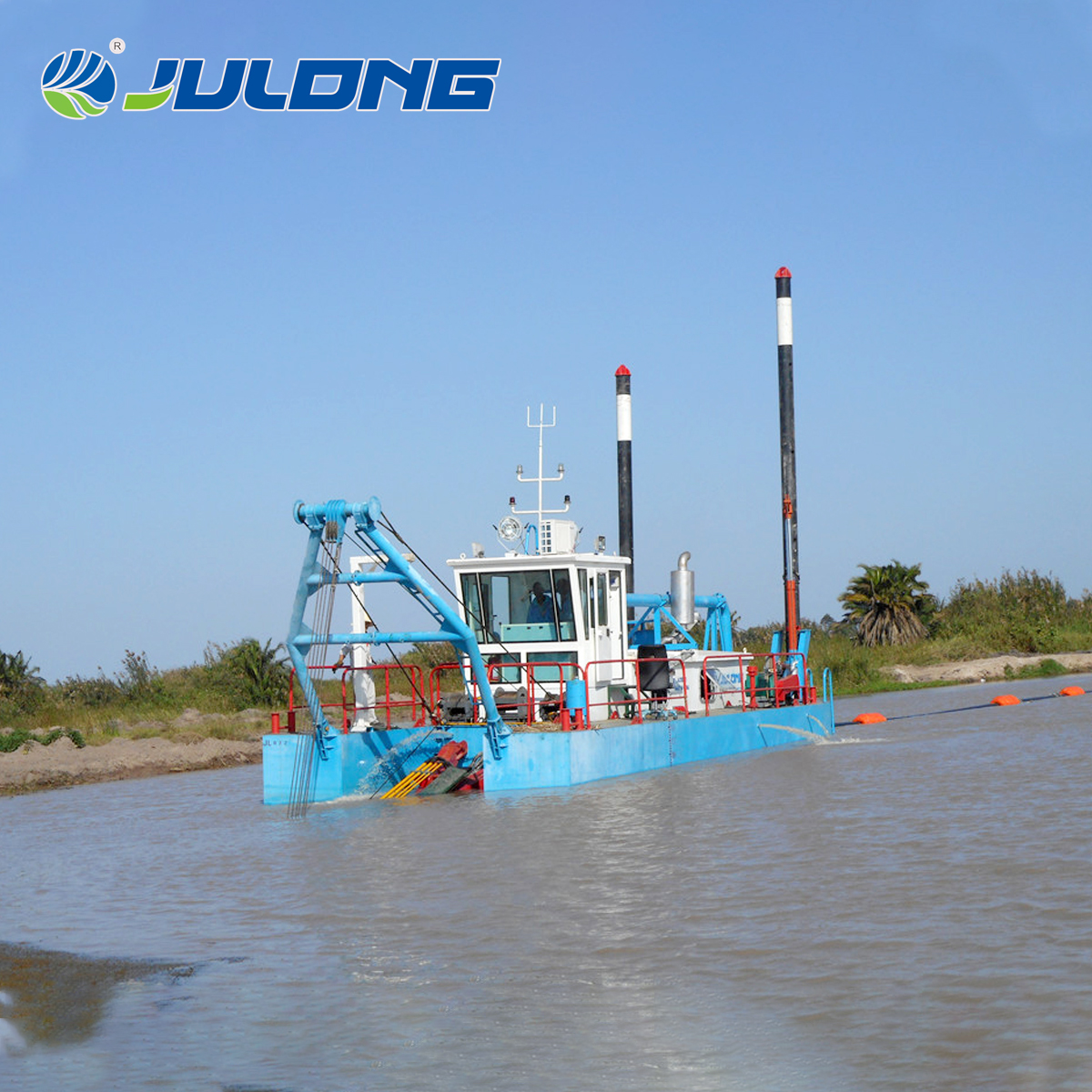
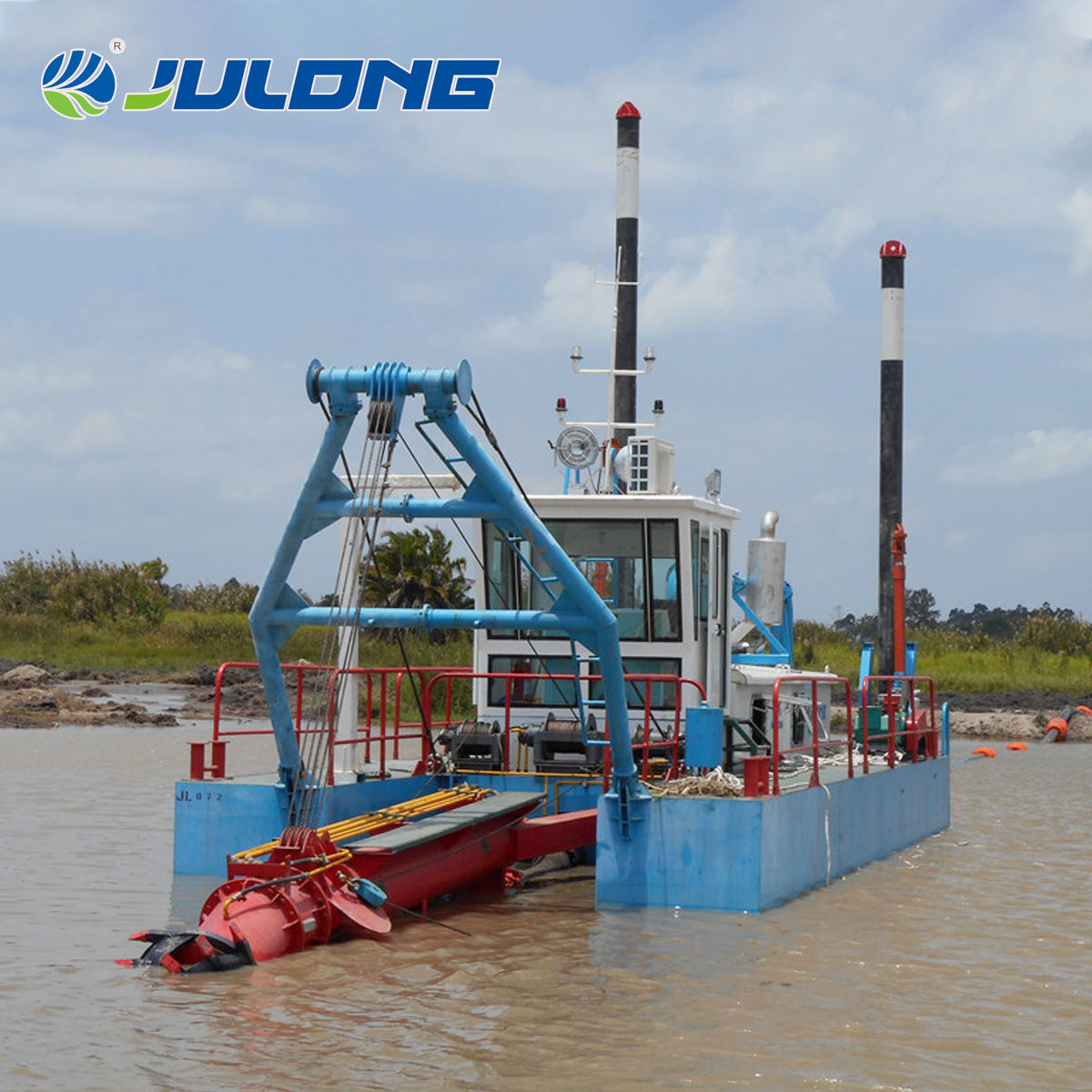
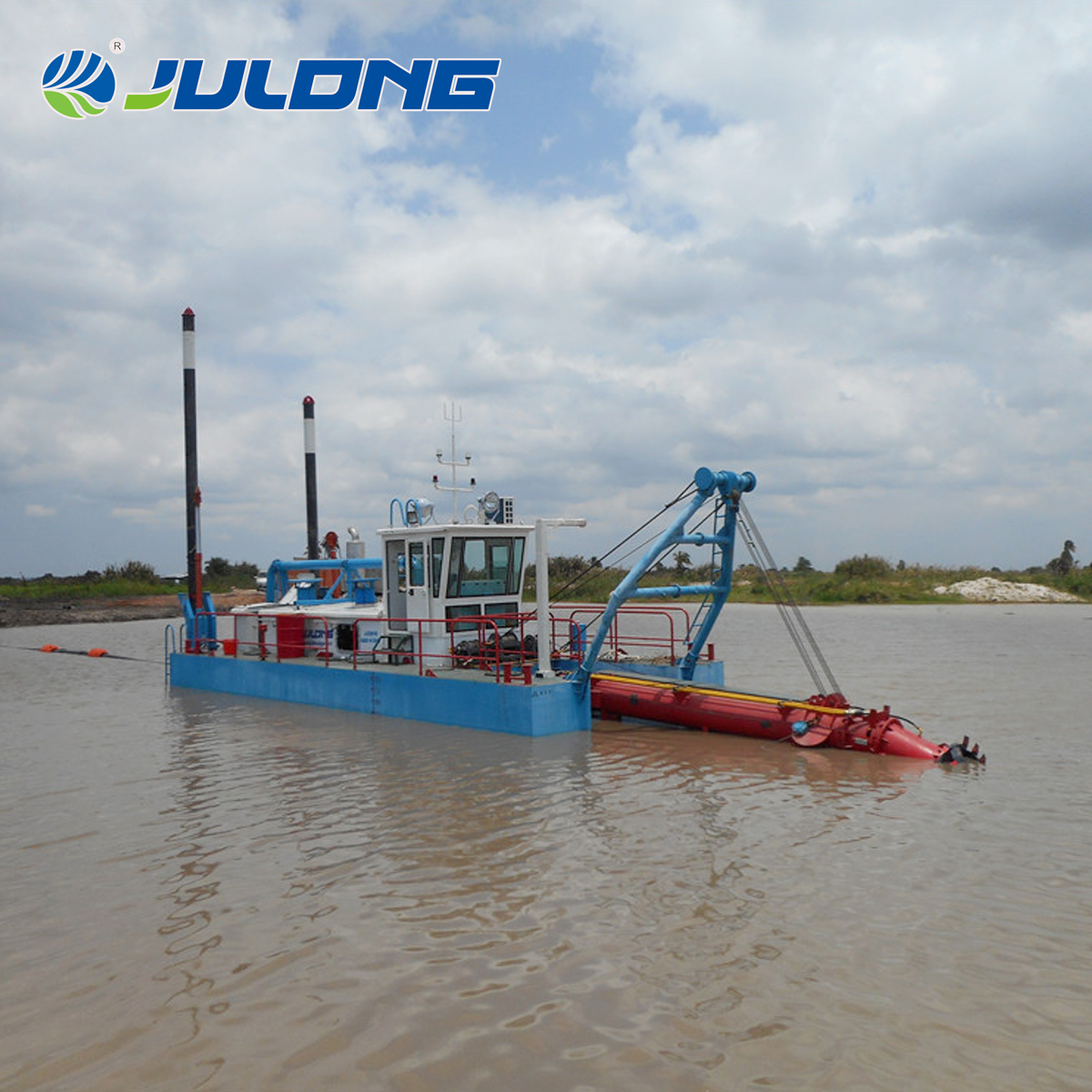
Placer mining  involves the  extraction  of valuable minerals and metals from alluvial deposits, often found in riverbeds and floodplains. For businesses in this sector, selecting the right machinery  is crucial to ensure efficiency and cost-effectiveness. This article will address the key specifications for placer mining machinery, how to evaluate  the quality  of  dredgers  and excavators, best  practices for operation, common  challenges faced, and  the diverse  applications of  placer  mining  equipment. Understanding these  aspects  will help  professionals make informed  purchasing decisions  and optimize their mining operations.

How to Evaluate the Quality of Placer Mining Dredgers

How to Evaluate the Quality of Placer Mining Dredgers

Evaluating the quality  of dredgers and excavators involves several practical steps:

Inspect Certifications: Ensure the equipment meets industry standards, such as  ISO and CE certifications. These certifications indicate  compliance with international manufacturing and safety standards.

Examine Manufacturing Processes: Understanding the manufacturing capabilities  of the supplier can provide  insights into  the quality of the  equipment. Look for companies with advanced production technologies  and stringent quality control processes.

Request Samples or Demonstrations: Before making a purchase, it can  be beneficial to request a demonstration of the equipment. Observing its operation in  real-world  conditions helps  assess its performance and  suitability for your specific needs.

Review Client Feedback: Feedback from other clients can provide valuable insights into the reliability  and efficiency of the equipment. Testimonials or  case studies can  highlight how the machinery has performed in similar applications.

Conduct Maintenance Assessments: Evaluate  the ease of  maintenance for the equipment. Machines that are easier to service will  save time and reduce  downtime during operations, ultimately affecting productivity.

Cost Factors to Evaluate for Placer Mining Equipment Purchases

Cost Factors to Evaluate for Placer Mining Equipment Purchases

To maximize the efficiency and longevity of placer mining machinery, consider the following  best practices:

Regular Maintenance and Inspections: Establish a routine  maintenance schedule to inspect critical components such as pumps, engines, and hydraulic systems. Early  detection of wear and  tear can  prevent costly breakdowns.


Training Operators: Ensure that all operators are thoroughly trained in  the proper use of the equipment.  This includes  understanding safety  protocols, operational guidelines, and troubleshooting common issues.

Optimize Operating Conditions: Adjust the operation  based on environmental conditions. For instance, managing the  flow rate during dredging can  help prevent equipment overload and improve material recovery.

Implement Safety Measures: Safety should be a top priority. Ensure that all safety  features of the equipment are in working order, and provide personal protective equipment (PPE)  for all workers involved  in the mining process.

Use Quality  Spare Parts: When replacements are necessary,  sourcing high-quality spare parts can help maintain  the performance and reliability of the machinery over  time.

Advantages of Using Our Durable Materials in Placer Mining Projects

Advantages of Using Our Durable Materials in Placer Mining Projects

Placer mining presents several challenges that can impact operations:

Variable Material Conditions: The composition of materials can change  unexpectedly, affecting dredging efficiency. Utilizing adjustable dredging systems can help accommodate varying material  densities.

Environmental Regulations: Compliance with local environmental regulations can pose challenges. Engaging with environmental consultants and  adhering to best practices in  waste management  can mitigate regulatory risks.

Equipment Downtime: Unplanned downtime can drastically affect  productivity. Implementing a proactive maintenance strategy, including regular  inspections and timely repairs, can reduce  the likelihood of breakdowns.


Logistical  Issues: Transporting equipment to and from mining sites can be complex. Working with suppliers who  offer  logistical support can streamline this process,  ensuring  that machinery  arrives on time and in good  condition.

Cost Management: Balancing  operational costs with productivity can be challenging. Regular  performance assessments can help identify inefficiencies, allowing businesses to adjust operations to  maintain profitability.


Bulk Order Options for Placer Mining Equipment and Supplies

Placer mining equipment is versatile and can be applied in  various projects, including:

Gold Mining: Dredgers are commonly used in gold mining to  extract gold from riverbeds. The ability to sift through large volumes of sediment  efficiently makes this equipment ideal for operations focused on precious metals.

Sand and Gravel Extraction:  Construction and landscaping industries often rely on dredgers and excavators for sand and gravel  extraction. The  equipment's efficiency helps meet  the high  demand for these materials in construction projects.

Gemstone Recovery: In some regions, placer  mining is utilized for gemstone recovery. Specialized equipment can separate gemstones  from other materials, ensuring that valuable stones are not lost during mining.

Environmental Remediation: Placer mining equipment can also  be adapted for environmental cleanup  projects, such as removing  contaminated sediments from waterways, thus contributing to ecological restoration  efforts.

Dredging Ports and Harbors: Maintaining navigable waterways is essential for maritime industries. Dredgers are employed to remove  sediment buildup  in ports and  harbors, ensuring safe passage for vessels.

By understanding these aspects of  placer mining, businesses can make informed decisions about their equipment needs,  enhancing  both operational efficiency and resource recovery.

What to Consider When Selecting Placer Mining Equipment

When selecting machinery for placer mining, several key specifications should be  considered to ensure optimal performance:

Dredging Depth  and Capacity: The dredging depth required will depend on the  specific  mining site.  Buyers should assess  the maximum depth their  operations will require and  choose equipment that can efficiently handle that depth. Capacity is equally critical, as it determines how much material can be processed  in a given timeframe.

Power and Efficiency: Equipment should have sufficient power to handle various  materials, including gravel and sediment. Energy-efficient models can reduce operational costs,  making them  more attractive for  long-term use.

Material Construction: The durability of dredgers and excavators is heavily influenced by the materials used in their  construction. High-strength steel and corrosion-resistant coatings are often preferred to withstand harsh operating environments and extend the equipment's lifespan.

Mobility and Versatility: In placer mining, the  ability  to move equipment across different terrains is essential. Amphibious dredgers, for example, can operate in both  water and land, which increases their utilization across various projects.

Customization  Options: Depending on the  specific requirements of a project, customization might be necessary. Suppliers should be able to provide tailored solutions  that meet the unique demands of different mining environments.

Frequently Asked Questions

What is placer mining equipment used for?

Placer mining equipment extracts valuable minerals from river, lake, and port sediments using dredging and excavation methods suitable for alluvial deposits.
We supply cutter suction dredgers, amphibious dredgers, and excavators designed for river, lake, and port project needs.
Yes. Our equipment carries ISO and CE certifications and is built for durability and efficiency in challenging environments.
Yes. We provide tailored configurations and modifications to match site conditions, material types, and project requirements.
We offer technical support, spare parts, training, and global delivery from our 12,000 m² facility serving 93 countries.

Get a Free Quote

Our representative will contact you soon.
0/1000