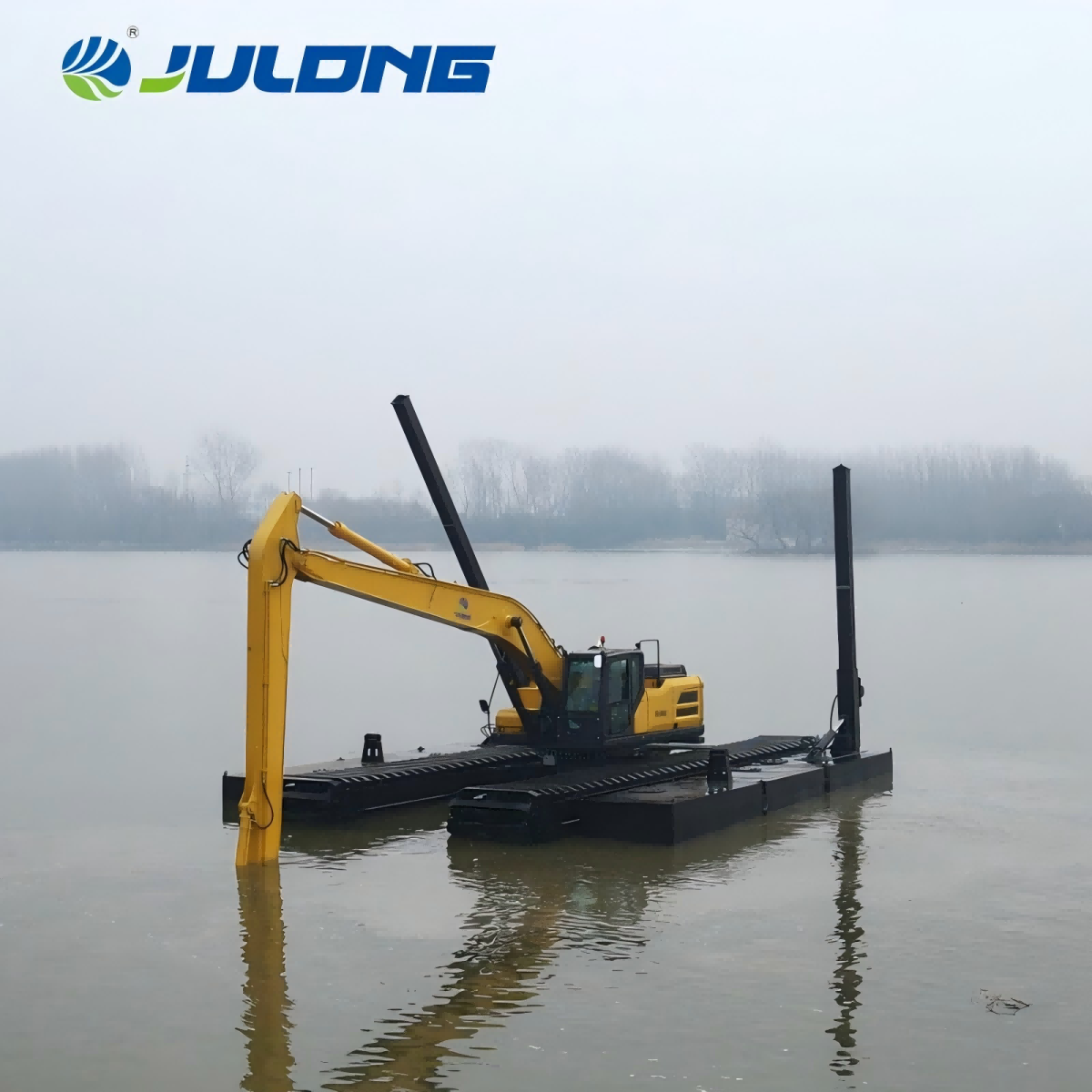
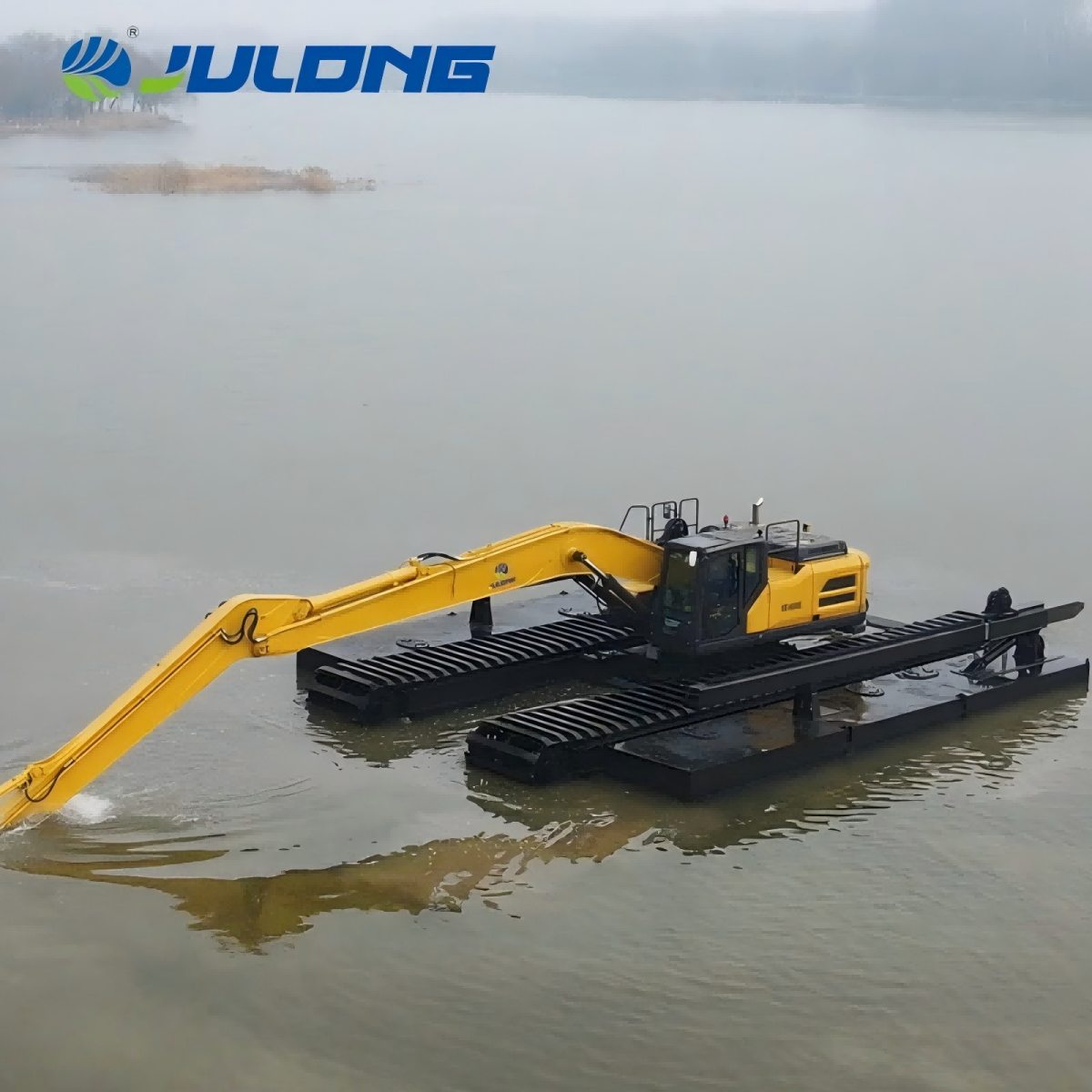
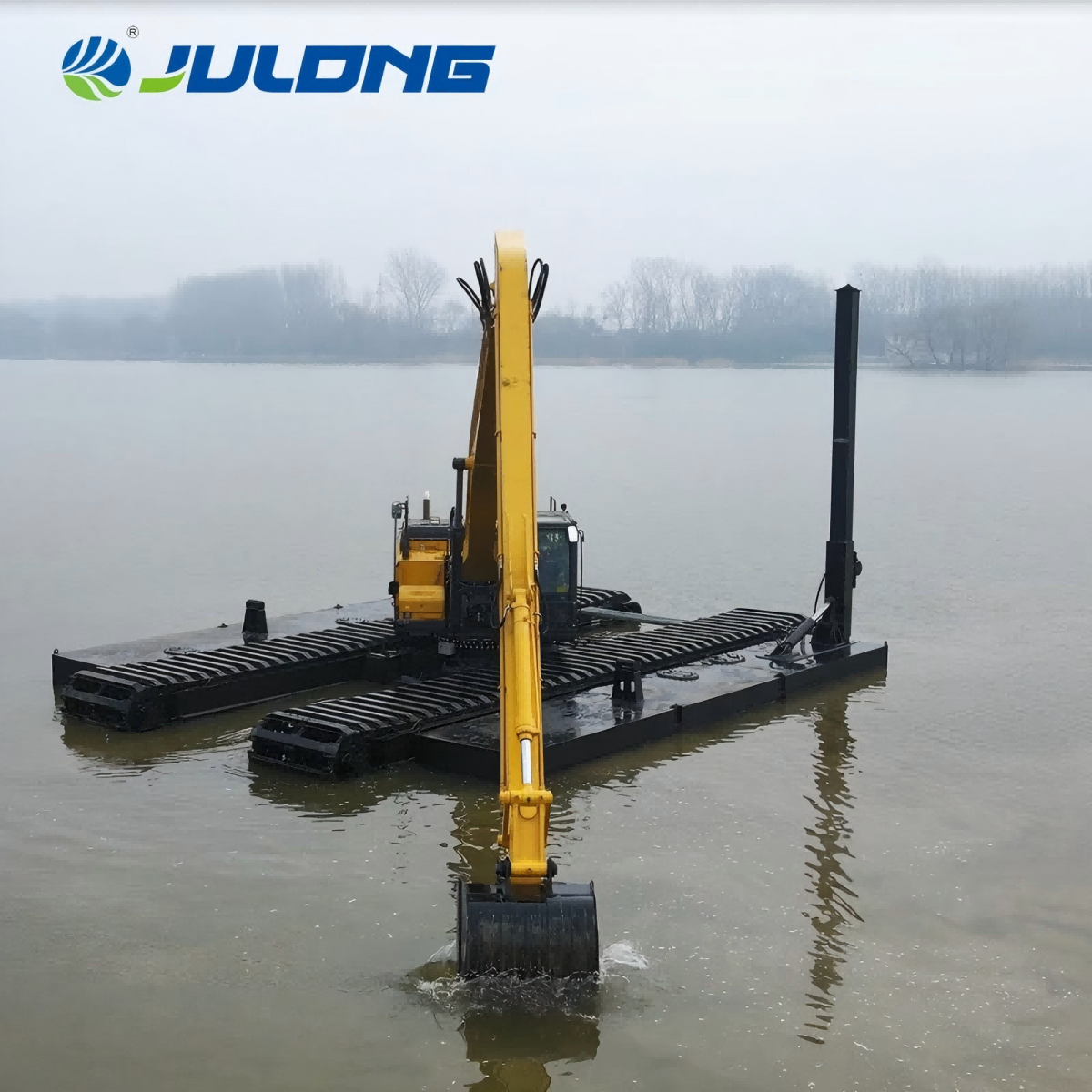
Common Problems with Floating Excavators and Their Solutions
Floating excavators, while highly effective, can encounter several common issues during operation. Being aware of these challenges enables buyers to take proactive measures:
Stability Issues: If a floating excavator is overloaded or improperly balanced, it may become unstable. To mitigate this risk, ensure the machine is not exceeding its rated capacity, and regularly check buoyancy aids for wear and tear.
Engine Performance Problems: Mechanical issues can arise, particularly in harsh operating conditions. Regular maintenance is essential. Establish a routine inspection schedule and have a qualified technician conduct periodic checks on the engine and hydraulic systems.
Material Clogging: Dredging can lead to material build-up in the bucket or discharge lines. Implementing a system for regular cleaning and maintenance can help prevent clogs. Additionally, selecting the appropriate bucket design for the material being excavated can reduce this risk.
Environmental Factors: Weather conditions, such as strong currents or high winds, can affect operations. Operators should be trained to recognize when conditions are unsafe and to cease operations as necessary.
Parts Availability: Delays in obtaining spare parts can hinder project timelines. Establish a relationship with the manufacturer or a reliable parts supplier to ensure quick access to necessary components.
By understanding these common problems and their solutions, buyers can enhance the operational efficiency and lifespan of their floating excavators.
Choosing the right floating excavator involves careful consideration of specifications, sourcing, costs, and potential operational challenges. By equipping yourself with this knowledge, you can make an informed purchasing decision that meets your project's needs.
 EN