Choosing the Right Bucket Dredge for Projects

application/bucket-dredge, application/bucket-dredge, 
Inquiry
Inquiry

bucket dredge

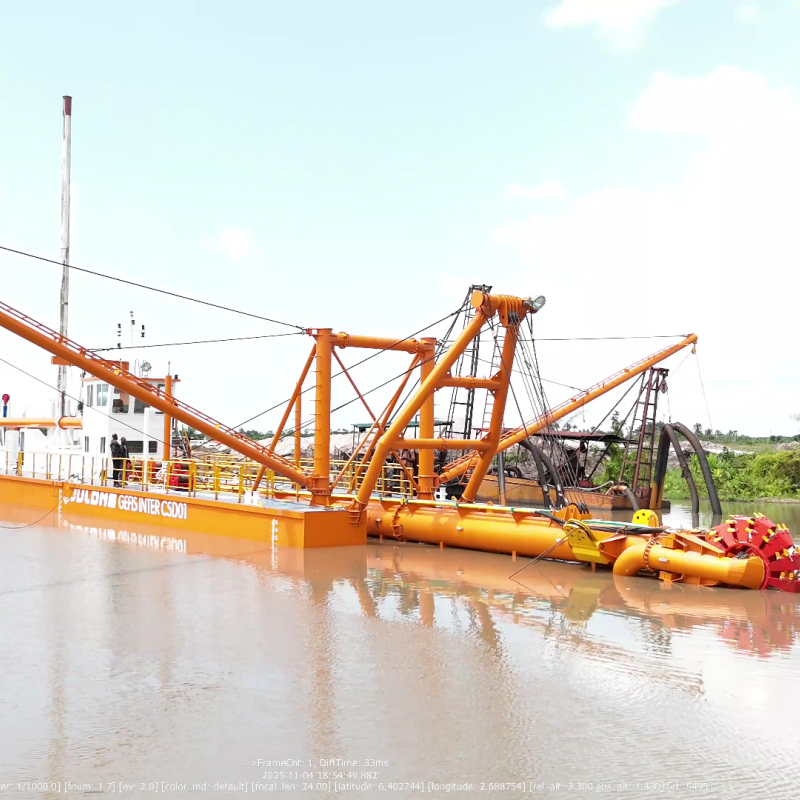
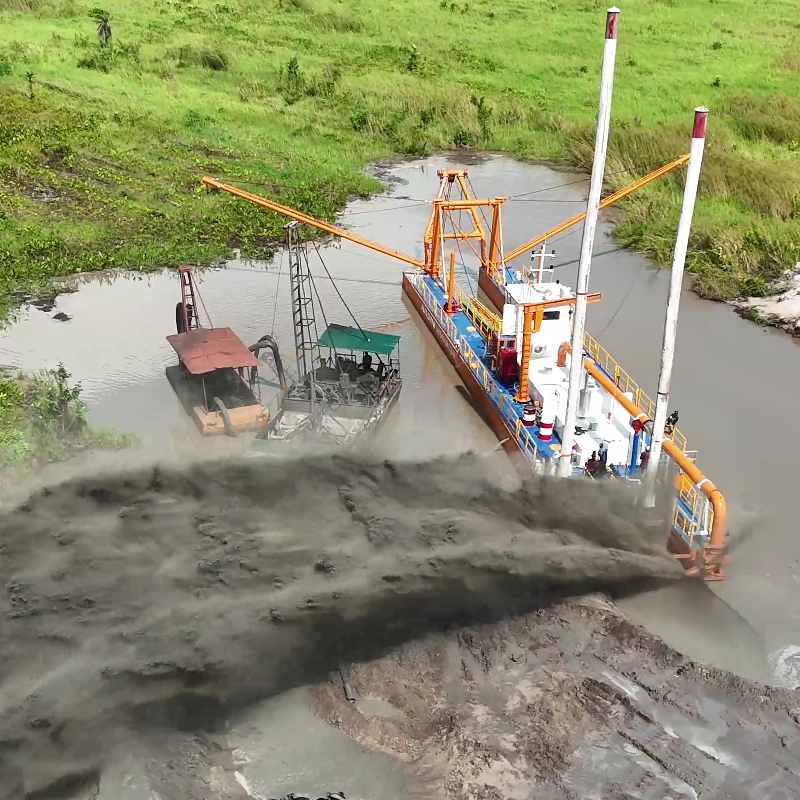
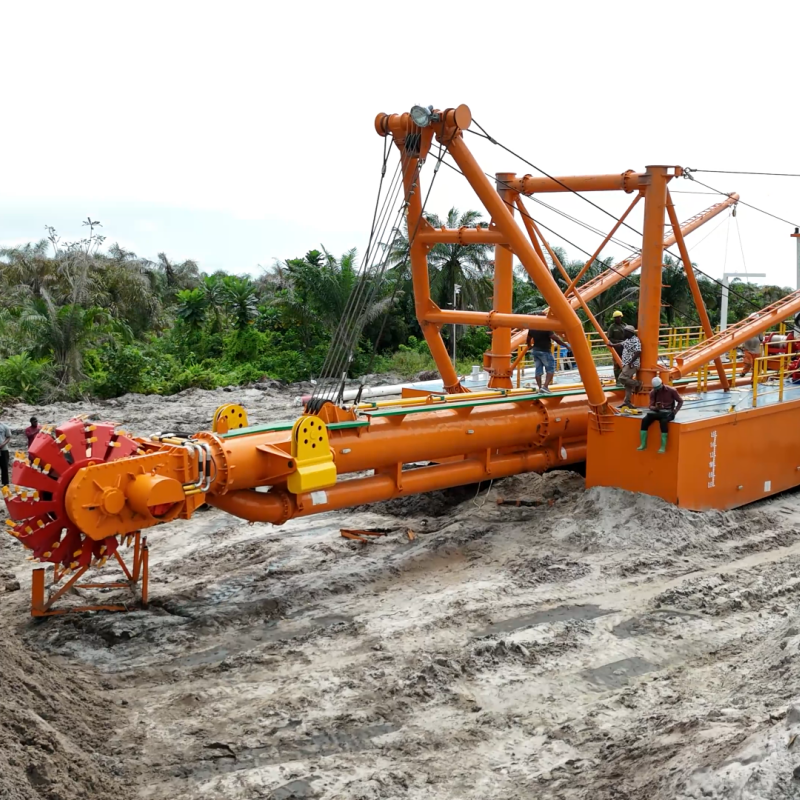
The bucket dredge is a specialized  piece of  equipment  used  in various environmental  projects, particularly for  dredging and excavation in  rivers,  lakes, and ports. For B2B  buyers, understanding how to select  the right bucket dredge is  crucial to  ensuring  project success, as well as addressing  concerns around durability, efficiency, and cost. This article will guide you  through the essential factors to consider when choosing a  bucket dredge,  key specifications to keep in mind, effective sourcing strategies,  common installation challenges, and the various applications of  bucket dredges in environmental projects.

 
Key Specifications to Consider When Buying a Bucket Dredge

Key Specifications to Consider When Buying a Bucket Dredge

When purchasing a bucket dredge, it’s critical to pay attention to specific technical specifications that affect performance and suitability for your application. Key specifications include:

Bucket  Capacity: The size of the bucket will determine how much material  can be  dredged in one cycle. Larger buckets can increase efficiency but may be  less effective in tighter spaces.

Dredging Depth:  Ensure the dredge  can reach the  necessary depth for your project. This is particularly important for projects involving deep-water dredging.

Material Composition: The bucket's material should be  suitable for the type of dredging. High-strength,  wear-resistant materials are essential  for  abrasive materials to prolong  the dredge's  lifespan.

Power Requirements: Consider the power source and the  engine specifications.  A powerful engine can improve operational efficiency but  may increase fuel costs.

Mobility Features: Features such as floatation and the ability to  navigate  through  various terrains can be crucial, especially for amphibious dredges  used in wetlands, such as the JLAME30T Amphibious Excavator.

Sourcing Your Bucket Dredge Effectively

Sourcing Your Bucket Dredge Effectively

Effective  sourcing of a bucket dredge  requires thorough research and planning. Start by identifying reputable manufacturers  and suppliers, like Qingzhou JULONG Environmental Technology Co., Ltd., known for  their cutting-edge dredging solutions and strong  international presence. Look for companies with ISO or CE certifications,  as these indicate  adherence to quality standards.

When requesting quotations, provide detailed information about your project, including the  intended application, expected  dredging depth, and material  types. This will help suppliers offer the most relevant  products and  pricing.


Additionally, consider visiting  production facilities or requesting product  demonstrations if possible. This firsthand experience can  provide  valuable  insights into the dredge's capabilities and the manufacturer’s  quality  control processes.

Common Installation Challenges with Bucket Dredges and Solutions

Common Installation Challenges with Bucket Dredges and Solutions

Installing a bucket dredge can present various challenges, and being aware of these can help mitigate  potential issues. Common challenges include:

Site  Accessibility: Depending on the  project's location, accessing the site for installation can be challenging. Ensure that the  site  is prepared and  accessible for the dredge's delivery and setup.

Alignment  and Depth Calibration: Proper alignment of the  dredge is crucial for effective  operation. Misalignment can lead to  uneven dredging. Use leveling tools during installation to ensure precision.

Power Supply Issues: If the  dredge  relies on electrical power, ensure the site has adequate power supply  arrangements to support  the dredge's requirements.

Environmental Regulations:  Compliance with local  environmental regulations is essential.  Consult with local authorities to ensure that your dredging operation meets all necessary guidelines before  commencing.

For these challenges, planning ahead and consulting with  your supplier can provide  solutions tailored to your specific installation scenario.

Applications of Bucket Dredges in Environmental Projects

Bucket dredges  play  a vital role in  various environmental projects,  particularly in sediment removal and habitat restoration. Some key applications include:

River and Lake  Dredging: Bucket dredges are  commonly used to remove sediment and debris from rivers and lakes, improving water flow and reducing flooding risks.

Port Maintenance: Regular dredging is essential  to maintain  navigable  depths in ports, ensuring safe passage  for vessels and minimizing operational disruptions.

Wetland  Restoration: In environmental restoration projects, bucket dredges can be used  to excavate and reshape wetlands, facilitating habitat recovery and  improving biodiversity.

Contaminated Site Remediation: Bucket dredges are effective in removing contaminated sediments from water bodies,  helping to restore ecological balance and improve water quality.

By  understanding these applications,  buyers can better evaluate the suitability of a bucket dredge for  their specific  projects, ensuring they choose equipment that meets their operational needs  and  environmental standards.

How to Choose the Right Bucket Dredge for Your Project Needs

Choosing the right  bucket dredge for  your project involves several considerations. Firstly,  assess  the specific requirements of your project, such as  the type of material to be dredged (e.g., silt,  sand, or  clay) and the depth  of  the water body. These factors will influence the dredge's capacity,  size, and design.

Consider the operational environment  as  well. If your project is in  a confined area or shallow waters, a compact and maneuverable bucket dredge will be more suitable. Additionally, evaluate  the dredge's operational  efficiency, including its cycle time and the volume of material it can handle per hour. A dredge that maximizes productivity will ultimately save costs in the long run.

Lastly, consider  the manufacturer's reputation and support services. Opt for a  supplier  with a proven track record and the ability to provide after-sales support, maintenance, and  spare parts availability to minimize downtime during  your project. For instance, you might want to explore options like the JLWB1600 Multi-function Work Boat for its versatility in various operational contexts.

Frequently Asked Questions

What is a bucket dredge used for?

A bucket dredge is used for excavating and removing sediment from rivers, lakes, ports, and channels to restore depth and improve navigation or drainage.
We offer various sizes and bucket capacities to suit project scale, from small river works to large port dredging. Capacity details are provided on inquiry based on site needs.
Our equipment is produced in a 12,000 m² facility and meets ISO and CE certifications, ensuring durable and reliable performance.
Yes. Our designs include amphibious and shallow-water configurations suitable for rivers, lakes, marshes, and confined ports.
We provide technical support, installation guidance, maintenance services, and spare parts supply to ensure efficient long-term operation.

Get a Free Quote

Our representative will contact you soon.
0/1000