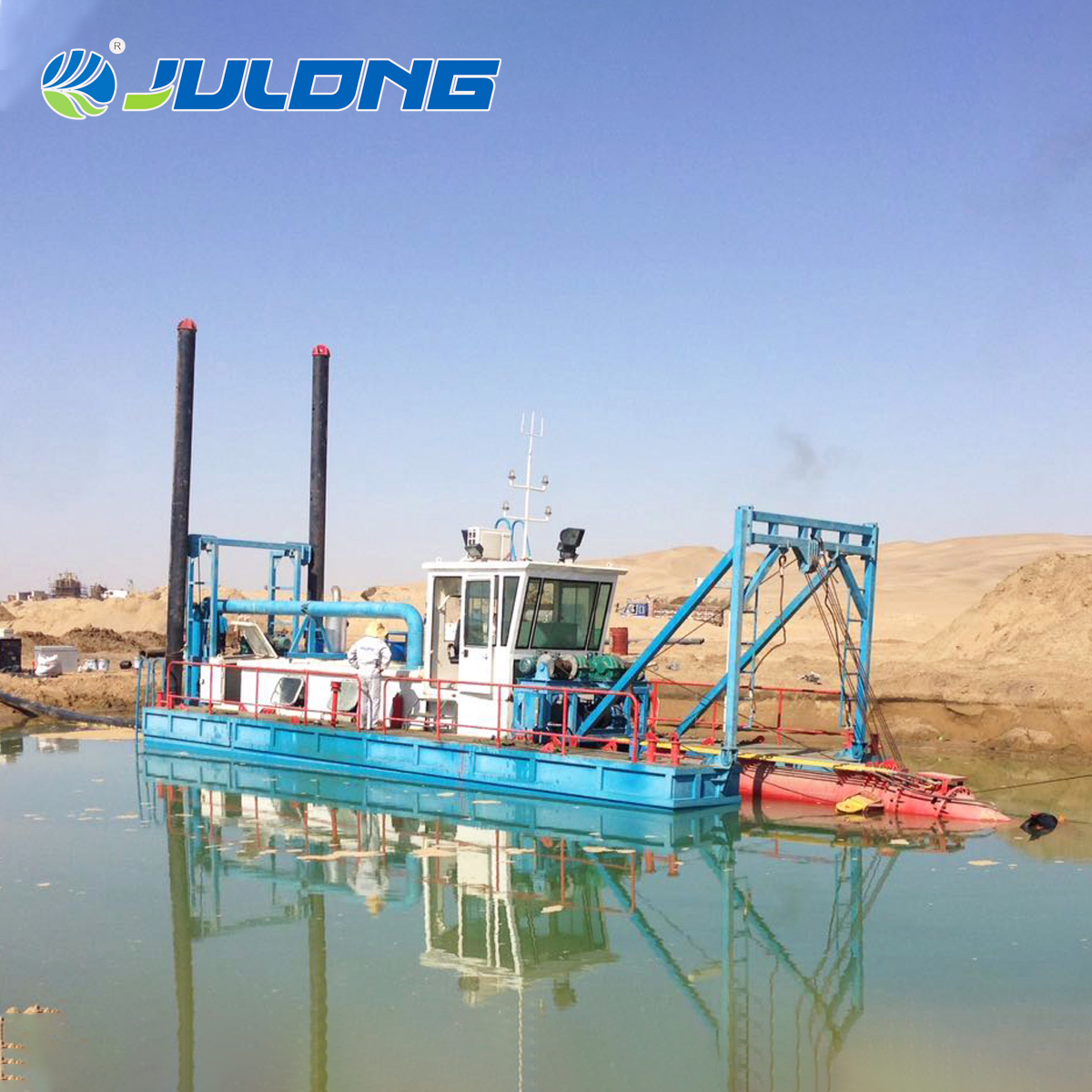
Understanding Hopper Dredger Meaning and Applications

application/hopper-dredger-meaning, application/hopper-dredger-meaning, 
Inquiry
Inquiry

Hopper dredger meaning

Hopper dredgers are specialized marine vessels designed to excavate and transport sediment from the seabed or riverbeds to designated disposal sites. Understanding the hopper dredger meaning is crucial for B2B buyers, including purchasing managers and project engineers, as they seek reliable, efficient solutions for environmental projects involving waterways. This article will delve into the quality and reliability of hopper dredgers, their applications, cost considerations, installation guidance, and how to find the right manufacturer

Key Applications of Hopper Dredgers in Environmental Projects

Key Applications of Hopper Dredgers in Environmental Projects

Hopper dredgers find extensive applications in environmental projects, particularly in the maintenance and rehabilitation of waterways. They are instrumental in dredging operations aimed at improving water quality, enhancing navigation, and restoring aquatic habitats. Some common applications include

Sediment Removal: Dredgers are used to remove excess sediment that can obstruct navigation channels or harm aquatic ecosystems

Beach Nourishment: By transporting sand from the seabed, hopper dredgers can replenish eroded beaches, supporting coastal protection and tourism

Land Reclamation: In urban development, dredgers can play a crucial role in creating new land by transporting material to fill in low-lying areas

Environmental Restoration: Dredging can remove contaminated sediments, aiding in the restoration of natural habitats and improving ecosystem health

Understanding these applications helps buyers identify the right dredger or cutter dredger for their specific project needs and ensures they choose equipment that aligns with their environmental goals

Cost Factors to Consider When Purchasing Hopper Dredgers

Cost Factors to Consider When Purchasing Hopper Dredgers

The cost of a hopper dredger or marine dredger can vary significantly based on several factors. Key considerations include

Size and Capacity: Larger vessels with higher capacities typically command higher prices. Buyers must evaluate their project's requirements to select an appropriately sized dredger

Customization: Custom features, such as specialized dredging equipment or enhanced automation systems, can increase costs. Buyers should discuss customization options with manufacturers to understand how these features impact pricing

Operational Costs: Beyond the initial purchase price, operational costs such as fuel efficiency, maintenance requirements, and crew training should be factored in. Selecting a dredger with efficient fuel consumption can lead to substantial long-term savings

Warranty and Support: A reliable manufacturer should offer warranties and support services, which can affect overall costs. Understanding the terms of service can help buyers make informed decisions

Engaging in thorough market research and obtaining multiple quotes can assist buyers in making cost-effective choices while ensuring they receive high-quality dredging solutions

Installation Guidance for Efficient Use of Hopper Dredgers

Installation Guidance for Efficient Use of Hopper Dredgers

Proper installation is critical for the efficient use of hopper dredgers. Buyers should consider the following steps to ensure optimal performance

Site Assessment: Conduct a thorough site assessment to identify the conditions in which the dredger will operate. Factors such as water depth, sediment type, and environmental regulations should be evaluated

Training and Familiarization: Operators must receive adequate training on the dredger's systems and controls. Familiarity with the equipment can significantly enhance operational efficiency and safety

Regular Maintenance Schedule: Establishing a maintenance schedule is essential for preventing breakdowns and ensuring consistent performance. This includes routine inspections of mechanical and hydraulic systems, as well as monitoring wear parts

Testing Before Full Operation: Before commencing full-scale operations, conduct a series of test runs. This allows operators to identify any potential issues and adjust settings accordingly to enhance efficiency

By following these guidelines, buyers can maximize the performance and longevity of their hopper dredgers, reducing downtime and maintenance costs

Finding the Best Hopper Dredger Manufacturer

Choosing the right manufacturer for hopper dredgers is crucial for successful project execution. Here are some tips to guide buyers in their selection process

Evaluate Experience and Expertise: Look for manufacturers with a proven track record in producing hopper dredgers. Experience in similar projects can indicate reliability and product quality

Assess Manufacturing Capabilities: Investigate the manufacturer’s facility and production capabilities. A company that employs advanced manufacturing processes and quality control measures is more likely to produce durable and efficient dredgers

Review Certifications: Ensure that the manufacturer holds relevant certifications, such as ISO and CE. These certifications reflect compliance with international standards and can serve as a quality assurance measure

Request References and Case Studies: Ask for references from previous clients and case studies of past projects. This can provide insight into the manufacturer’s ability to meet deadlines, provide support, and deliver high-quality products

Consider After-sales Support: A reputable manufacturer should offer comprehensive after-sales support, including technical assistance, spare parts availability, and maintenance services

By carefully evaluating these criteria, buyers can find a trustworthy manufacturer that meets their specific needs for hopper dredger or water injection dredgers, ensuring successful project outcomes

Evaluating Quality and Reliability in Hopper Dredgers

When assessing hopper dredgers, quality and reliability are paramount. Key specifications to consider include the dredger's capacity, build materials, and engine power. A robust hull constructed from high-strength steel is essential for durability, especially in harsh marine environments

Buyers should also examine the dredging equipment's hydraulic systems, which must function efficiently under varying pressures and loads. It's advisable to request detailed specifications and test results to determine the equipment's operational efficiency. A reliable dredger should have a proven track record in similar environmental projects, as evidenced by customer testimonials and case studies

Moreover, ISO and CE certifications can provide reassurance regarding the manufacturing quality and adherence to international safety standards. Understanding these aspects can help buyers avoid costly issues related to subpar performance or premature wear

Frequently Asked Questions

What is a hopper dredger?

A hopper dredger is a vessel that excavates and stores dredged material in onboard hoppers for transport and disposal, typically used in port, river, and coastal maintenance.
It uses suction or mechanical tools to collect sediment, pumps it into enclosed hoppers, then sails to a disposal site to dump or pump out the material.
Ideal for port maintenance, channel deepening, beach nourishment, and moderate river or coastal dredging where transported disposal is needed.
Capacities vary by design; smaller units suit local projects while larger units handle bulk work. Efficiency depends on sediment type, distance to disposal, and vessel specifications.
We specialize in dredging equipment and offer consultation, custom solutions, and after-sales support, backed by ISO/CE certification and a 12,000 m² facility.

Get a Free Quote

Our representative will contact you soon.
0/1000