A Comprehensive Guide
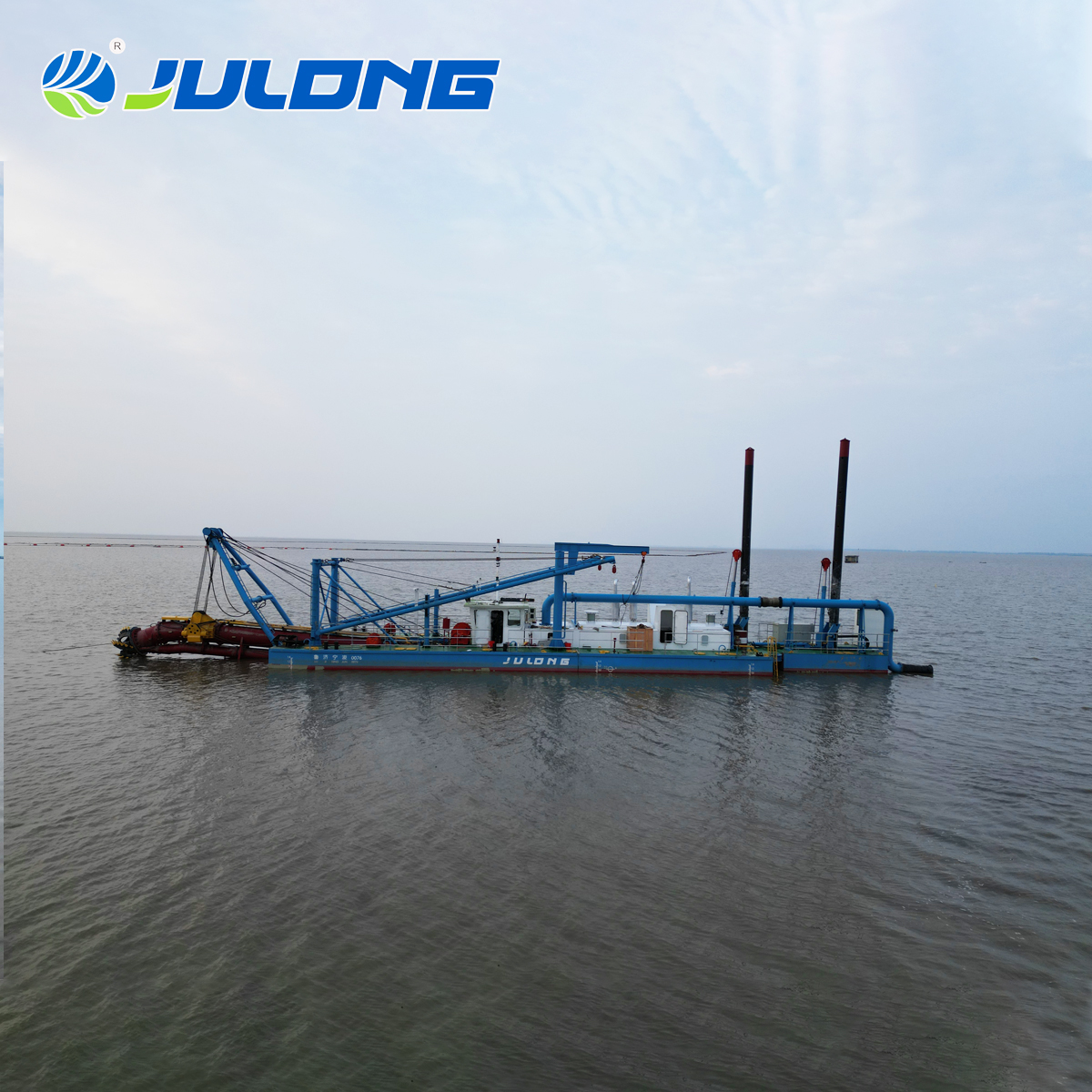
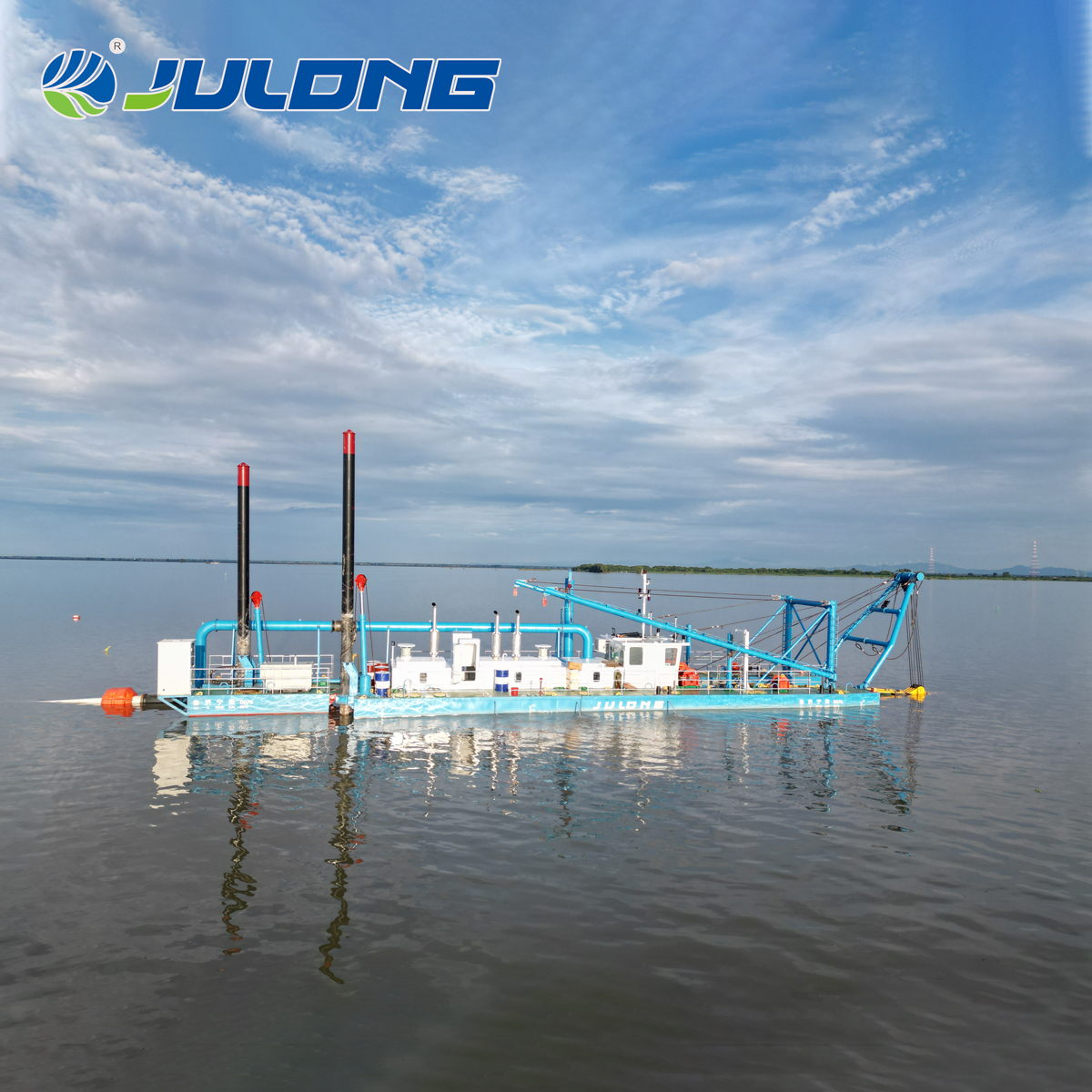
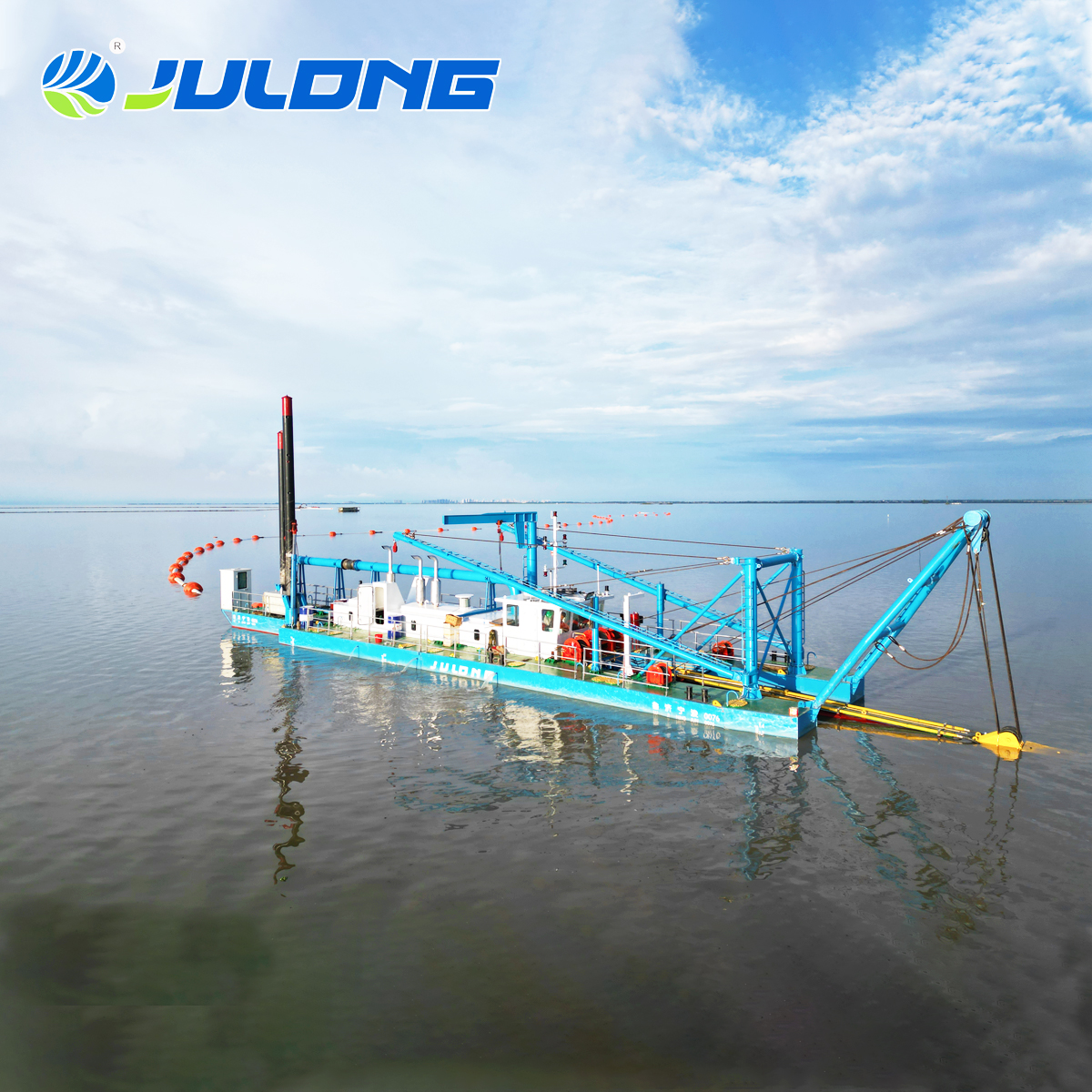
A comprehensive understanding of cutter dredgers involves exploring their components, operational mechanisms, and the benefits they provide to various projects.
Components of Cutter Dredgers
Cutter Head: This is the primary tool for breaking up sediment. Different designs (such as bucket wheel or auger-style cutters) offer varying effectiveness based on the material being dredged.
Suction System: The suction system transfers the dredged material to a discharge point. An efficient suction system minimizes the risk of clogging and improves operational efficiency.
Hull Design: The shape and size of the hull affect maneuverability and stability during operations. A wider hull can enhance stability but may reduce speed.
Control Systems: Modern cutter dredgers often feature advanced control systems that allow operators to monitor and adjust performance in real-time, contributing to better efficiency and safety.
Operational Mechanisms
Cutter dredgers operate by utilizing a rotating cutter head to break apart sediment, which is then sucked through a pipeline to a designated disposal area. Understanding the dredging process helps buyers appreciate the importance of each component and its role in ensuring effective operation.
Benefits of Cutter Dredgers
Cutter dredgers offer several advantages, including:
Versatility: Suitable for various materials, including sand, silt, and clay. Efficiency: Capable of removing large volumes of material quickly. Adaptability: Can be used in different environments, including shallow waters.
Understanding the comprehensive capabilities of cutter dredgers enables buyers to make informed decisions based on their project requirements.
 EN