Choosing the Right Gold Mine Dredge for Your Needs

application/gold-mine-dredge, application/gold-mine-dredge, 
Inquiry
Inquiry

Gold mine dredge

Gold mine dredges play a crucial role in the extraction of gold from rivers, lakes, and other water bodies. These specialized machines are designed to efficiently and effectively remove sediments and materials to uncover valuable resources. B2B buyers, including purchasing managers and project engineers, typically have concerns about the dredge's efficiency, durability, and suitability for their specific project needs. This article will guide you in selecting the right gold mine dredger, evaluating its quality, understanding cost factors, and addressing common issues that may arise during operation. 

How to Evaluate the Quality of Gold Mine Dredges Before Buying

How to Evaluate the Quality of Gold Mine Dredges Before Buying

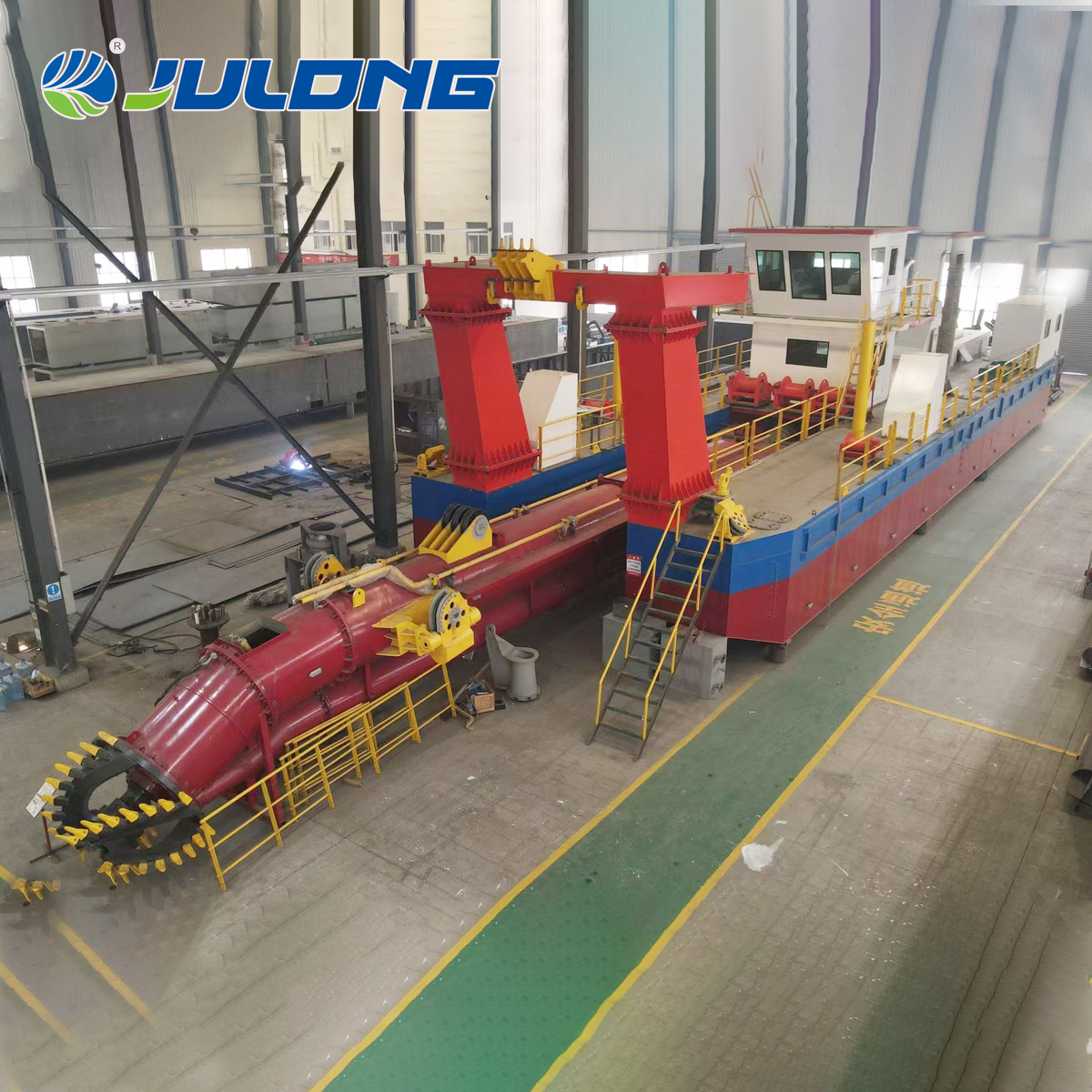
When evaluating the quality of gold mine dredges, it is essential to focus on several critical factors. First, review the materials used in construction. A robust dredge often features high-strength steel or alloy materials designed to withstand harsh operating environments. The quality of the pump and the dredging head are also crucial, as they directly affect the dredge's efficiency and longevity. 

Another vital aspect is the manufacturer's certifications, such as ISO or CE, which indicate adherence to international quality standards. Furthermore, inquire about the manufacturer's quality control processes and testing protocols to understand how they ensure the reliability and performance of their equipment. 

Conducting a thorough inspection of existing units or requesting demonstrations can provide firsthand experience of the dredge's performance. Additionally, seek feedback from previous clients or case studies that illustrate the dredge's effectiveness in similar applications. 

Best Practices

Best Practices

To maximize the effectiveness and lifespan of your gold mine dredge, follow these best practices: 

Regular Maintenance: Implement a routine maintenance schedule to check for wear and tear, especially on critical components like pumps and hoses. Addressing minor issues promptly can prevent costly breakdowns. 

Operator Training: Ensure that your operators are well-trained in the dredge's operation and maintenance. Proper training can minimize operational errors and enhance safety. 

Environmental Considerations: Be aware of local regulations regarding dredging activities. Implementing environmentally friendly practices not only ensures compliance but also enhances your company's reputation. 

Sample Testing: Before commencing large-scale dredging, conduct sample tests to evaluate sediment composition and gold concentration. This can help in adjusting operational parameters for optimal results. 

Cost Factors to Consider When Purchasing a Gold Mine Dredge

Cost Factors to Consider When Purchasing a Gold Mine Dredge

The cost of a gold mine dredge can vary significantly based on several factors. Key considerations include: 

Type of Dredge: Cutter suction dredgers typically cost more than amphibious dredgers due to their advanced technology and capabilities. 

Specifications: Higher performance specifications, such as larger pump sizes and deeper operational capacities, will increase the overall cost. 

Customization: If you require specific modifications or features to suit your project needs, this can add to the price. 

Manufacturer Reputation: Established manufacturers with a proven track record may charge more due to their reliability and warranty offerings. 

Shipping and Installation: Consider additional costs for shipping the portable dredger to your site and any installation requirements. 

Before making a purchase, it’s essential to obtain detailed quotations from multiple suppliers to compare overall value rather than just initial price. 

Common Problems with Gold Mine Dredges and Effective Solutions

Understanding common issues that may arise with gold mine dredges can help you prepare effectively and mitigate risks. Some frequent problems include: 

Clogged Pumps: Sediment and debris can clog pumps, reducing efficiency. Regular maintenance and cleaning can help prevent this issue. Additionally, ensure that the dredge is equipped with filters to minimize clogging. 

Wear and Tear: Components such as hoses and dredging heads may experience wear due to abrasive materials. Selecting high-durability materials and scheduling routine inspections can prolong component life. 

Operational Downtime: Delays can occur due to mechanical failures or improper setup. To minimize downtime, ensure that operators are trained and that there are spare parts readily available for quick replacements. 

Environmental Damage: Improper dredging techniques can lead to habitat destruction. Adhering to best practices and environmental regulations is essential to prevent negative impacts. 

By recognizing these potential challenges and implementing proactive measures, you can ensure smoother operations and more successful gold extraction endeavors. 

In summary, selecting the right gold mine dredge involves understanding your project requirements, evaluating quality and costs, and preparing for common operational challenges. By following this guide, you can make a more informed purchasing decision that aligns with your project goals. Furthermore, establishing robust risk management protocols, investing in advanced monitoring technology, and fostering strong supplier relationships will continuously protect your capital investment. Prioritizing workforce training ensures optimal safety standards while boosting daily yields. Ultimately, a balanced approach combining modern equipment, strict regulatory compliance, and rigorous preventative maintenance secures long-term profitability, maximizes resource recovery, and minimizes costly environmental liabilities in competitive mining landscapes. 

Choosing the Right Gold Mine Dredge for Your Project Needs

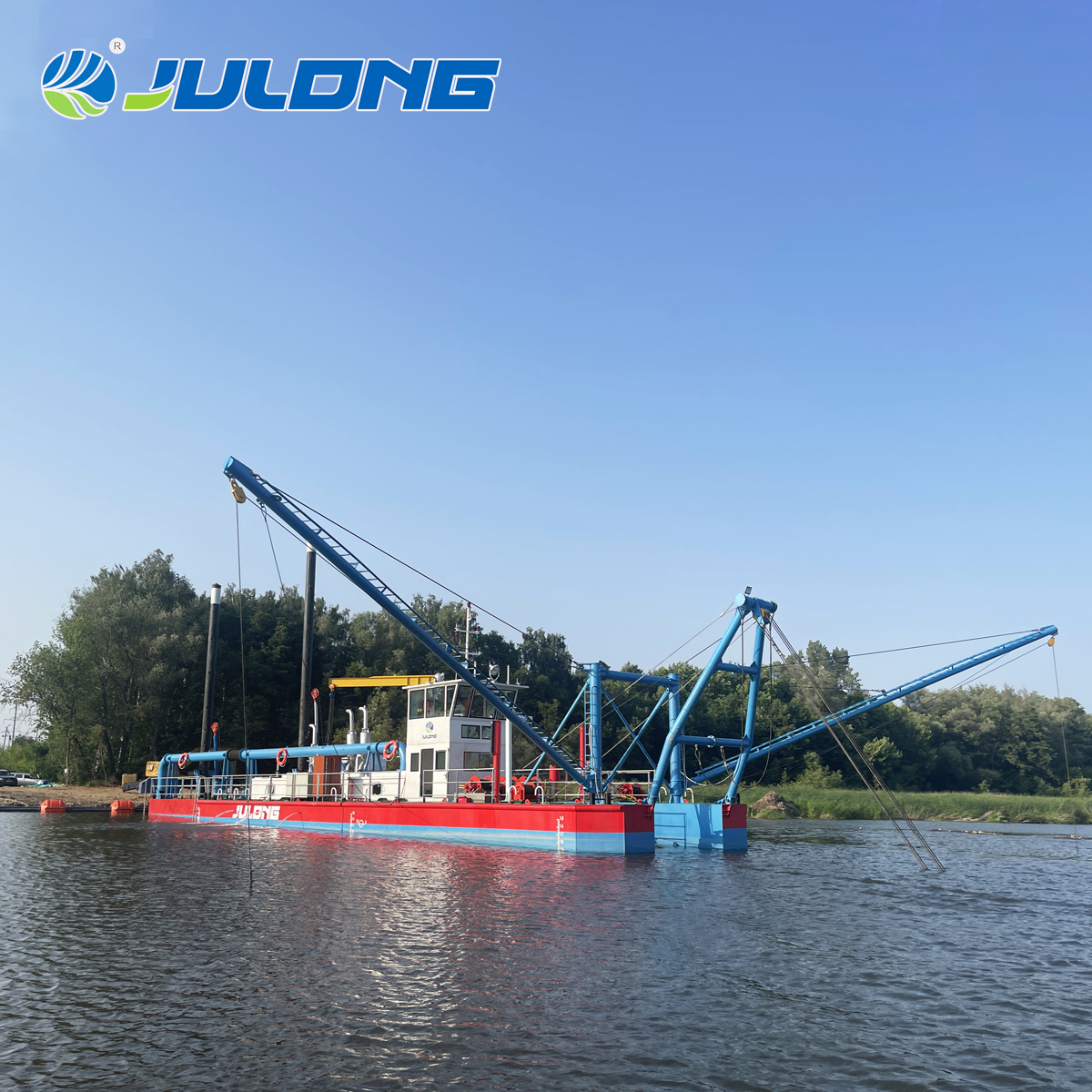
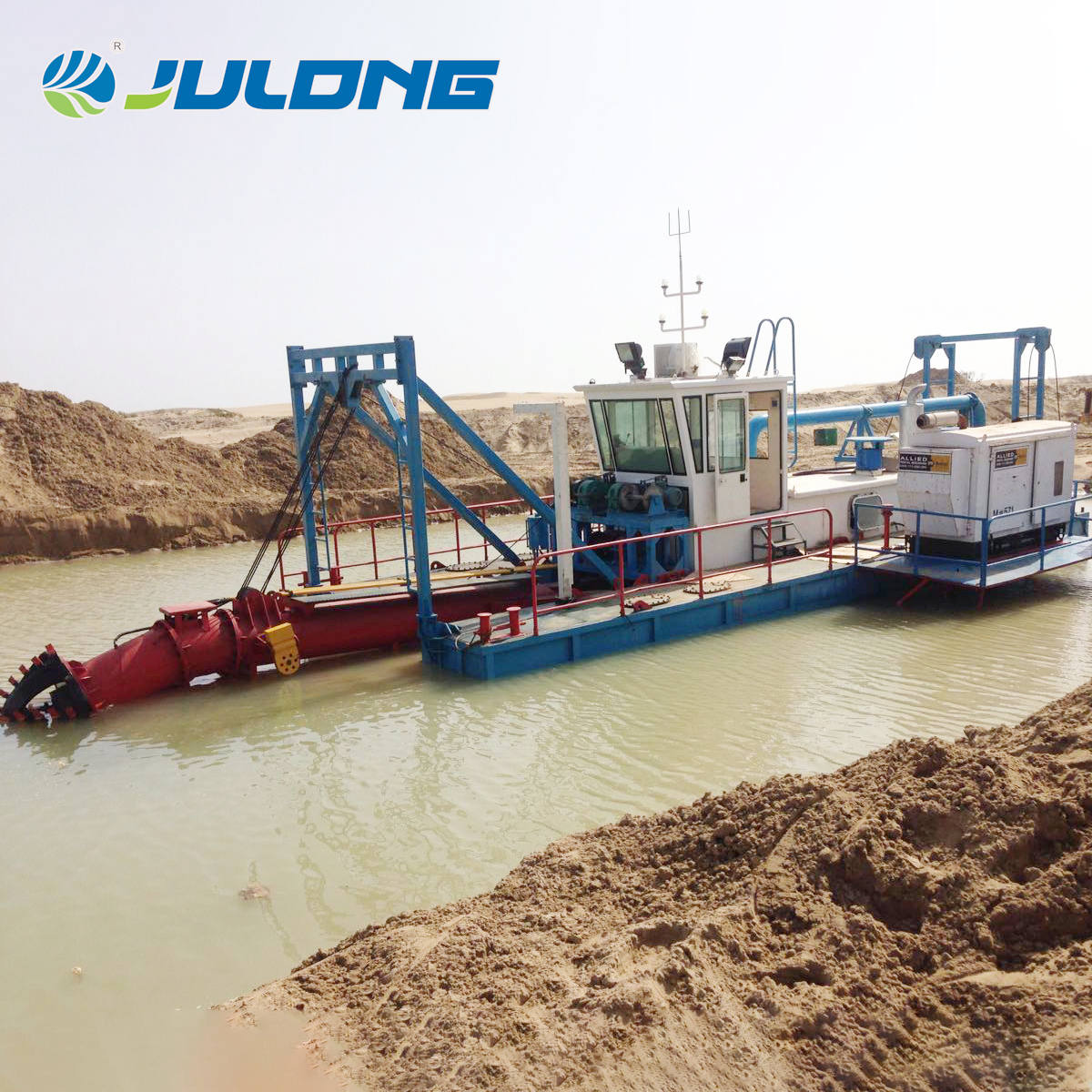
Selecting the appropriate gold mine dredge involves evaluating the specifics of your project, including the type of terrain, water depth, and sediment composition. Consider whether a cutter suction dredger or an amphibious dredger is more suitable for your operations. Cutter suction dredger are ideal for deeper waters and can handle tougher materials, while amphibious dredgers excel in shallow, marshy areas. 

You should also assess the dredge's operational capacity, including its suction power, pump size, and the maximum depth it can operate in. Understanding your gold extraction goals and project timeline will help in determining the necessary specifications. Additionally, consider the dredgers mobility and whether it can be transported easily to various project sites. 

Frequently Asked Questions

What is the gold mine dredge used for?

Our gold mine dredge is designed for efficient suction and recovery of placer gold from rivers, lakes, and ports, combining excavation, separation, and transport functions for continuous mining operations.
We hold ISO and CE certifications; our dredges are built to rigorous quality controls in a 12,000 m² facility to ensure durability and reliable field performance.
We offer a range of cutter suction and amphibious dredge models with various pump sizes, cutter heads, and discharge capacities to suit small to large gold recovery projects.
Yes. We provide customization for hull type, cutter gear, power configuration, and separation systems to meet unique river, lake, or port site requirements.
We provide installation guidance, operator training, spare parts supply, and global technical support to ensure efficient operation and minimal downtime.

Get a Free Quote

Our representative will contact you soon.
0/1000