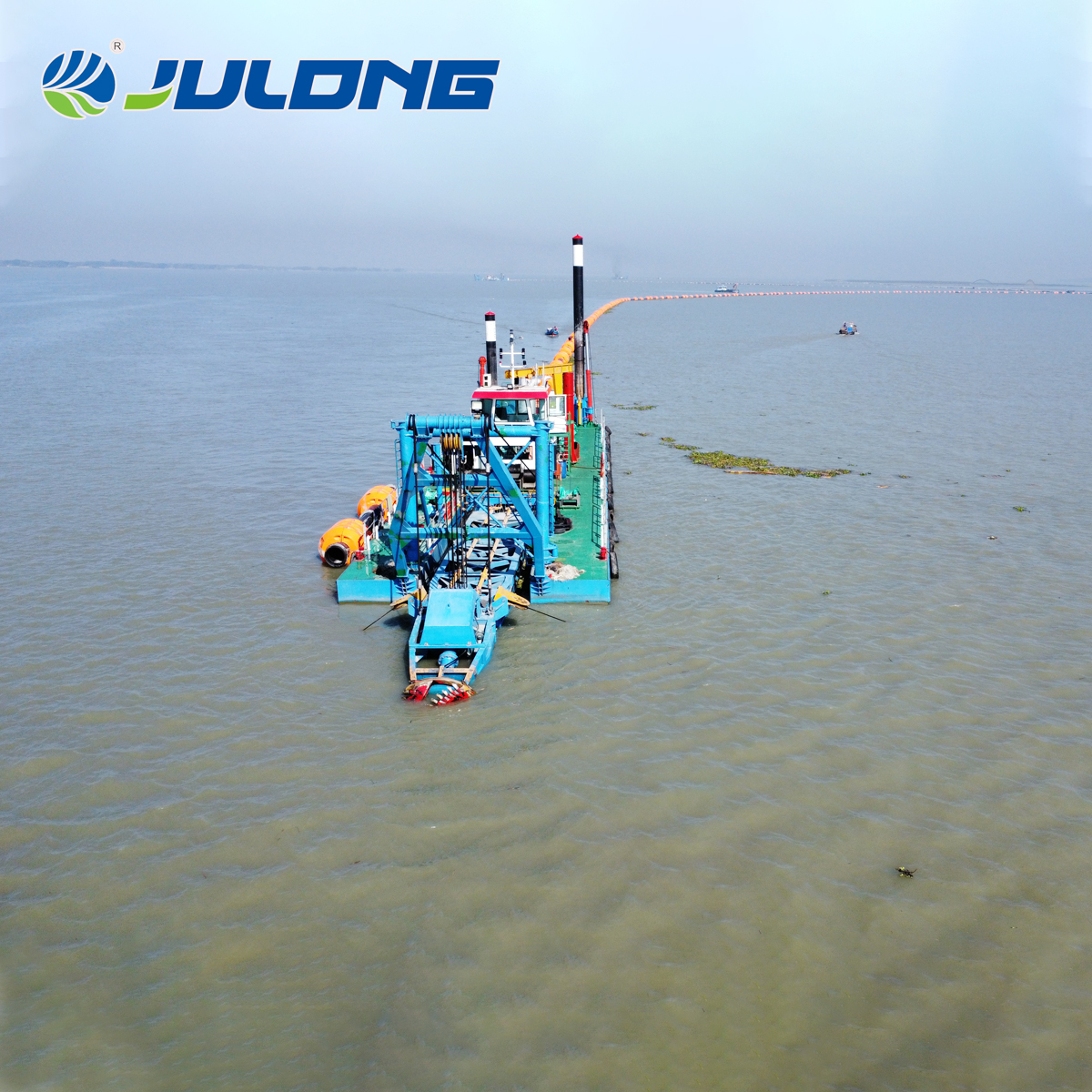
Key Considerations for Dredging Sea Equipment

application/dredging-sea, application/dredging-sea, 
Inquiry
Inquiry

Dredging sea

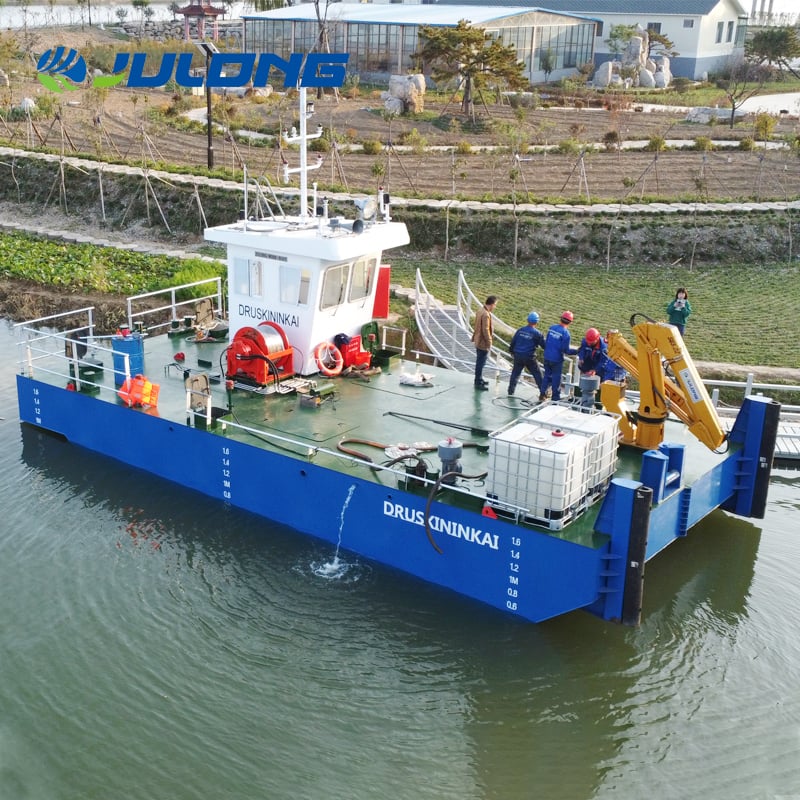
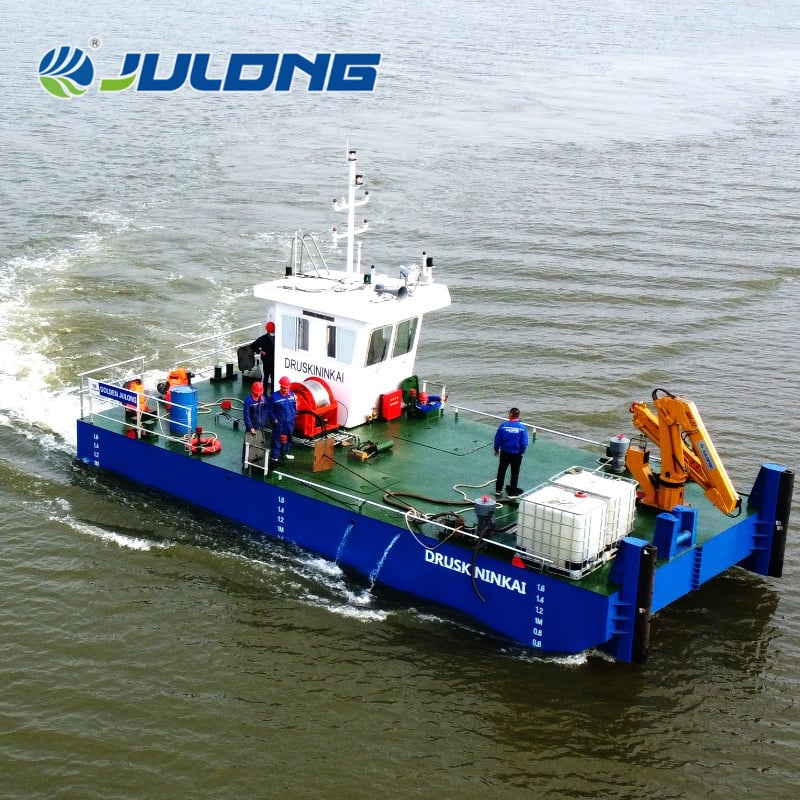
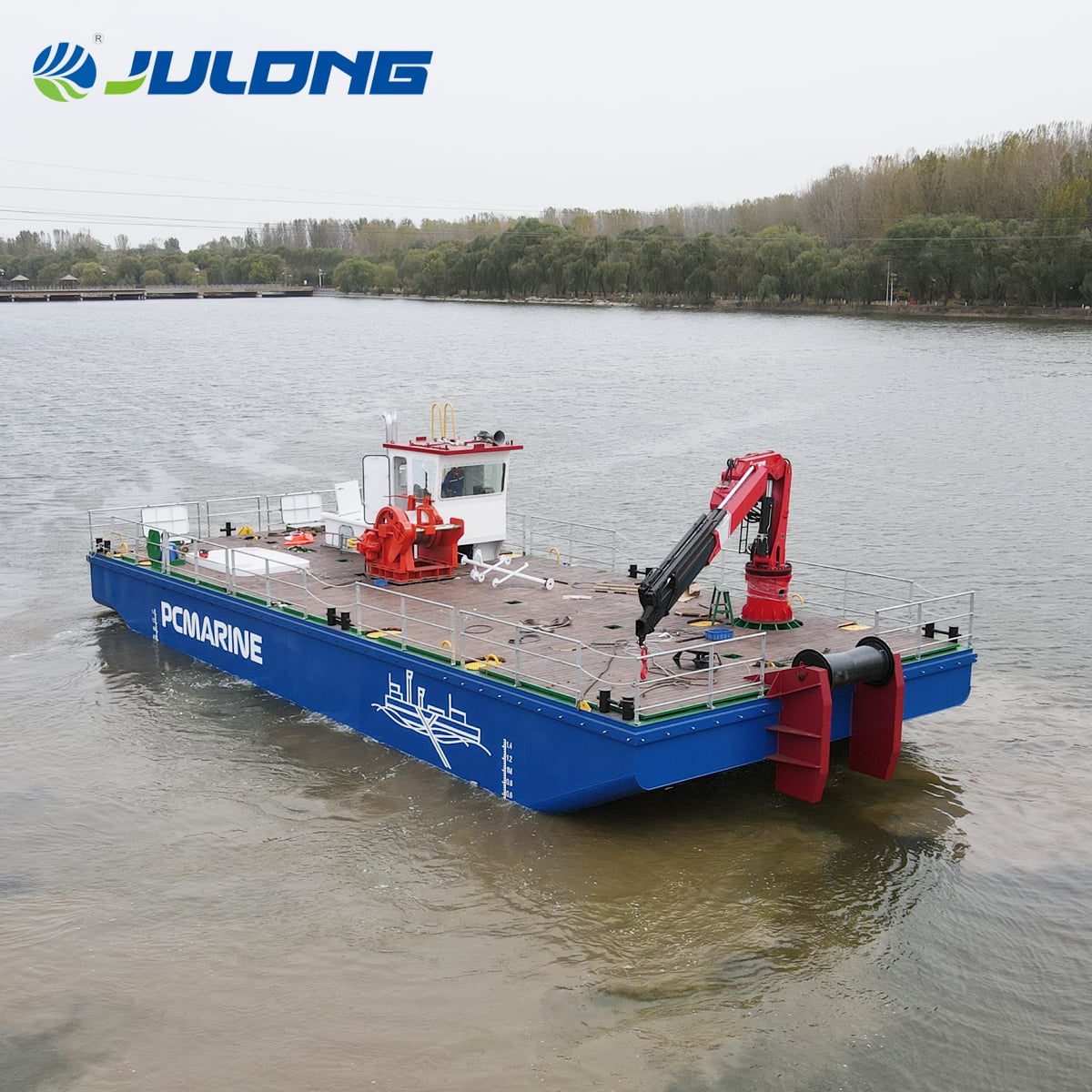
Dredging is a critical operation in various waterways, involving the removal of sediment and debris to maintain navigability and improve water quality. For B2B buyers focused on dredging sea projects, understanding the specifications and capabilities of dredging equipment is paramount. This article will address essential considerations when purchasing dredging machinery, including key specifications, features and benefits, quality control standards, installation guidance, and important buyer insights. 

Features and Benefits

Features and Benefits

Understanding the features of dredging machinery can help buyers recognize the benefits these machines can bring to their operations. 

Durability: High-quality materials and robust engineering ensure that dredging equipment can withstand harsh marine environments. Durable dredgers reduce operational costs by minimizing downtime and maintenance. 

Efficiency: Advanced dredging machinery systems with optimized designs enhance fuel efficiency and reduce operational costs. Features such as automatic depth control and efficient pump systems can significantly improve productivity. 

Safety Features: Safety is paramount in dredging operations. Equipment with built-in safety features, like emergency shut-off systems and stable operational designs, can mitigate risks associated with dredging activities. 

Customization Options: Many manufacturers, including Qingzhou JULONG Environmental Technology Co., Ltd., offer customization options to tailor dredgers for specific applications. Custom features can help optimize performance and meet unique project requirements. 

Environmental Considerations: Modern dredging machinery are designed with environmental regulations in mind. Eco-friendly features can minimize disturbances to marine ecosystems, making them suitable for projects that require adherence to environmental standards. 

Quality Control Standards for Dredging Machinery Suppliers

Quality Control Standards for Dredging Machinery Suppliers

Quality control is essential when selecting a dredging machinery supplier. Buyers should consider the following standards: 

ISO/CE Certifications: These certifications indicate that the manufacturer adheres to internationally recognized quality and safety standards. Buyers should verify that the supplier holds relevant certifications to ensure product reliability. 

Manufacturing Processes: Understanding the manufacturing processes employed by the supplier helps assess the quality of the equipment. Suppliers with advanced production technology and stringent quality checks can produce more reliable and durable products. 

Testing Protocols: Ensure the supplier conducts thorough testing of their equipment. This includes performance tests under various conditions to confirm that the machinery meets specified operational standards. 

After-Sales Support: A strong after-sales support system is vital for long-term operations. Buyers should seek suppliers who offer maintenance services, spare parts availability, and technical support to ensure the longevity of the dredging machinery. 

Installation Guidance for Efficient Dredging Operations

Installation Guidance for Efficient Dredging Operations

Proper installation is crucial for maximizing the performance of dredging machinery. Here are key considerations: 

Site Assessment: Conducting a comprehensive site assessment helps identify specific installation requirements based on local conditions, water depth, and sediment types. This knowledge enables better planning for equipment positioning and operational efficiency. 

Training for Operators: Ensuring that operators are trained on the specific machinery is essential. Training programs provided by the supplier can enhance operators' efficiency and safety during dredging operations. 

Installation Procedures: Follow the manufacturer’s installation guidelines closely. Proper setup, including anchoring systems and pump alignment, is critical to avoid operational issues and ensure optimal performance during dredging. 

Initial Testing: Before commencing full operations, conducting initial testing of the equipment can help identify any potential issues. This step allows for adjustments to be made to optimize performance based on real-world conditions. 

What Buyers Should Know

B2B buyers should keep several important factors in mind when purchasing dredging machinery: 

Quotation Preparation: When requesting a quotation, provide detailed specifications including dredging depth, material type, and project timeline. This information helps suppliers offer tailored solutions. 

Sample Approval: Before mass production, buyers should consider approving a finished sample of the hydraulic dredging equipment to confirm dimensions, capabilities, and performance under expected operational conditions. 

Pricing Factors: Understand that pricing can vary based on specifications, customization, and additional features. Buyers should assess the total cost of ownership, including maintenance and operational costs, rather than focusing solely on the initial purchase price. 

Lead Times: Inquire about lead times and production schedules, especially for customized equipment. Knowing the expected delivery date helps in planning project timelines effectively. 

Supplier Evaluation: Assess potential suppliers based on their reputation, experience, and customer feedback. A reliable supplier can significantly impact the success of dredging operations. 

By focusing on these aspects, buyers can make informed decisions when investing in dredging sea equipment, ensuring they select machinery that meets their operational needs and stands the test of time. 

Key Specifications to Consider for Bulk Dredging Purchases

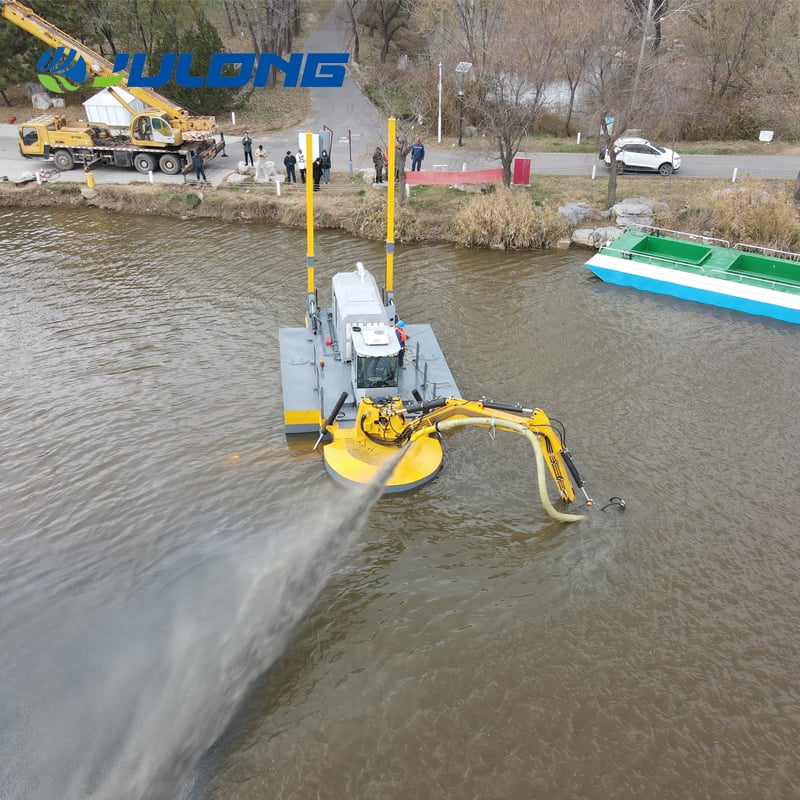
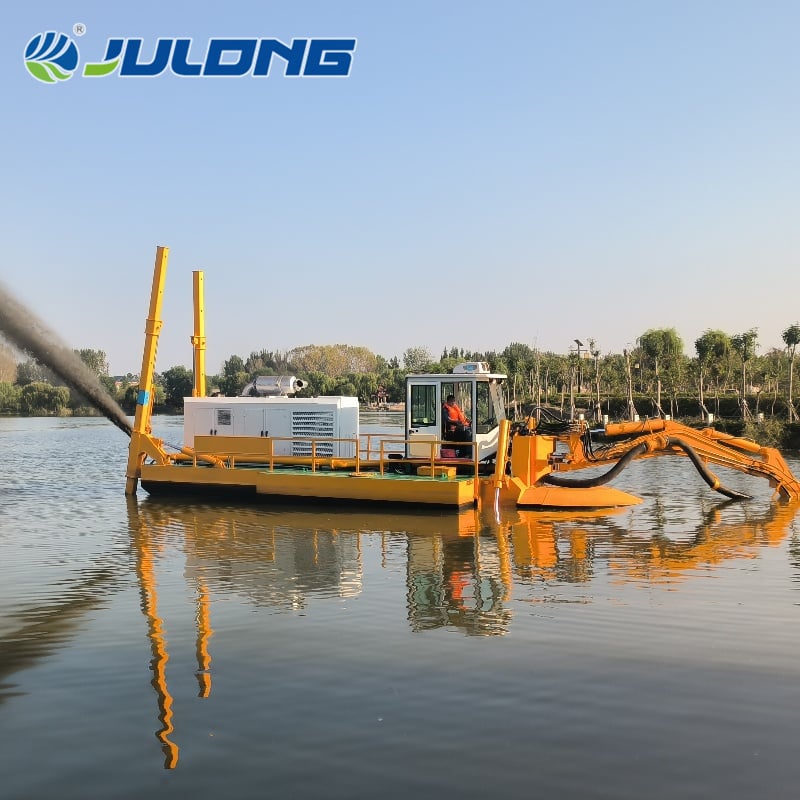
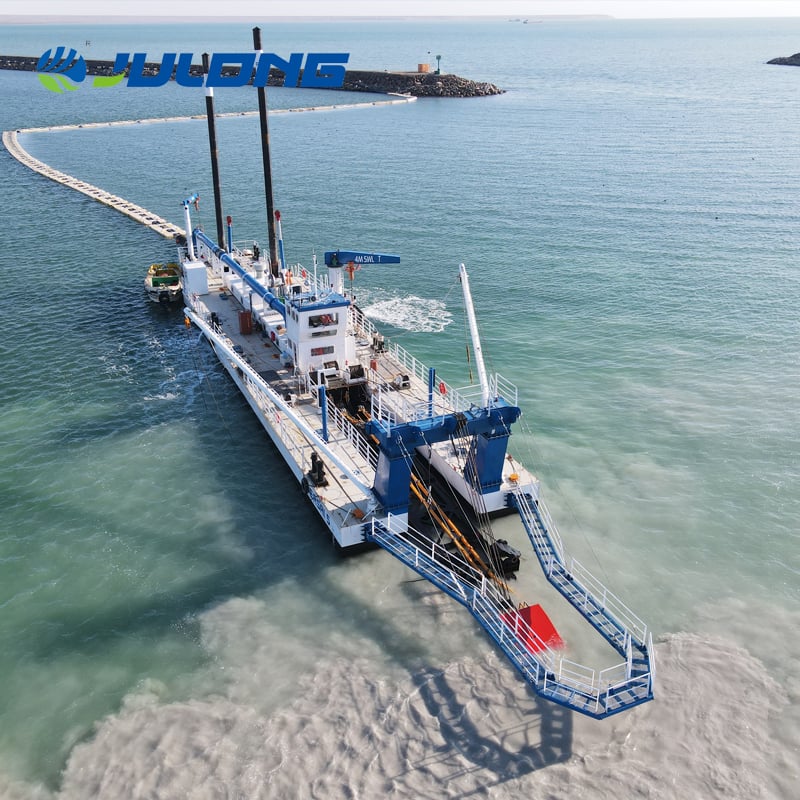
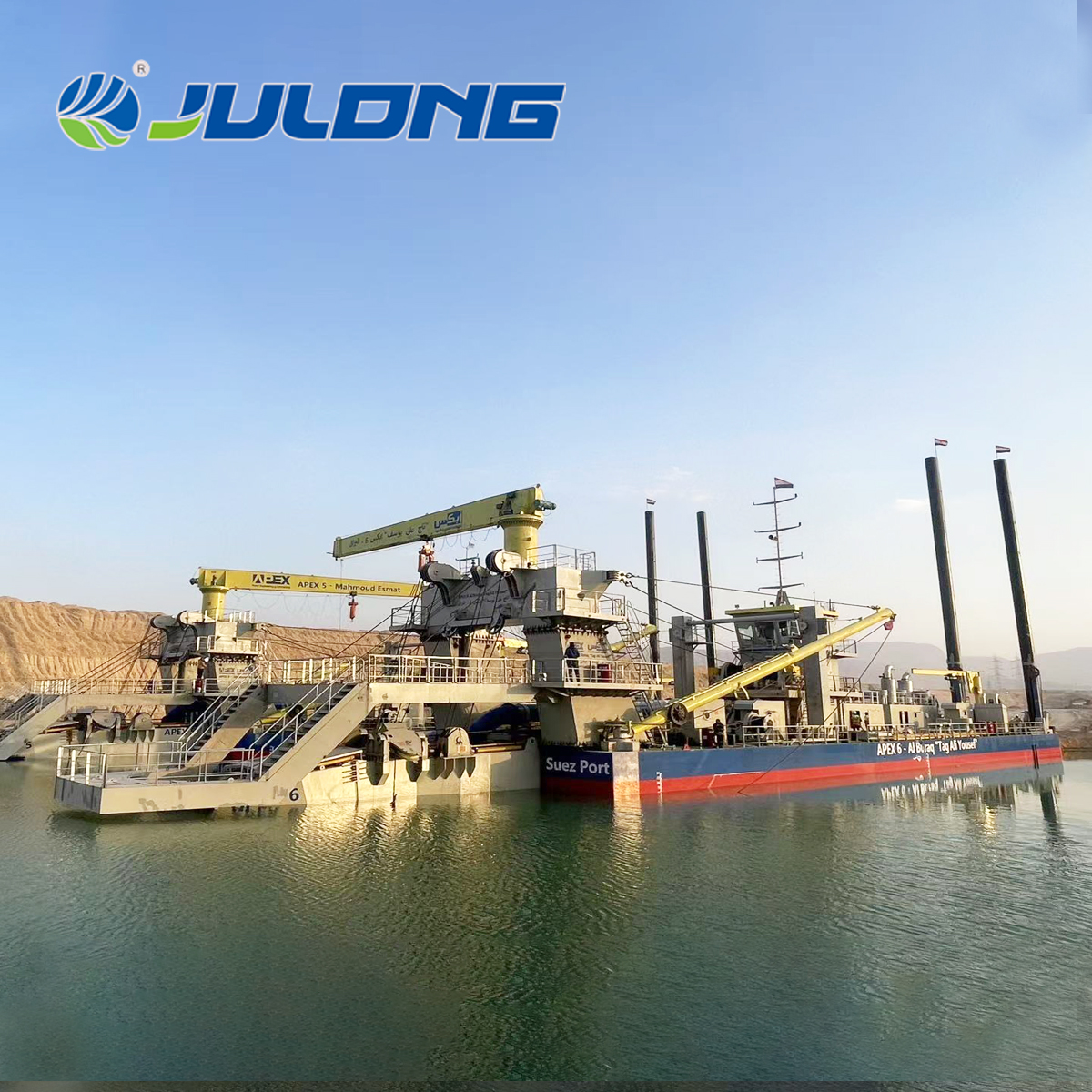
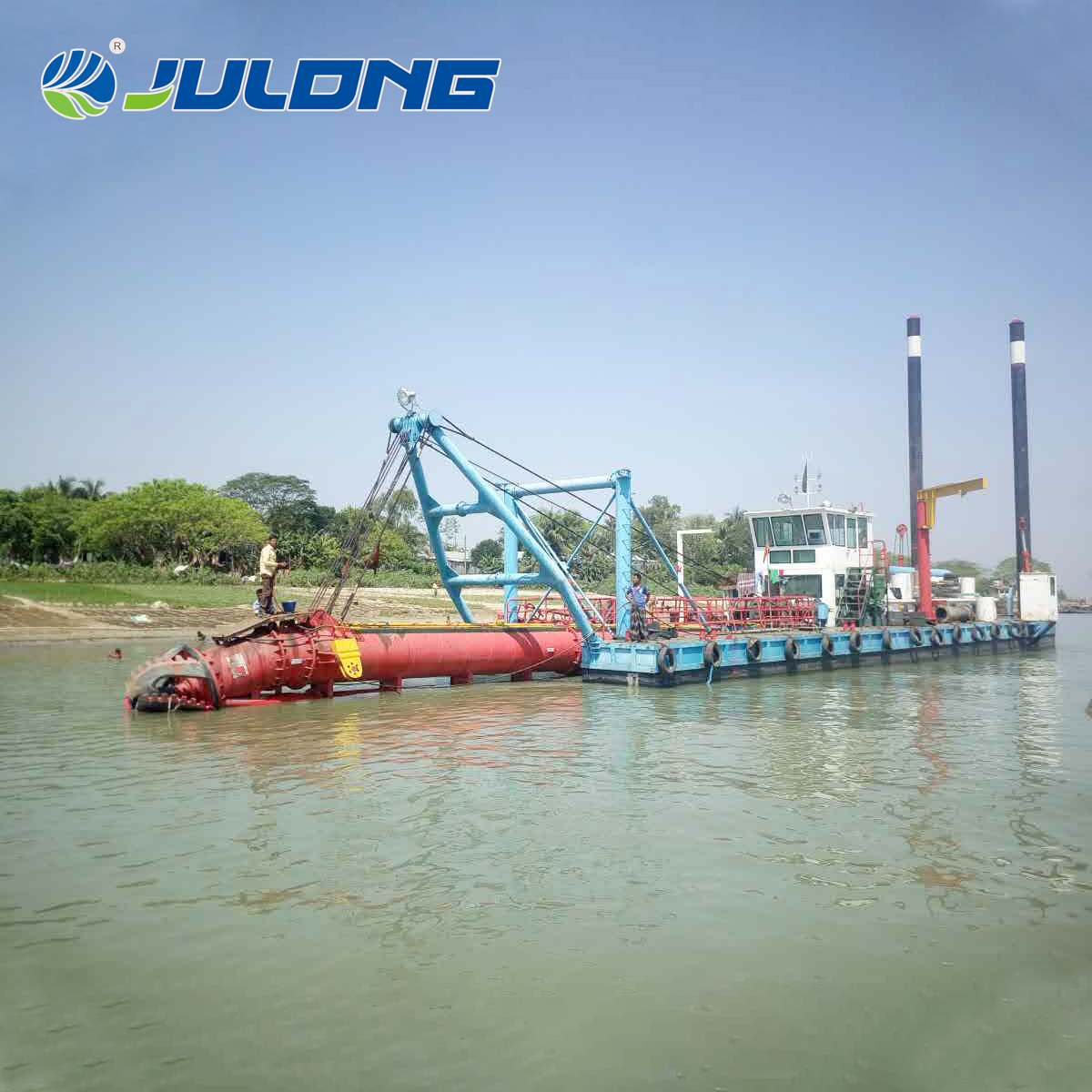
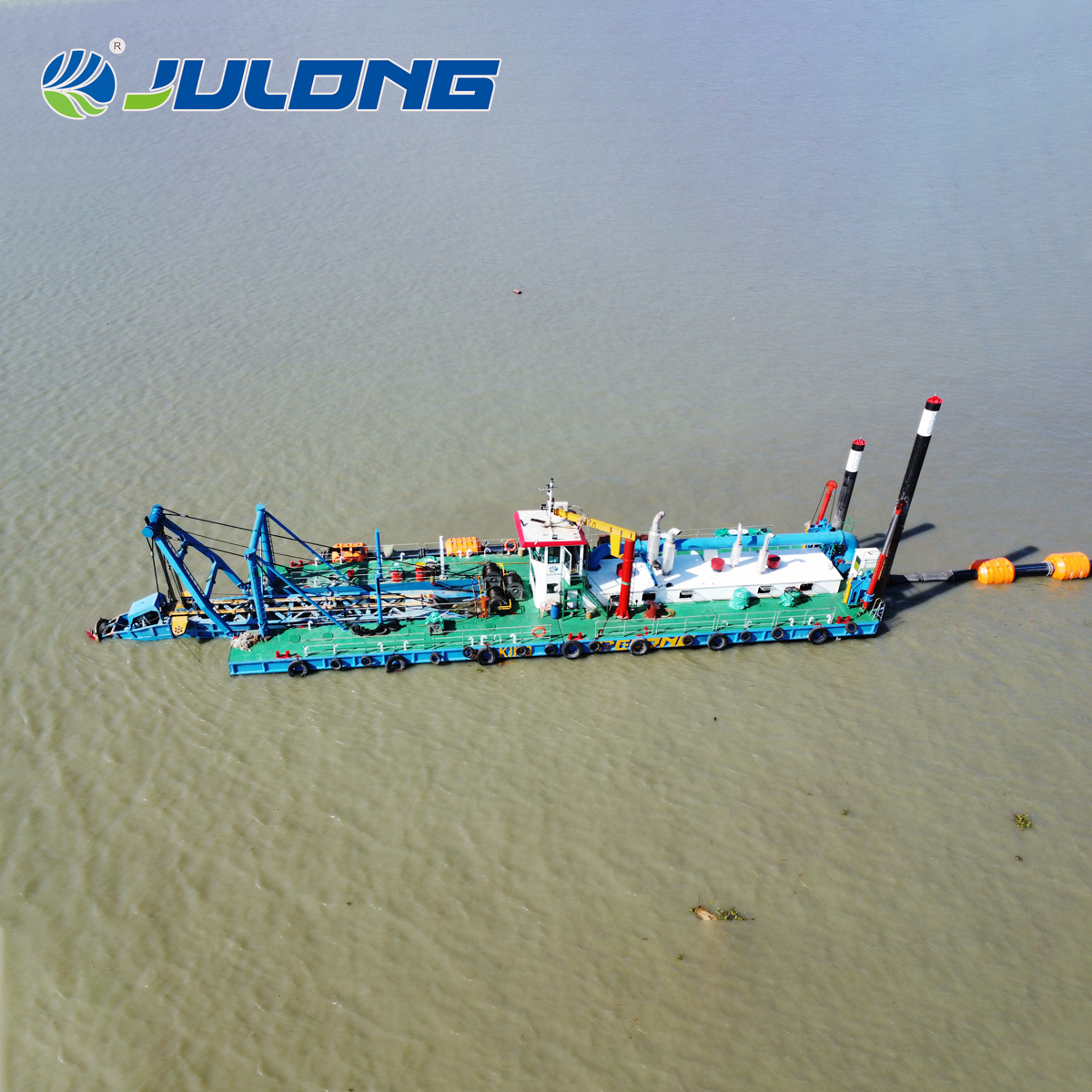
When evaluating dredging machinery, particularly cutter suction dredgers and amphibious dredgers, buyers should focus on several key specifications that influence performance and application suitability. 

Dredging Depth and Width: These specifications determine the capacity of the dredger to handle specific projects. Buyers should assess the maximum dredging depth required for their operations, as well as the width of the dredging path to ensure compatibility with project needs. 

Power Requirements: The power of the dredging machinery affects its performance. Higher horsepower often translates to increased efficiency and the ability to work in tougher conditions. Buyers should confirm the power output and engine type to match the operational demands. 

Pump Capacity: The pumping capacity, typically measured in cubic meters per hour, indicates how much material can be moved. Buyers should select dredgers with pump capacities aligned with project timelines and material types, ensuring they can meet operational demands. 

Material Handling: The type of materials to be dredged such as sand, silt, or clay affects the choice of dredging machinery. Buyers should consider the dredger's ability to handle different sediment types and any special features that enhance its efficiency in specific materials. 

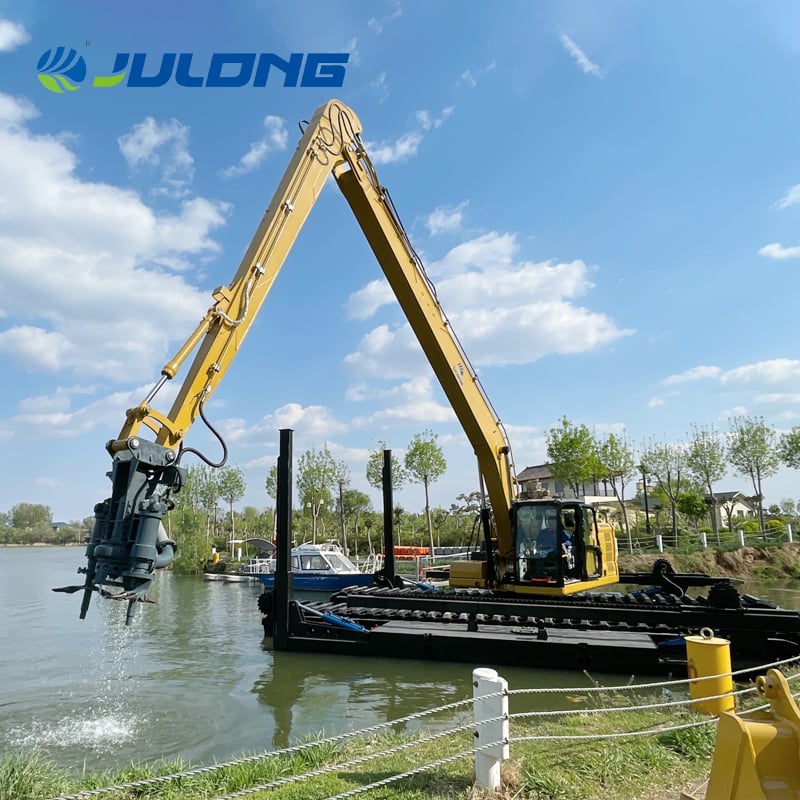
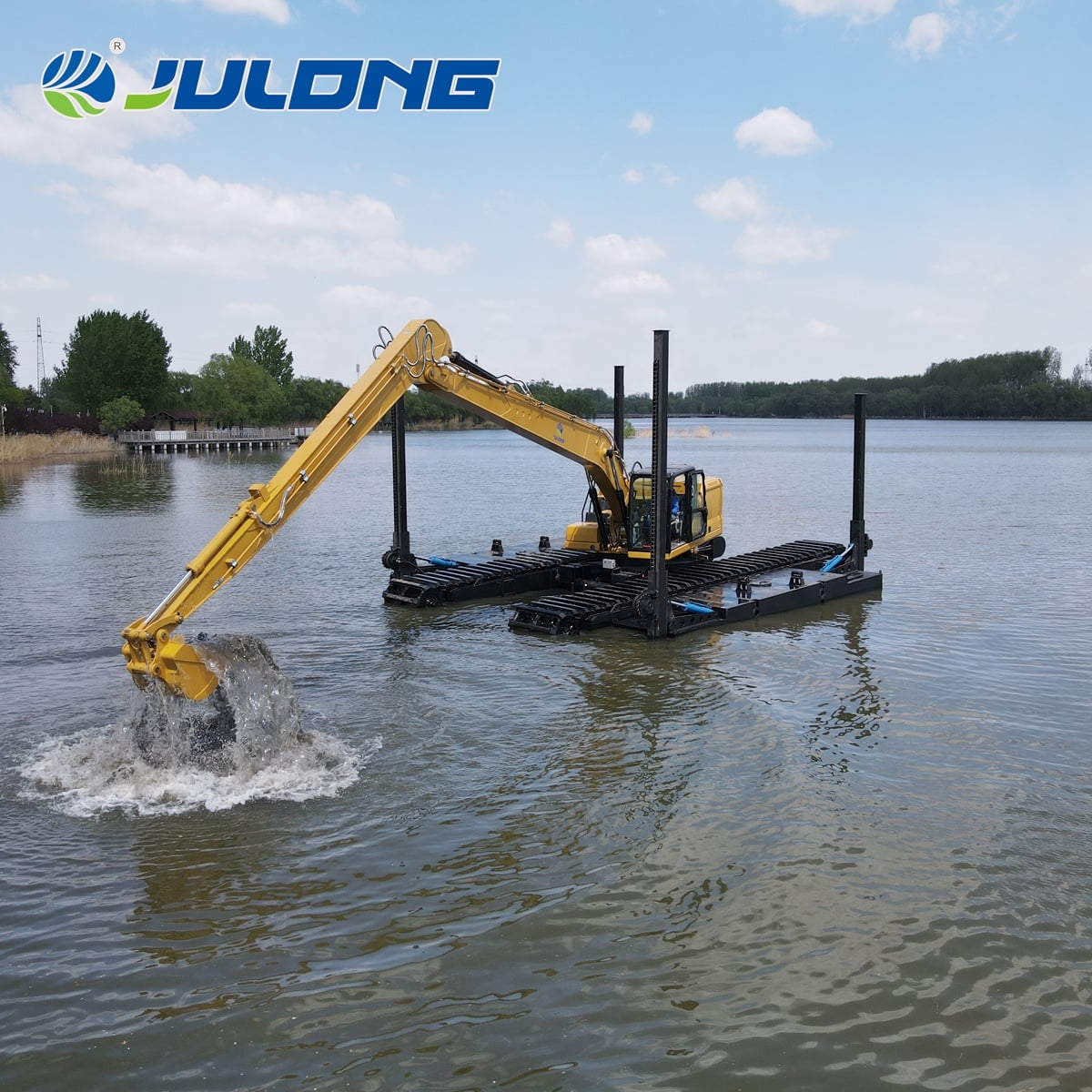
Transportation and Mobility: Depending on the project, the dredger’s mobility can be crucial. Amphibious dredgers offer versatility when navigating land and water, while traditional cutter suction dredgers may be suited for deep water projects. Buyers should evaluate the transportation and mobility capabilities of the equipment. 

Frequently Asked Questions

What is the Dredging sea used for?

Dredging sea is used for seabed excavation, channel maintenance, port deepening, and sediment removal in marine and coastal projects.
We offer cutter suction dredgers, amphibious dredgers, and excavator-based dredging solutions for various depths and soil conditions.
Yes. Our equipment holds ISO and CE certifications and is built for durability and efficient operation in harsh marine environments.
We provide project consultation, customization, installation guidance, spare parts, and technical support from our 12,000 m² facility.
We serve 93 countries with scalable production capacity and global shipping coordination to meet international project timelines.

Get a Free Quote

Our representative will contact you soon.
0/1000