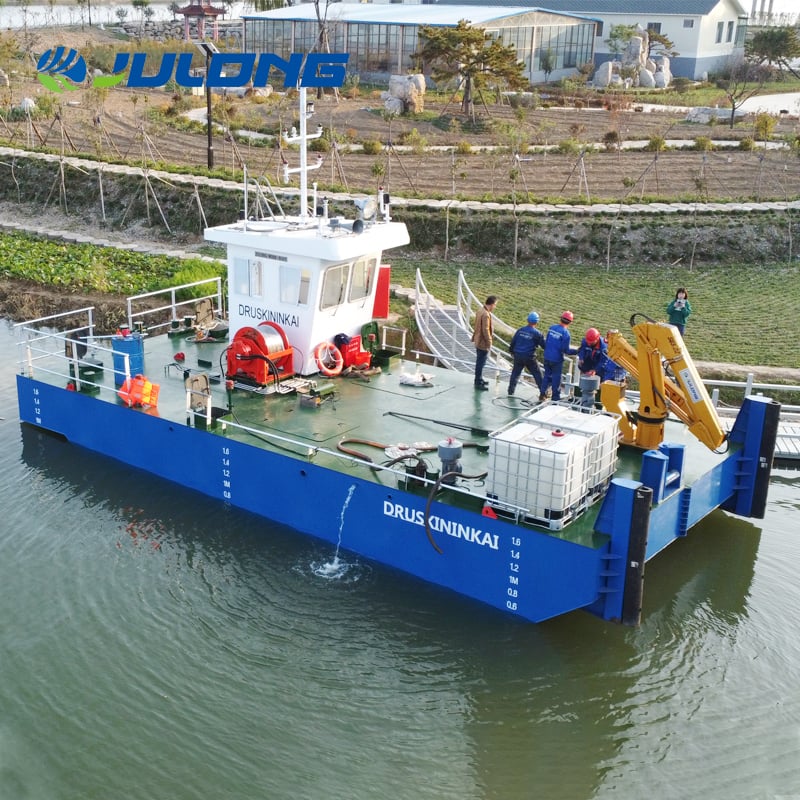
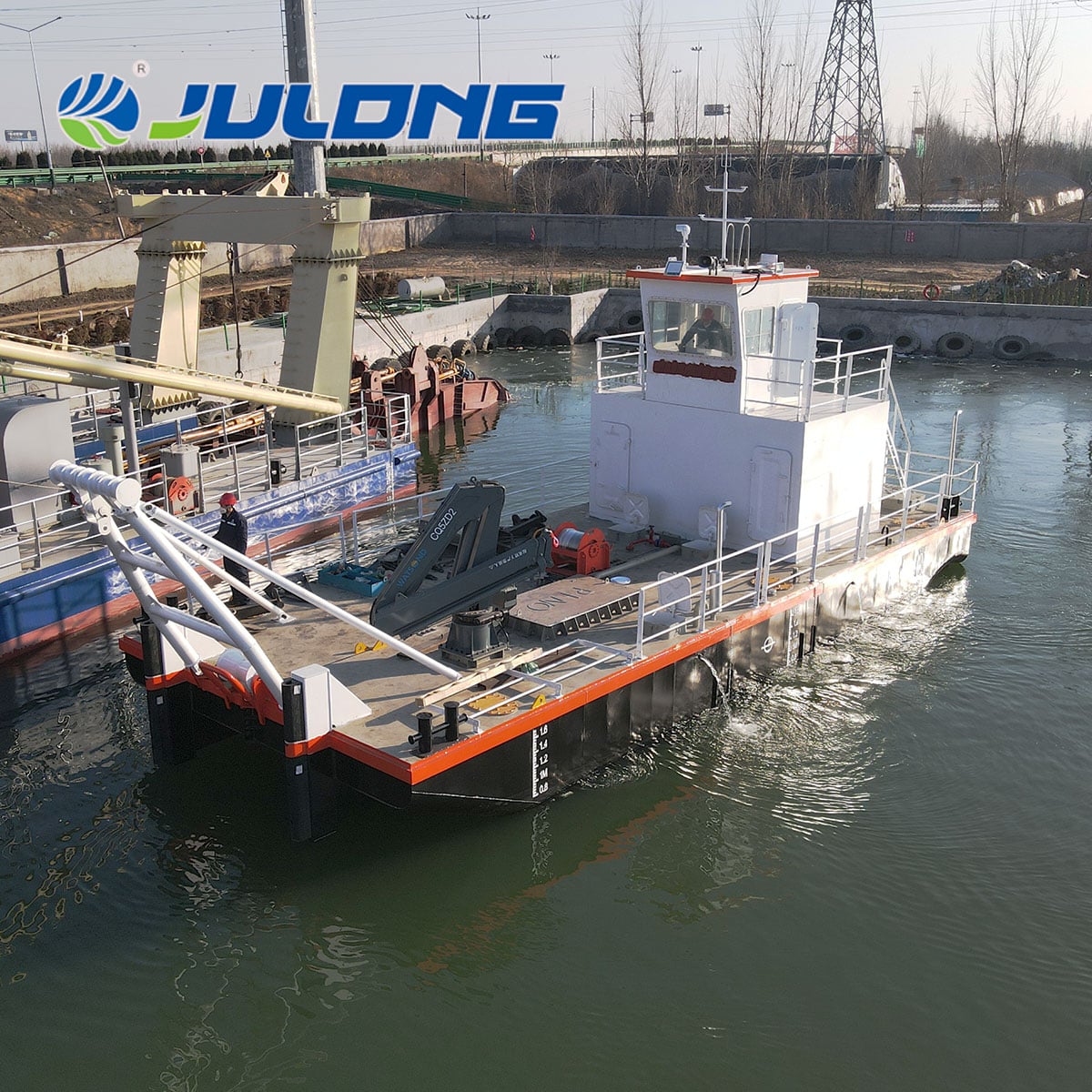
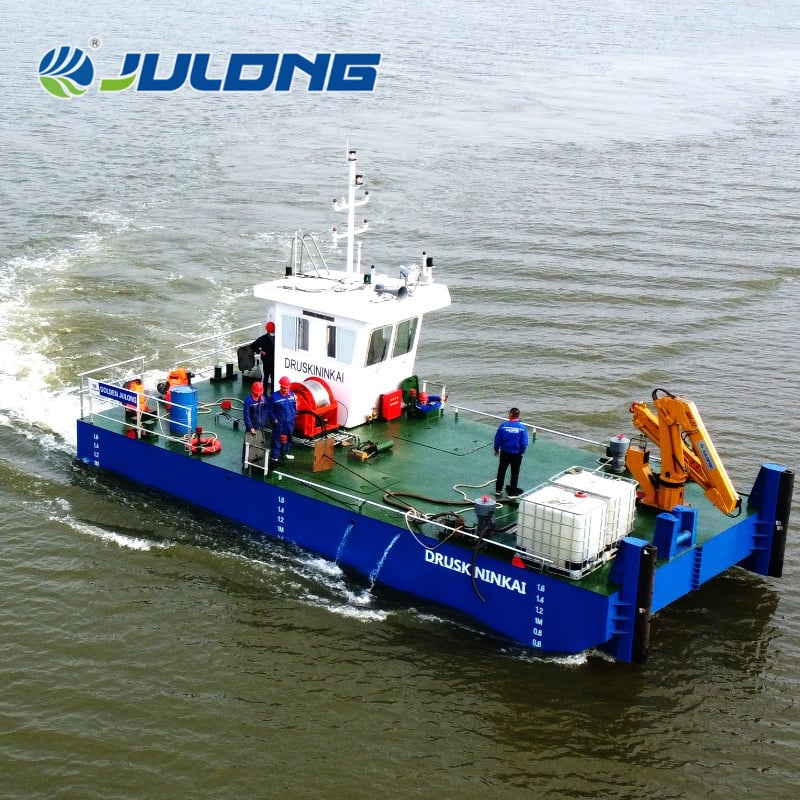
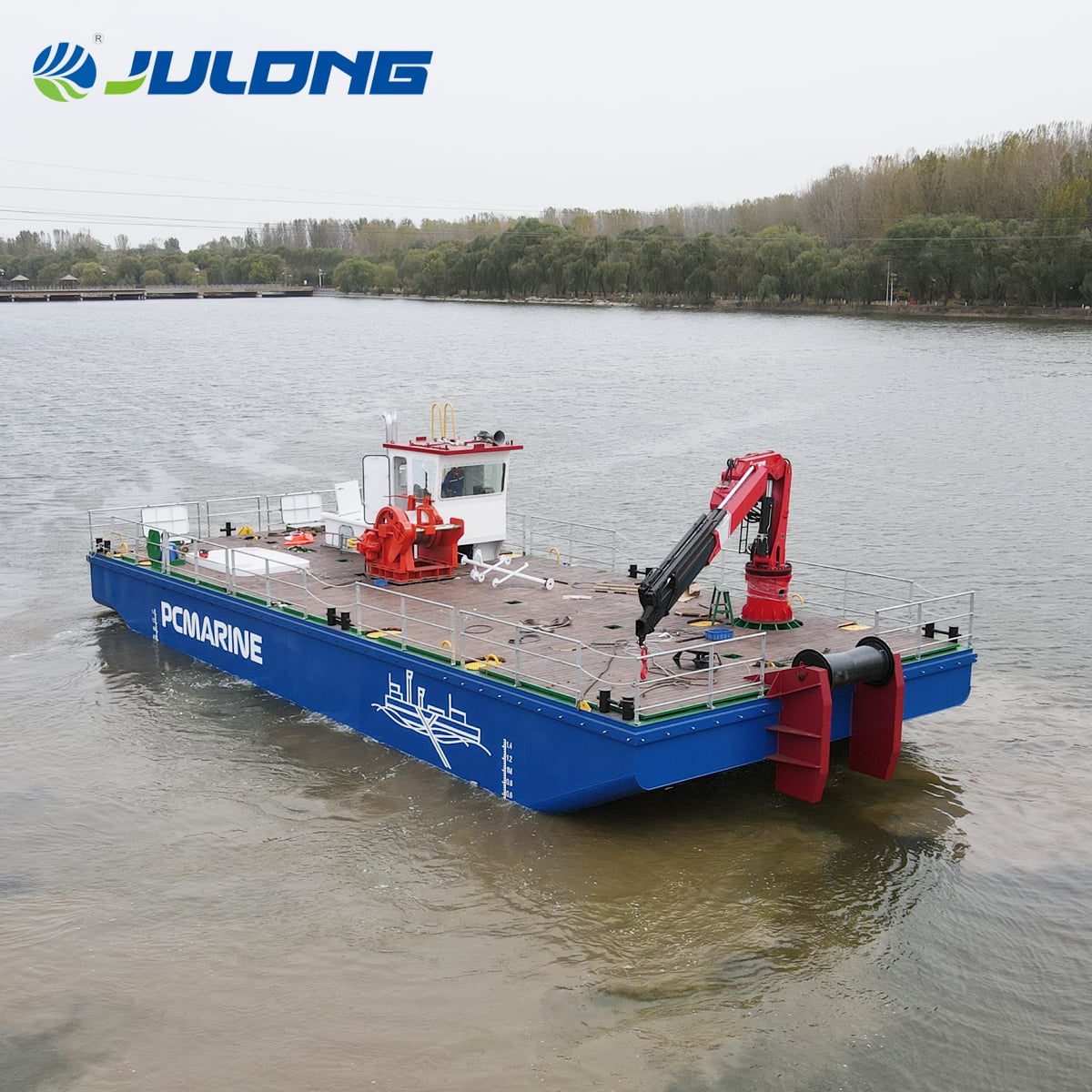
Dredging Offshore: Key Equipment and Solutions

application/dredging-offshore, application/dredging-offshore, 
Inquiry
Inquiry

Dredging offshore

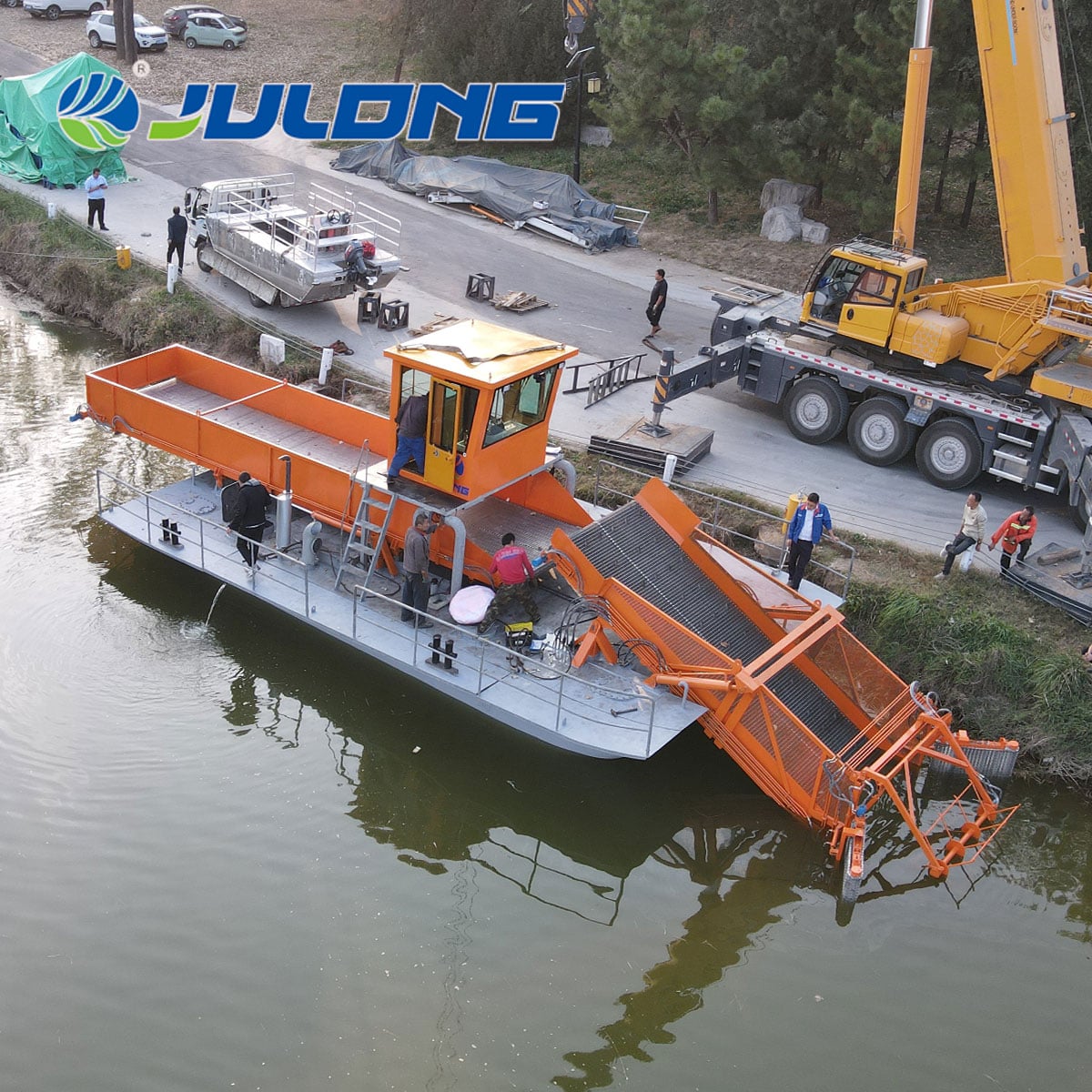
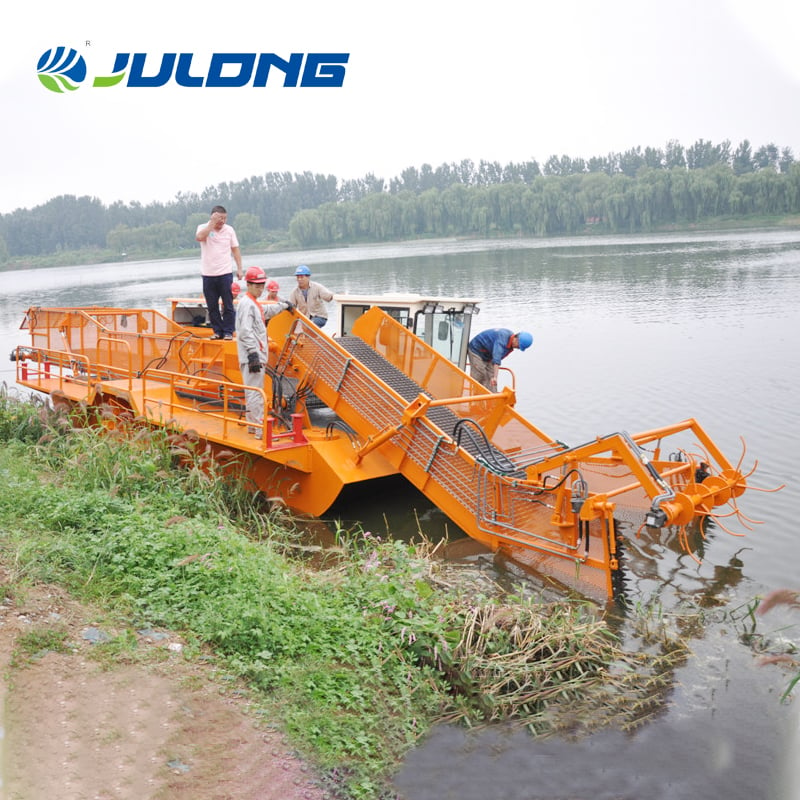
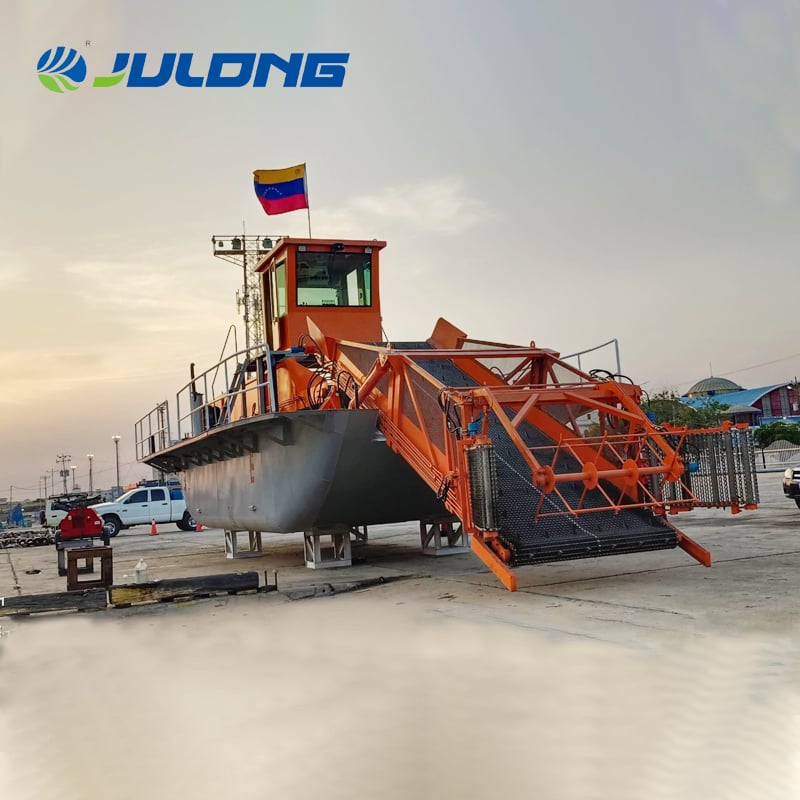
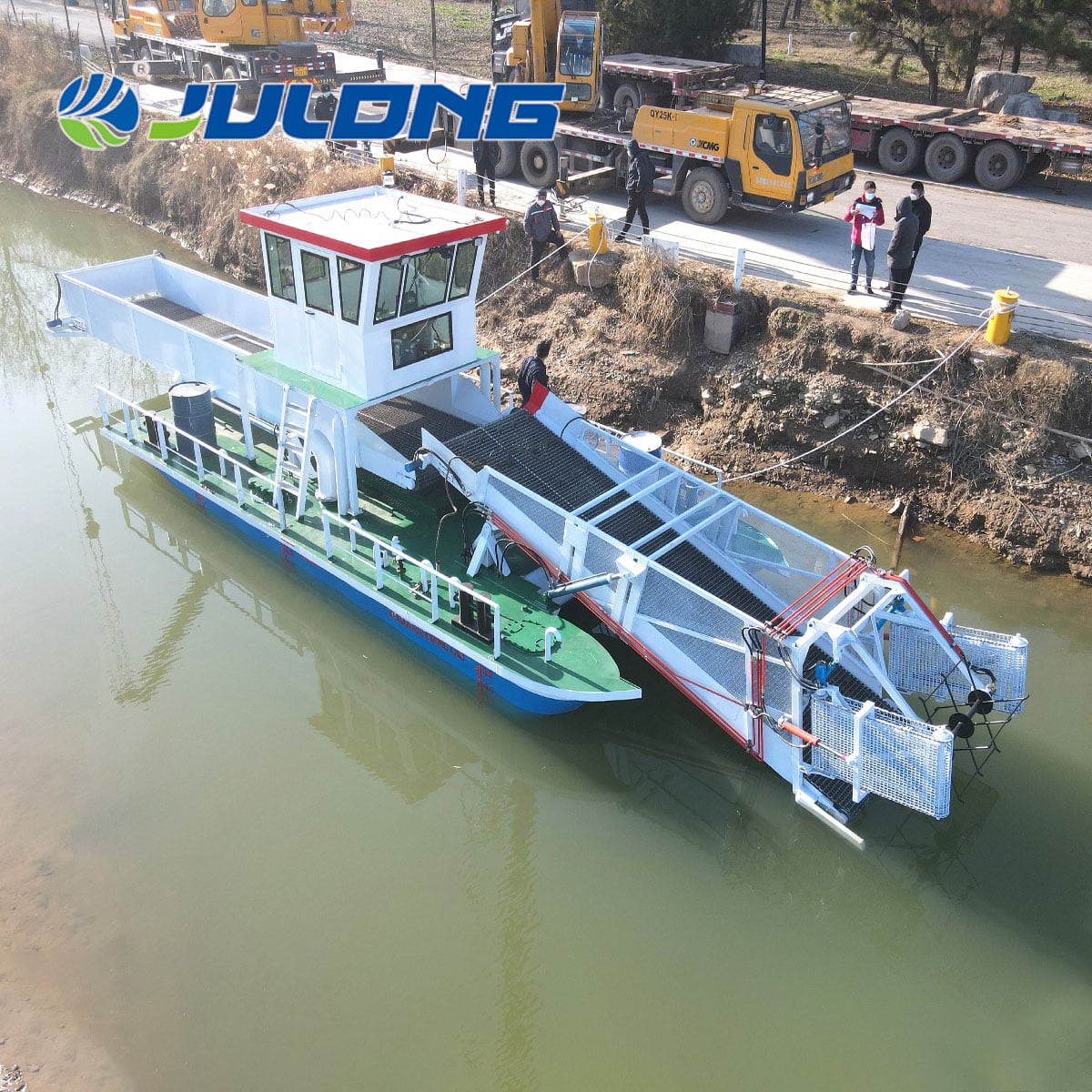
Dredging offshore is a critical operation for various marine and environmental projects, involving the removal of sediment and debris from the bottom of bodies of water. As a purchasing manager or engineer, understanding the intricacies of dredging equipment is essential to ensure that you select the right machinery for your specific projects. This article will guide you through the key considerations in choosing JULONG trailing suction dredger equipment, evaluating specifications, installation guidance, common operational issues, and the material advantages of cutter suction dredgers. 

Key Specifications to Evaluate in Offshore Dredging Machines

Key Specifications to Evaluate in Offshore Dredging Machines

When evaluating offshore dredging machines, several key specifications should be considered: 

Dredging Depth and Width: Ensure the machine can operate within the required dredging depths and widths for your project. This affects both efficiency and the ability to reach targeted sediment layers. 

Power and Efficiency: Check the engine power and fuel efficiency of the dredger. A more powerful engine is crucial for challenging materials, while efficient fuel consumption can significantly reduce operational costs. 

Material Handling Capacity: Assess the dredger's capacity to handle different material types, including gravel, sand, and silt. This is often determined by the dredger's suction power and the design of its cutter head. 

Mobility and Stability: For offshore projects, the dredger's stability in rough waters is vital. Features like adjustable pontoons or stabilizers can enhance operational safety and efficiency. 

Maintenance Requirements: Understanding the maintenance needs of the dredging equipment is essential for minimizing downtime. Look for machines with easy access to components for routine checks and repairs. 

These specifications directly impact the operational effectiveness and longevity of your dredging equipment, making it imperative to align them with your project requirements. 

Installation Guidance for Effective Offshore Dredging Operations

Installation Guidance for Effective Offshore Dredging Operations

Proper installation of dredging equipment is crucial for maximizing performance and ensuring operational safety. Begin with a detailed site assessment to identify underwater conditions, potential obstacles, and environmental regulations. 

Site Preparation: Clear the installation area of any debris and ensure that the site is accessible for the dredging equipment. This may involve coordinating with local authorities to confirm compliance with environmental standards. 

Equipment Setup: Follow the manufacturer's guidelines for assembling the dredging machine. Pay particular attention to securing the pontoons and ensuring that the cutter head is correctly positioned for optimal material engagement. 

Testing and Calibration: Once set up, conduct a series of tests to calibrate the JULONG dredger systems. This includes checking the hydraulic systems, ensuring the cutter head operates effectively, and verifying the dredger's flotation and stability in water. 

Safety Protocols: Implement safety measures for operating personnel, including training on emergency procedures and the use of safety gear. Regular safety drills should be conducted to prepare for potential operational hazards. 

These steps will help ensure that your dredging operations commence smoothly and safely, minimizing costly delays. 

Common Problems in Offshore Dredging and Their Solutions

Common Problems in Offshore Dredging and Their Solutions

Offshore dredging can present a range of challenges that may hinder operational efficiency. Some common problems include: 

Material Blockages: Blockages can occur if the dredger encounters unexpected materials, such as large rocks or debris. A proactive solution is to equip the dredger with a robust cutter head designed for tougher materials, which can effectively break down obstacles. 

Equipment Wear and Tear: Continuous exposure to harsh marine conditions can lead to accelerated wear on components. Implementing a regular maintenance schedule and using high-quality materials for parts can significantly extend the life of the dredging equipment. 

Environmental Regulations: Non-compliance with environmental regulations can lead to project delays and fines. Always stay updated with local environmental laws and ensure that the dredging operations are designed to minimize ecological impact, such as using silt curtains to control sediment dispersion. 

Operational Downtime: Unexpected equipment failure can result in costly downtime. Ensure that spare parts are readily available and consider investing in equipment with a reputation for reliability and easy repair. 

By anticipating these common issues and preparing solutions in advance, project managers can maintain operational continuity and reduce the risk of project delays. 

Material Advantages of Cutter Suction Dredgers for Marine Projects

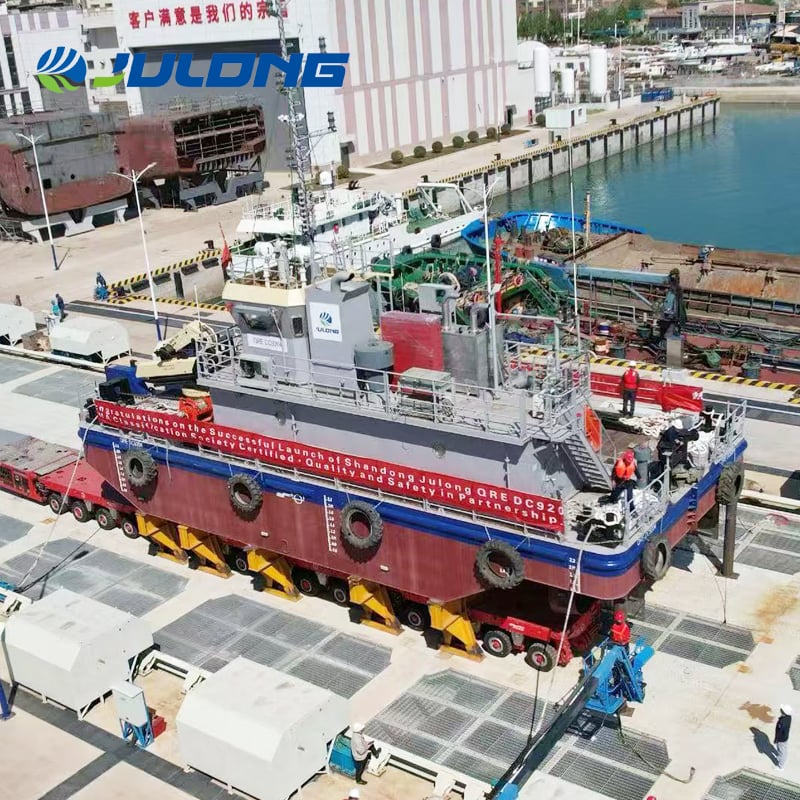
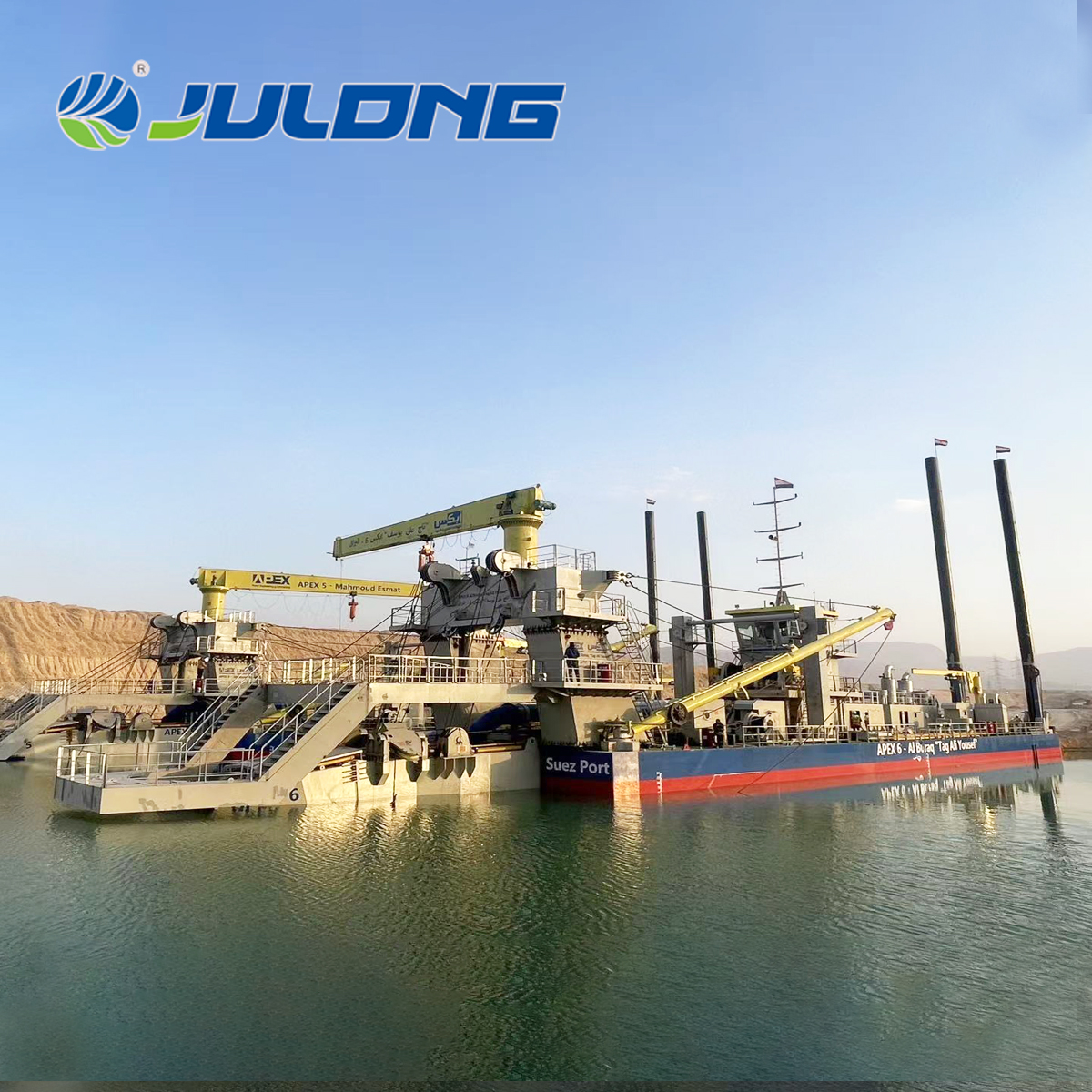
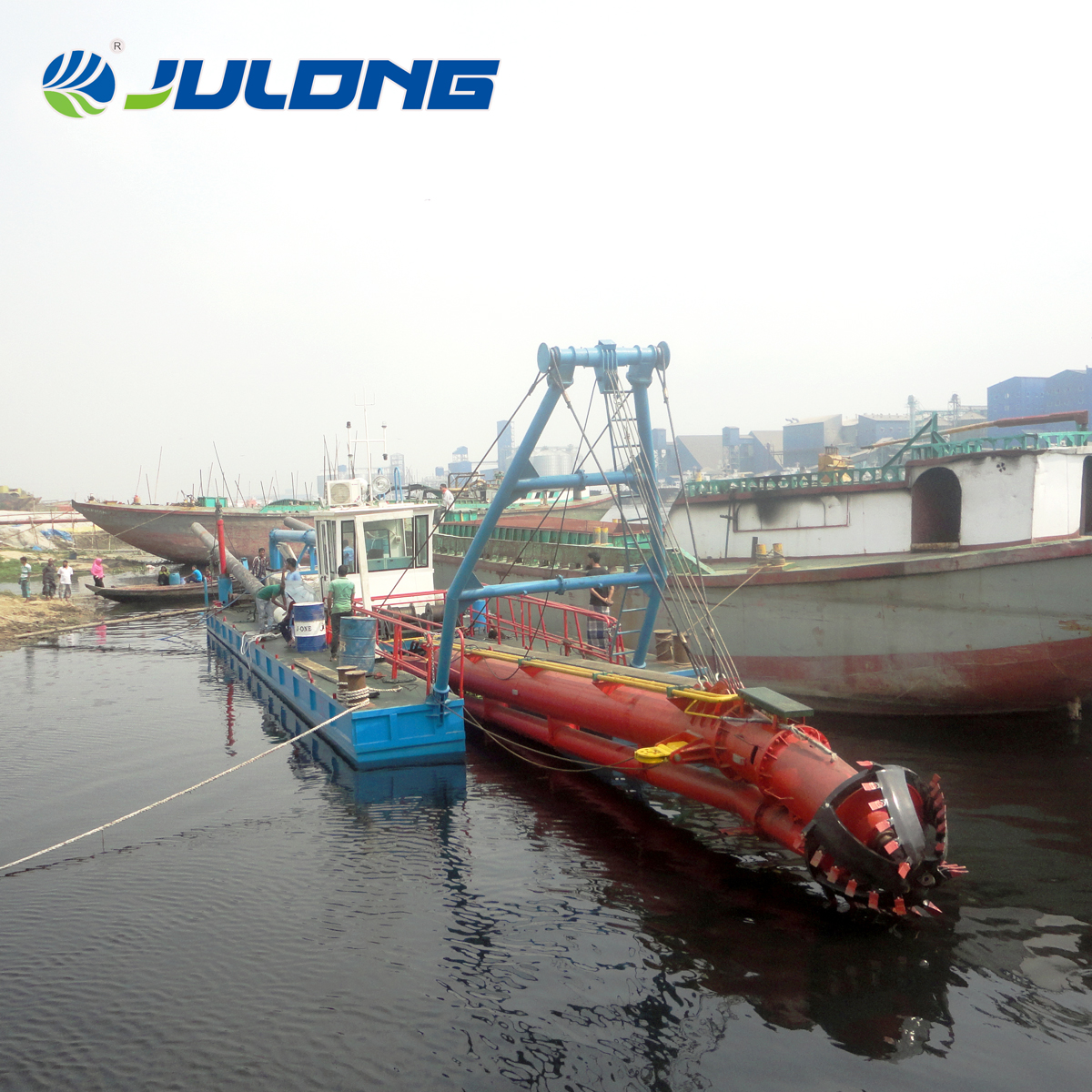
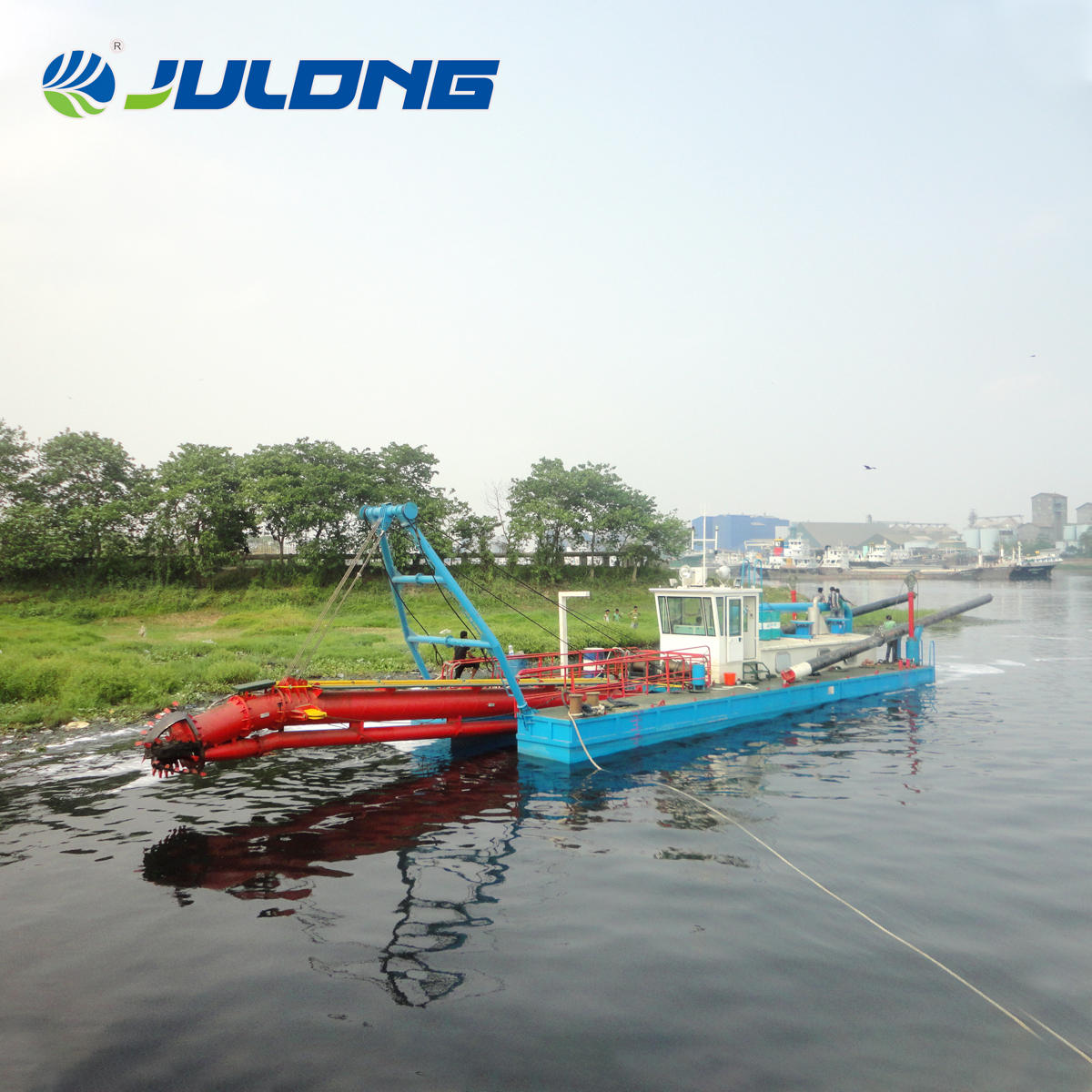
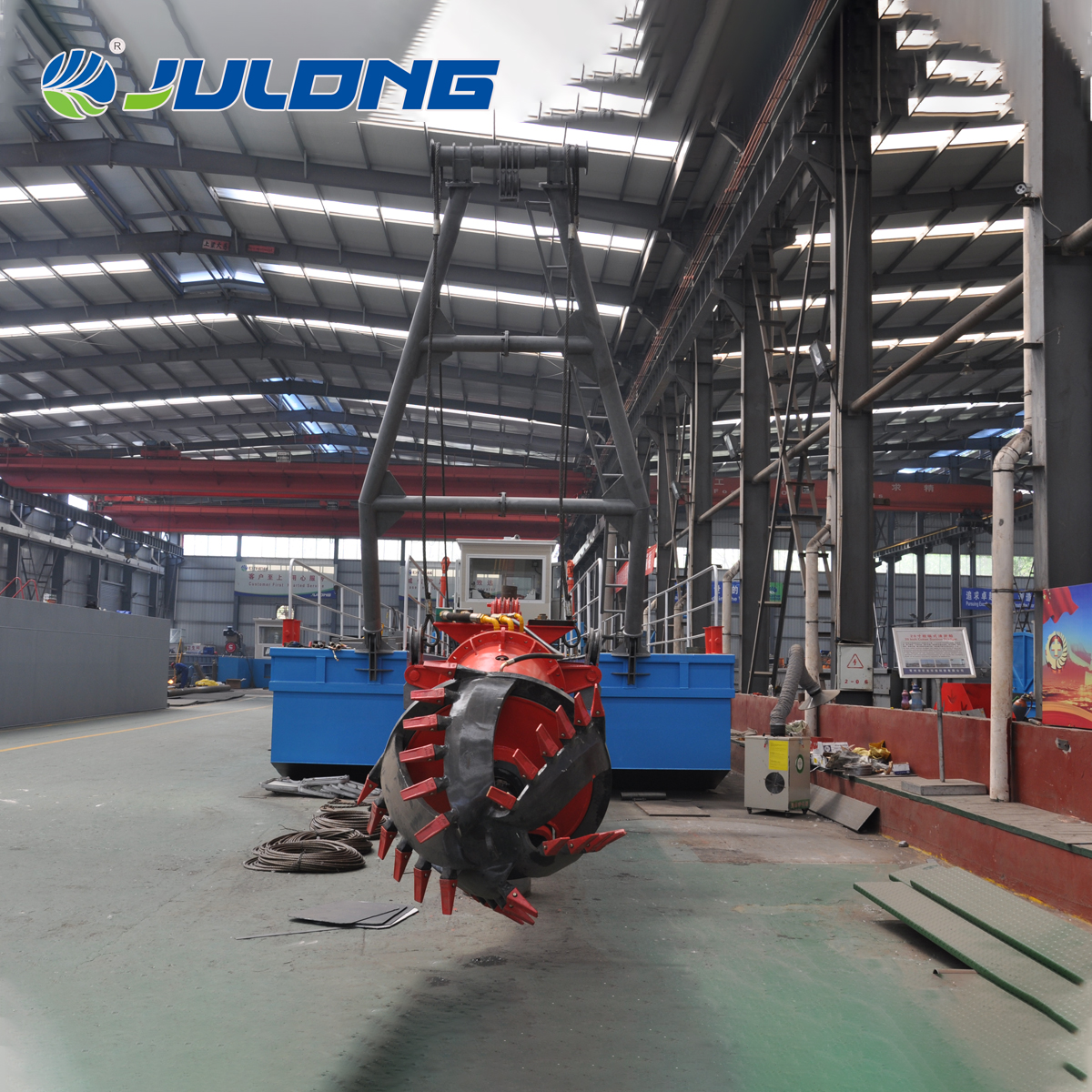
Cutter suction dredgers are particularly advantageous for offshore projects due to their robust design and material capabilities.  These dredgers are equipped with a cutter head that can efficiently break up and remove hard materials like clay, gravel, and rock, which is often encountered in marine environments. 

Durability: Built with high-strength materials, cutter suction dredgers are designed to withstand harsh marine conditions, ensuring a long service life. Look for suction dredger models that utilize corrosion-resistant coatings to further enhance durability. 

Efficiency: The suction mechanism allows for a continuous flow of material, maximizing the dredging process and reducing operational costs. This is particularly beneficial in large-scale projects where time efficiency is critical.

Versatility: Cutter suction dredgers can be adapted for various applications, from deep-sea dredging to river and lake projects. Their ability to operate in different water depths and sediment types makes them a preferred choice for diverse marine projects. 

Customizable Features: Many manufacturers, including Qingzhou JULONG, offer customization options for cutter suction dredgers, allowing buyers to tailor equipment specifications to meet specific project needs, such as adjusting the cutter head size or suction capacity. 

By understanding the material advantages and operational capabilities of cutter suction dredgers, purchasing managers can make informed decisions that align with their project requirements and budget constraints. 

Choosing the Right Dredging Equipment for Offshore Projects

Selecting the appropriate dredging equipment for offshore projects involves careful evaluation of several factors. The primary considerations include the project's scale and the specific environmental conditions. For instance, cutter suction dredgers are optimal for tougher materials and larger projects, while amphibious dredgers can effectively operate in shallow waters and marshy terrains. 

Consider the dredging depth, the type of material to be dredged, and the required production capacity. It’s also crucial to assess the operational environment, including wave conditions and currents, which may affect equipment performance. Collaborating with a manufacturer like Qingzhou JULONG Environmental Technology Co., Ltd. can provide insights into which models best suit your project needs based on their features and capabilities. 

Frequently Asked Questions

What types of dredgers do you supply for offshore work?

We supply cutter suction dredgers and amphibious dredgers suited for offshore, coastal, and port projects, designed for efficient sediment removal and seabed leveling.
Yes. Our dredgers carry ISO and CE certifications, ensuring compliance with international quality, safety, and environmental standards.
Yes. Built for durability, our dredgers and excavators are engineered to withstand corrosive saltwater and tough offshore conditions with robust components.
Yes. We provide tailored configurations, power options, and cutter heads to match project depth, soil type, and operational requirements.
We offer technical support, installation guidance, training, and global spare parts supply from our 12,000 m² facility to ensure reliable long-term operation.

Get a Free Quote

Our representative will contact you soon.
0/1000