Dredging Solutions: Key Factors for Buyers

application/dredging-ocean, application/dredging-ocean, 
Inquiry
Inquiry

Dredging ocean

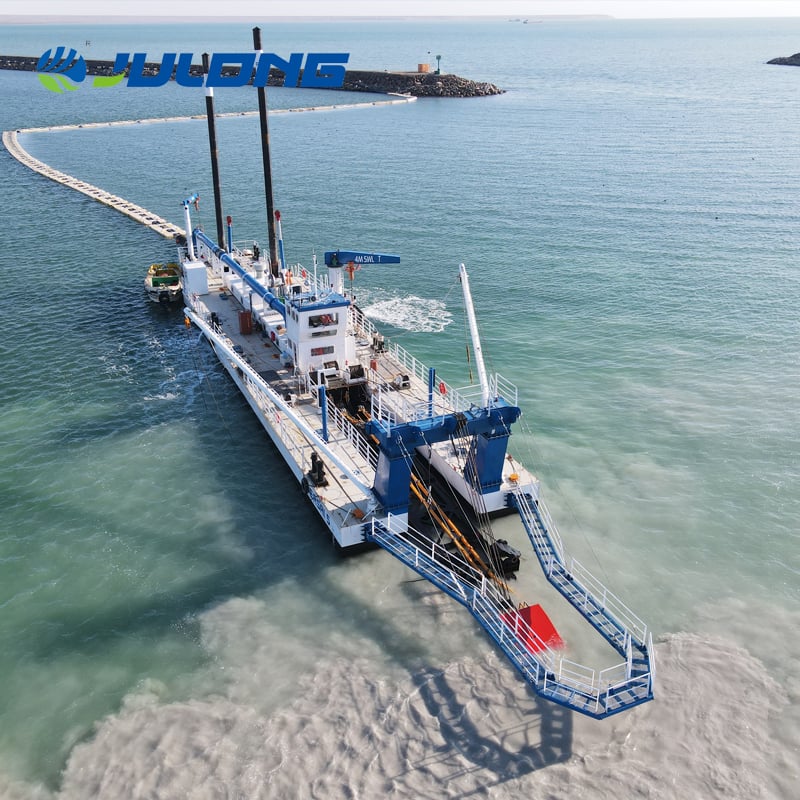
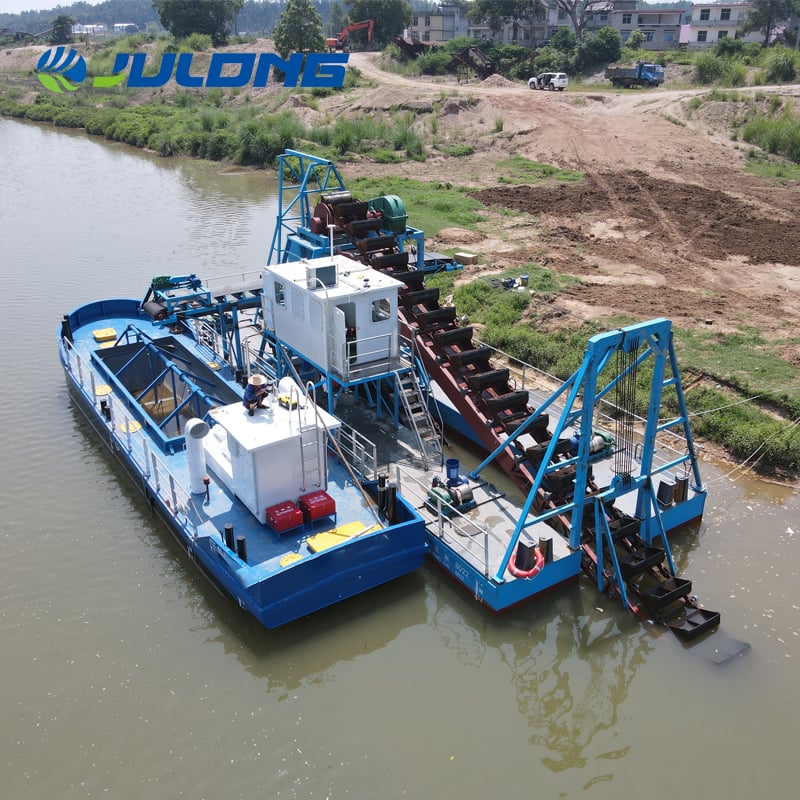
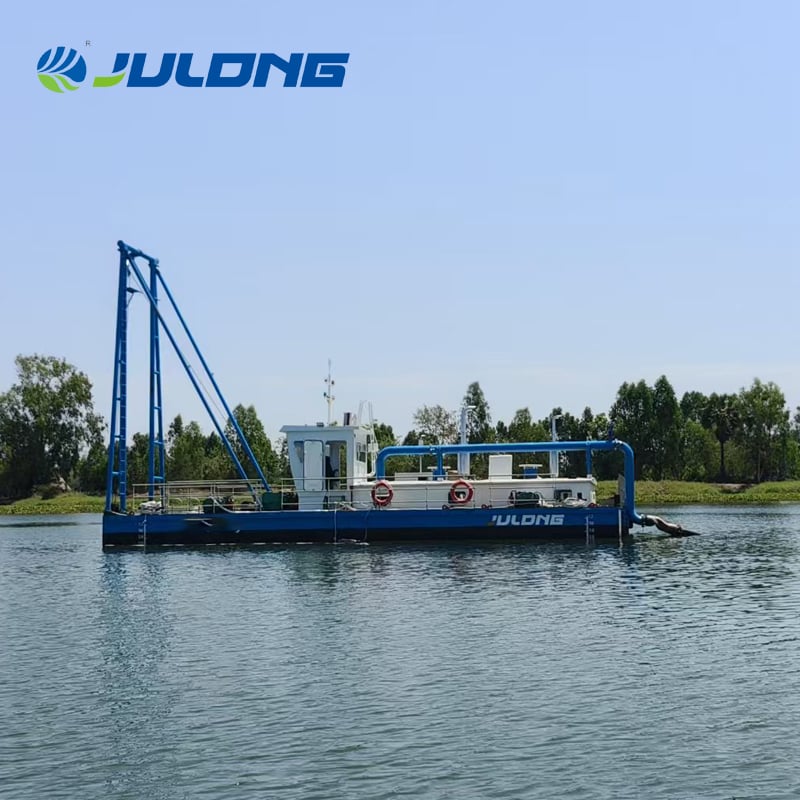
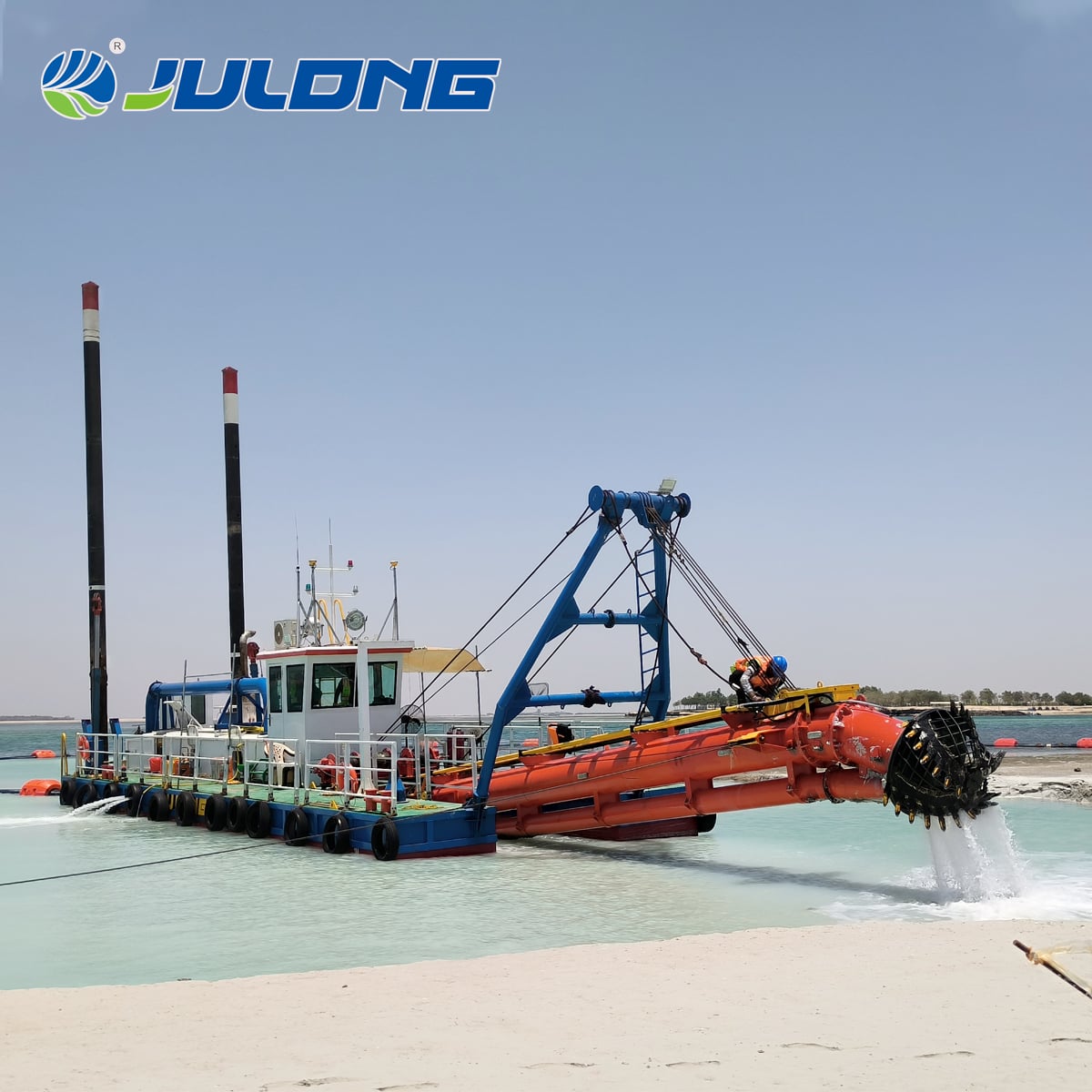
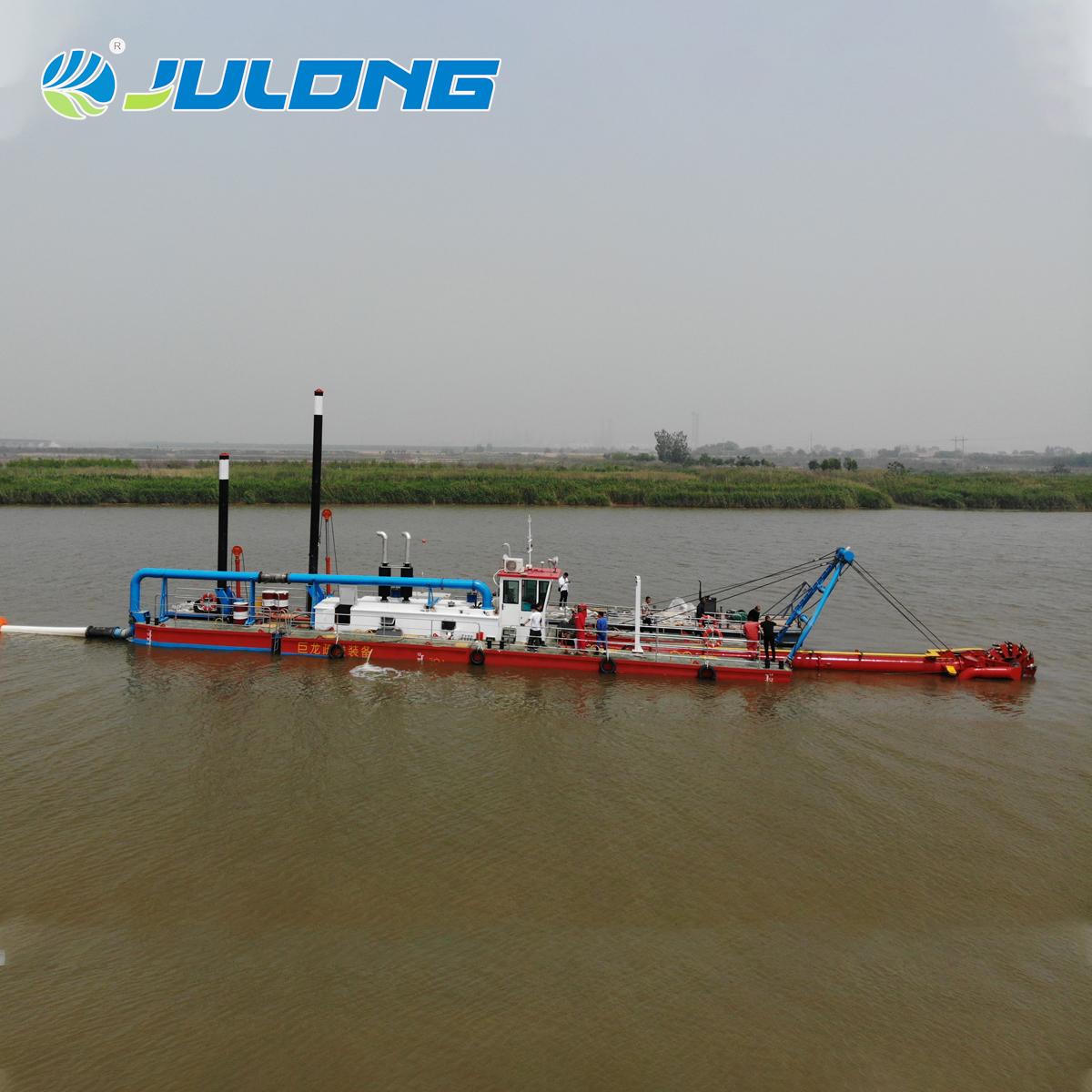
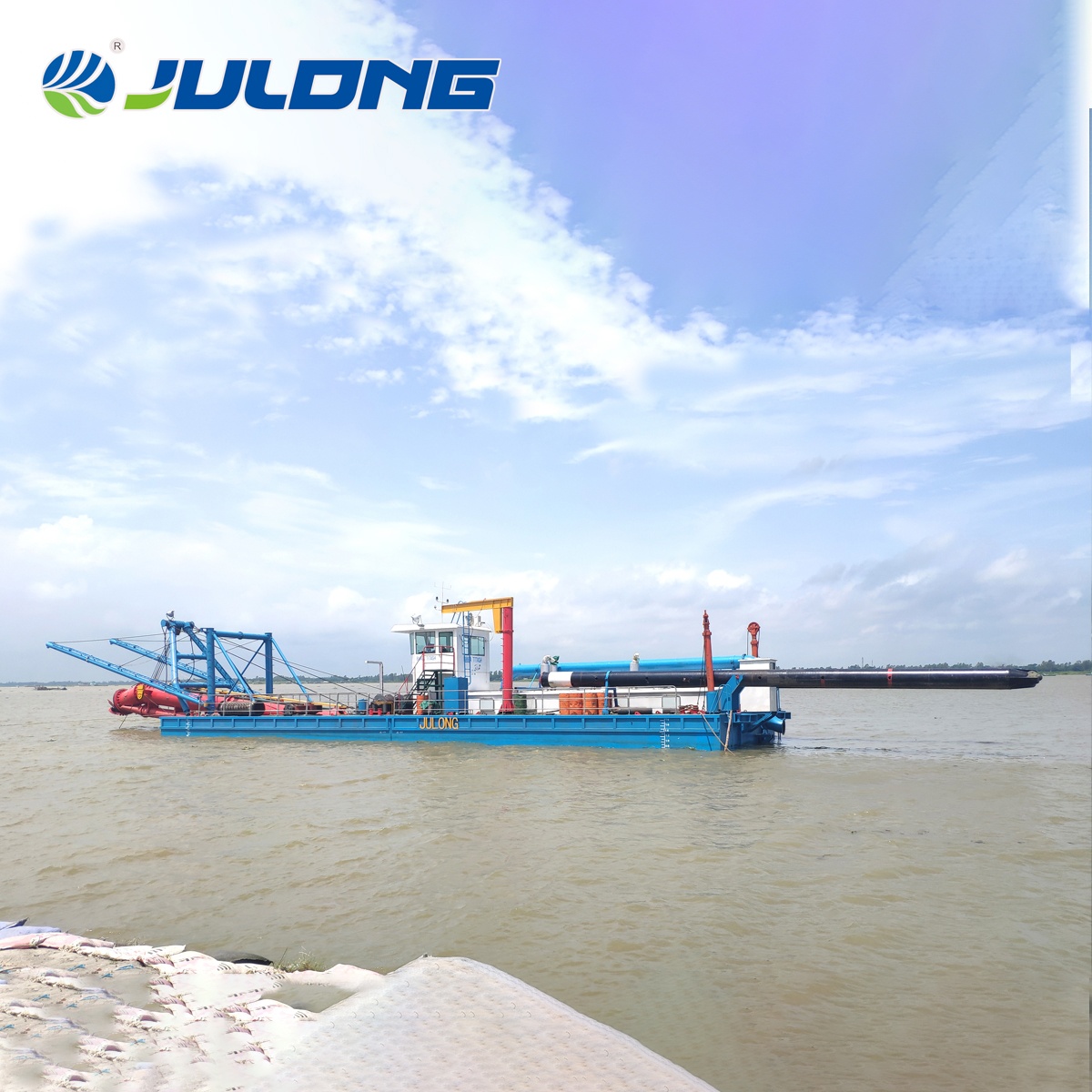
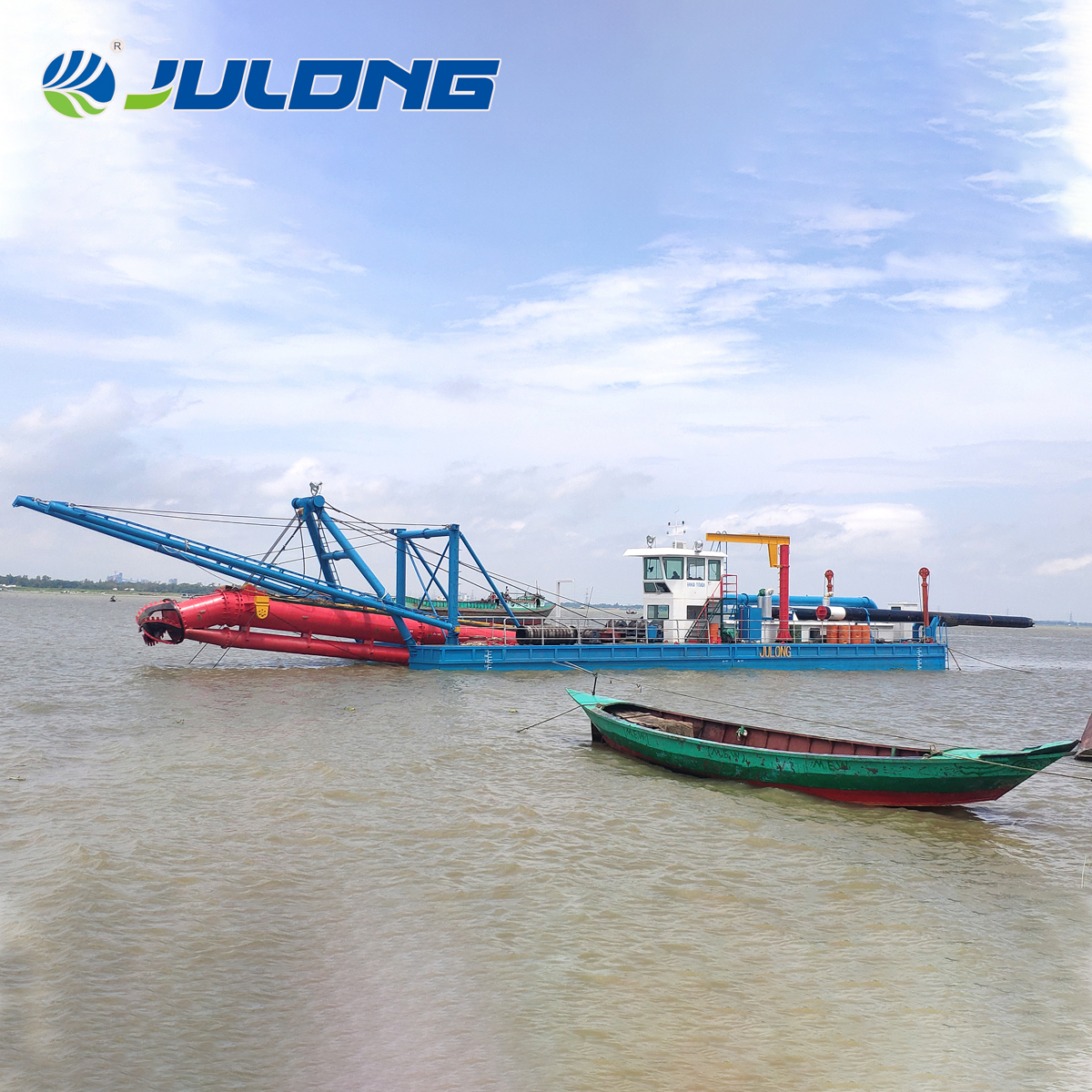
Dredging ocean environments requires specialized equipment to manage sediment and facilitate navigation and construction. This article focuses on the essential aspects of dredging solutions, particularly cutter suction dredgers and excavators. As a purchasing manager or project engineer, you may have concerns regarding equipment specifications, supplier reliability, and installation processes. This guide aims to provide practical insights into the factors to consider when sourcing dredging equipment, ensuring you make informed decisions that align with your operational needs.

Where to Source Reliable Suppliers for Dredging Solutions

Where to Source Reliable Suppliers for Dredging Solutions

Finding a trustworthy supplier for dredging equipment involves thorough research. Start by:

Industry Referrals: Connect with industry peers and associations for recommendations on reputable suppliers. First-hand experiences can provide valuable insights into the reliability of potential vendors.

Online Marketplaces and Directories: Platforms like Alibaba or ThomasNet allow you to filter suppliers based on their product offerings and customer reviews. Look for manufacturers that specialize in dredging equipment and have a proven track record.

Trade Shows and Exhibitions: Attend industry trade shows to meet potential suppliers in person. This setting allows you to see the equipment firsthand, discuss specifications, and gauge the manufacturer’s expertise.

Requesting Samples or Demonstrations: Before finalizing a supplier, request a demonstration of their equipment or obtain a sample if applicable. This helps assess performance and compatibility with your specific requirements.

Installation Guidance for Cutter Suction Dredgers and Excavators

Installation Guidance for Cutter Suction Dredgers and Excavators

Proper installation of cutter suction dredgers and excavators is crucial for optimal performance. Here are key considerations:

Site Assessment: Conduct a comprehensive site survey to understand the geographical and environmental conditions. This assessment should inform the installation process, including anchoring methods and dredging patterns.

Equipment Setup: Follow the manufacturer’s guidelines for assembly and setup. Ensure that all parts are correctly installed and calibrated. This includes checking hydraulic systems, electrical connections, and cutting mechanisms.

Operator Training: Provide adequate training for operators to familiarize them with the equipment’s functions and safety protocols. A well-trained operator can significantly reduce the risk of accidents and equipment damage.

Regular Maintenance: Establish a routine maintenance schedule post-installation. Regular checks on hydraulic systems, pumps, and cutting tools will enhance the equipment’s lifespan and performance efficiency.

Material Advantages of Our Dredging Equipment for Long-Term Use

Material Advantages of Our Dredging Equipment for Long-Term Use

The materials used in the construction of dredging equipment play a vital role in its durability and performance. At Qingzhou JULONG Environmental Technology Co., Ltd., we utilize high-strength steel and corrosion-resistant coatings that offer several advantages:

Durability: High-quality materials withstand the harsh conditions typical in dredging environments, such as abrasive sediments and saltwater exposure. This reduces wear and tear, extending the lifespan of the equipment.

Efficiency: Superior materials contribute to better operational efficiency. For instance, a well-designed cutter head made from durable materials can enhance cutting performance, reducing fuel consumption and operational costs.

Maintenance: Equipment built with high-grade materials typically requires less frequent maintenance. This not only minimizes downtime but also lowers overall operational costs in the long term.

Customization: The ability to customize materials based on specific project demands allows for tailored solutions. Buyers should discuss material options with suppliers to ensure that the chosen materials align with the intended application and environmental conditions.

Wholesale Purchasing Tips for Dredging Equipment and Machinery

When purchasing dredging equipment wholesale, consider the following tips:

Bulk Discounts: Inquire about volume pricing and terms for bulk orders. Many manufacturers offer discounts for larger purchases, which can be a significant cost-saving opportunity.

Minimum Order Quantities (MOQ): Understand the MOQ requirements set by the supplier. This helps in planning your budget and inventory effectively.

Lead Times: Discuss expected lead times for production and delivery. Ensure that these timelines align with your project schedules to avoid delays in operations.

Quality Assurance: Before finalizing a purchase, request information on quality control processes. Understanding how the manufacturer ensures product quality can provide peace of mind regarding your investment.

Post-Purchase Support: Assess the level of support offered after the purchase, including warranty terms, spare parts availability, and technical assistance. Reliable post-purchase support is essential for maintaining hydraulic dredging equipment performance.

By considering these factors and guidelines, buyers can navigate the complexities of sourcing dredging equipment more effectively, ensuring that they select solutions that meet their specific project needs and operational goals.

Key Factors for Buyers

When evaluating dredging solutions, buyers should consider several critical factors:

Equipment Specifications: Understand the technical specifications of the dredging equipment. Key parameters include dredging depth, pump capacity, and cutter power. These characteristics influence the machine's efficiency and suitability for specific environments, such as rivers, lakes, or ports.

Material Quality: The construction materials of the dredging equipment impact its durability and performance. High-quality steel and corrosion-resistant coatings are essential for machines that will operate in harsh marine environments.

Customization Options: Depending on the project requirements, buyers may need customized features. Ensure the manufacturer can accommodate specific modifications, such as additional hydraulic systems or specialized hull designs.

Supplier Reputation: Research the supplier’s track record in the industry. Look for certifications like ISO and CE, which indicate adherence to quality and safety standards. A reliable supplier should also have a robust history of exporting to various markets, ensuring they understand international regulations and logistics.

Total Cost of Ownership: Beyond the initial purchase price, consider maintenance costs, operational efficiency, and potential downtime. A less expensive machine may lead to higher operational costs in the long run.

Frequently Asked Questions

What types of dredgers do you offer for ocean projects?

We supply cutter suction dredgers and amphibious dredgers suitable for coastal and nearshore ocean dredging, plus excavators for supporting tasks in ports and coastal works.
Yes. Our equipment carries ISO and CE certifications, ensuring compliance with international quality and safety standards for dredging operations.
Our fleet covers small to large-scale river, lake, port, and coastal dredging projects with models tailored for various depths, capacities, and continuous operation requirements.
We offer technical support, maintenance guidance, and supply of spare parts to ensure long-term performance and quick turnaround for dredging equipment.
Yes. We design and adapt dredger specifications and auxiliary equipment to meet site conditions, operational needs, and project objectives for 93-country deployments.

Get a Free Quote

Our representative will contact you soon.
0/1000