Small Dredging Equipment for Sale: A Complete Guide

application/small-dredging-equipment-for-sale, application/small-dredging-equipment-for-sale, 
Inquiry
Inquiry

small dredging equipment for sale

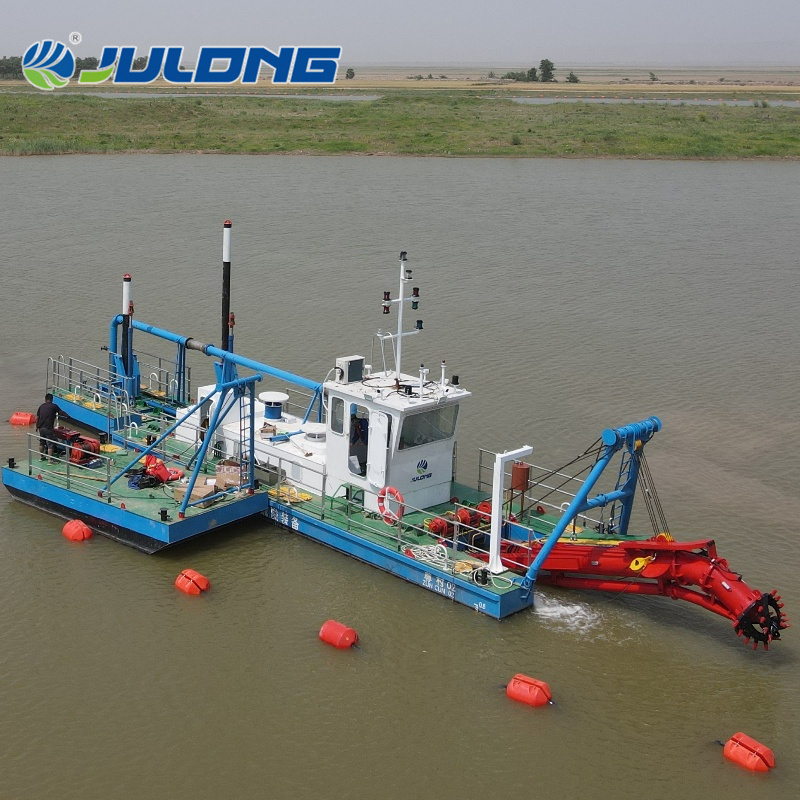
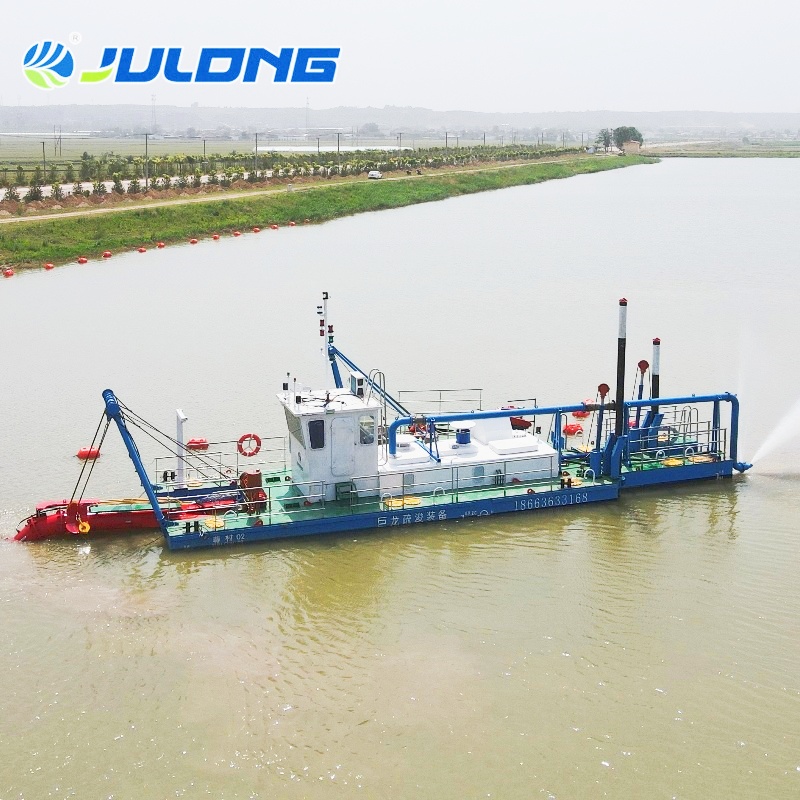
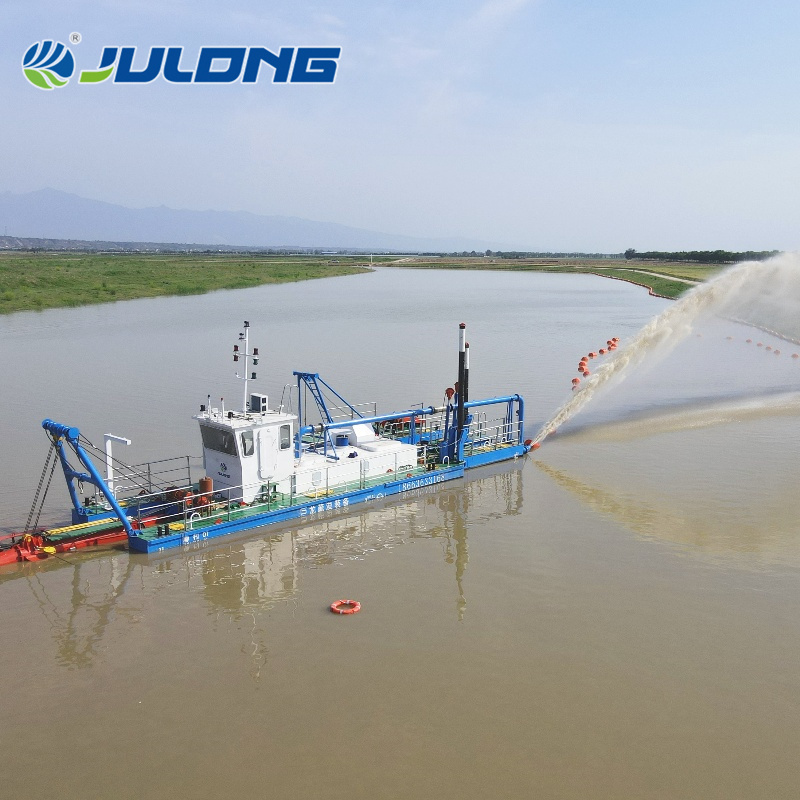
When&nbsp; considering&nbsp; small dredging equipment&nbsp; for sale,&nbsp; it’s crucial for&nbsp; buyers&nbsp; to understand the&nbsp; specific needs of their projects.&nbsp; Small dredging equipment, such as cutter&nbsp; suction&nbsp; dredgers and amphibious&nbsp; dredgers, plays a vital role in&nbsp; maintaining waterways, lakes, and ports. Buyers often face&nbsp; challenges in&nbsp; selecting equipment that meets their operational requirements, budget&nbsp; constraints, and quality expectations.&nbsp; This article aims to provide&nbsp; comprehensive guidance on choosing the right small dredging equipment, evaluating specifications, exploring&nbsp; bulk order&nbsp; options, understanding&nbsp; quality control processes, and installation guidance for various applications.</p>

Key Specifications to Evaluate in Small Dredging Equipment

Key Specifications to Evaluate in Small Dredging Equipment

When examining small dredging equipment for sale, several key specifications should be prioritized:

Dredging Depth: This specification indicates how&nbsp; deep the dredger can operate. Ensure&nbsp; that the dredging depth aligns with your project’s requirements. A dredger that cannot reach the necessary depth may&nbsp; result in incomplete dredging.</p>

Pump Capacity:&nbsp; Measured in cubic meters per hour, pump capacity affects how&nbsp; quickly material can be moved. Higher&nbsp; capacities increase efficiency but may also require more robust power sources.</p>

Material Compatibility: Different&nbsp; dredgers&nbsp; are designed&nbsp; for various types of materials. Ensure that the selected dredger is compatible with the&nbsp; materials you&nbsp; plan to extract, whether it’s sand, gravel,&nbsp; or mud. For enhanced efficiency and versatility, consider models like the Multi-Function Work Boat that can handle a variety of materials effectively.

Engine Power: The engine power directly influences operational efficiency and&nbsp; capability. Higher horsepower is beneficial for larger dredging projects but may lead to increased fuel consumption.</p>

Mobility&nbsp; Features: Consider whether you need a dredger that can maneuver easily on land and water. Amphibious models offer&nbsp; versatility but may have different operational&nbsp; characteristics than&nbsp; traditional&nbsp; dredgers.</p>

Understanding these specifications helps buyers make informed decisions that align with both project&nbsp; needs and budgetary&nbsp; constraints.</p>

Bulk Order Options for Small Dredging Equipment at Competitive Prices

Bulk Order Options for Small Dredging Equipment at Competitive Prices

For companies looking to procure multiple units of small dredging equipment,&nbsp; exploring bulk order options can&nbsp; lead&nbsp; to significant cost savings. Many manufacturers, including Qingzhou JULONG&nbsp; Environmental Technology Co., Ltd., offer&nbsp; competitive&nbsp; pricing for bulk&nbsp; purchases, as well as customizable solutions tailored to specific&nbsp; project needs.

When assessing bulk order options, consider discussing:

Minimum Order&nbsp; Quantity (MOQ): Determine the MOQ for the desired dredging equipment. This varies by manufacturer and&nbsp; can impact overall pricing.</p>

Customization Needs: For specialized&nbsp; projects, inquire about customization options. Custom features can enhance equipment performance for specific applications.</p>

Delivery Logistics:&nbsp; Understanding lead&nbsp; times and shipping&nbsp; arrangements is critical for timely project initiation.&nbsp; Confirm&nbsp; the expected delivery&nbsp; dates and any associated costs.</p>

Warranty and Support: Bulk orders&nbsp; may come&nbsp; with extended warranties or additional support options.&nbsp; Clarifying these details can provide peace of mind regarding maintenance and operational issues.</p>

Understanding the Quality Control Process for Dredging Equipment

Understanding the Quality Control Process for Dredging Equipment

Quality control is&nbsp; a crucial aspect of manufacturing small dredging equipment. Before finalizing any purchase,&nbsp; it’s essential to understand the quality assurance measures in place.&nbsp; Manufacturers like Qingzhou JULONG implement rigorous testing protocols to&nbsp; ensure their equipment meets industry standards.</p> 

Key elements of&nbsp; the quality control process include:

Material Inspection: Raw materials undergo thorough inspection to ensure they meet the necessary specifications&nbsp; for durability and performance.</p>

Production Monitoring: During manufacturing, processes are monitored to identify any deviations from&nbsp; established&nbsp; standards, ensuring consistency&nbsp; across all units produced.</p>  

Performance Testing: Before shipment,&nbsp; equipment is&nbsp; tested under real&nbsp; operating&nbsp; conditions to verify that it performs as expected. This includes checking pump capacity, dredging depth, and overall operational&nbsp; efficiency.</p>

Certification: Ensure that the equipment complies with relevant industry certifications (such&nbsp; as ISO and CE)&nbsp; that indicate adherence to safety and quality&nbsp; standards.</p>

Understanding the quality control process helps buyers assess the reliability of&nbsp; the equipment and the manufacturer.</p>

Installation Guidance for Small Dredging Equipment in Various Applications

Proper installation of small dredging equipment is essential for optimal performance and longevity. Installation procedures may vary based on the type of&nbsp; equipment and&nbsp; the specific application. Here are some general guidelines:

Site Preparation: Ensure the installation site is prepared to accommodate the dredging equipment.&nbsp; This includes&nbsp; assessing the ground stability and access points for transportation and operation.</p>

Equipment&nbsp; Assembly: Follow the manufacturer’s guidelines for assembling the dredger. This may involve connecting various components such as the&nbsp; pump, engine, and control systems.</p>

Operational Testing: Once installed, conduct operational tests to ensure all systems function correctly.&nbsp; This includes verifying fluid levels, checking for leaks, and confirming that the dredger operates smoothly.</p>

Training: If multiple operators&nbsp; will use the equipment, provide training sessions to&nbsp; familiarize&nbsp; them with the dredger’s features and operational&nbsp; requirements.&nbsp; This&nbsp; can reduce the likelihood of operational errors and enhance safety.</p>

By following these&nbsp; installation guidelines, buyers can maximize the effectiveness of their small dredging equipment and ensure successful project execution.&nbsp; </p>

In summary, navigating the complexities of&nbsp; small dredging equipment for sale requires careful consideration&nbsp; of project&nbsp; specifications, purchasing strategies, quality control processes, and installation practices. By leveraging the insights&nbsp; provided, buyers can make informed decisions that lead to successful dredging&nbsp; operations.

How to Choose the Right Small Dredging Equipment for Your Project

Selecting the appropriate small dredging equipment begins&nbsp; with a clear understanding of your project’s specific requirements. Factors to consider include the type of material to be dredged,&nbsp; the depth&nbsp; of the water, and the&nbsp; operational environment.&nbsp; For instance, cutter suction dredgers are ideal for materials&nbsp; like&nbsp; sand, silt, and clay,&nbsp; while amphibious dredgers can operate in shallow and marshy&nbsp; areas. Additionally, you might also consider options like the Amphibious Equipment which is specifically designed for those challenging environments.</p> 

Additionally, assess the equipment’s mobility and size in relation&nbsp; to the project site.&nbsp; Smaller dredgers might be more suitable for confined spaces, whereas larger models may enhance productivity in expansive areas. It’s also&nbsp; crucial to&nbsp; evaluate the&nbsp; dredging&nbsp; depth&nbsp; and&nbsp; flow rate to ensure&nbsp; the equipment can handle the expected workload effectively.&nbsp; </p>

Frequently Asked Questions

What small dredging equipment do you offer?

We supply cutter suction dredgers, amphibious dredgers, and excavator-mounted dredging units tailored for river, lake, and port projects.
Yes. Our equipment carries ISO and CE certifications, ensuring compliance with international quality and safety standards.
We offer a range of compact models with varying cutter diameters, pump capacities, and power options to suit shallow to medium-depth dredging needs.
Yes. We provide technical support, maintenance guidance, and readily available spare parts to ensure long-term, efficient operation.
Yes. We serve clients in 93 countries and can arrange global shipping from our 12,000 m² facility, plus export documentation and logistics support.

Get a Free Quote

Our representative will contact you soon.
0/1000