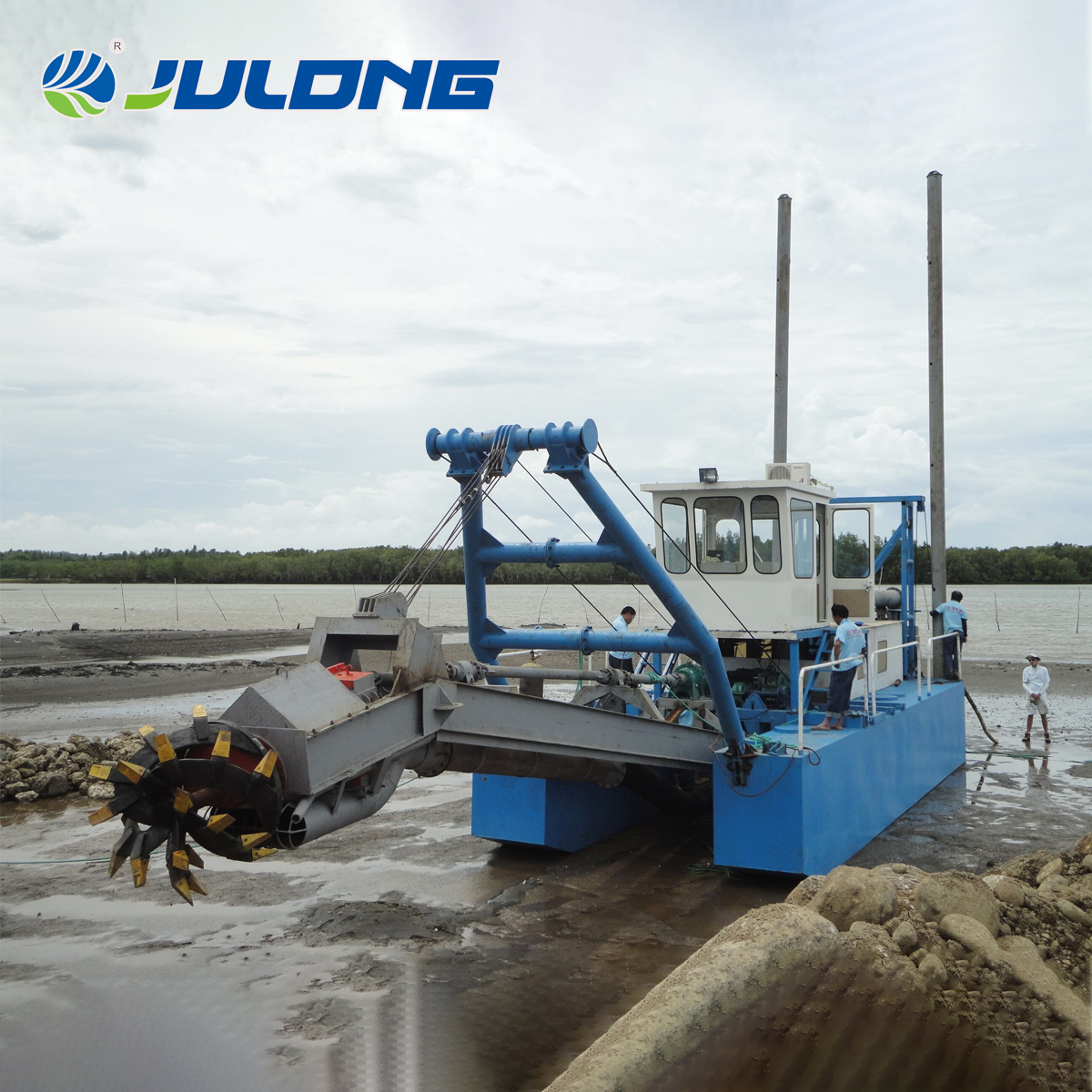
Dredging in River Environments: Key Considerations

application/dredging-in-river, application/dredging-in-river, 
Inquiry
Inquiry

Dredging in river

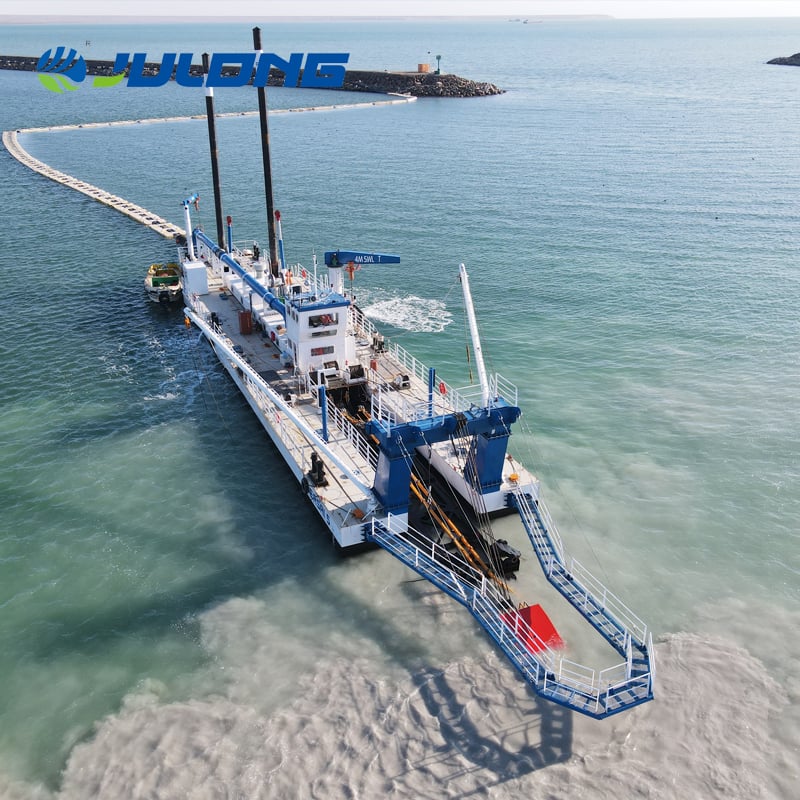
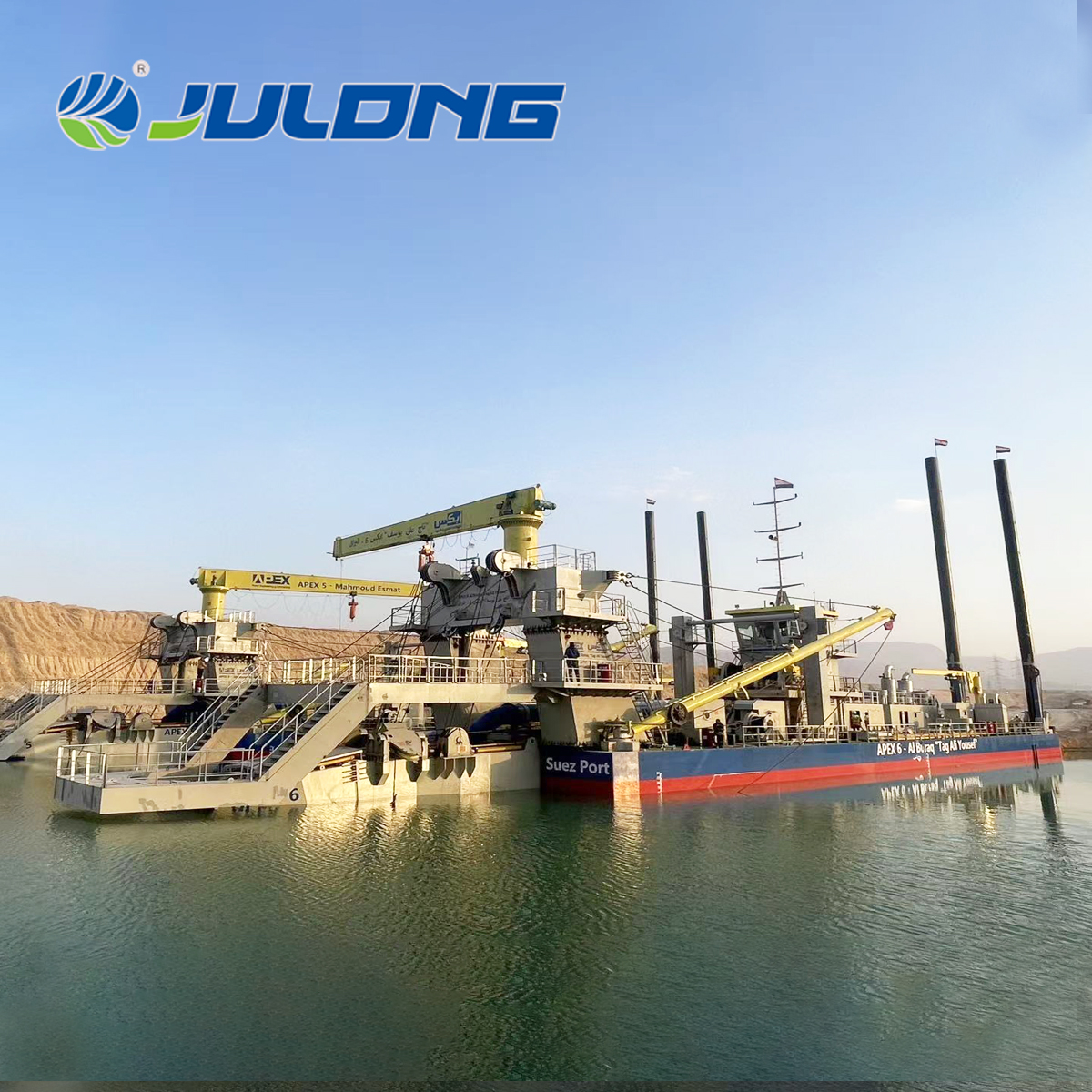
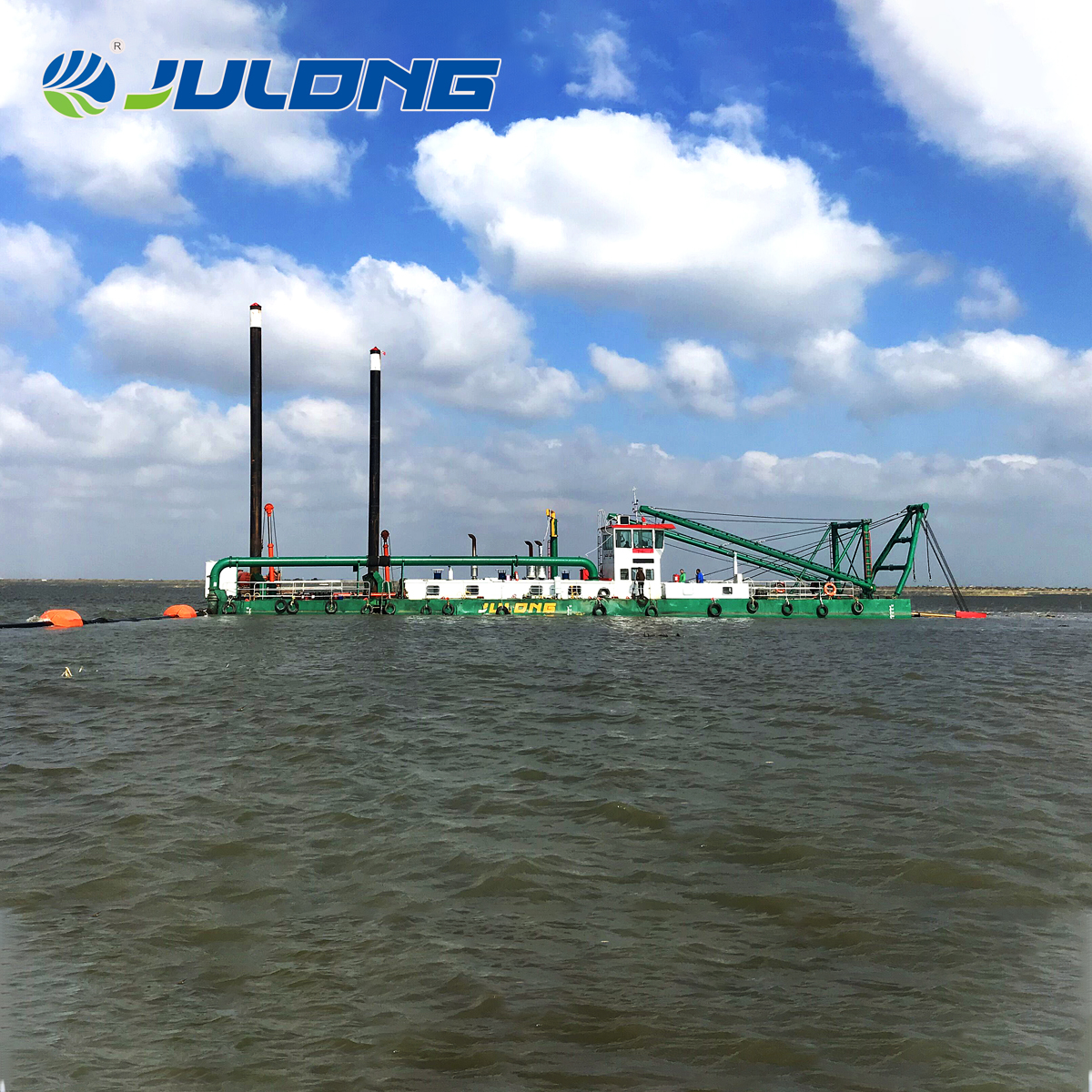
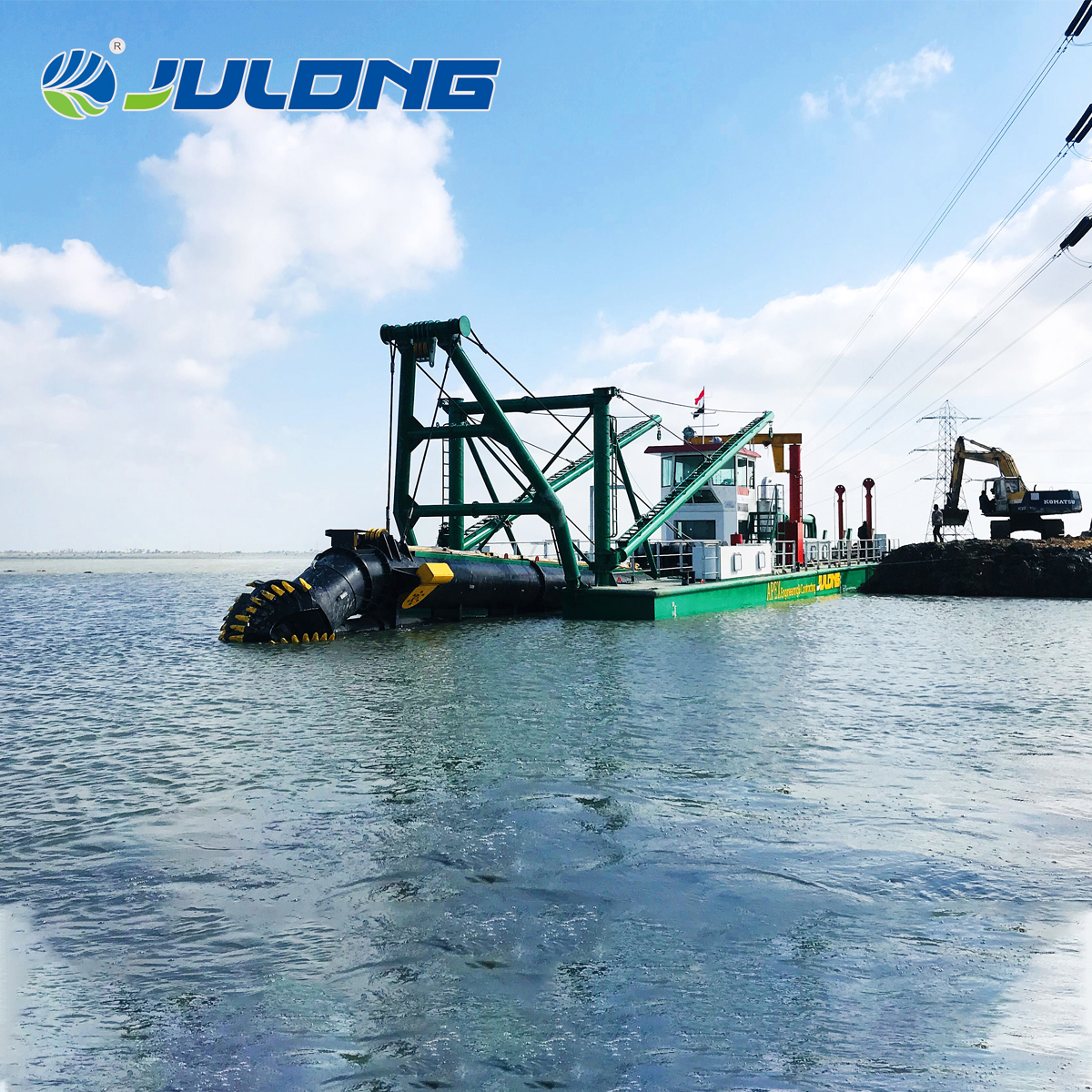
Dredging in river environments is a critical operation for maintaining waterway navigation, enhancing flood control, and supporting ecological health. For professionals involved in these projects—such as purchasing managers, engineers, and project managers—understanding the right dredging equipment and specifications is essential. This article will explore key considerations for selecting JULONG dredging equipment, assessing quality, and finding reliable suppliers, ensuring you are well-equipped to make informed purchasing decisions.

Evaluating the Quality of Dredging Equipment for Bulk Orders

Evaluating the Quality of Dredging Equipment for Bulk Orders

When purchasing JULONG dredging equipment in bulk, quality assurance is paramount. Here are several evaluation criteria to consider: 

Certifications: Only engage with suppliers who hold relevant certifications, such as ISO and CE, which indicate compliance with international quality standards. These certifications can assure buyers of consistent manufacturing practices. 

Quality Control Processes: Investigate the supplier's quality control mechanisms. Are there established protocols for testing equipment before shipping? A robust quality assurance program minimizes the risk of defects, ensuring that all dredging equipment meets specified performance standards. 

Material Quality: Evaluate the materials used in production. For instance, high-grade steel should be used for components subjected to wear and tear, while coatings might be necessary for corrosion resistance. 

Supplier Reputation: Research the supplier's history and customer feedback. A reputable supplier with positive testimonials can offer confidence in the quality of their products. 

Sample Approval: Before placing a bulk order, require samples for inspection. This step allows buyers to verify performance metrics, dimensions, and overall quality before committing to a larger purchase. 

By focusing on these quality evaluation factors, buyers can mitigate risks and ensure that their bulk purchases of dredging equipment will meet their operational expectations.

Top Applications for Dredging in River Projects Explained

Top Applications for Dredging in River Projects Explained

Dredging in river environments serves multiple applications, each demanding specific dredging solutions: 

Navigation Maintenance: Regular dredging is essential for maintaining navigable water depths for commercial and recreational vessels. This includes removing silt and sediment buildup that can obstruct waterways. 

Flood Control: Dredging can enhance river capacity to manage stormwater and reduce flooding risks. By deepening channels and removing debris, rivers can better handle excess water during heavy rainfall. 

Environmental Restoration: Dredging is often employed in habitat restoration projects. Removing contaminated sediments can revitalize aquatic ecosystems, promoting biodiversity and improving water quality. 

Infrastructure Development: Dredging is necessary for constructing bridges, docks, and other marine structures. It prepares the site by ensuring stable foundations and adequate water depths for construction activities. 

Resource Extraction: In some cases, dredging is utilized for mining materials like sand and gravel from riverbeds. This practice must be conducted sustainably to minimize environmental impact. 

Understanding these applications allows buyers to select dredging equipment tailored to their specific project needs, ensuring efficiency and effectiveness in execution.

Where to Find Reliable Suppliers of Dredging Equipment

Where to Find Reliable Suppliers of Dredging Equipment

Finding trustworthy suppliers for dredging equipment can be daunting. Here are some strategies to aid in your search: 

Industry Trade Shows: Attend trade shows and exhibitions focused on marine and dredging technology. These events provide opportunities to meet suppliers, view dredging equipment firsthand, and discuss your specific needs. 

Online Marketplaces and Directories: Utilize specialized online platforms that list manufacturers and suppliers of dredging equipment. Look for those with verified customer reviews and ratings. 

Networking with Industry Professionals: Engage with peers in the industry. Recommendations from colleagues can lead you to reliable suppliers who have proven track records. 

Consulting Industry Associations: Many regions have associations dedicated to dredging and marine engineering. These organizations often provide resources for finding reputable suppliers. 

Requesting Quotes: Once you have identified potential suppliers, request detailed quotes. This step not only helps in comparing pricing but also provides insights into lead times and available support services. 

By employing these strategies, buyers can connect with reputable suppliers who can meet their river dredging equipment needs.

Installation Guidance for Effective Dredging in River Environments

Proper installation of JULONG dredging equipment is critical for ensuring optimal performance in river projects. Here are essential guidelines to follow: 

Site Assessment: Conduct a thorough assessment of the installation site. Factors such as water depth, sediment type, and environmental conditions must be evaluated to determine the best setup. 

Equipment Configuration: Ensure the dredging machine is configured correctly for the specific application. This includes adjusting the dredging head and pump settings according to the sediment characteristics. 

Safety Protocols: Establish safety procedures for installation and operation. This includes ensuring that all personnel are trained in dredging equipment handling and aware of emergency protocols. 

Testing Before Full Operation: Before commencing full-scale dredging, conduct trial runs to test the dredging equipment performance. This allows for adjustments to be made before the actual dredging begins. 

Regular Maintenance Checks: Post-installation, implement a schedule for regular maintenance checks to ensure the equipment remains in optimal condition during operation. Addressing minor issues promptly can prevent major breakdowns. 

By following these installation tips, operators can ensure that their dredging projects run smoothly and efficiently, maximizing productivity and minimizing downtime. 

In summary, understanding the specifications, quality evaluation processes, and suitable applications of dredging equipment is essential for making informed purchasing decisions. With the right knowledge and guidance, professionals can effectively navigate the complexities of dredging in river environments. 

Key Specifications to Consider When Buying Dredging Machines

When selecting dredging equipment for river applications, several specifications are vital to ensure optimal performance. Key factors include: 

Dredging Depth and Width: The dredging machine must be capable of operating at the necessary depths and widths specific to your project. Knowing the river's dimensions and sediment characteristics will help determine the type and size of the dredger required. 

Pump Capacity: This metric is crucial, as it dictates how much material can be moved per hour. Higher pump capacities lead to increased efficiency, particularly in projects requiring extensive sediment removal. 

Power Source: Dredging machines can be powered by diesel engines or electric motors. The choice often depends on the operational environment; for example, electric motors may be preferable in areas where noise and emissions are a concern. 

Material Composition: The construction materials of the dredging machine, such as steel or composite materials, affect durability and resistance to corrosion, particularly in freshwater environments. 

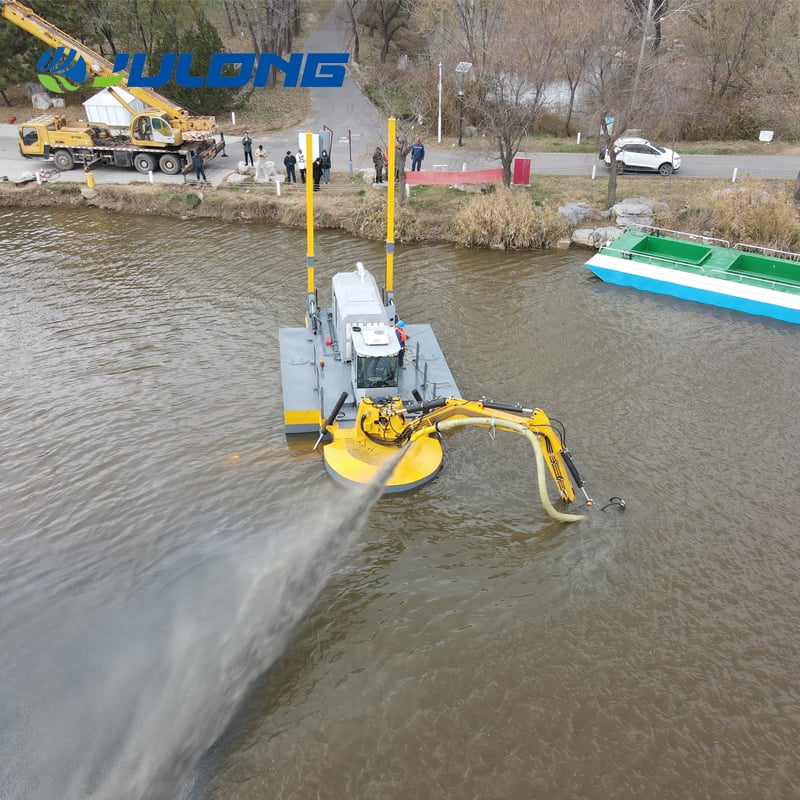
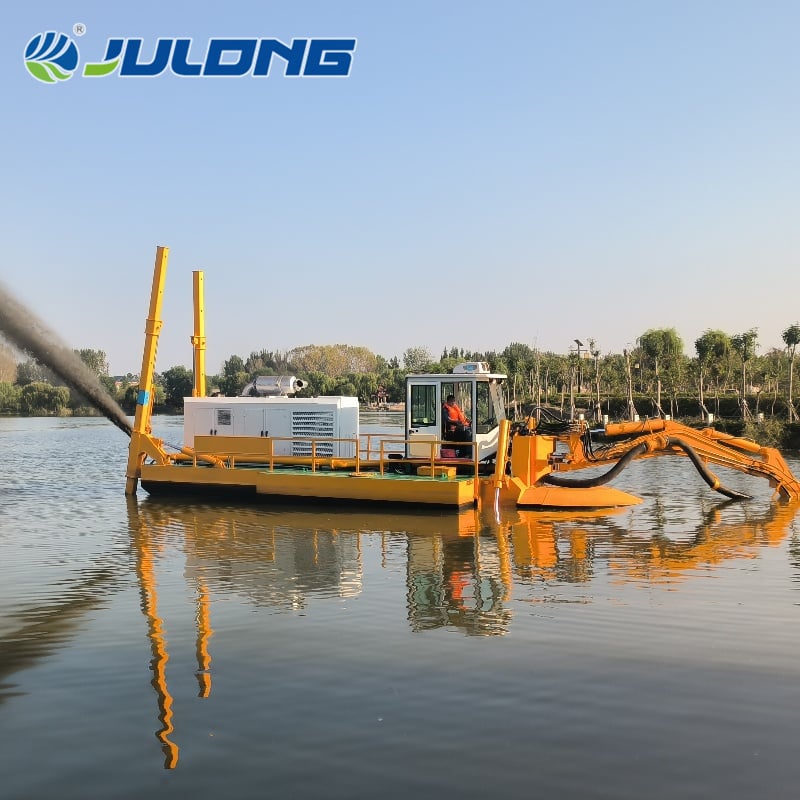
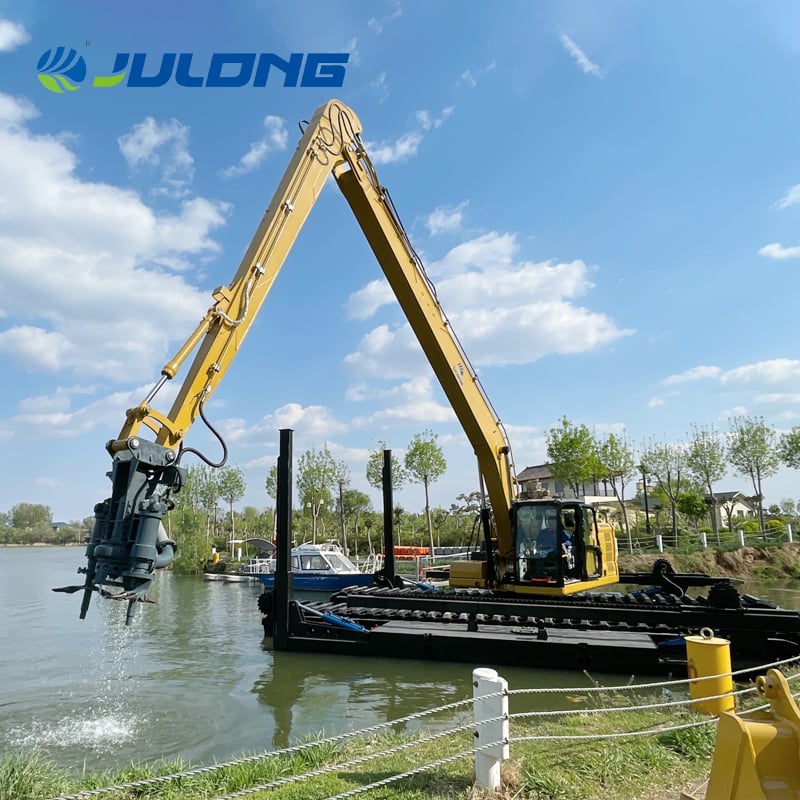
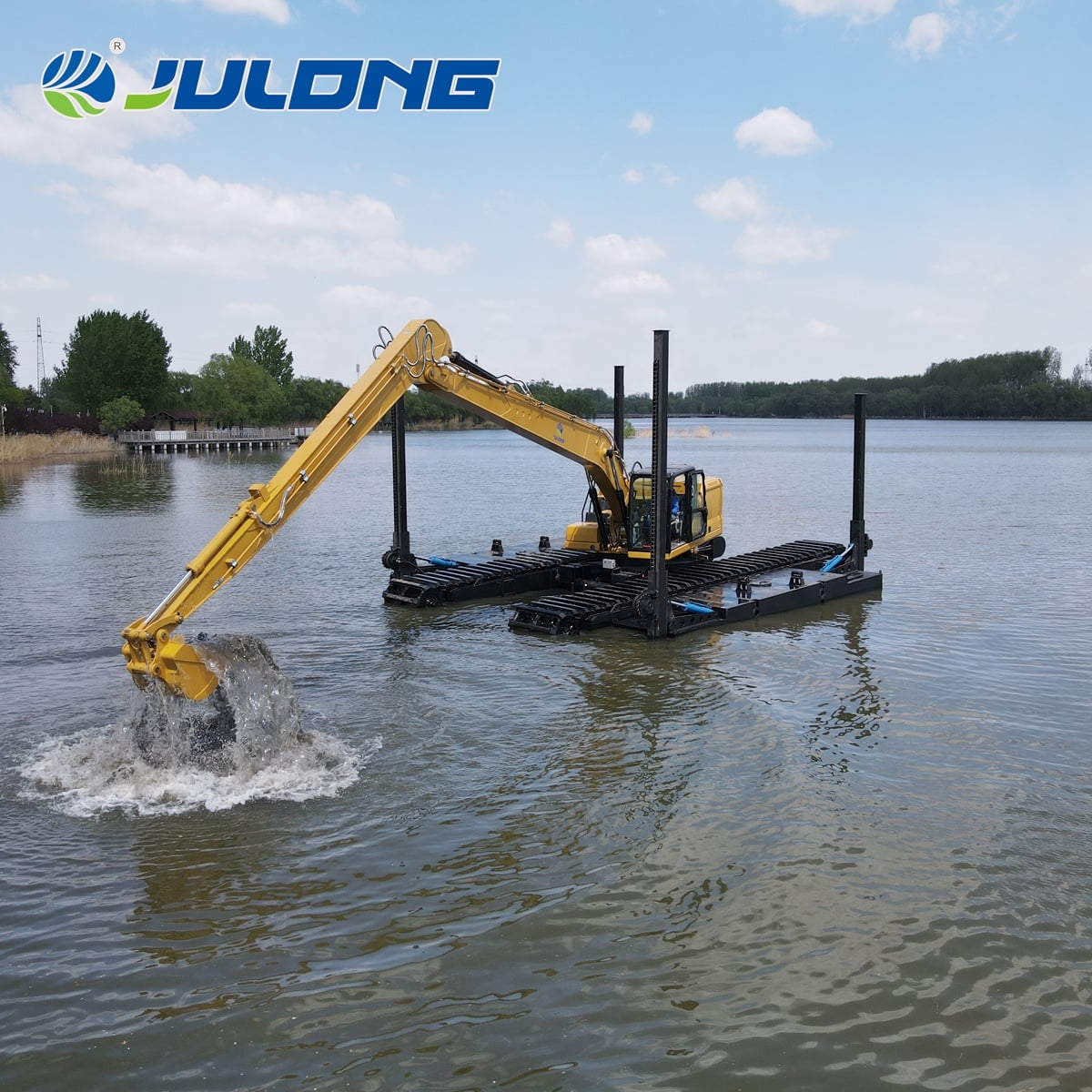
Mobility Features: Consider whether the dredger needs to be amphibious or if it will operate solely on land or water. Amphibious dredgers provide flexibility but may have different operational specifications. 

By thoroughly evaluating these specifications, buyers can ensure the small dredging equipment matches their project requirements, enhancing both performance and cost-effectiveness.

Frequently Asked Questions

What types of dredgers do you offer for river projects?

We provide cutter suction dredgers, amphibious dredgers, and excavator-mounted solutions designed for river, lake, and port dredging tasks.
Yes. Our equipment carries ISO and CE certifications and is built to meet international quality and safety standards.
Yes. Our models are engineered for diverse riverbed types, variable depths, and flow conditions to ensure efficient, reliable operation.
We offer technical support, spare parts, and maintenance guidance from our 12,000 m² facility to ensure long-term performance.
Yes. We serve customers in 93 countries, offering shipping, documentation, and support tailored to international projects.

Get a Free Quote

Our representative will contact you soon.
0/1000