Dredging Applications in Ports: Key Insights

application/dredging-in-ports, application/dredging-in-ports, 
Inquiry
Inquiry

Dredging in ports

Dredging in ports is an essential operation for maintaining navigable waterways, supporting maritime trade, and ensuring the safety of vessel movements.  As purchasing managers and decision-makers in the maritime and construction sectors explore solutions for port projects, understanding the intricacies of dredging equipment becomes paramount. This article will delve into the applications of dredging in ports, the balance between cost and quality, purchasing tips, common challenges, and the benefits of using high-quality suction dredging equipment materials. 

Cost vs. Quality Factors

Cost vs. Quality Factors

When evaluating dredging equipment for port projects, buyers often face a critical decision: balancing cost with quality. The initial purchase price of dredging machinery is an important consideration, but it should not be the sole factor. Here are some key elements to consider:

Durability: High-quality dredgers are built to withstand tough marine environments, reducing the need for frequent repairs or replacements. Investing in durable equipment can lead to lower long-term costs.Efficiency: More efficient dredging equipment can significantly reduce operational costs, including fuel consumption and labor. This efficiency can translate into savings over the life of the machine. Technical Support and Warranty: Quality manufacturers typically offer comprehensive support and warranties, ensuring that any issues can be quickly addressed, minimizing downtime. Resale Value: High-quality equipment often retains its value better than lower-cost alternatives, providing a better return on investment should you decide to upgrade in the future. 

By carefully weighing these factors, purchasing managers can make informed decisions that align with both budget constraints and project requirements. 

Wholesale Purchasing Tips for Dredging Equipment Suppliers

Wholesale Purchasing Tips for Dredging Equipment Suppliers

When sourcing dredging equipment from suppliers, several strategies can enhance the purchasing process:

Define Requirements Clearly: Provide detailed specifications, including the type of project, expected sand dredging equipment depth, and material characteristics. This clarity helps suppliers propose the most suitable equipment. Request Comprehensive Quotations: Ensure that quotations include all associated costs, such as shipping, installation, and training. This will help avoid unexpected expenses later in the process. Evaluate Supplier Credentials: Investigate potential suppliers' certifications, manufacturing capabilities, and past project experience. A reliable supplier should have a proven track record in the industry.Negotiate Terms: Don’t hesitate to discuss payment terms, warranties, and after-sales support. A good supplier will be open to negotiations that benefit both parties. 

Establishing a strong relationship with your supplier can lead to better service and support throughout the project lifecycle. 

understanding the complexities of dredging in ports is crucial for making informed purchasing decisions. By considering the applications, balancing cost and quality, following effective purchasing tips, addressing common problems, and prioritizing quality materials, B2B buyers can ensure successful dredging operations that support their project goals. 

Common Dredging Problems and Effective Solutions

Common Dredging Problems and Effective Solutions

Dredging operations can present various challenges that may impact productivity and safety. Being aware of these issues and having strategies to mitigate them can enhance project outcomes:

Equipment Blockages: Dredgers can experience blockages due to large debris or compacted material. Regular maintenance checks and operator training on handling these situations can minimize downtime. Inaccurate Dredging Depth: Failure to maintain the correct dredging depth can lead to navigation hazards. Implementing precise depth control systems and regularly calibrating equipment can ensure accuracy. Environmental Regulations Compliance: Non-compliance with environmental regulations can lead to costly fines and project delays. Engaging environmental consultants during the planning phase can help navigate these complexities. Weather Conditions: Adverse weather can halt operations. Having contingency plans and flexible scheduling can help manage risks associated with weather interruptions. 

By proactively addressing these common problems, project managers can improve overall efficiency and project success. 

Exploring the Advantages of Quality Dredging Materials

The materials used in dredging equipment and the sediment being dredged can significantly affect performance and outcomes. High-quality materials are essential for several reasons:

Resistance to Wear and Corrosion: Equipment made from high-grade materials is less susceptible to wear and tear, leading to lower maintenance costs and extended equipment lifespan. Operational Efficiency: Quality materials often improve the efficiency of dredging operations, allowing for faster and more effective sediment removal. Safety: Using durable materials reduces the risk of equipment failure, which can be dangerous for operators and costly in terms of project delays. Environmental Considerations: Quality dredging materials can help minimize environmental impact, ensuring that operations align with sustainability goals. 

Investing in quality materials and equipment not only enhances operational efficiency but also contributes to the long-term success of port projects. 

understanding the complexities of dredging in ports is crucial for making informed purchasing decisions. By considering the applications, balancing cost and quality, following effective purchasing tips, addressing common problems, and prioritizing quality materials, B2B buyers can ensure successful dredging operations that support their project goals. 

Understanding Dredging Applications for Port Projects

Dredging in ports primarily involves removing sediment and debris from the bottom of water bodies to maintain or deepen navigation channels, berths, and turning basins. The specific applications can vary widely based on the project requirements, including:

Maintenance Dredging: Regularly performed to remove silt and sediment that naturally accumulates, ensuring safe navigation for vessels. Capital Dredging: Involves deepening or widening existing channels or creating new ones, often necessary for accommodating larger vessels. Environmental Dredging: Targets the removal of contaminated sediments to restore aquatic habitats and improve water quality. 

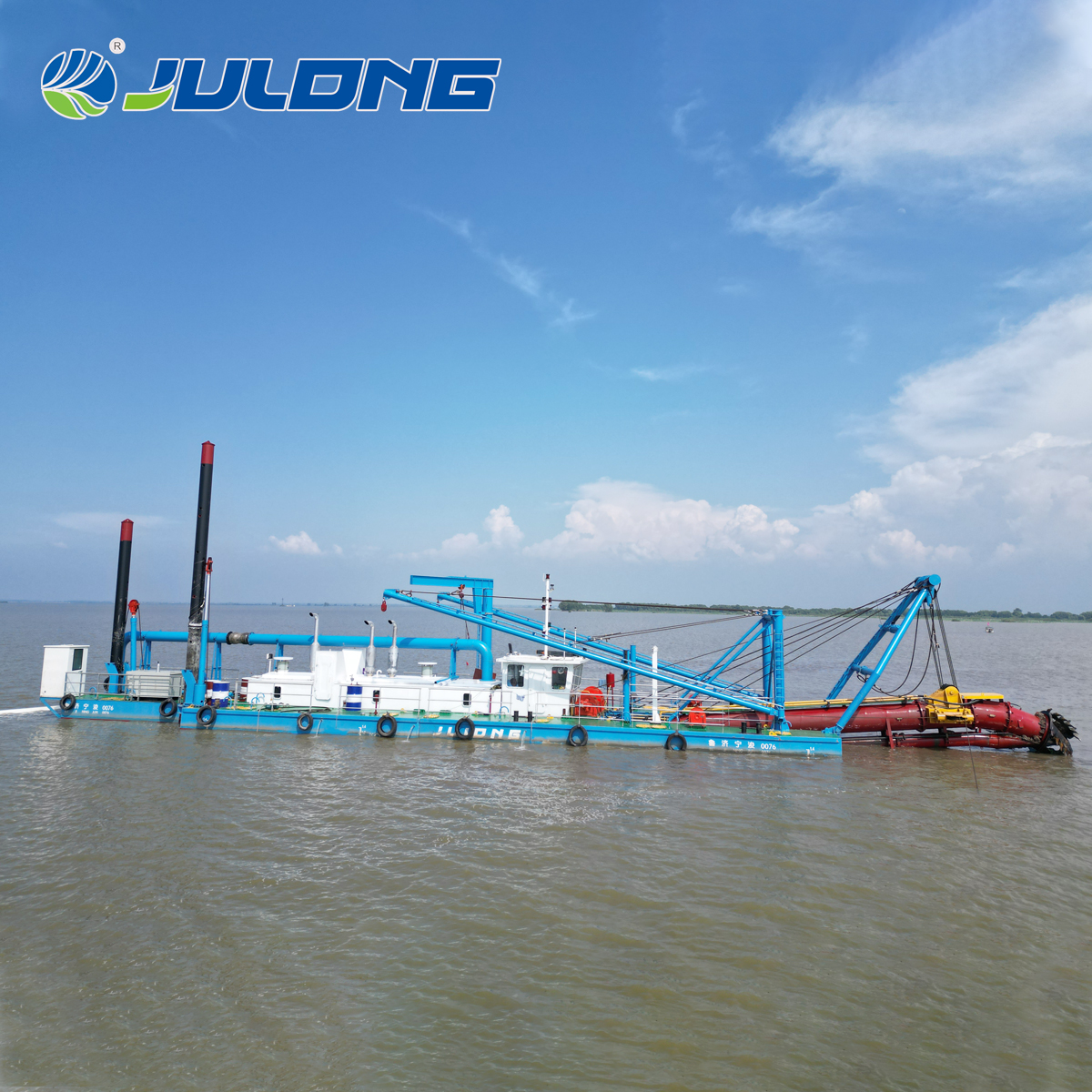
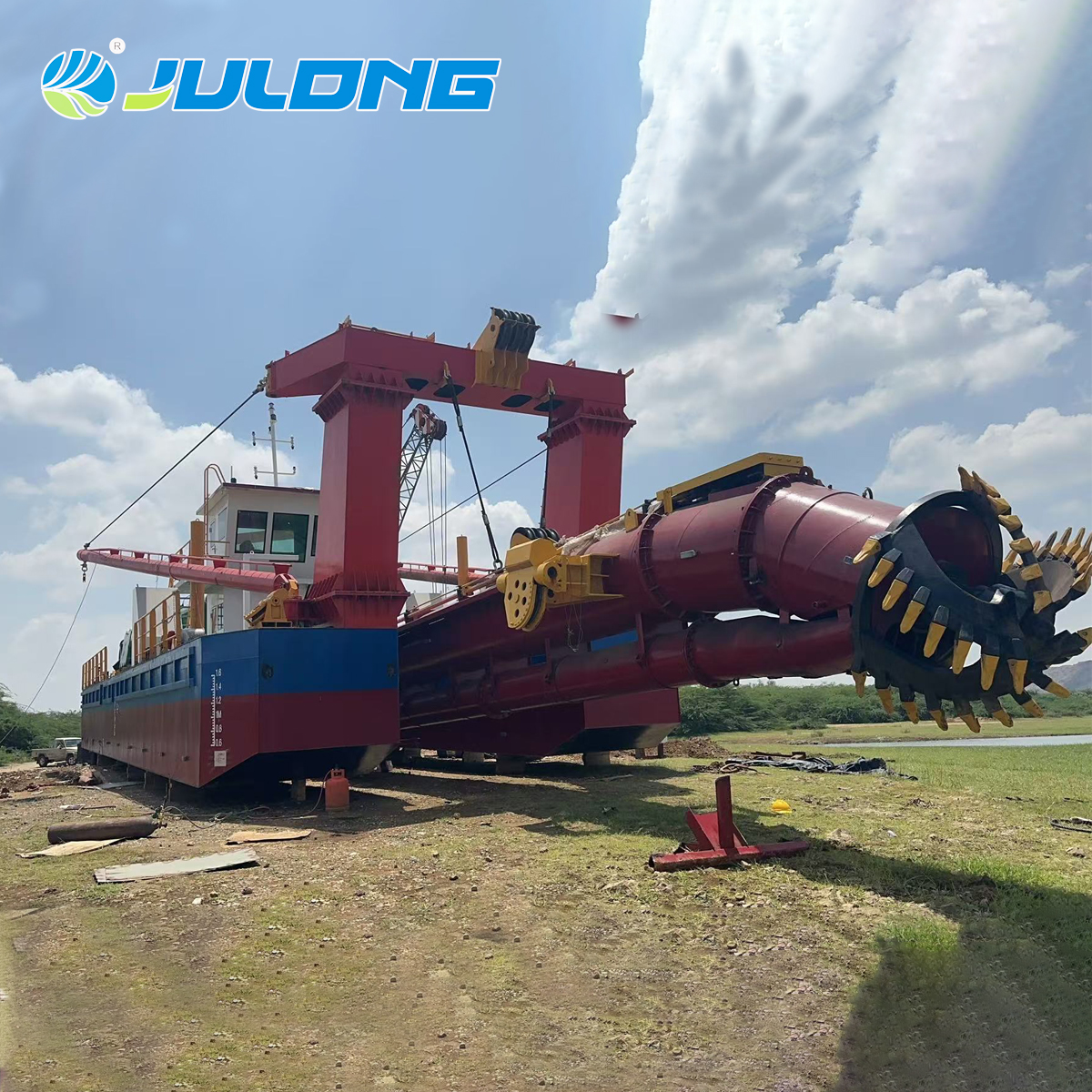
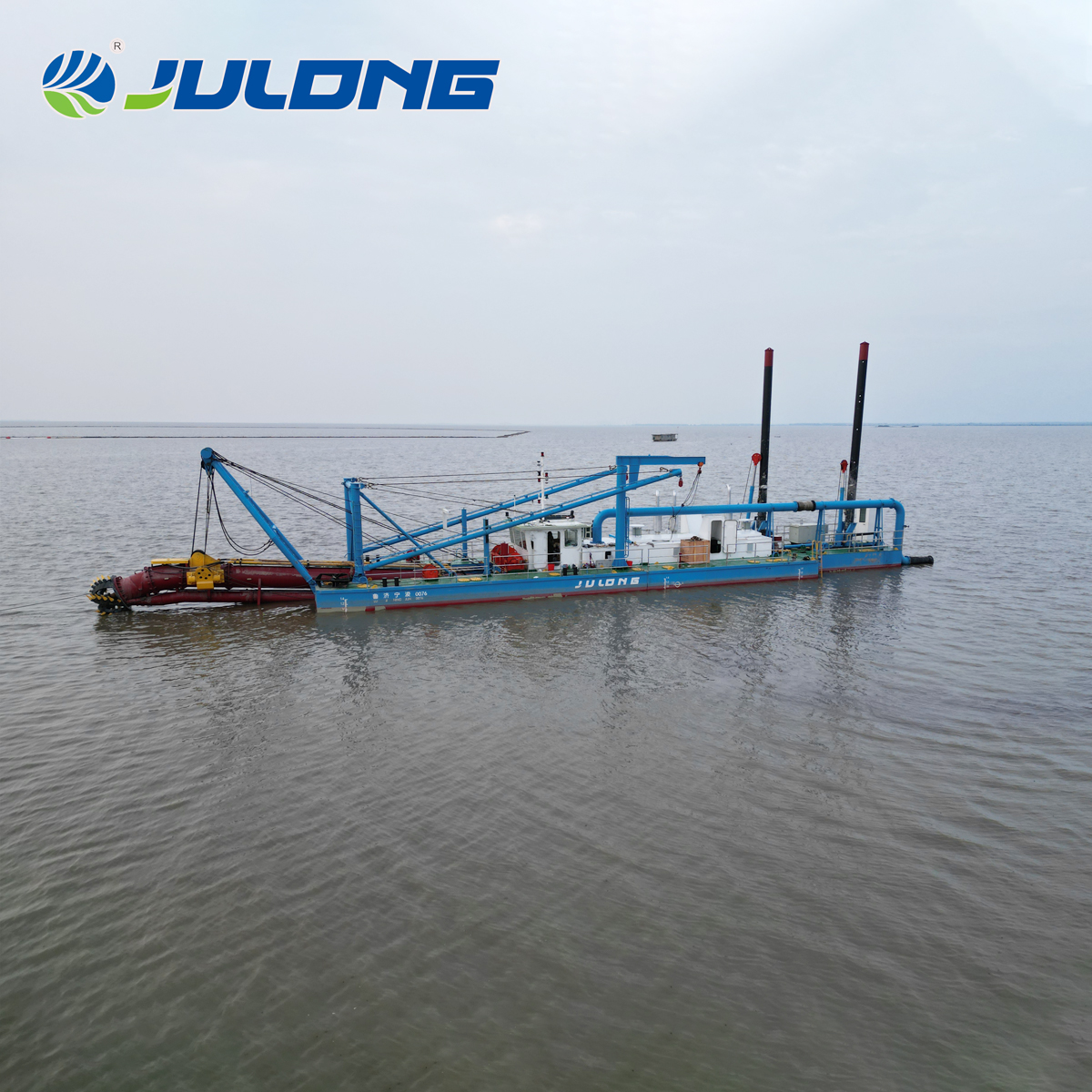
Each type of pond dredging equipment requires specialized equipment, such as cutter suction dredgers and amphibious dredgers, tailored for different marine environments.  Understanding the specific requirements of your project will help in selecting the right equipment and ensure compliance with local regulations. 

Frequently Asked Questions

What dredging services do you provide for ports?

We supply cutter suction and amphibious dredgers plus excavators for port maintenance, berth deepening, channel clearance, and sediment management tailored to project needs.
Yes. Our equipment carries ISO and CE certifications and is built for durability and efficient operation in harsh port environments.
Yes. We design and configure dredgers and attachments to match depth, soil type, and operational requirements for each port project.
We provide technical guidance, spare parts supply, commissioning assistance, and remote or onsite support to ensure continuous operation.
Yes. From our 12,000 m² facility we export to 93 countries and coordinate logistics, installation, and local service support worldwide.

Get a Free Quote

Our representative will contact you soon.
0/1000