Top Benefits of Dredging in Harbors

application/dredging-harbor, application/dredging-harbor, 
Inquiry
Inquiry

Dredging harbor

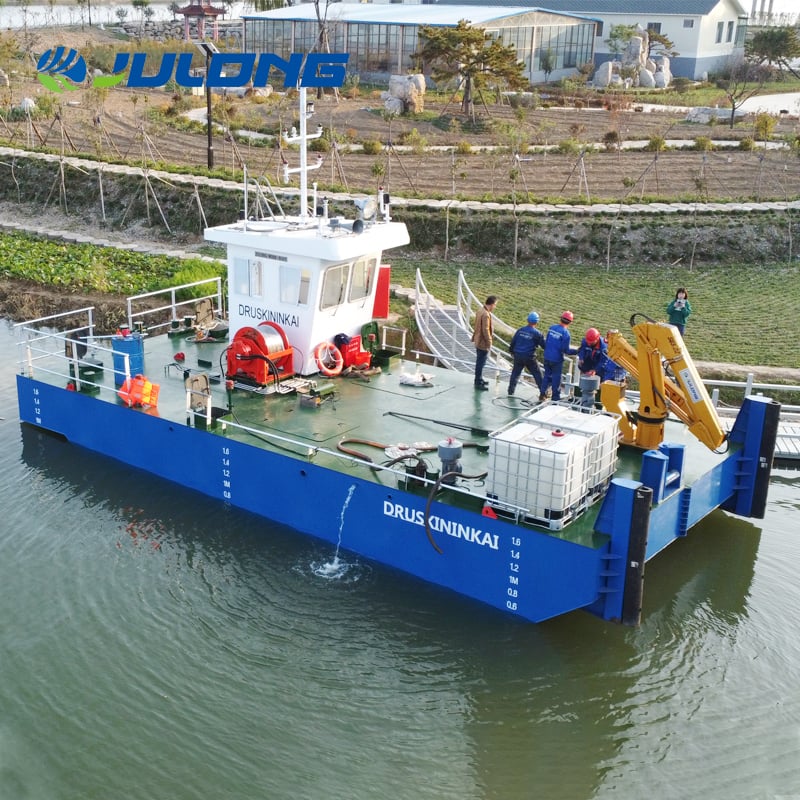
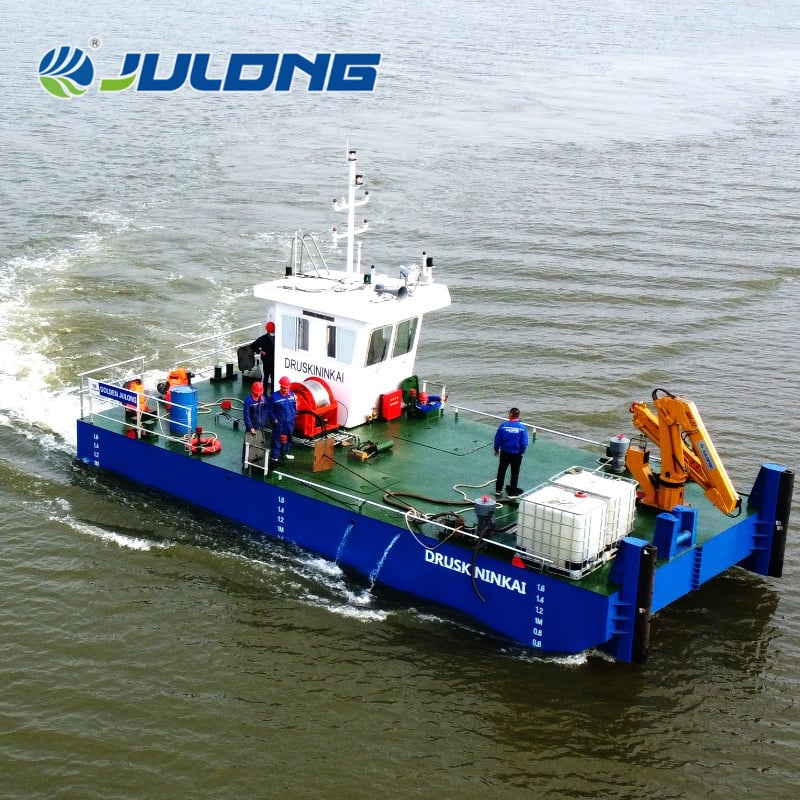
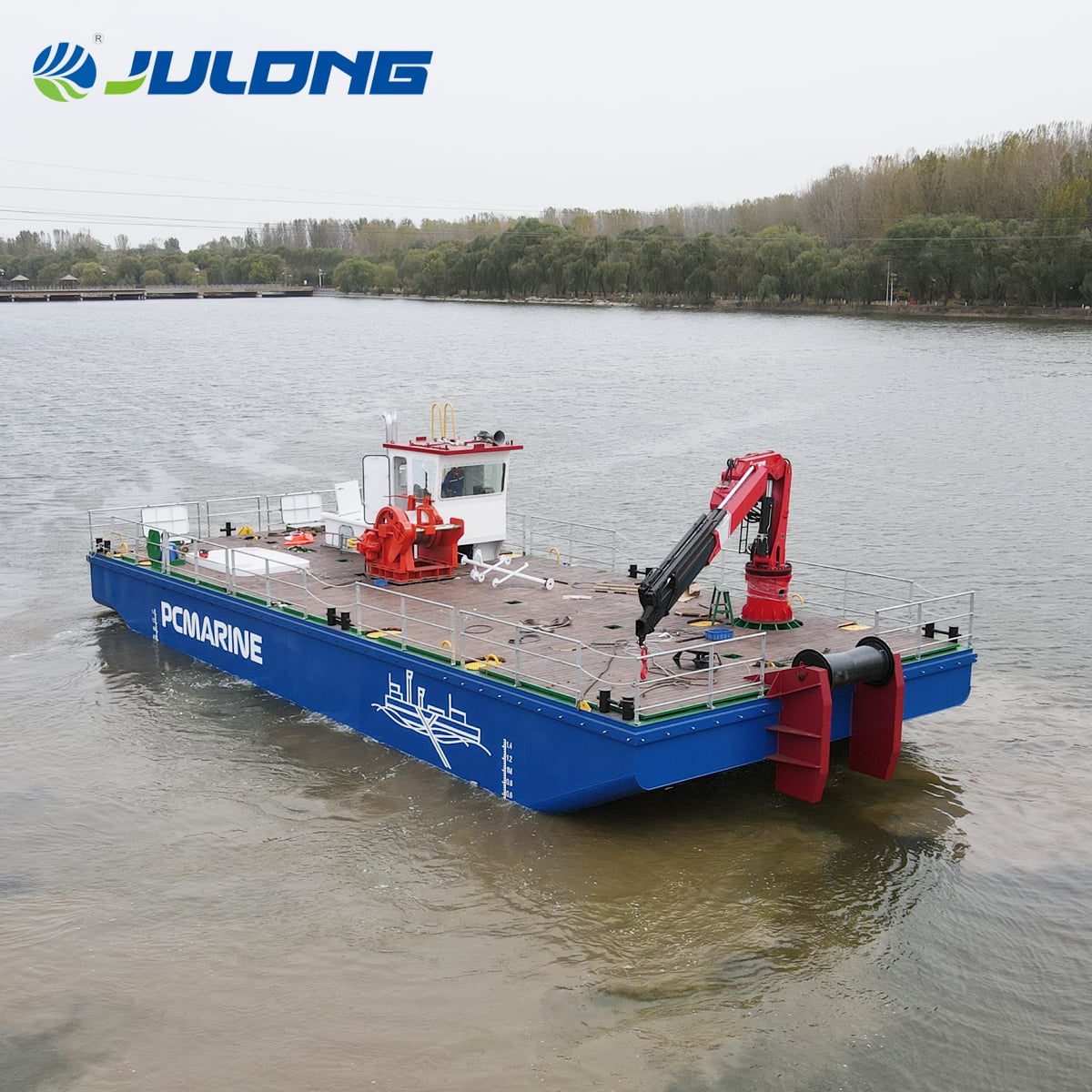
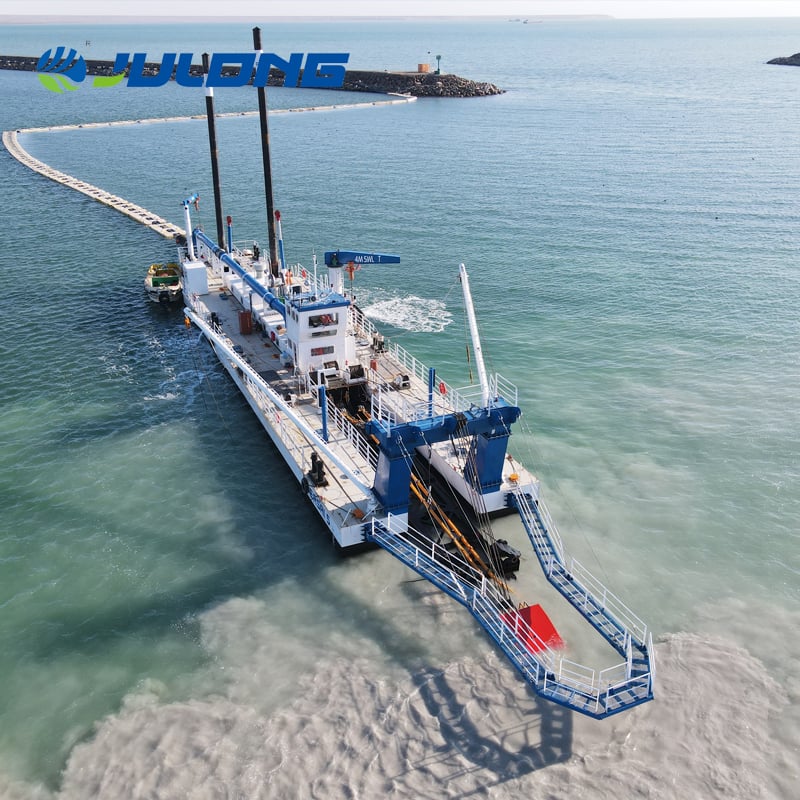
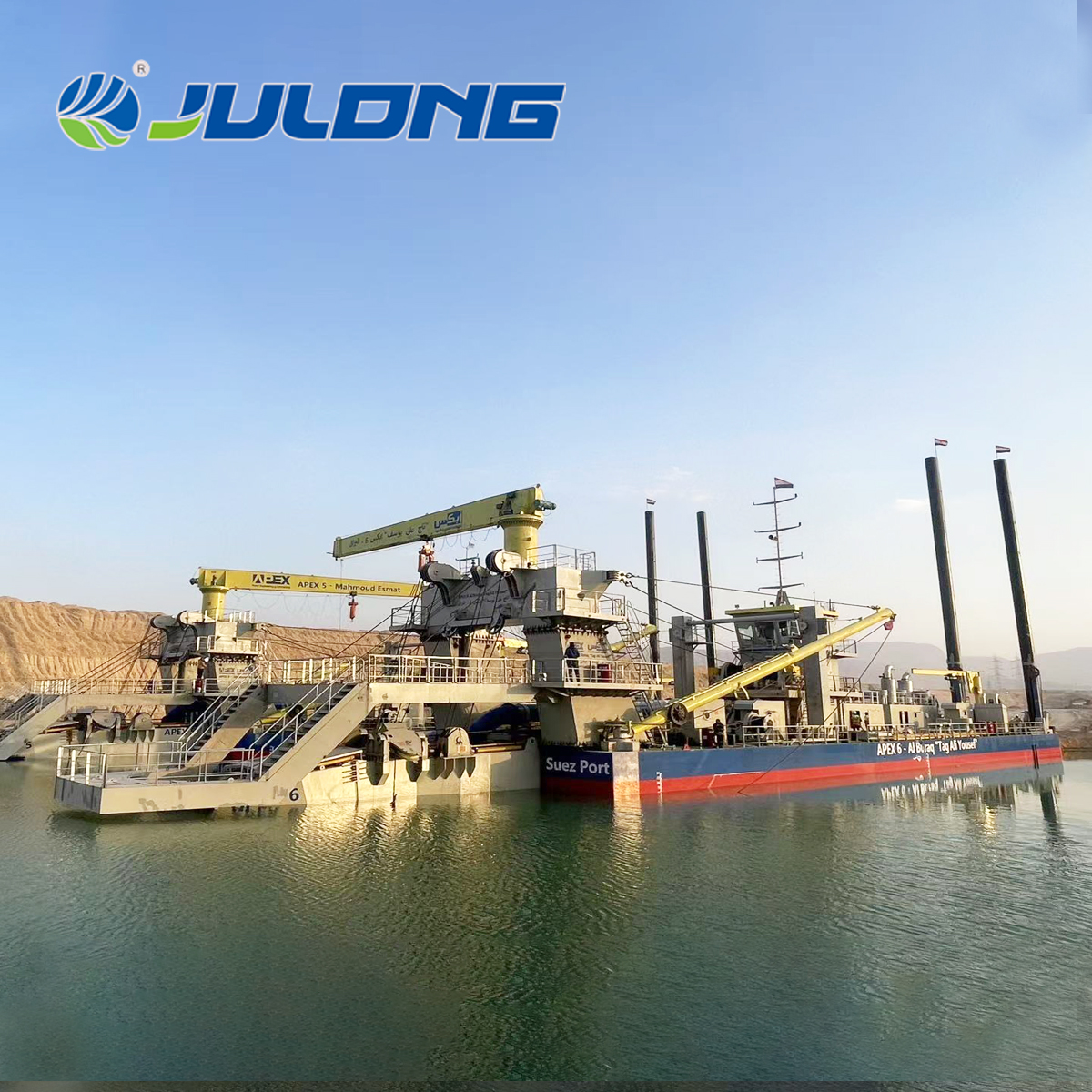
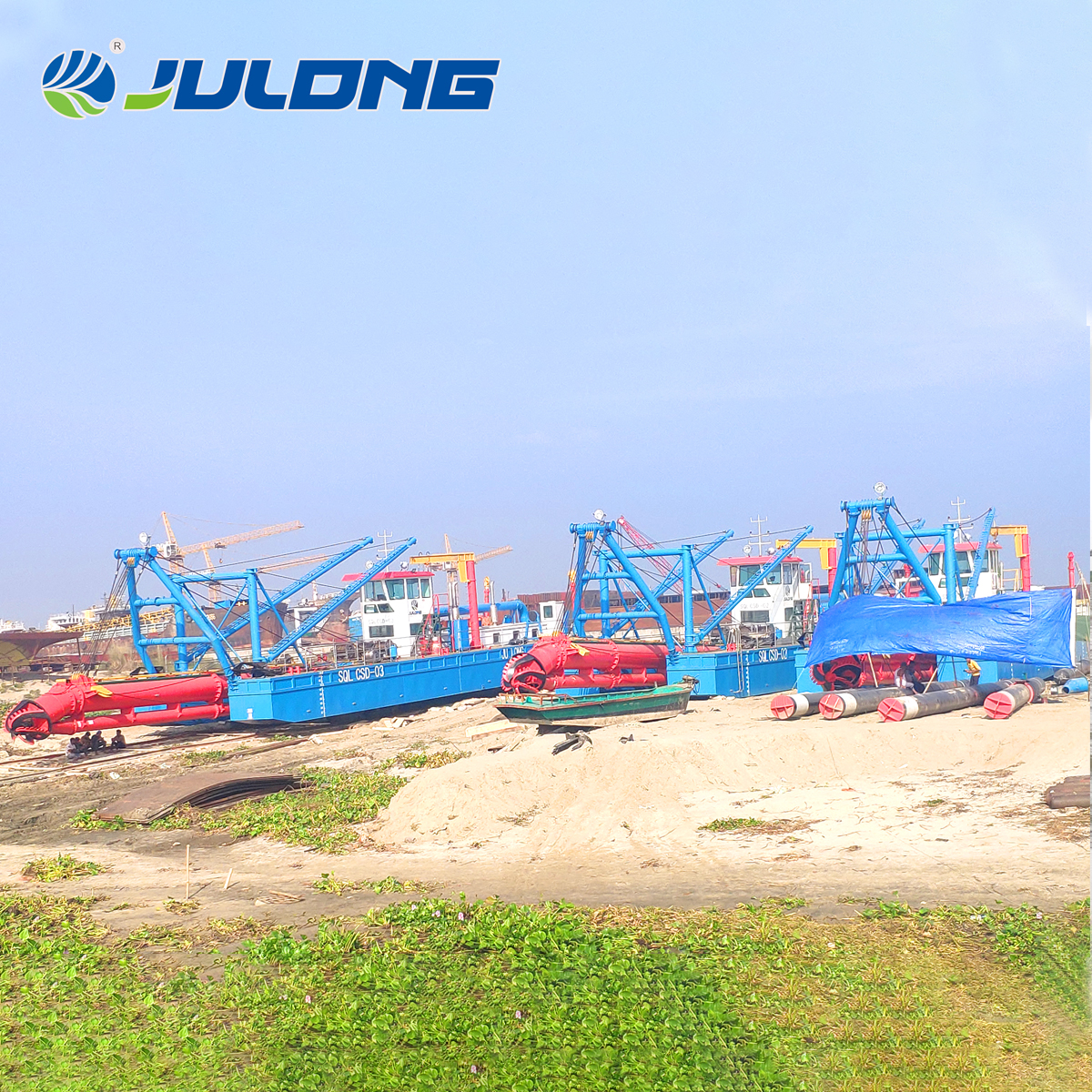
Dredging harbors is a critical activity in maintaining navigable waterways and supporting maritime commerce. This process typically involves removing sediment and other materials from the bottom of bodies of water, ensuring that ships can safely enter and exit ports. For purchasing managers and project engineers, understanding the benefits and features of dredging equipment, particularly cutter suction dredgers and amphibious dredgers, is essential. This article will delve into the top benefits of cutter suction dredgers, compare the features of JULONG amphibious dredgers, outline cost factors to consider, provide installation guidance, and address common problems encountered during dredging equipment. This article will help you to understand the product more, so keep on reading it all. 

Comparing Features of Amphibious Dredgers for Harbor Projects

Comparing Features of Amphibious Dredgers for Harbor Projects

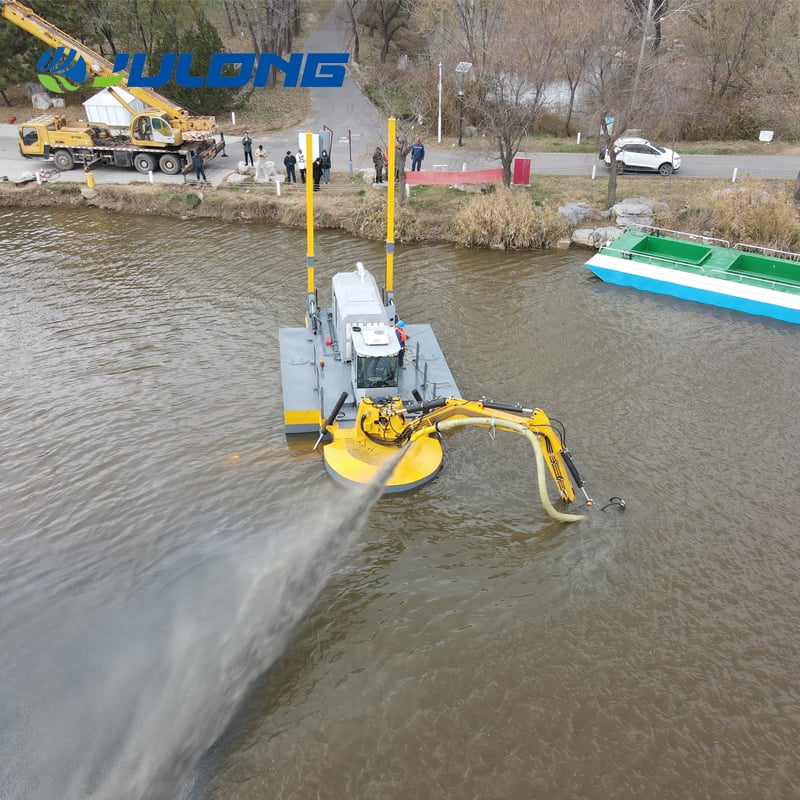
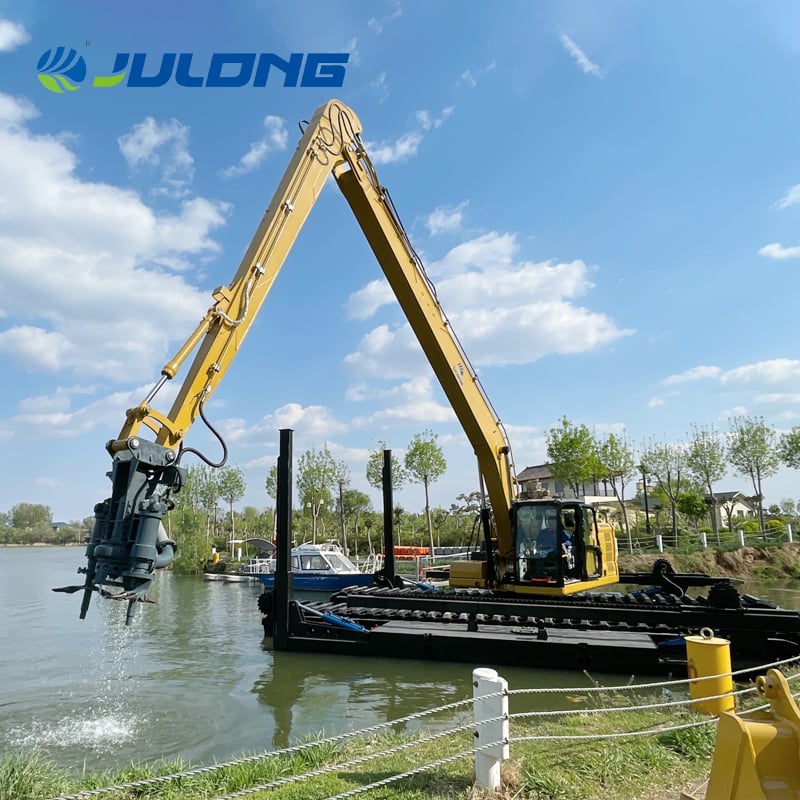
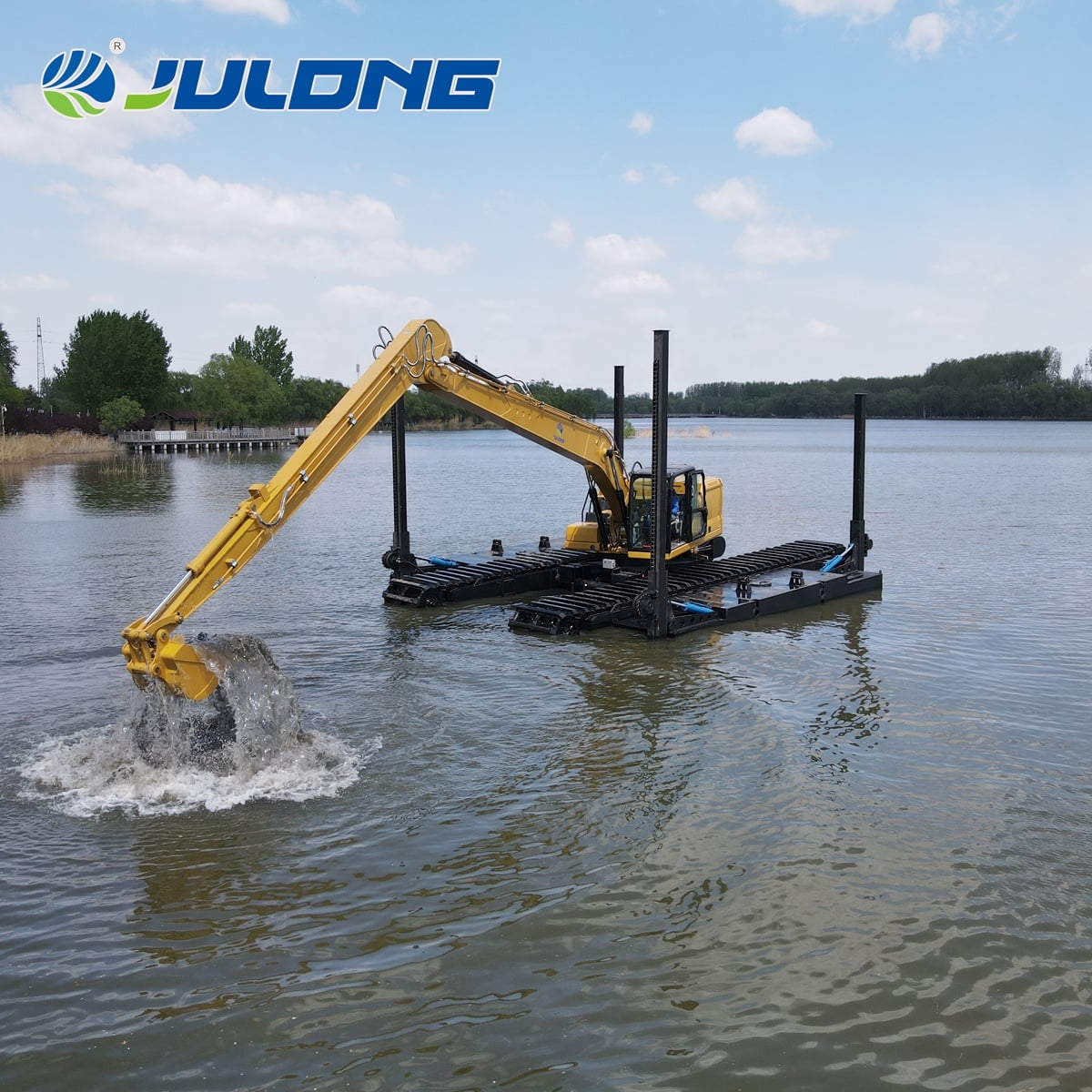
Amphibious dredgers are specialized machines designed to operate in both water and on land, making them particularly useful for projects near marshy or unstable areas. When comparing features of amphibious dredgers for harbor projects, several key aspects should be considered. 

First, the adaptability of the dredger is crucial. Amphibious dredgers should have adjustable tracks or pontoons that allow them to transition smoothly between land and water. This flexibility is vital for maintaining project timelines and ensuring that dredging can continue regardless of changing environmental conditions. 

Next, consider the dredger's power and efficiency. The engine specifications and hydraulic systems should be robust enough to handle various materials while minimizing fuel consumption. This balance is particularly important for long-term projects where operational costs can escalate quickly. 

Finally, assess the dredging depth and suction capabilities. Amphibious dredgers should be able to reach significant depths while maintaining strong suction power to remove sediment effectively. Comparing these features will help ensure that the selected dredger meets the specific needs of the harbor project.

Cost Factors to Consider for Dredging Harbor Projects

Cost Factors to Consider for Dredging Harbor Projects

Several cost factors influence the overall pricing of JULONG dredging harbor projects. First, the choice of equipment plays a significant role in determining expenses. Cutter suction dredgers and amphibious dredgers come with different price points based on their capabilities and operational efficiency. Understanding the specific requirements of the project, such as sediment type, depth, and environmental conditions, will help in selecting the most cost-effective equipment. 

Operational costs, including fuel, maintenance, and labor, also need to be factored into the budget. Dredgers that are more fuel-efficient or require less maintenance may have higher upfront costs but could lead to significant savings over the project's lifespan. 

Moreover, permitting and environmental compliance costs should not be overlooked. Dredging operations often require adherence to local regulations that may involve additional permitting fees or environmental impact assessments. Therefore, it is essential to budget for these potential costs to avoid unexpected financial burdens.

Installation Guidance for Efficient Dredging Harbor Operations

Installation Guidance for Efficient Dredging Harbor Operations

Proper installation of dredging equipment is paramount for efficient harbor operations. Before deployment, it is crucial to conduct a thorough site assessment. This assessment should include underwater surveys to understand sediment composition and depth, which will inform the dredger's setup. 

Once the dredger is on-site, ensure that all connections—such as hoses and pumps—are secured and leak-free. Regular checks should be made on hydraulic systems to prevent any operational failures during dredging. 

Training operators on best practices for using the dredger can significantly enhance productivity. Operators should be familiar with the dredger's controls and features, ensuring they can respond quickly to any issues that arise during operation. Proper maintenance schedules should also be established, focusing on regular inspections and servicing to keep the dredger in optimal working condition.

Common Problems in Dredging and Effective Solutions

Dredging operations can encounter several common problems that may disrupt progress. One frequent issue is sediment clogging, which can occur when material is too dense or contains large debris. Implementing regular monitoring and using appropriate cutter heads can help mitigate this problem. 

Another challenge is environmental impact, particularly concerning water quality and local wildlife. To address this, dredging operations should prioritize environmental assessments and employ methods that minimize disturbance. Utilizing silt curtains can help contain sediment plumes, protecting surrounding aquatic environments. 

Additionally, JULONG equipment failures can lead to costly downtime. To prevent this, it is vital to establish a preventive maintenance program, including routine checks and timely repairs. Operators should be trained to recognize early signs of potential failures, allowing for proactive measures to be taken. 

By understanding these common problems and implementing effective solutions, river dredging equipment projects can proceed more smoothly, ensuring timely completion and optimal environmental stewardship.

Top Benefits of Using Cutter Suction Dredgers in Harbors

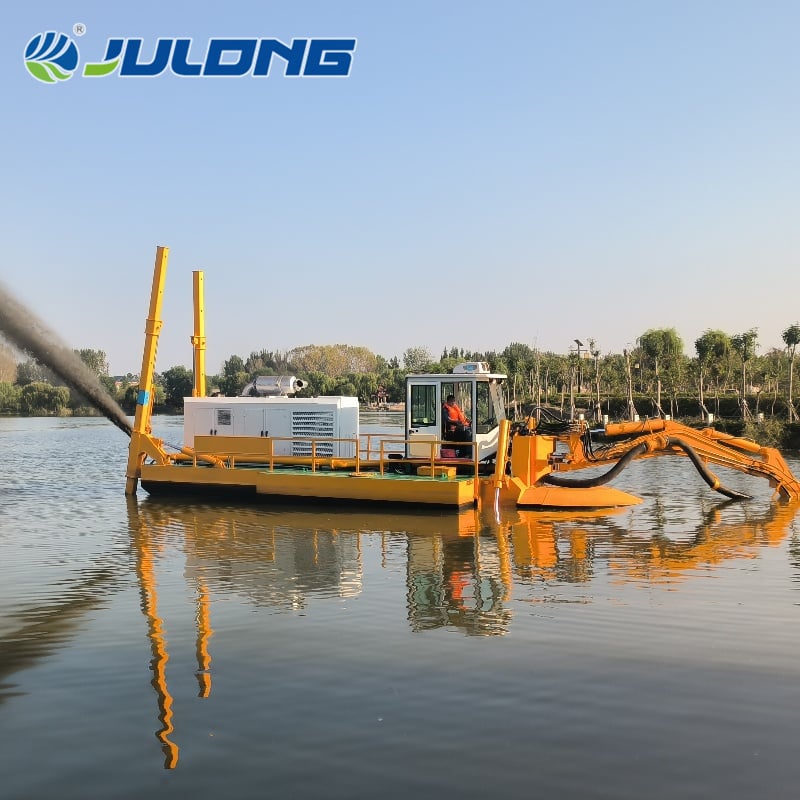
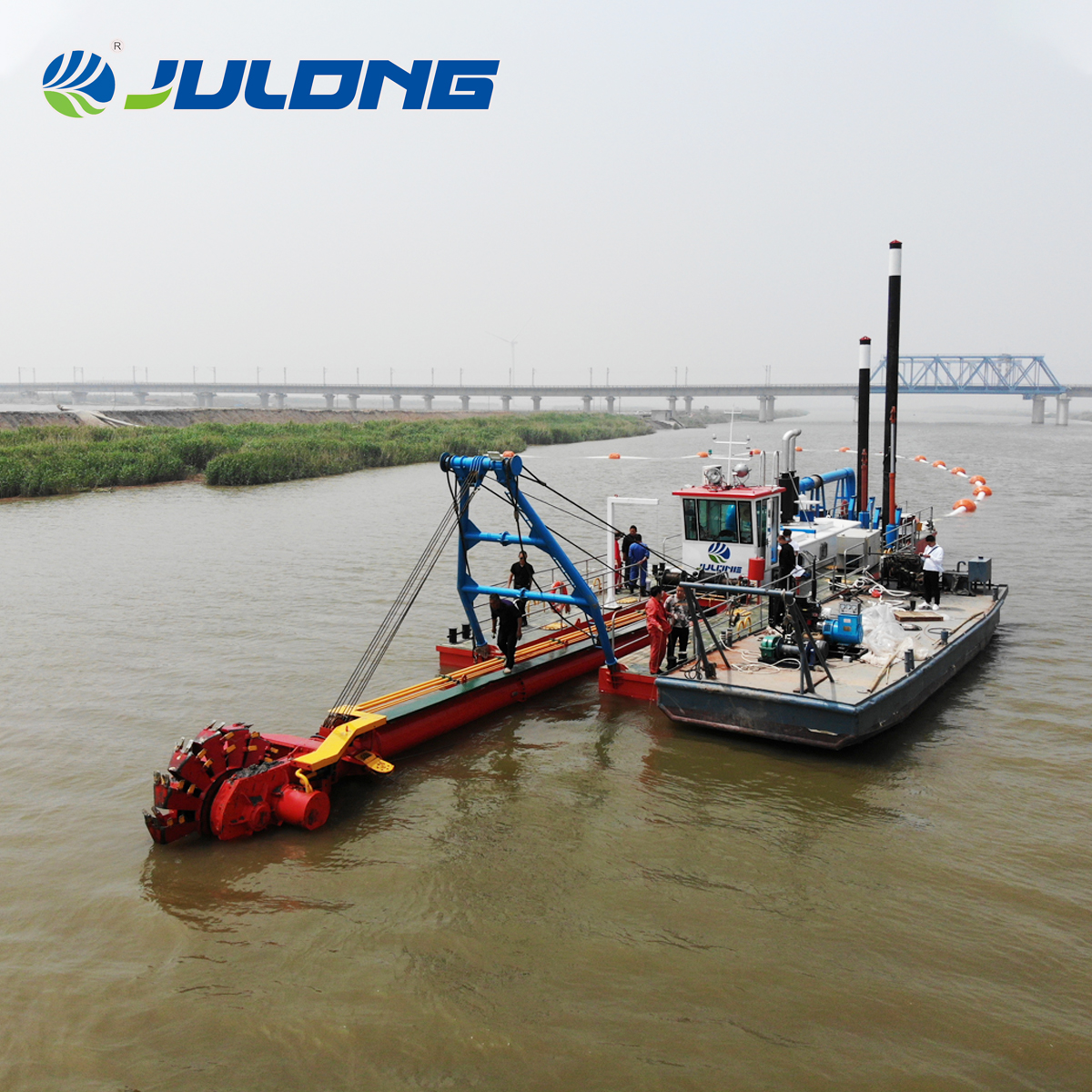
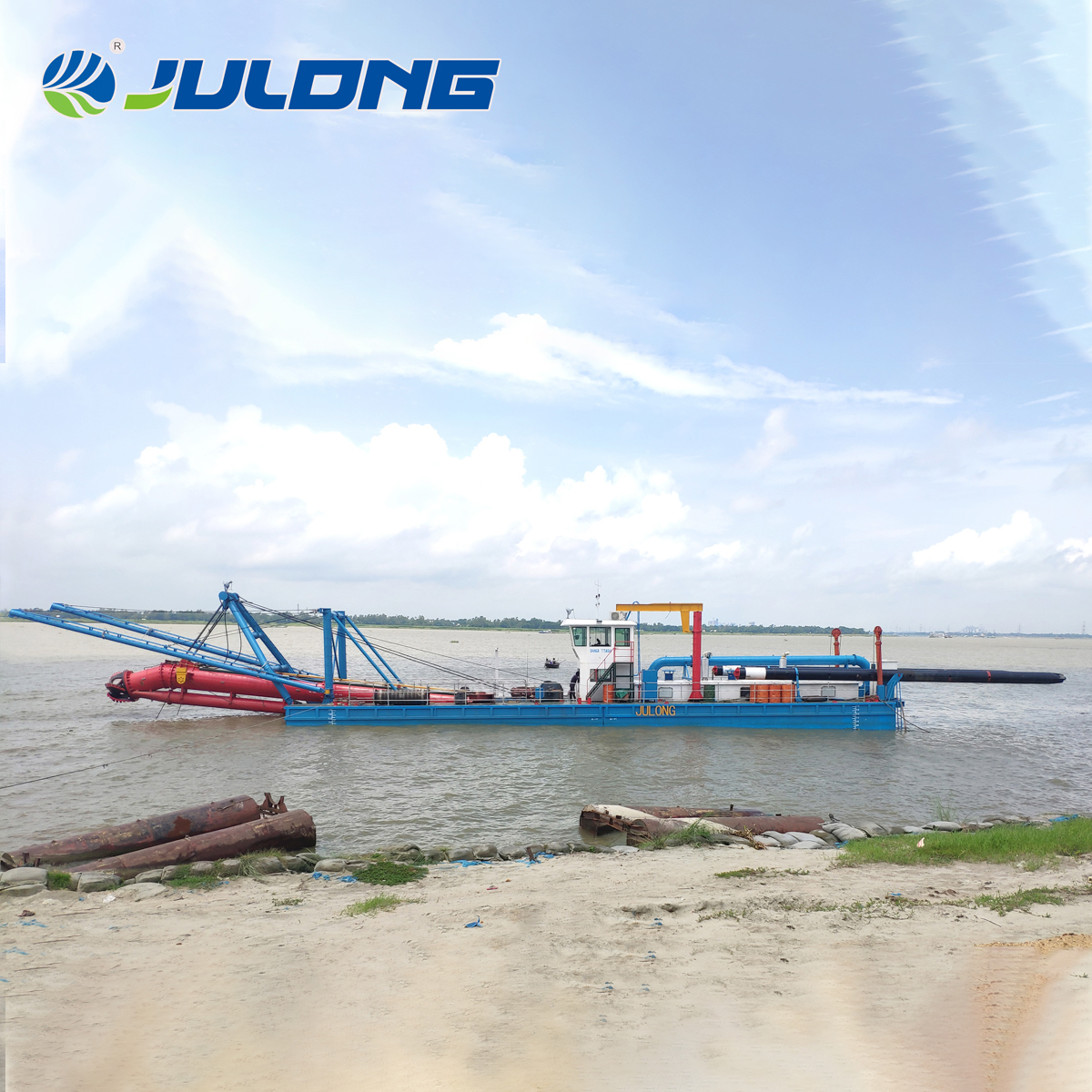
Cutter suction dredgers (CSDs) are renowned for their efficiency and versatility in harbor dredging. One of the primary advantages of CSDs is their ability to handle a wide range of materials, including soft silt and harder clay. This capability is essential for harbor projects where sediment composition can vary significantly. 

Additionally, CSDs can operate in shallow waters, making them ideal for dredging near shorelines and in confined spaces. Their suction system allows for precise material removal, reducing the risk of environmental disruption. Furthermore, CSDs are typically equipped with a dredging depth control system, ensuring consistent performance and minimizing the need for manual adjustments during operation. 

Another significant benefit is the ability to customize cutter heads, which can be tailored to specific material types and project requirements. This customization allows for enhanced productivity and efficiency in small dredging equipment operations, ultimately leading to lower operational costs.

Frequently Asked Questions

What is the dredging harbor product used for?

Our dredging harbor equipment is designed for port, river, and lake dredging to deepen channels, remove sediment, and maintain navigability for vessels.
We supply cutter suction dredgers, amphibious dredgers, and excavator-based solutions tailored for various harbor dredging needs.
Yes. Our machines carry ISO and CE certifications and are built for durability and efficient long-term operation.
We provide customized configurations, technical support, and project consultation to match site conditions and performance requirements.
We serve 93 countries from a 12,000 m² facility, producing robust dredging equipment suited for international harbor projects.

Get a Free Quote

Our representative will contact you soon.
0/1000