Dredging Business: Equipment Selection and Tips

application/dredging-business, application/dredging-business, 
Inquiry
Inquiry

Dredging business

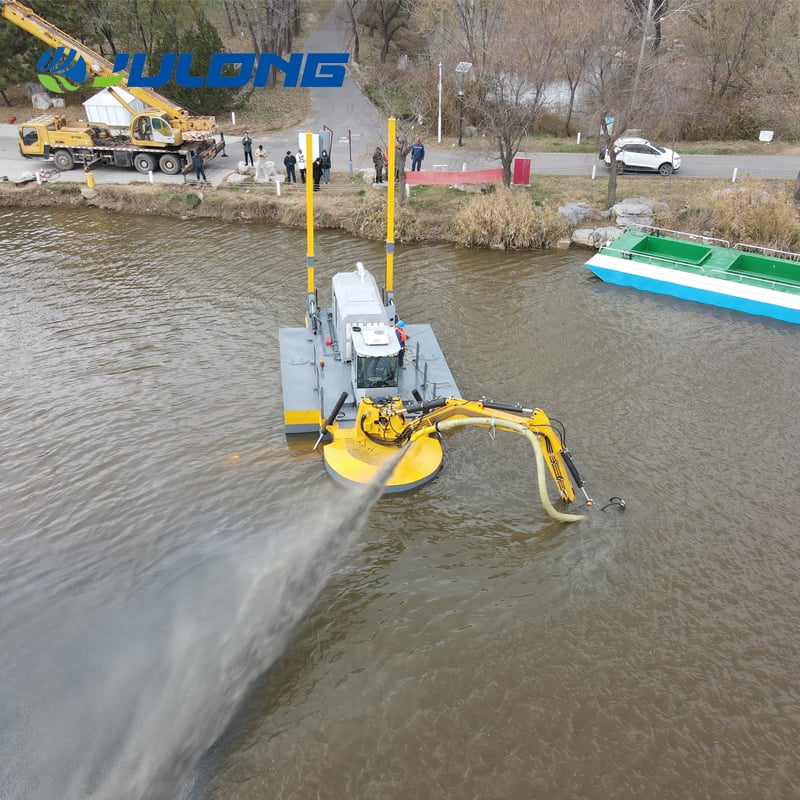
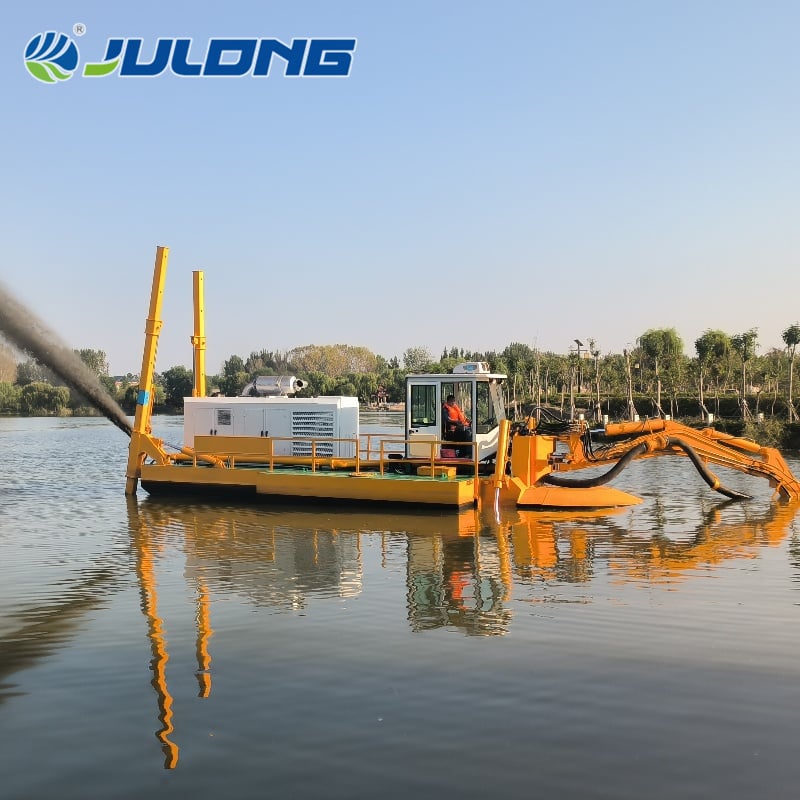
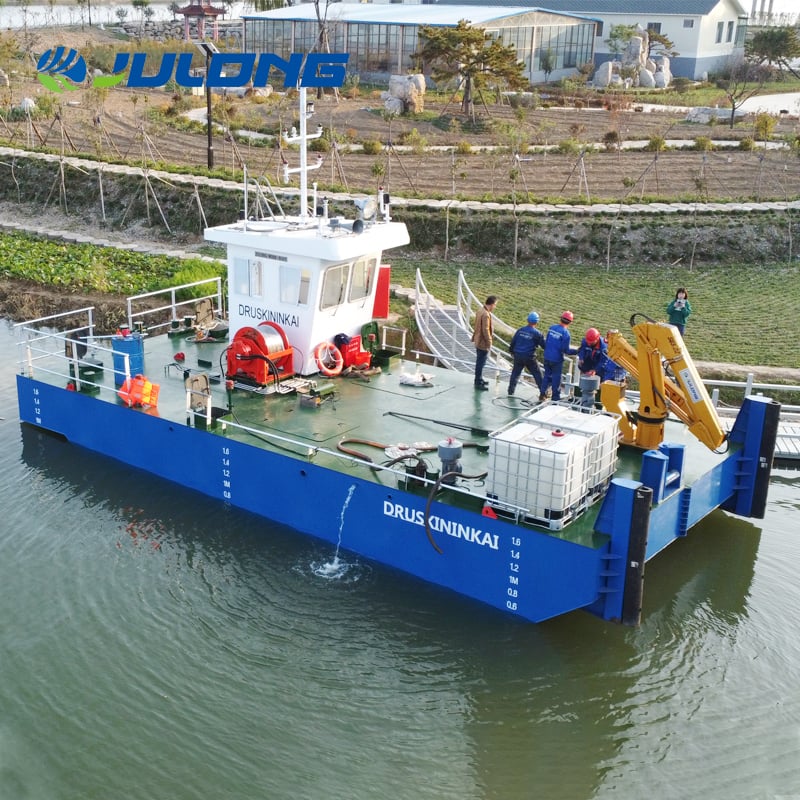
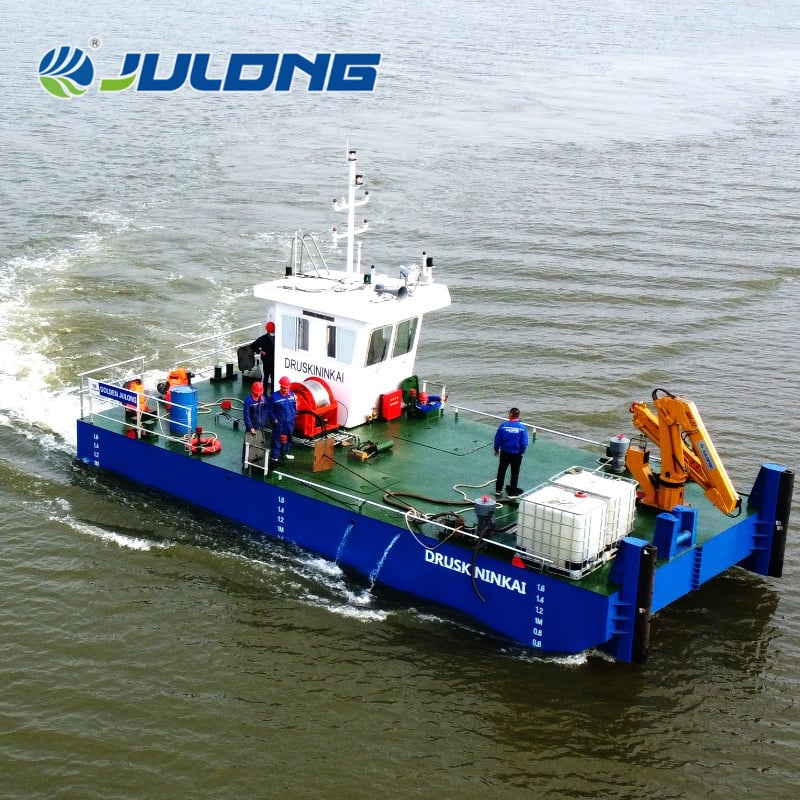
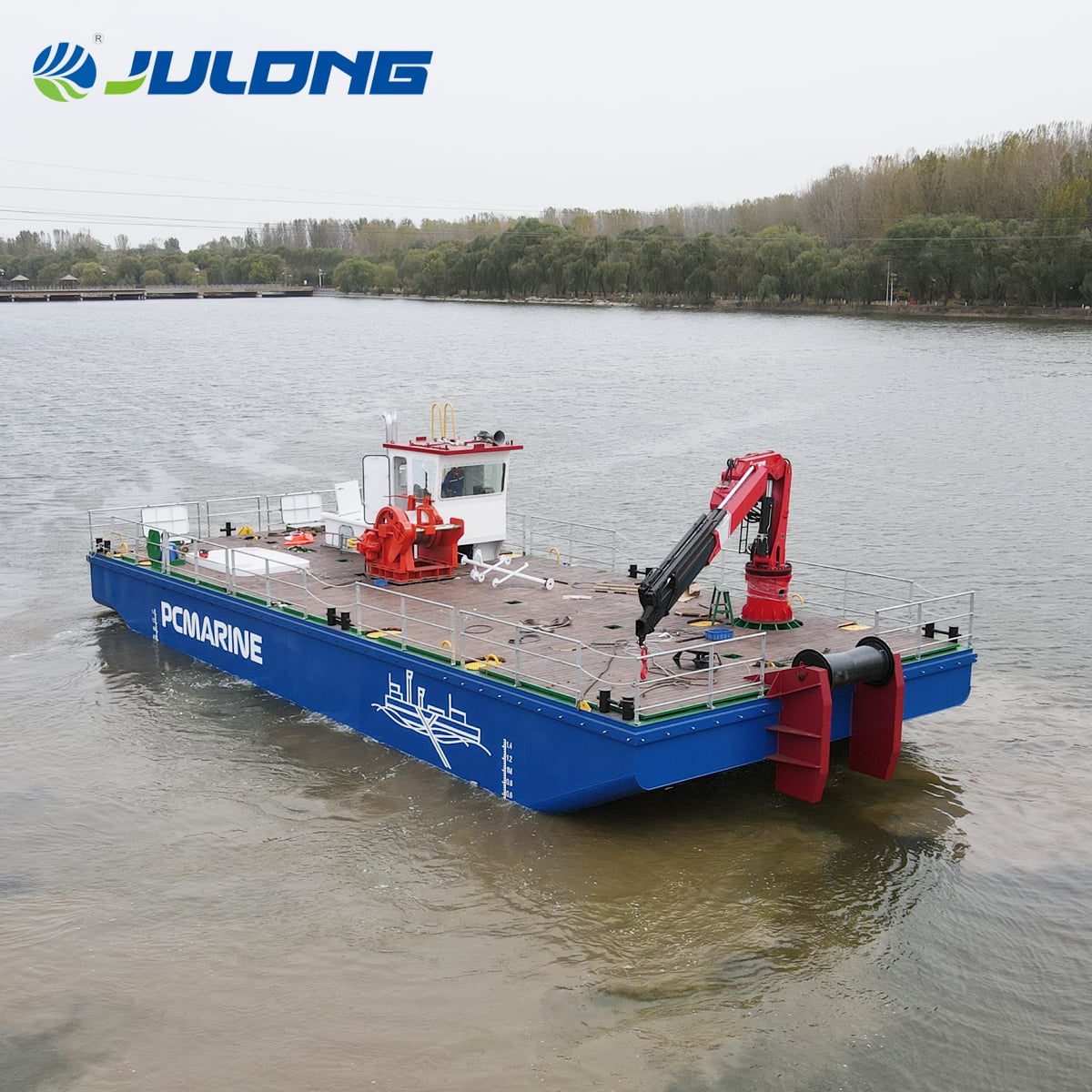
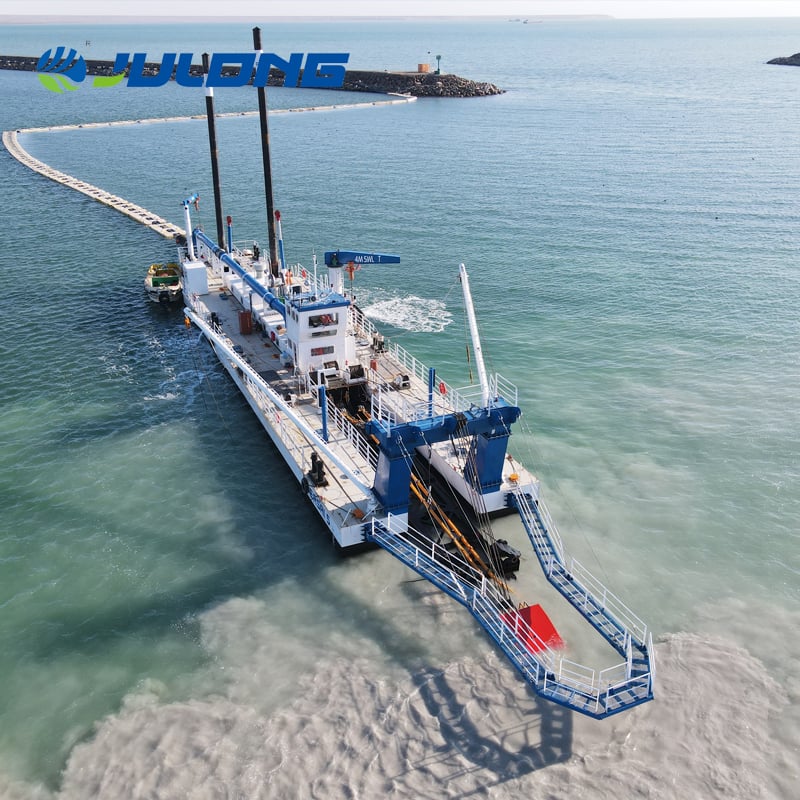
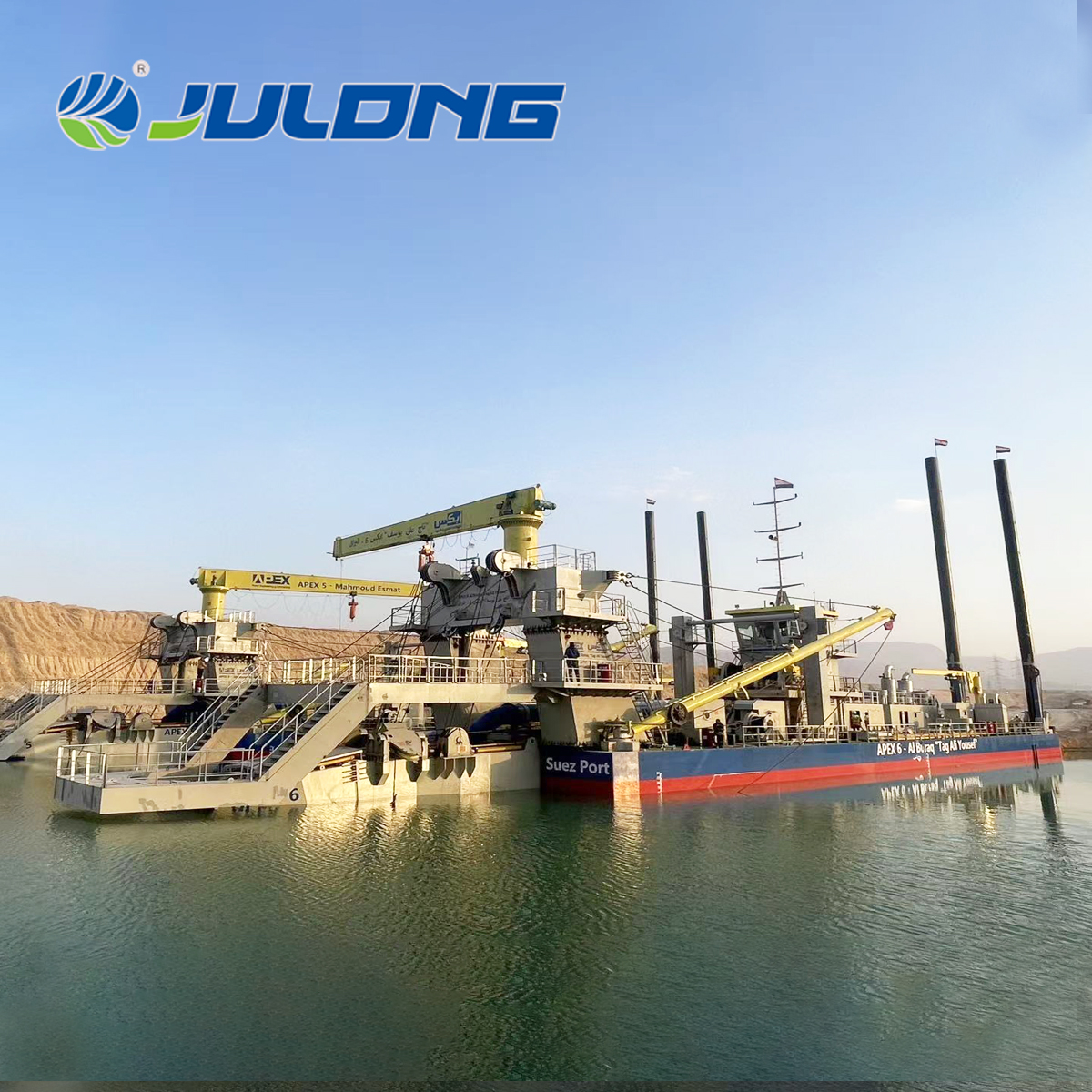
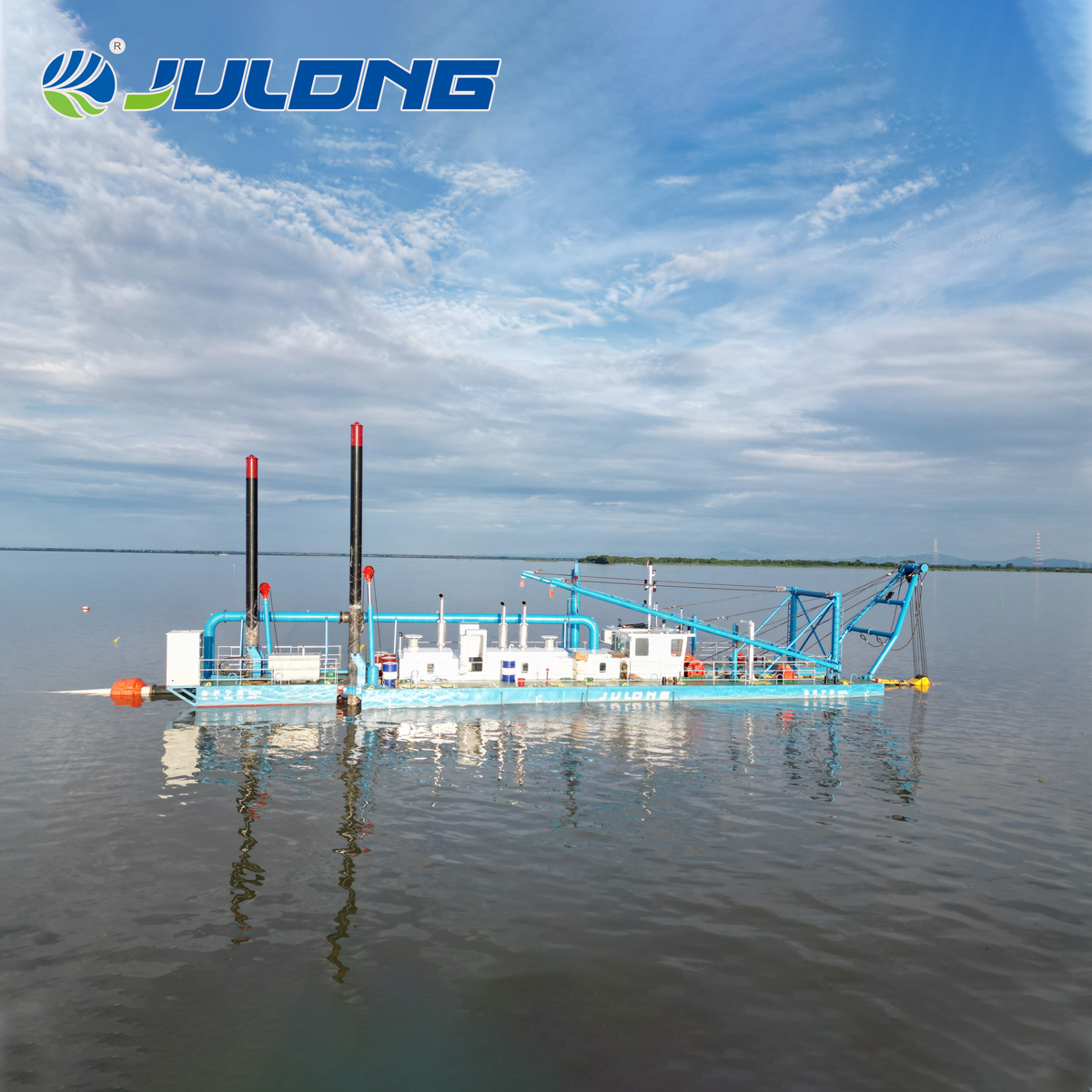
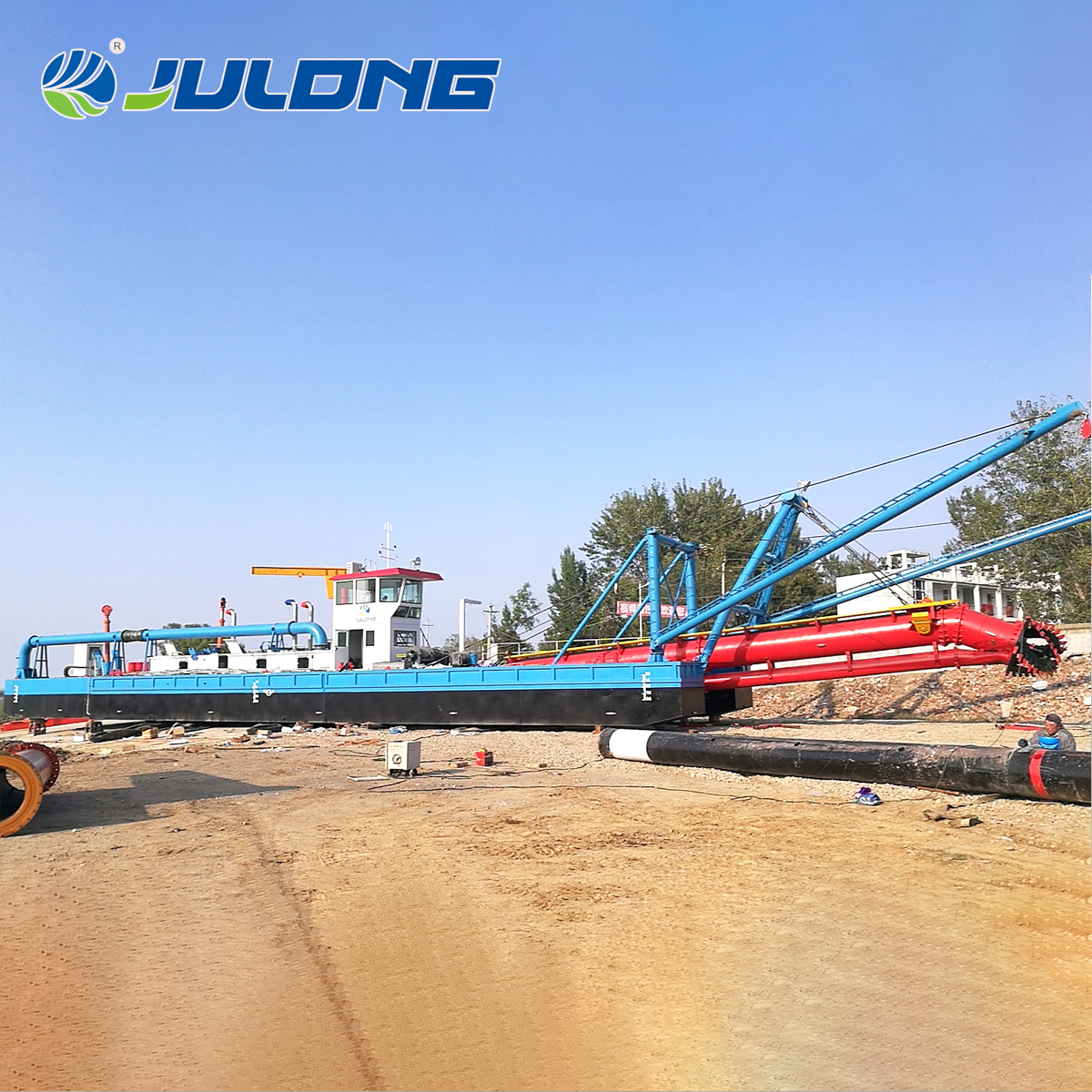
Dredging is a critical operation in various industries, especially those focused on river, lake, and port projects. The dredging business involves the use of specialized equipment, such as cutter suction dredgers and amphibious dredgers, to remove sediment and debris from water bodies. For purchasing managers and other decision-makers, understanding the nuances of dredging equipment is essential to ensure project success and operational efficiency. This article will guide you through key aspects of selecting dredging equipment equipment, purchasing tips, understanding specifications, and installation guidance.

Wholesale Purchasing Tips for Dredgers and Excavators

Wholesale Purchasing Tips for Dredgers and Excavators

When purchasing JULONG dredging equipment wholesale, consider these practical tips to ensure a successful transaction: 

Request Detailed Quotes: Provide suppliers with specific information about your project, including the type of dredger or excavator, required specifications, and project timelines. This helps in obtaining accurate quotations. 

Compare Multiple Suppliers: Evaluate different manufacturers based on their product offerings, lead times, and pricing. Consider aspects such as customer service, warranty, and after-sales support. 

Review Certifications: Ensure the equipment meets relevant industry standards. Certifications like ISO and CE indicate compliance with quality and safety regulations, which is crucial for reliable operation. 

Sample Approval: Before finalizing an order, request a sample or prototype of the dredger. Testing this sample under actual working conditions can help you identify any potential issues before mass production. 

Negotiate Terms: Discuss payment terms, delivery schedules, and any customization options during your negotiations. Clear communication can prevent misunderstandings later in the purchasing process. 

By following these tips, you can navigate the wholesale purchasing landscape more effectively, ensuring optimal equipment selection and supplier relationships.

Understanding Specifications for Cutter Suction Dredgers

Understanding Specifications for Cutter Suction Dredgers

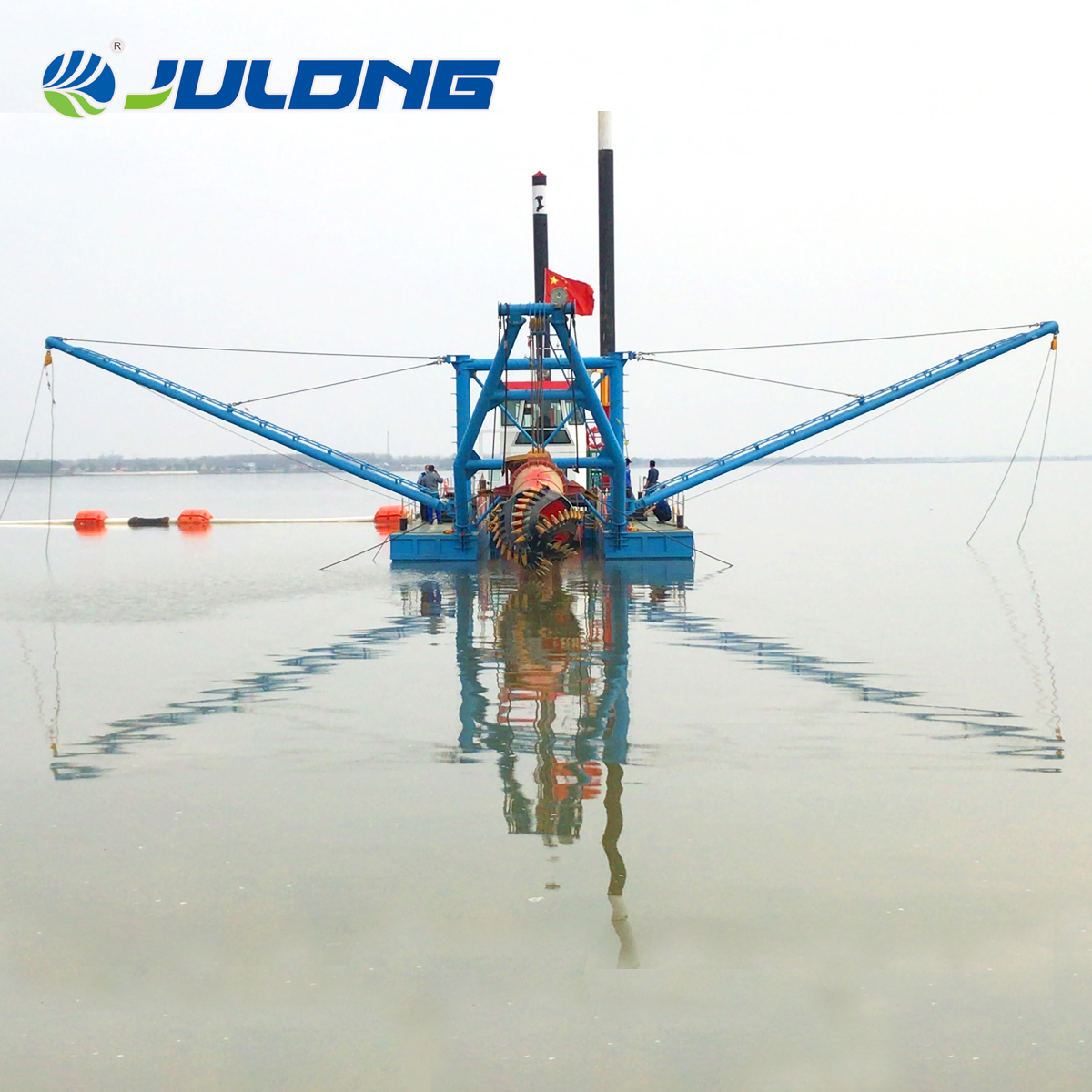
Cutter suction dredgers are characterized by several key specifications that influence their performance. Understanding these specifications is vital for selecting the right model for your project: 

Cutter Head Type and Size: The cutter head's design affects its ability to break up different types of materials. A larger cutter head may increase productivity but can also require more power and maintenance. 

Suction Diameter: This specification determines the volume of material the dredger can extract. A larger suction diameter typically allows for greater material throughput, but it must be matched to the pump capacity. 

Pump Power and Flow Rate: The pump's power capacity will dictate the dredger's efficiency and effectiveness in material removal. Higher flow rates enable faster river dredging equipment but may require a more robust engine and additional fuel consumption. 

Operational Depth and Reach: Each model will have specific operational depth limits, which must align with your project’s needs. Additionally, the reach of the dredger is critical for ensuring that it can operate effectively in various water conditions. 

By carefully evaluating these specifications, you can choose a cutter suction dredger that meets the specific demands of your dredging project.

Key Applications for Amphibious Dredgers in Construction

Key Applications for Amphibious Dredgers in Construction

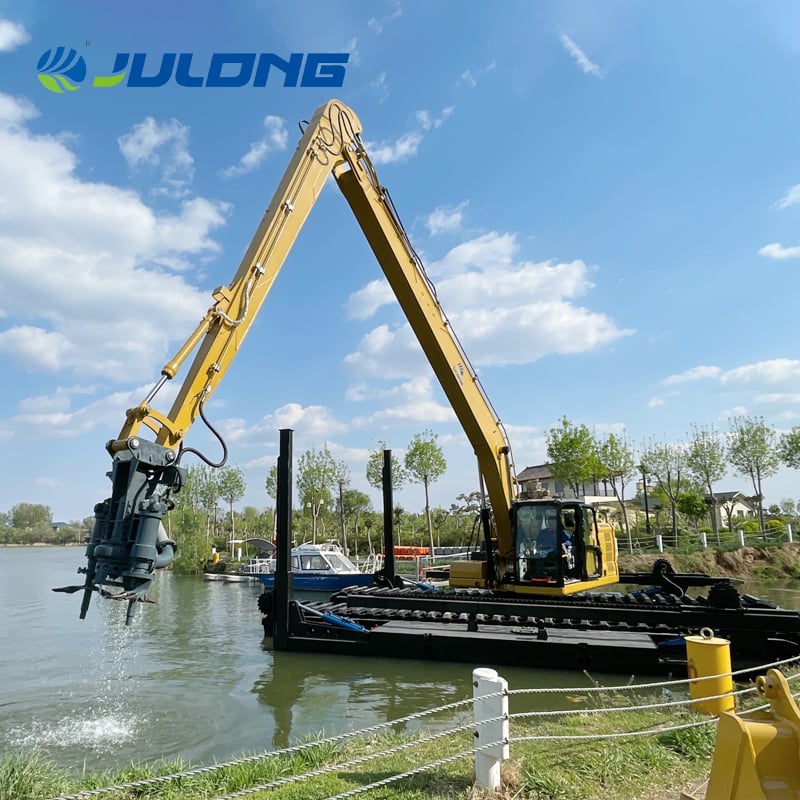
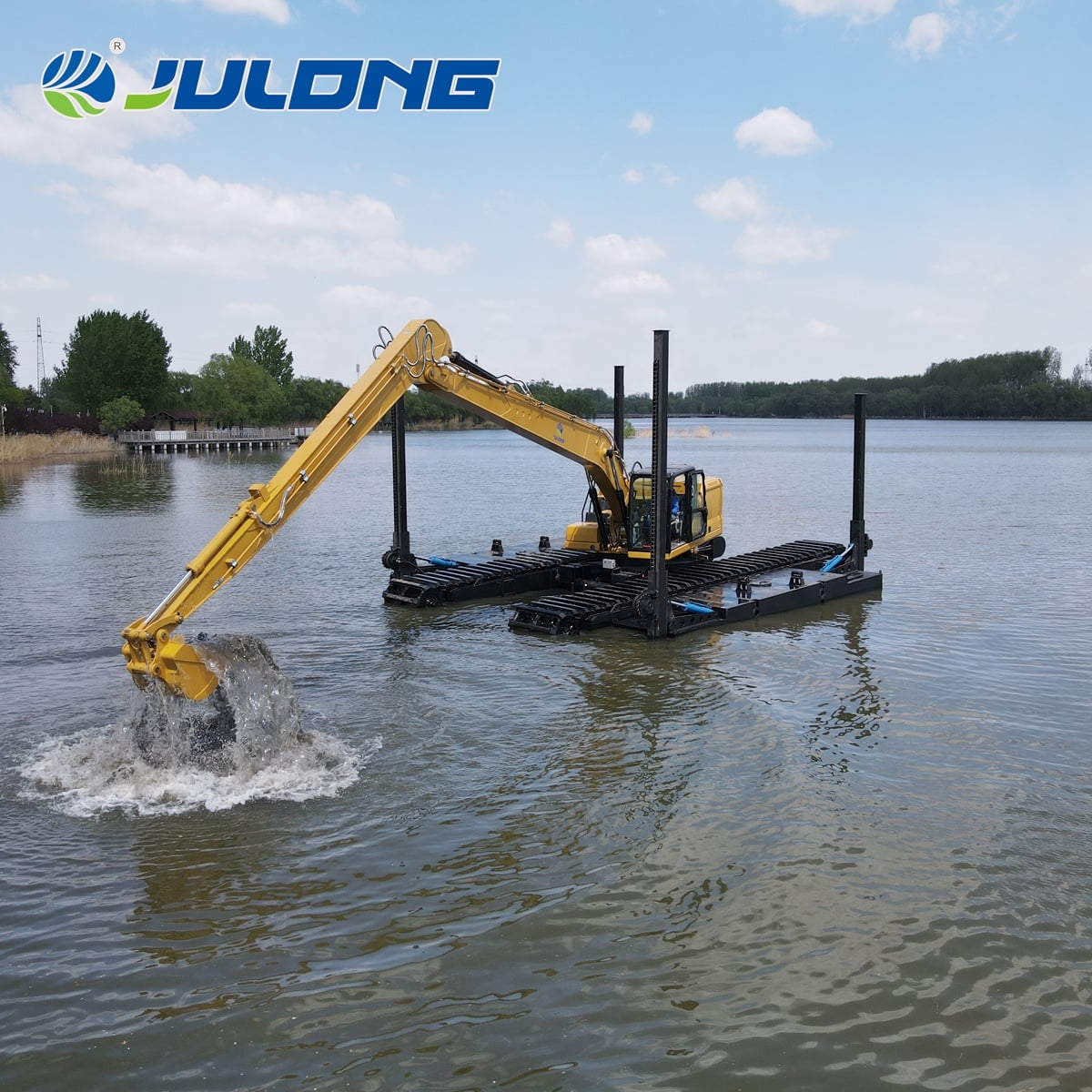
Amphibious dredgers are versatile machines primarily used in construction projects where access to challenging terrains is required. Some key applications include: 

Wetland Restoration: Amphibious dredgers are ideal for wetland rehabilitation, allowing for the removal of excess sediment while minimizing environmental disruption. 

Canal Maintenance: These machines can efficiently dredge canals, ensuring proper drainage and navigability for boats and other vessels. 

Infrastructure Development: In projects such as bridge construction or road development across water bodies, amphibious dredgers can clear pathways and prepare foundations. 

Understanding these applications can help you determine when to utilize amphibious dredgers in your projects, enhancing operational effectiveness and achieving desired outcomes.

Installation Guidance for Efficient Dredging Operations

Proper installation and setup of JULONG dredging equipment are crucial for maximizing performance and minimizing operational issues. Here are some essential steps: 

Site Assessment: Conduct a thorough evaluation of the dredging site to identify any specific challenges, such as water depth variations, sediment types, and environmental regulations. 

Equipment Setup: Follow the manufacturer’s guidelines for equipment assembly and installation. Ensure that all components are correctly aligned and secured to prevent operational failures. 

Testing and Calibration: Before commencing full-scale dredging operations, conduct test runs to calibrate equipment settings. This may involve adjusting pump speed, cutter head operation, and monitoring material flow rates. 

Safety Protocols: Implement safety measures during installation, including proper training for operators and adherence to local regulations regarding equipment operation in water bodies. 

By prioritizing these installation practices, you can ensure that your dredging operations are efficient, safe, and compliant with industry standards. 

navigating the complexities of the dredging business requires a solid understanding of equipment selection, purchasing strategies, and operational practices. By leveraging this knowledge, purchasing managers and project leaders can make informed decisions that enhance productivity and drive project success.

Choosing the Right Dredging Equipment for Your Project Needs

Selecting the appropriate JULONG dredging equipment hinges on several factors, including the project’s scale, the type of material to be dredged, and the operational environment. Cutter suction dredgers are ideal for projects requiring precise material removal, while amphibious dredgers excel in shallow waters and marshy terrains. Consider the following when making your choice: 

Project Scale: Larger projects may necessitate more robust equipment with higher capacity, while smaller projects can utilize compact models. 

Material Type: Identify whether the small dredging equipment involves soft silt, hard clay, or gravel. Different dredgers are optimized for varying material densities. 

Operating Conditions: Assess the water depth, flow rate, and environmental conditions. Some dredgers are designed to operate efficiently in challenging conditions like strong currents or shallow water. 

Understanding these factors will help you select equipment that aligns with project requirements, leading to enhanced operational efficiency and cost-effectiveness.

Frequently Asked Questions

What dredging equipment do you manufacture?

We manufacture cutter suction dredgers, amphibious dredgers, and dredging excavators tailored for river, lake, and port projects.
Yes. Our equipment holds ISO and CE certifications, ensuring compliance with international quality and safety standards.
Suitable for river maintenance, lake restoration, port construction, sediment removal, and related land reclamation or environmental projects.
Yes. We offer design customization, technical consultation, installation guidance, and after-sales support to match specific project needs.
We operate a 12,000 m² facility and supply durable, efficient dredging solutions to clients in 93 countries with global delivery capabilities.

Get a Free Quote

Our representative will contact you soon.
0/1000