Understanding Dredger Ship Specifications

application/dredger-ship-meaning, application/dredger-ship-meaning, 
Inquiry
Inquiry

Dredger ship meaning

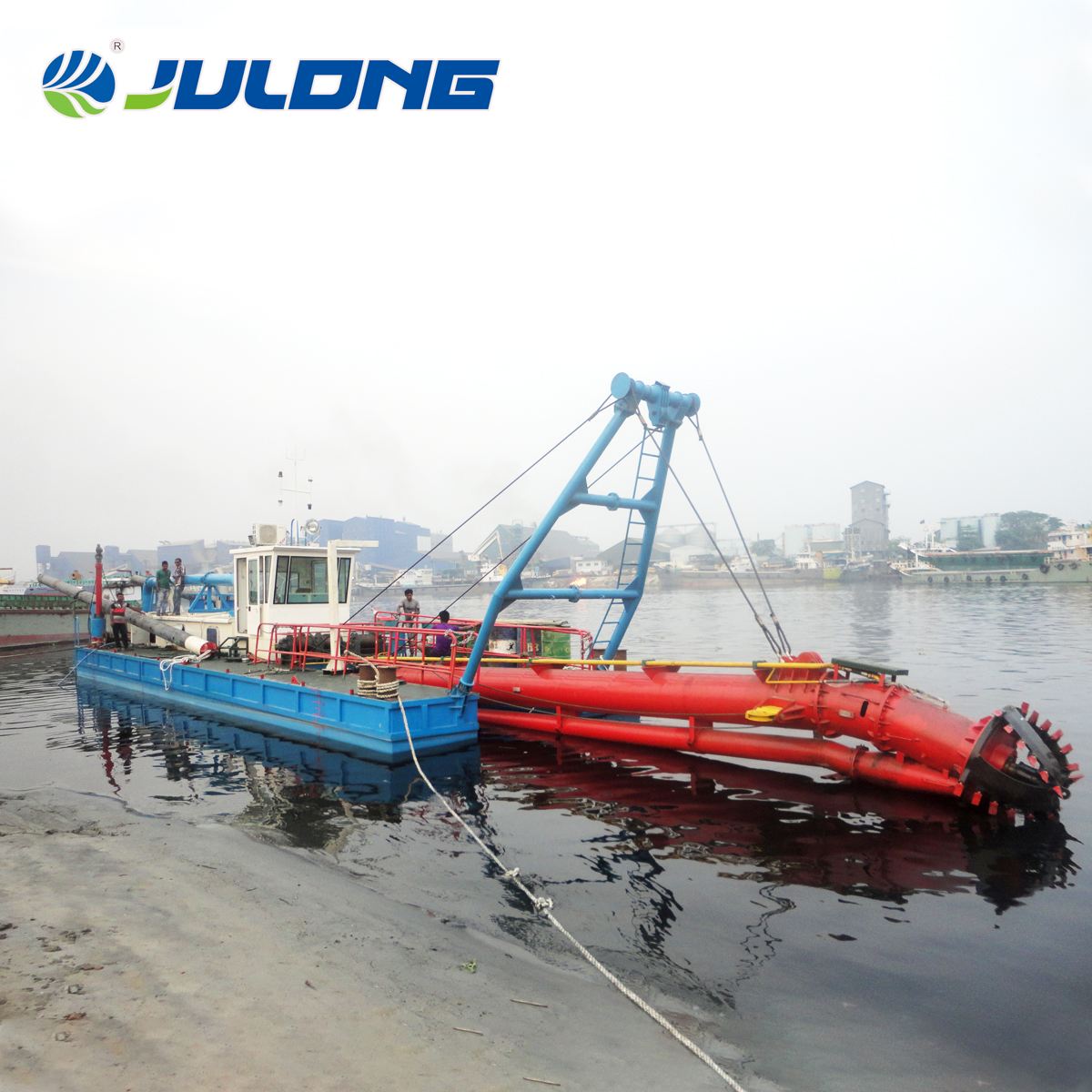
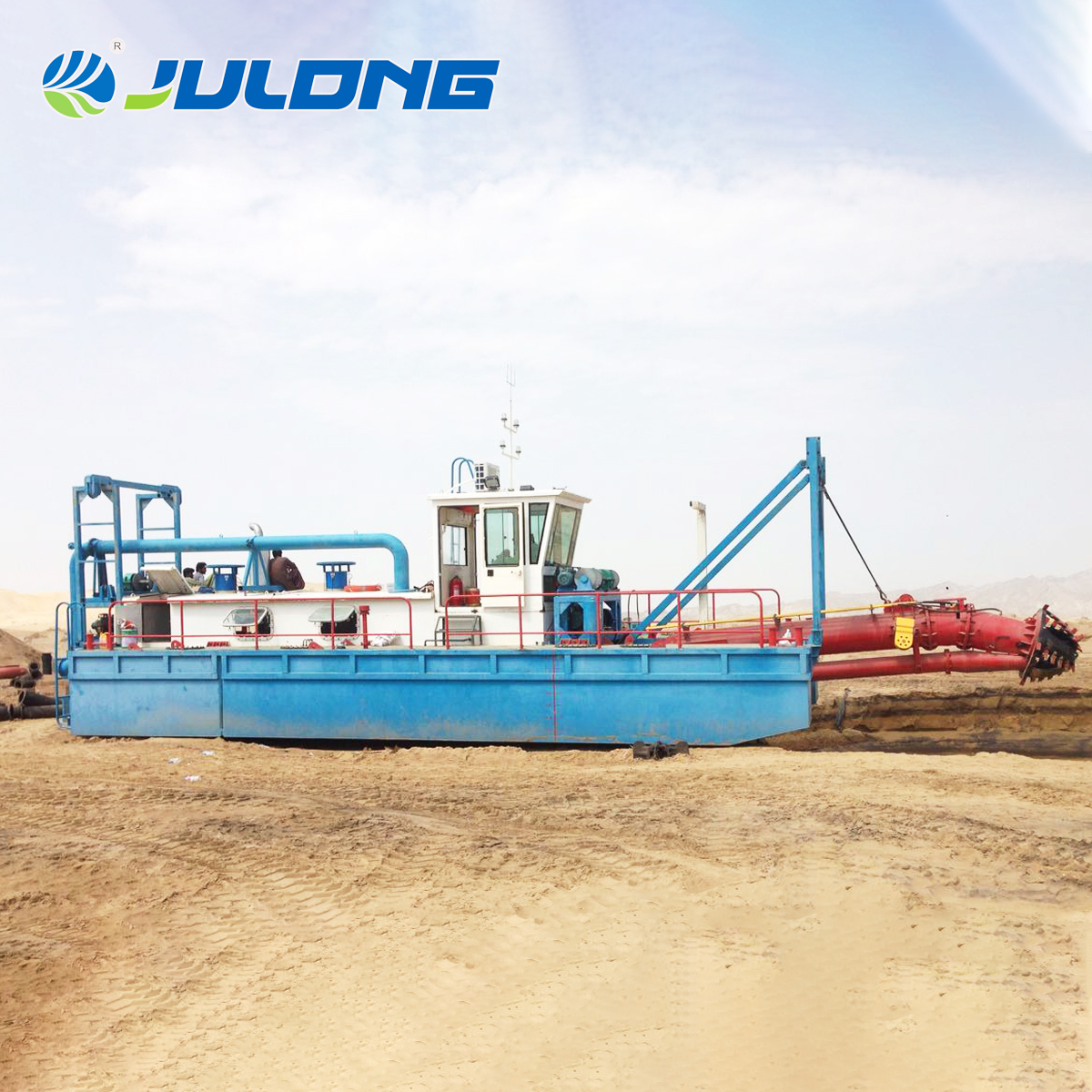
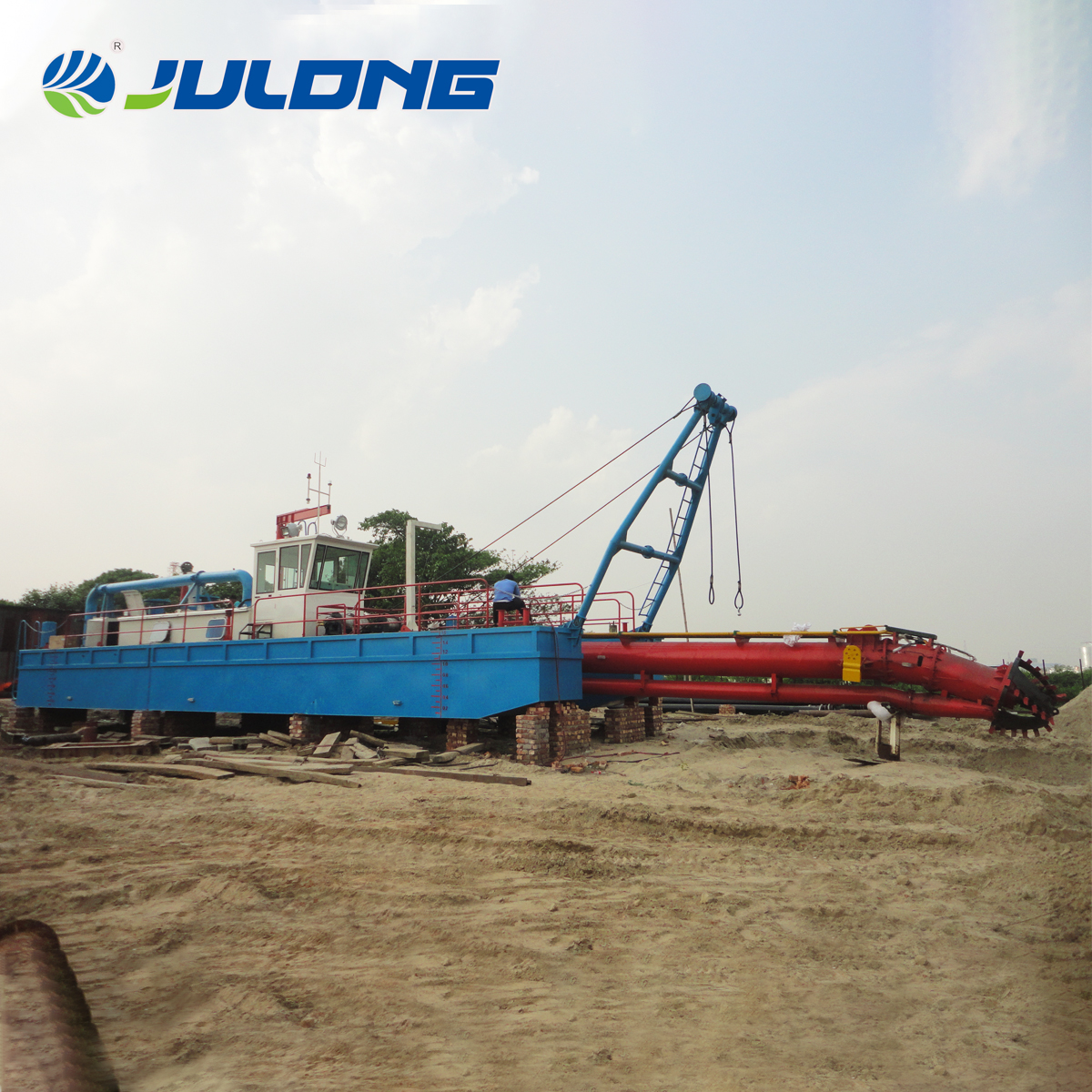
Dredger ships are specialized vessels designed primarily for underwater excavation, typically used in projects involving river, lake, and port management. Understanding the meaning and specifications of dredger ships is crucial for B2B buyers, including purchasing managers and project engineers, who prioritize durability, efficiency, and suitability for specific applications. This article will explore key considerations for sourcing dredger ships, helping you make informed purchasing decisions. 

How to Choose the Right Dredger Ship for Your Project Needs

How to Choose the Right Dredger Ship for Your Project Needs

Choosing the right dredger ship involves a detailed understanding of your project requirements. Consider the following: 

Project Scope: Determine whether your project requires deep dredging or work in shallow waters. This will guide you in selecting between a cutter suction dredger for depth or an amphibious dredger for versatility. 

Site Conditions: Evaluate the physical conditions of the worksite. If the environment is challenging (marshlands), an amphibious dredger may be more suitable due to its ability to traverse difficult terrains. 

Volume of Dredging: Assess the volume of material to be removed. Larger projects may require multiple cutter suction dredger ships or larger-capacity vessels to meet timelines efficiently. 

Customization Needs: Some projects may necessitate specific modifications, such as additional equipment or altered dimensions. Ensure your supplier can accommodate customization requests. 

Budget and Cost Efficiency: Factor in the total cost of ownership, including maintenance and operational expenses. Sometimes, a higher initial investment for a more efficient dredger can lead to greater savings in the long run. 

These considerations will help buyers make informed decisions that align with their operational goals. 

Cost Considerations When Purchasing Dredger Ships in Bulk

Cost Considerations When Purchasing Dredger Ships in Bulk

When purchasing dredger ships in bulk, several cost considerations come into play: 

Unit Price vs. Total Cost: While the unit price is a primary concern, consider the total cost of ownership, including maintenance, operational expenses, and potential downtime. 

Bulk Discounts: Many manufacturers offer discounts for bulk purchases. Discuss pricing structures with suppliers to understand how many units need to be bought to benefit from lower prices. 

Financing Options: Explore financing solutions that may be available for bulk purchases. Some manufacturers offer leasing options or payment plans that can ease the financial burden. 

Logistics and Transport Costs: Factor in shipping and transport logistics, particularly for international buyers. Proximity to the supplier can minimize these costs. 

Warranty and Support: Consider the warranty offered and after-sales support. A longer warranty can provide peace of mind and potentially lower costs in the event of unexpected issues. 

By carefully analyzing these cost factors, buyers can optimize their purchasing strategy for dredger ships. 

Common Problems with Dredger Ships and Effective Solutions

Common Problems with Dredger Ships and Effective Solutions

Dredger ships, while robust, can encounter several common issues: 

Mechanical Failures: Regular maintenance is crucial. Implementing a preventive maintenance schedule helps identify potential mechanical problems before they escalate. 

Wear and Tear: The harsh marine environment can lead to corrosion and wear. Opt for dredgers made from corrosion-resistant materials to enhance durability. 

Operational Challenges: Inconsistent performance can arise from improper operation techniques. Training operators thoroughly can improve efficiency and reduce the likelihood of errors. 

Environmental Regulations: Non-compliance with environmental regulations can lead to costly fines. Ensure that your dredger ships are equipped with the necessary technology to meet local environmental standards. 

Supply Chain Issues: Delays in obtaining spare parts can affect uptime. Establishing relationships with suppliers for critical components can mitigate downtime risks. 

Addressing these common problems proactively can enhance the longevity and reliability of dredger ships, ultimately contributing to project success. 

Exploring Diverse Applications of Dredger Ships in Construction Projects

Dredger ships serve a variety of applications in construction projects, including: 

Port Development: Dredgers are essential for deepening shipping channels and creating new berths, ensuring that ports can accommodate larger vessels. 

Land Reclamation: By removing sediment and debris, dredgers facilitate land reclamation projects, transforming water bodies into usable land for urban development. 

Flood Management: Dredging rivers and lakes can improve water flow and reduce flooding risks, making dredgers vital in flood management strategies. 

Pipeline Installation: Dredger ships can assist in laying underwater pipelines by clearing the seabed and preparing it for installations. 

Environmental Restoration: Dredgers play a role in environmental projects aimed at cleaning up contaminated water bodies, restoring aquatic ecosystems. 

Understanding these diverse applications allows buyers to appreciate the versatility of dredger ships and their significance in various construction projects. 

By considering the specifications, project needs, cost implications, common issues, and applications of dredger ships, B2B buyers can make informed decisions that enhance project outcomes and operational efficiency. 

Understanding Dredger Ship Specifications for Efficient Sourcing

When evaluating dredger ships, understanding their specifications is essential. Key factors include:  

Type of Dredger: Cutter suction dredgers and amphibious dredgers serve different purposes. Cutter suction dredgers are ideal for deep excavation, while amphibious dredgers can operate on varied terrains, including marshy areas. 

Capacity and Dimensions: The dredging depth and capacity directly affect the project scope. For instance, the dredgers with a deeper reach can handle more extensive projects, reducing the need for multiple dredging sessions.  

Power and Performance: Engine power is critical for operational efficiency. A higher horsepower rating typically translates to better performance in tougher conditions and faster dredging capabilities.  

Material Construction: Dredger ships are generally constructed from high-strength steel or specialized alloys to withstand harsh marine environments, which is vital for longevity and operational reliability. 

Certifications: Ensuring that the dredger ship has relevant certifications, such as ISO and CE, can assure buyers of quality and compliance with international standards. 

By thoroughly assessing these specifications, buyers can select dredger ships that align with their operational needs and project requirements. 

Frequently Asked Questions

What does a dredger ship mean?

A dredger ship is a vessel designed to remove sediment, silt, and debris from waterways, harbors, and rivers to maintain depth, improve navigation, or support construction and land reclamation.
We supply cutter suction dredgers, amphibious dredgers, and excavator-based dredging solutions tailored for rivers, lakes, ports, and reclamation projects.
Our dredgers carry ISO and CE certifications, ensuring they meet international standards for safety, performance, and manufacturing quality.
They are ideal for river maintenance, lake rehabilitation, port deepening, channel clearing, and land reclamation or construction support.
Yes. From our 12,000 m² facility we provide durable, efficient dredger solutions and service support to clients across 93 countries.

Get a Free Quote

Our representative will contact you soon.
0/1000