Dredge Pump for Sand: Key Specifications & Sourcing

application/dredge-pump-for-sand, application/dredge-pump-for-sand, 
Inquiry
Inquiry

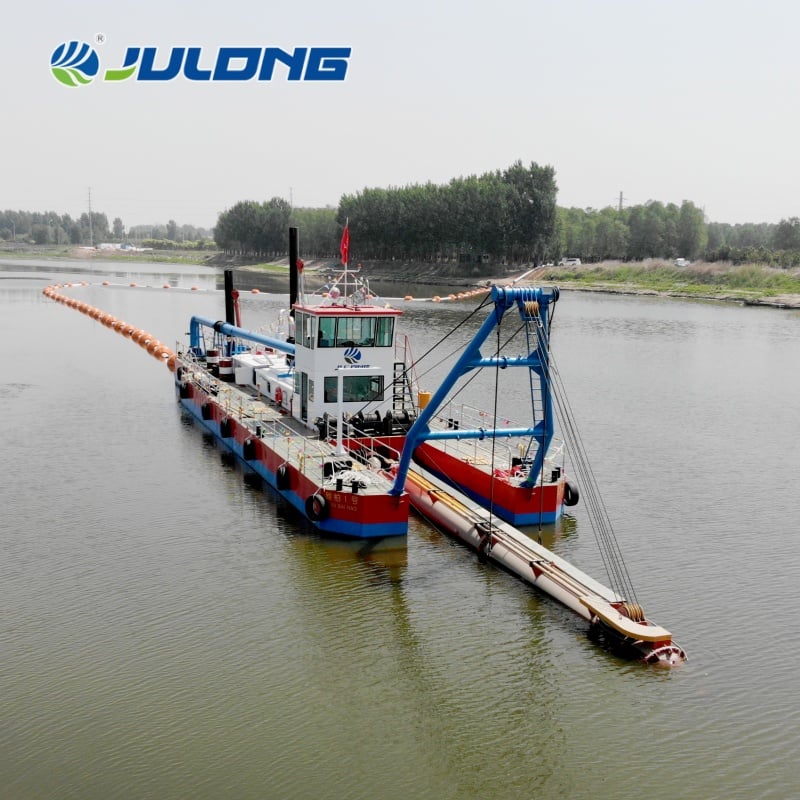
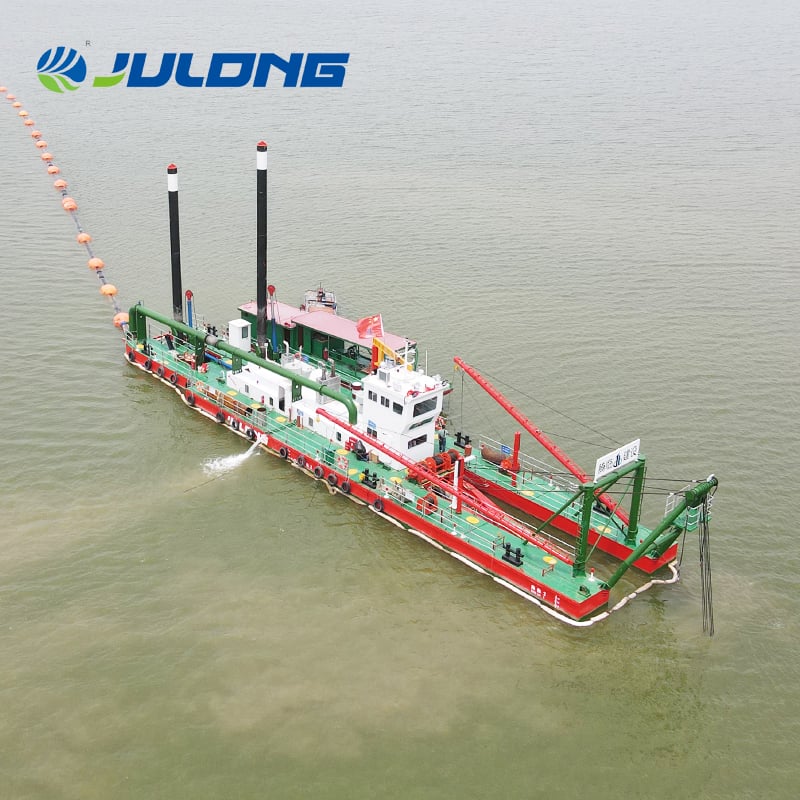
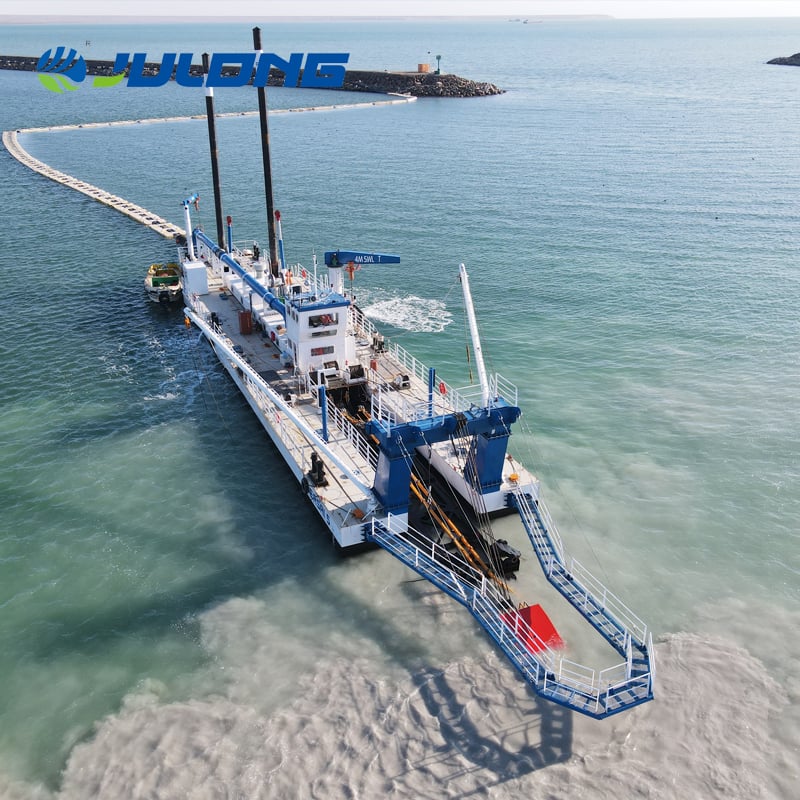
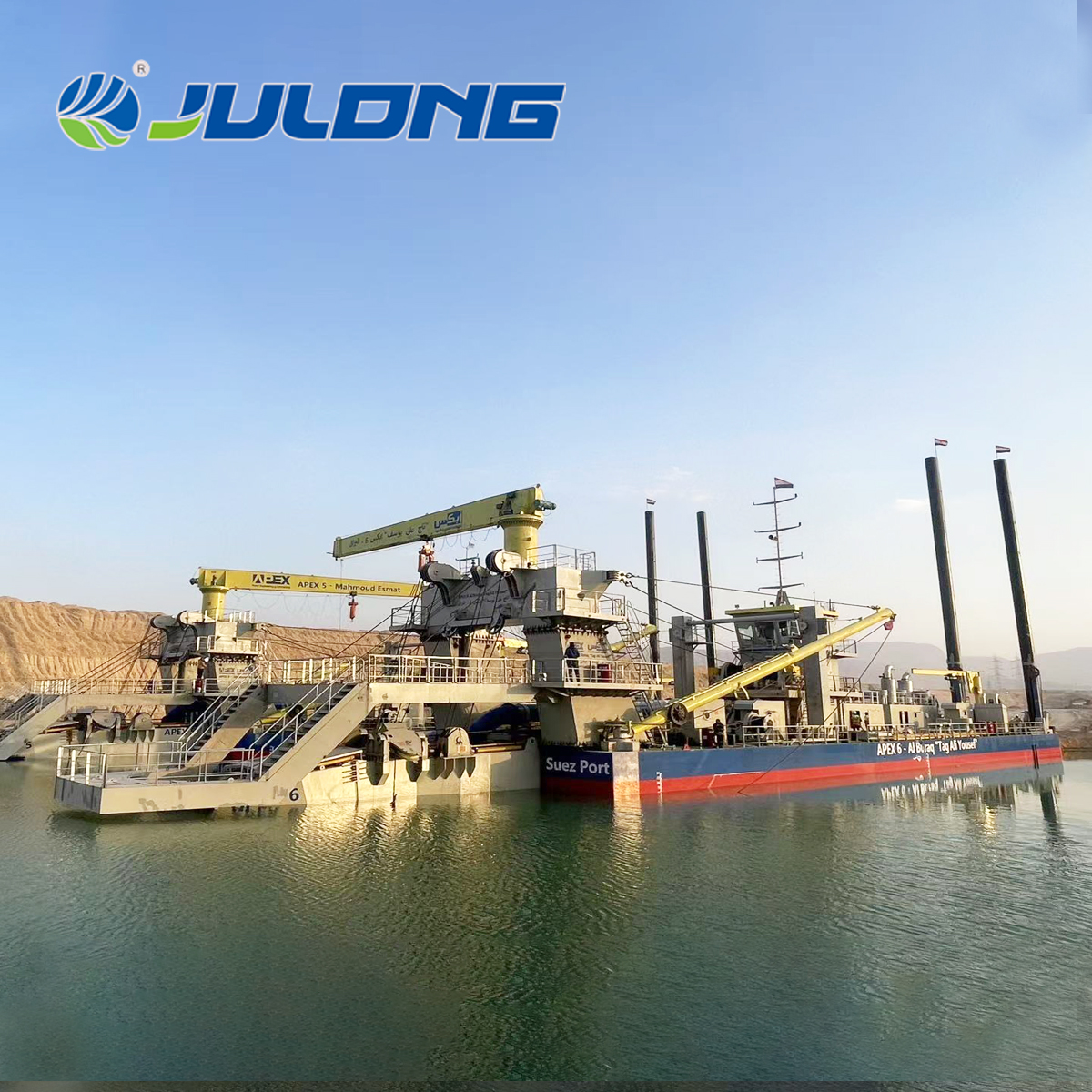
Dredge pump for sand

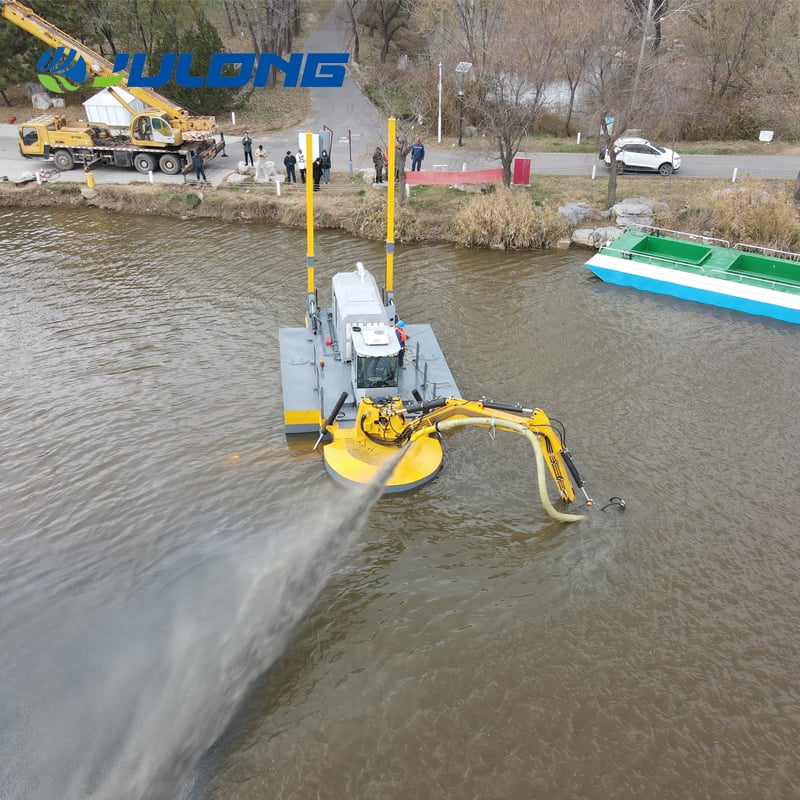
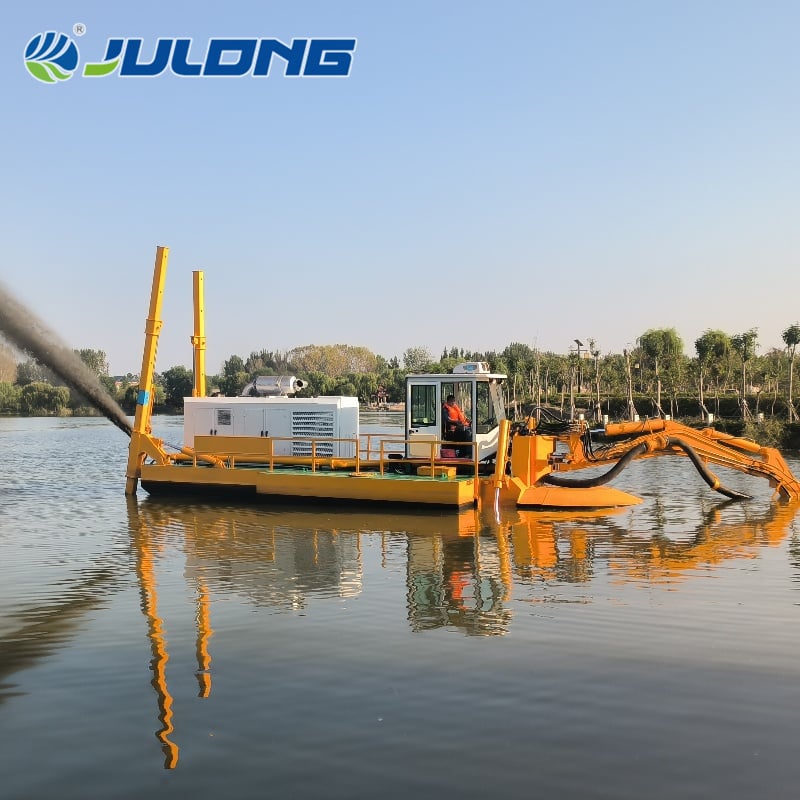
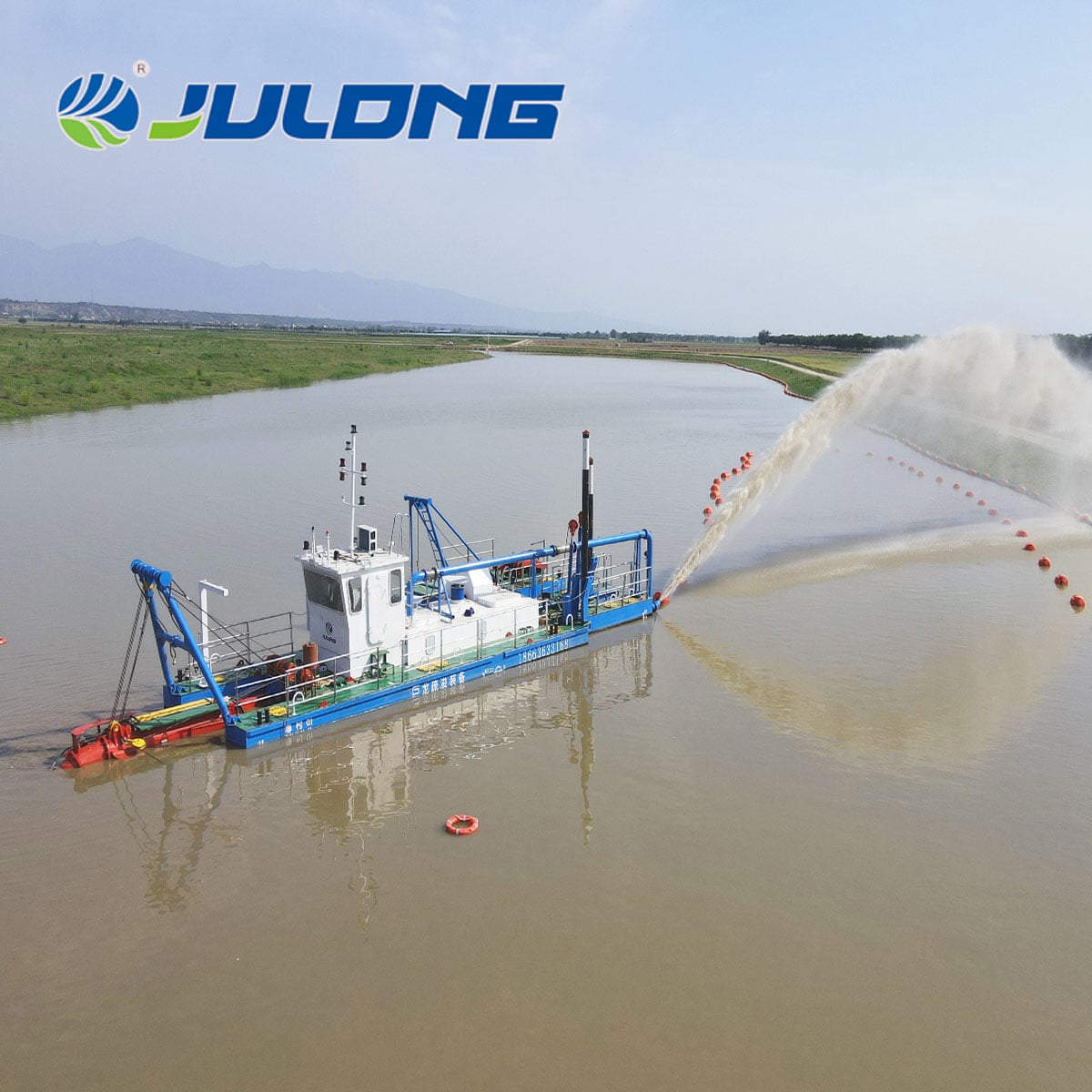
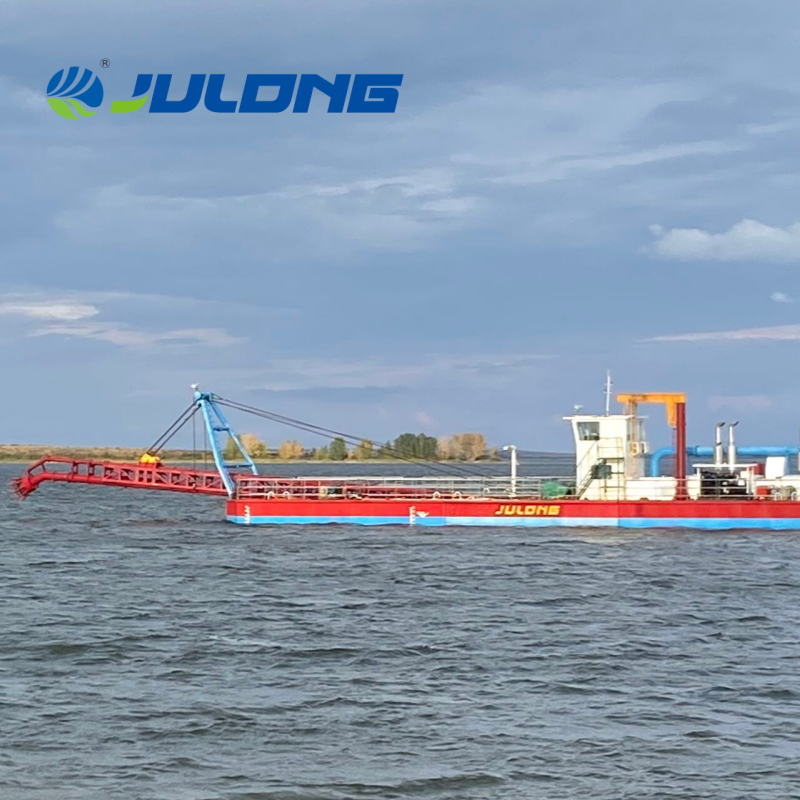
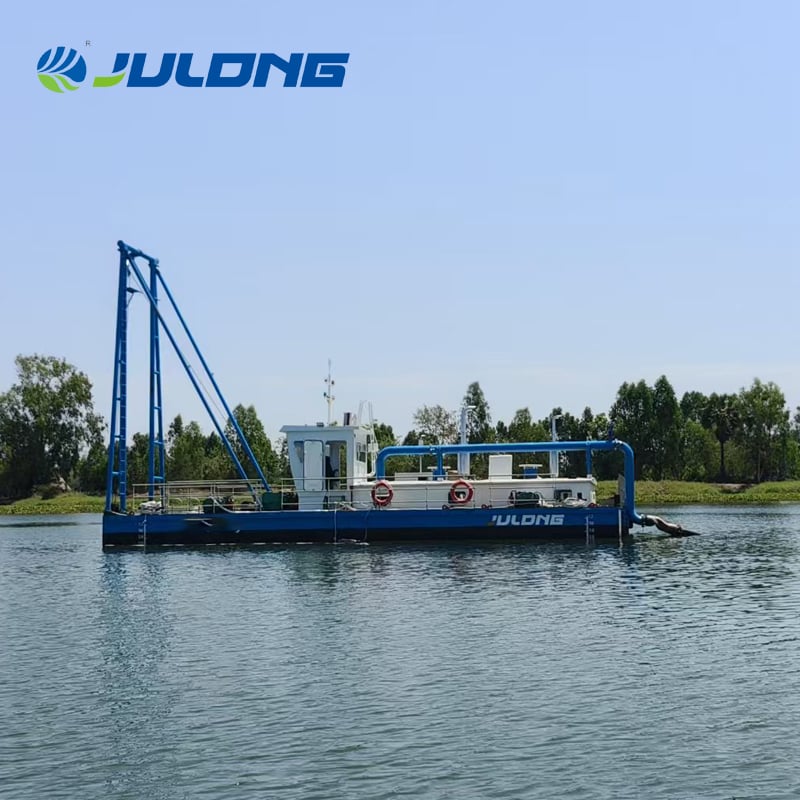
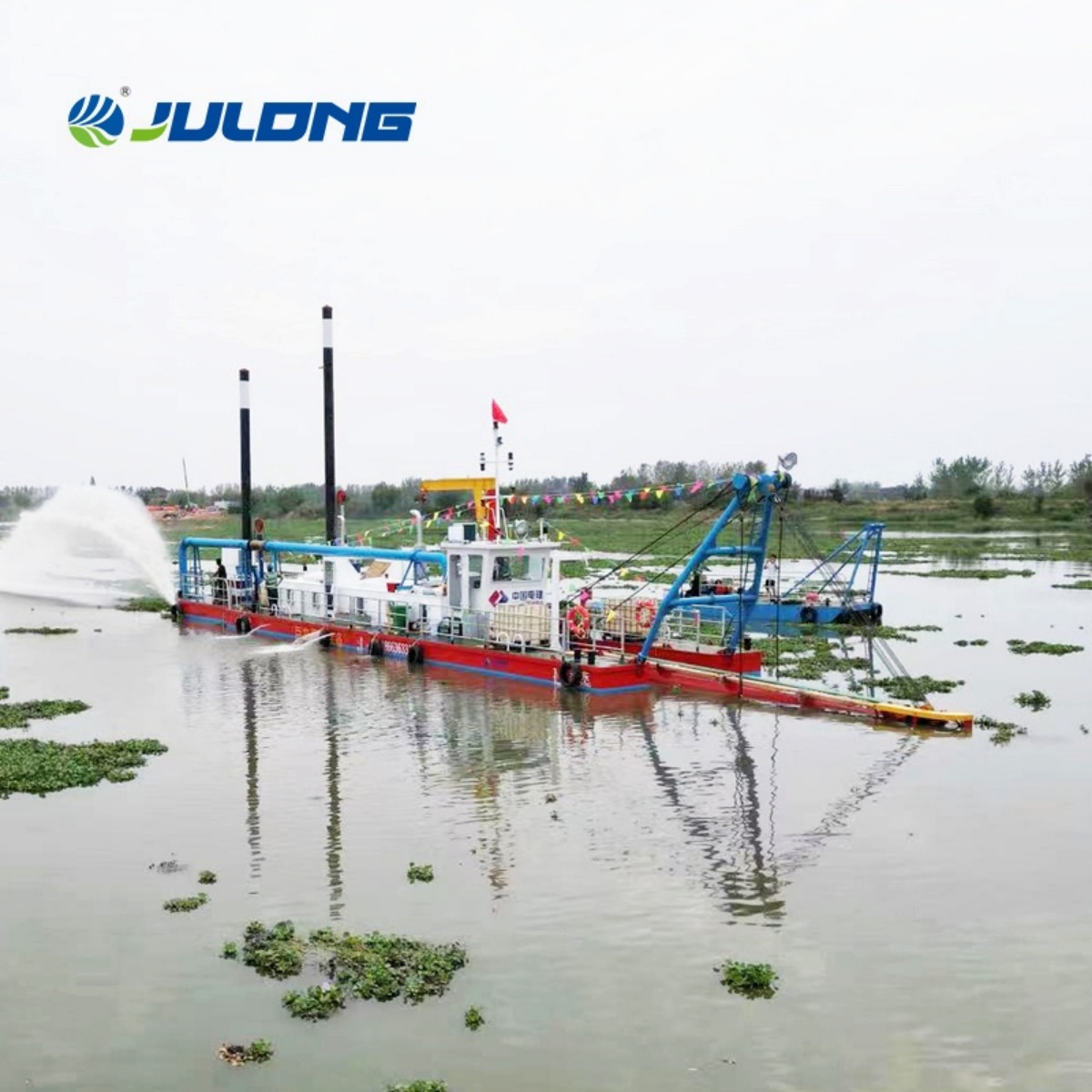
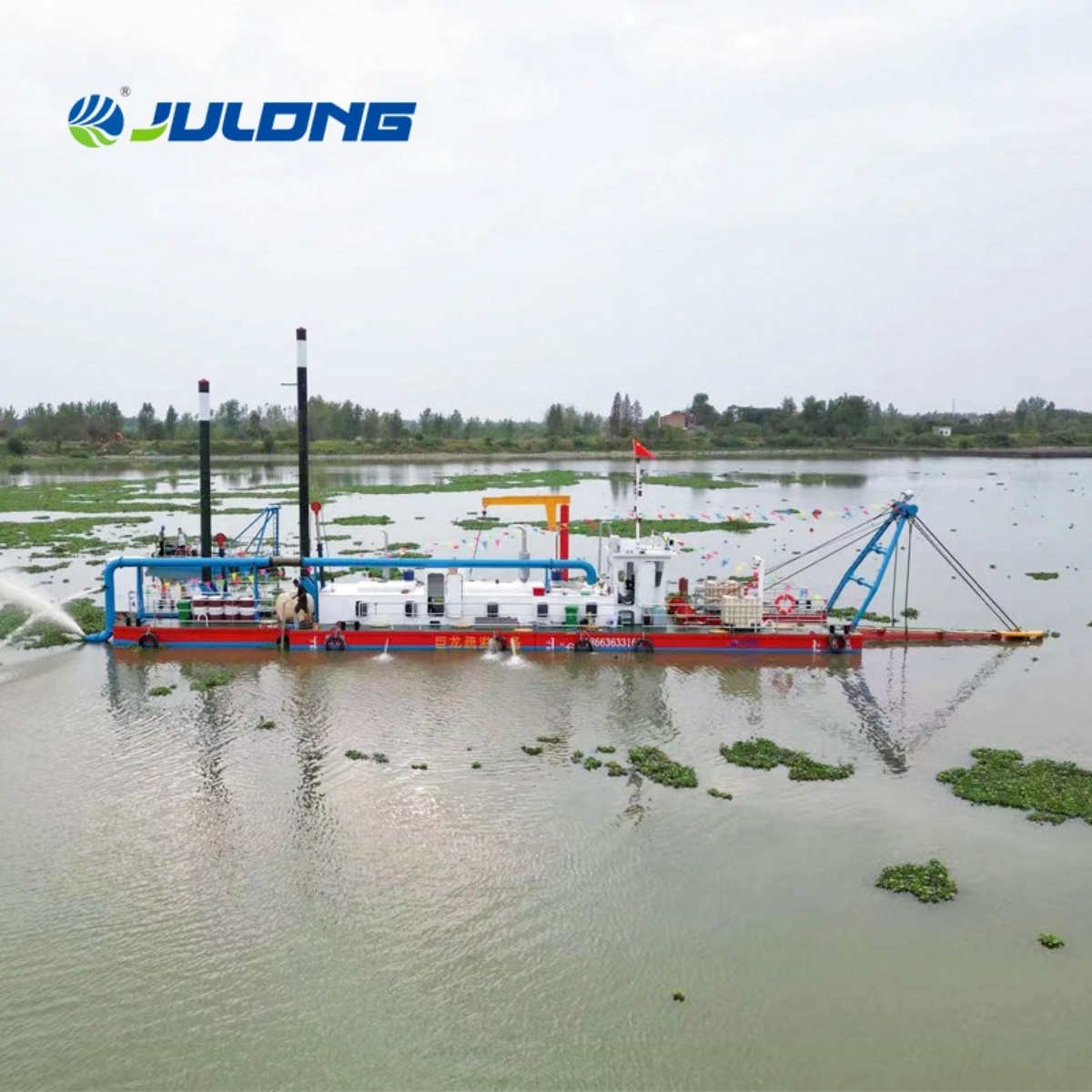
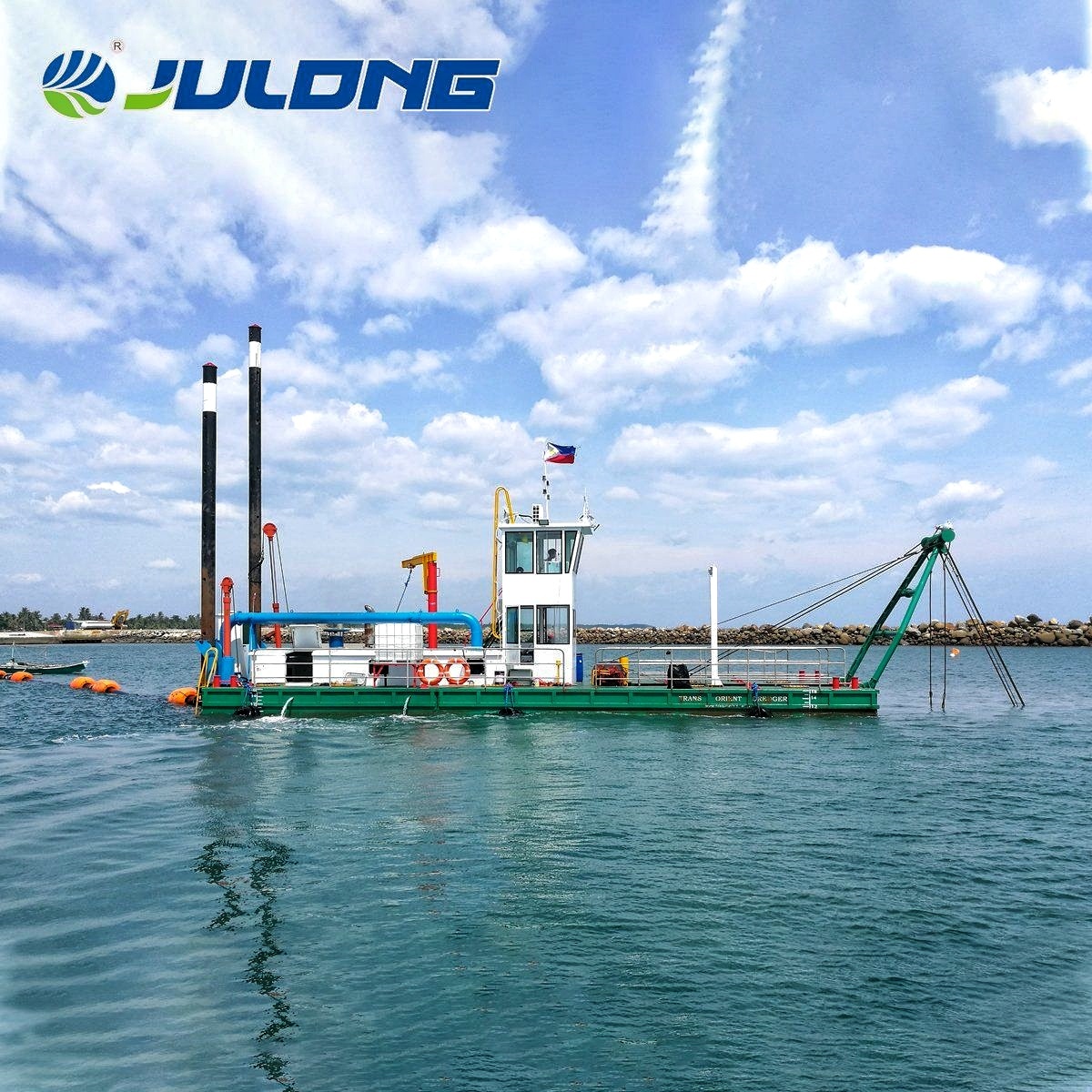
Dredge pumps for sand play a crucial role in various industrial applications, particularly in construction, dredging, and mining. These pumps are designed to efficiently transport sand and slurry, ensuring that projects involving waterways, lakes, and ports can proceed without delay. For B2B buyers, understanding the nuances of suction dredger specifications, sourcing options, and applications is vital for making informed purchasing decisions that meet operational requirements.

Top Specifications to Look for in Dredge Pumps for Sand

Top Specifications to Look for in Dredge Pumps for Sand

When reviewing JULONG dredge pumps for sand, certain specifications are essential to ensure optimal performance. Here are some critical factors to consider: 

Pump Type: Dredge pumps can be centrifugal or positive displacement. Centrifugal pumps are typically preferred for sand because they handle high flow rates efficiently and are easier to maintain. 

Discharge Size: The discharge diameter affects the flow rate and the distance the material can be transported. Ensure the discharge size aligns with your project requirements to avoid bottlenecks. 

Max Particle Size: Understanding the maximum particle size the pump can handle is critical. This measurement will help you determine if the pump can efficiently transport the specific type of sand or slurry involved in your project. 

Wear Components: Look for pumps with replaceable wear parts, such as impellers and liners, which can extend the pump's life and reduce long-term maintenance costs. 

Seal Types: The sealing mechanisms of the pump should be robust enough to prevent leaks and minimize maintenance. Mechanical seals are often preferred for their reliability in harsh environments. 

Motor Power: The motor power rating will determine the pump's operational efficiency and capability to handle the required flow and pressure. 

Understanding these specifications will help you choose a trailing suction dredger that meets your project's needs effectively.

Where to Source Reliable Dredge Pumps for Bulk Orders

Where to Source Reliable Dredge Pumps for Bulk Orders

Sourcing reliable dredge pumps for bulk orders requires careful consideration of potential suppliers. Start by identifying manufacturers with a strong reputation in the industry, such as Qingzhou JULONG Environmental Technology Co., Ltd., which specializes in dredging equipment and has experience serving numerous countries. 

When evaluating suppliers, consider the following: 

Certifications: Ensure your supplier holds relevant certifications (ISO, CE) that indicate adherence to international quality standards. This can provide peace of mind regarding the manufacturing process and product quality. 

Manufacturing Capabilities: Investigate the supplier's production capabilities, including their facility size and equipment. A manufacturer with a large, well-equipped factory is more likely to handle bulk orders efficiently. 

Customization Options: Assess whether the supplier can accommodate customization requests. Tailoring specifications to meet your project needs can enhance performance and efficiency. 

Lead Times and MOQs: Understand the minimum order quantities (MOQ) and lead times involved in the ordering process. Reliable suppliers should provide clear timelines and be able to meet your project deadlines. 

After-Sales Support: A trustworthy supplier will offer comprehensive after-sales support, including maintenance assistance and spare parts availability. 

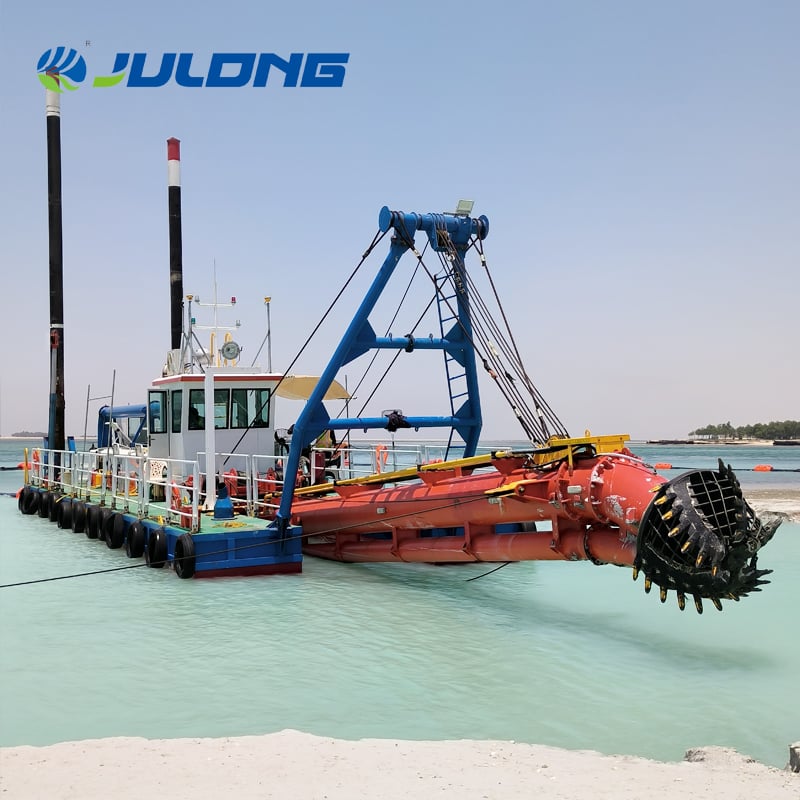
By focusing on these aspects, you can find a reliable source for your cutter suction dredger needs.

Comparing Cost Factors of Dredge Pumps for Sand Solutions

Comparing Cost Factors of Dredge Pumps for Sand Solutions

Cost is a significant factor when considering JULONG dredge pumps for sand. However, it's essential to look beyond the initial purchase price and evaluate the total cost of ownership. Here are some cost factors to keep in mind: 

Initial Costs: Compare the base prices of different models, but remember that higher upfront costs can sometimes correlate with better performance and longevity. 

Operational Costs: Assess the energy efficiency of the pump. A more efficient pump may have a higher initial cost but can lead to significant savings on electricity bills over time. 

Maintenance Costs: Consider the costs associated with maintenance and repairs. Pumps that are easier to service or have readily available replacement parts can reduce long-term expenses. 

Downtime Costs: Evaluate the potential costs of downtime due to pump failure. Investing in a reliable, high-quality pump can minimize the risk of operational interruptions. 

Transport Costs: Factor in shipping and handling costs, particularly for bulk orders. Working with a supplier that offers favorable shipping terms can enhance overall cost-effectiveness. 

By analyzing these cost factors, you can make a more informed decision that aligns with your project's budgetary constraints.

Applications of Dredge Pumps for Sand in Various Industries

Dredge pumps for sand have diverse applications across various industries. Understanding these applications can help buyers appreciate the versatility and importance of these pumps in different contexts: 

Construction: In construction projects, dredge pumps are often used to remove sand and silt from foundations and excavation sites. They help ensure that the site is ready for further development, paving the way for efficient construction processes. 

Mining: Dredge pumps are crucial in mining operations, where they transport sand and slurry from mining sites for processing. Efficient material handling is vital for maximizing productivity and minimizing costs. 

Environmental Remediation: In environmental projects, dredge pumps are employed to remove contaminated sand and sediment from riverbeds and lakes. This helps restore ecosystems and ensure compliance with environmental regulations. 

Agriculture: In agricultural applications, dredge pumps are used for irrigation and land reclamation projects. They help manage water levels and ensure that fields receive adequate moisture. 

Coastal Management: Dredge pumps are essential for beach nourishment projects, where sand is transported to eroded shorelines to restore natural habitats and protect coastal infrastructure. 

By understanding these applications, buyers can better appreciate the significance of selecting the right dredge pump for their specific industry needs.

Key Considerations

When selecting a dredge pump for sand, several key considerations should guide your decision-making process. First, assess the pump's capacity, which is typically measured in cubic meters per hour (m³/h). The required capacity will depend on the scale of your project and the volume of material to be moved. 

Next, consider the pump's suction depth, which determines how effectively it can draw material from the bottom of a water body. Different models have varying suction capabilities, which can affect operational efficiency. Additionally, the pump's material construction is crucial; high-quality materials such as stainless steel or wear-resistant alloys can significantly impact the durability and lifespan of the pump, especially in abrasive environments. 

Lastly, evaluate the pump's energy efficiency and operational costs. A pump that consumes less power while achieving the desired output can lead to substantial savings over time, making it a more cost-effective choice for your project.

Frequently Asked Questions

What is this dredge pump for sand used for?

Designed to excavate and transport sand in rivers, lakes, ports and reclamation projects, providing continuous efficient sediment removal.
Handles fine to medium sand and light gravel; specific max particle size depends on model and suction inlet specifications.
Manufactured under ISO and CE standards with quality-controlled production in a 12,000 m² facility.
We provide technical support, spare parts supply, and warranty terms tailored per contract; contact sales for specific coverage and duration.
Contact our sales team with project details (flow, head, sand type, distance). We will provide model recommendations, specs and a competitive quote.

Get a Free Quote

Our representative will contact you soon.
0/1000