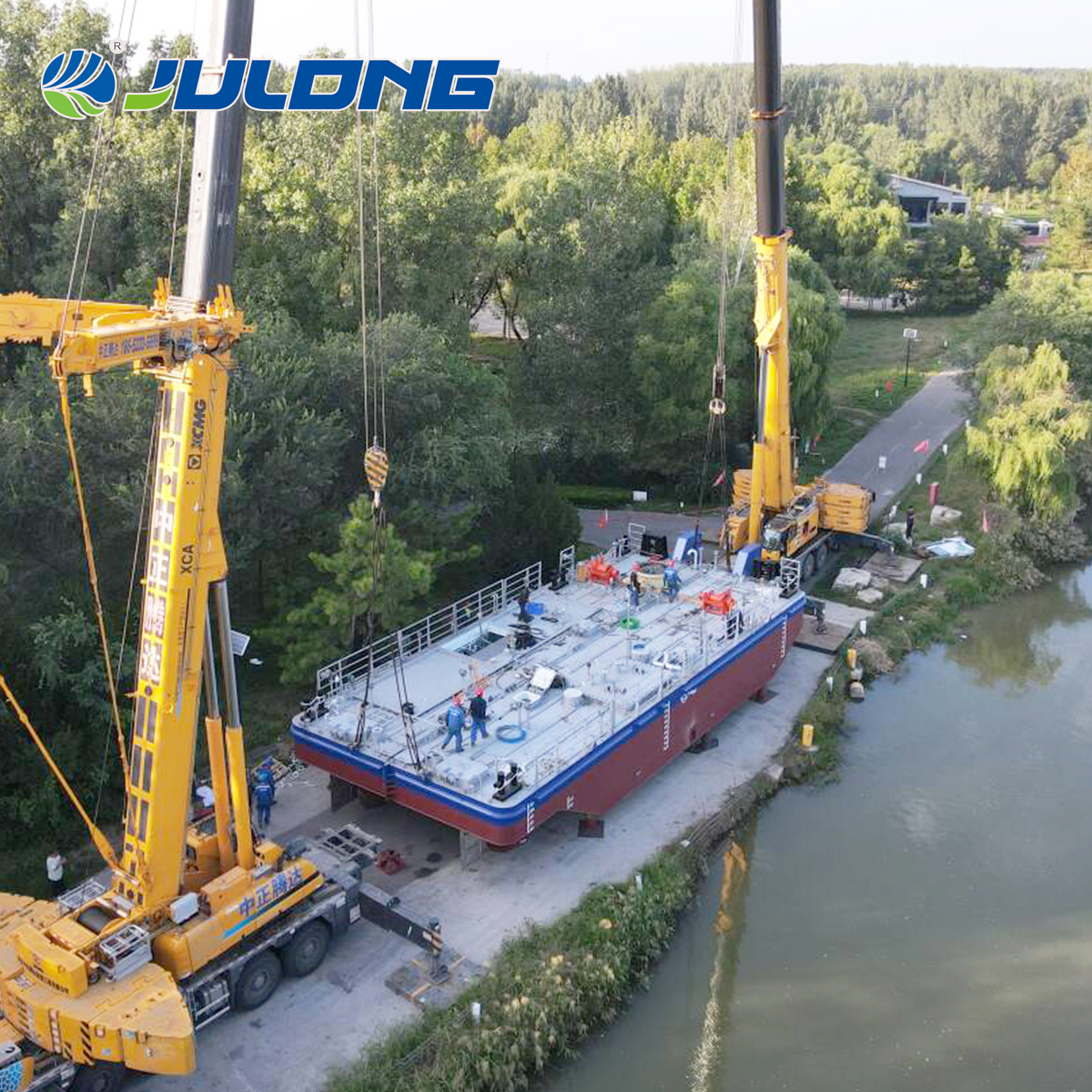
Understanding Catamaran Work Boats for Industrial Use

application/catamaran-work-boat, application/catamaran-work-boat, 
Inquiry
Inquiry

Catamaran work boat

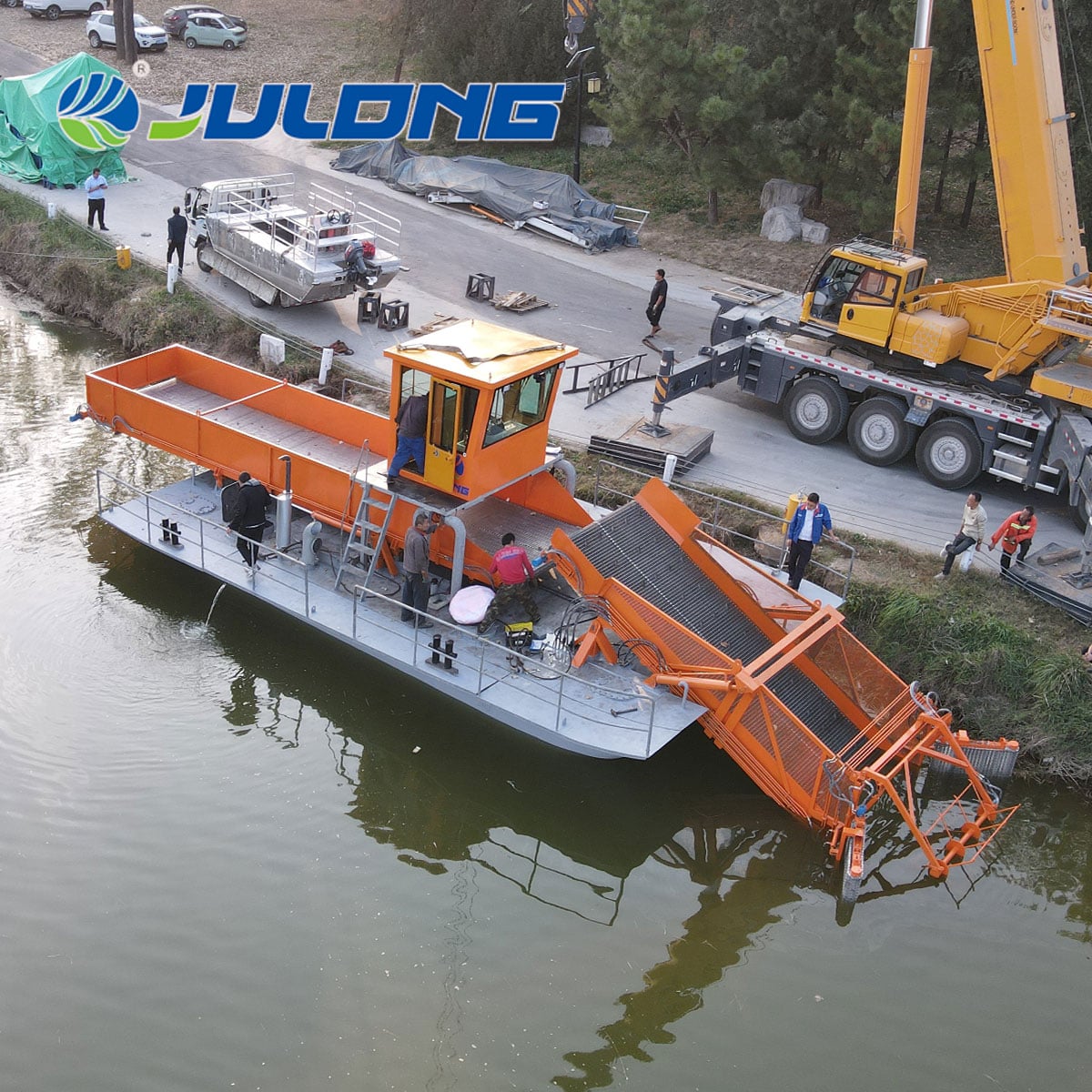
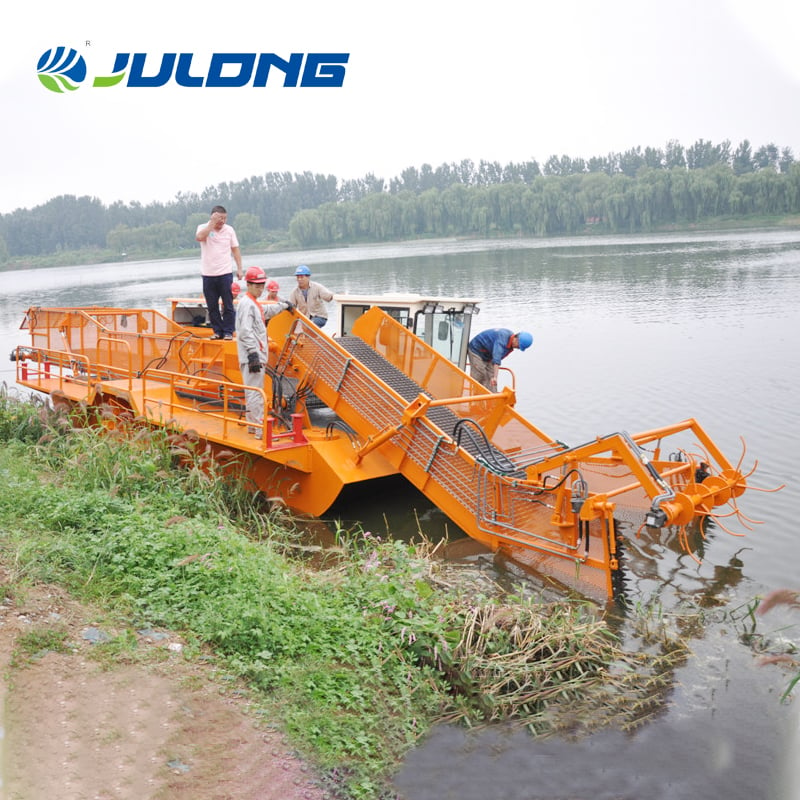
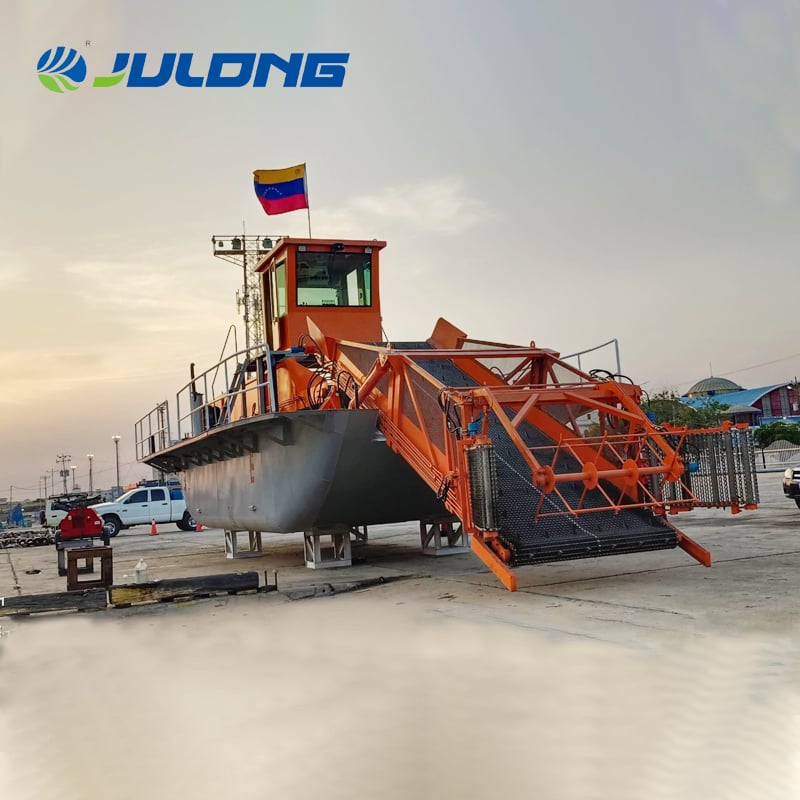
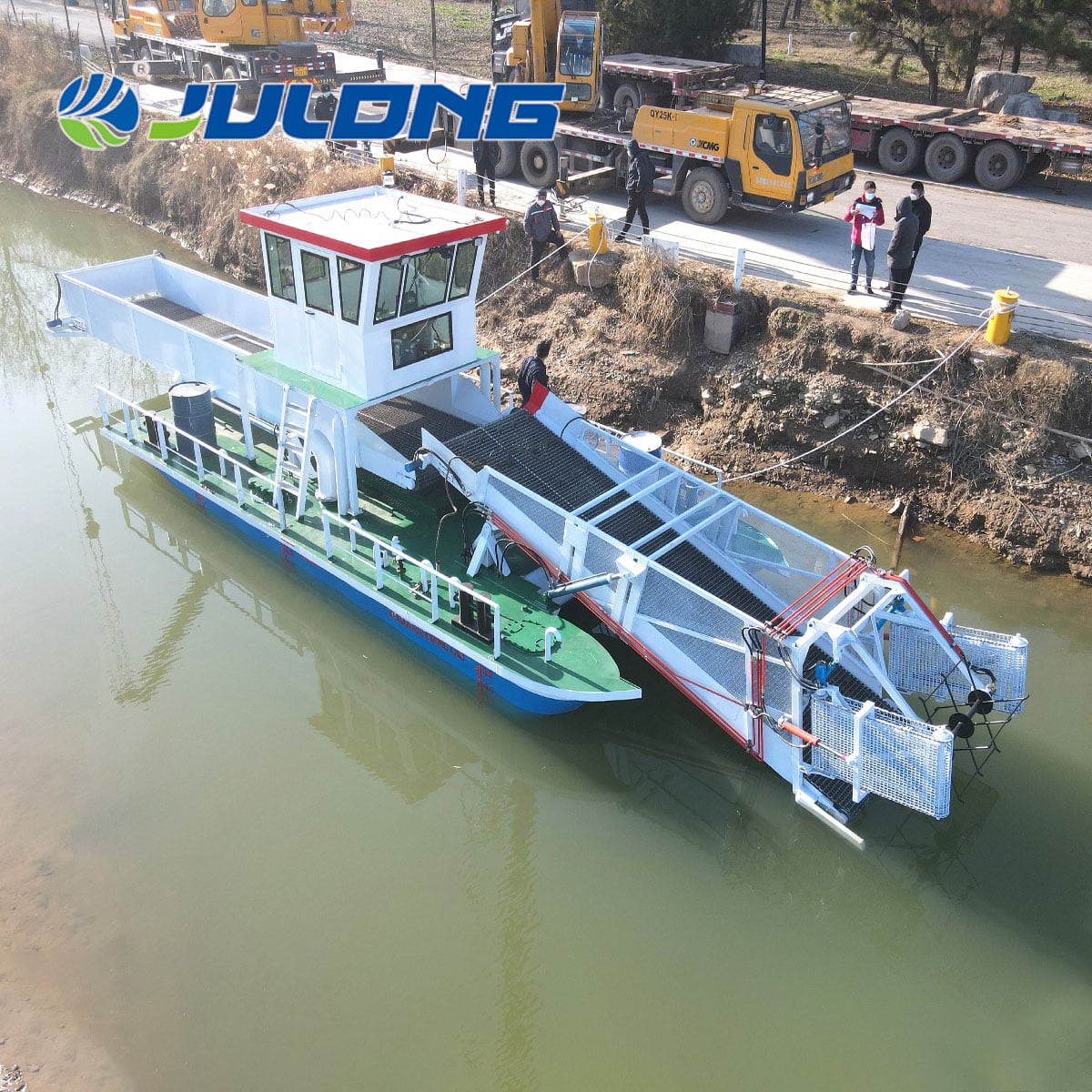
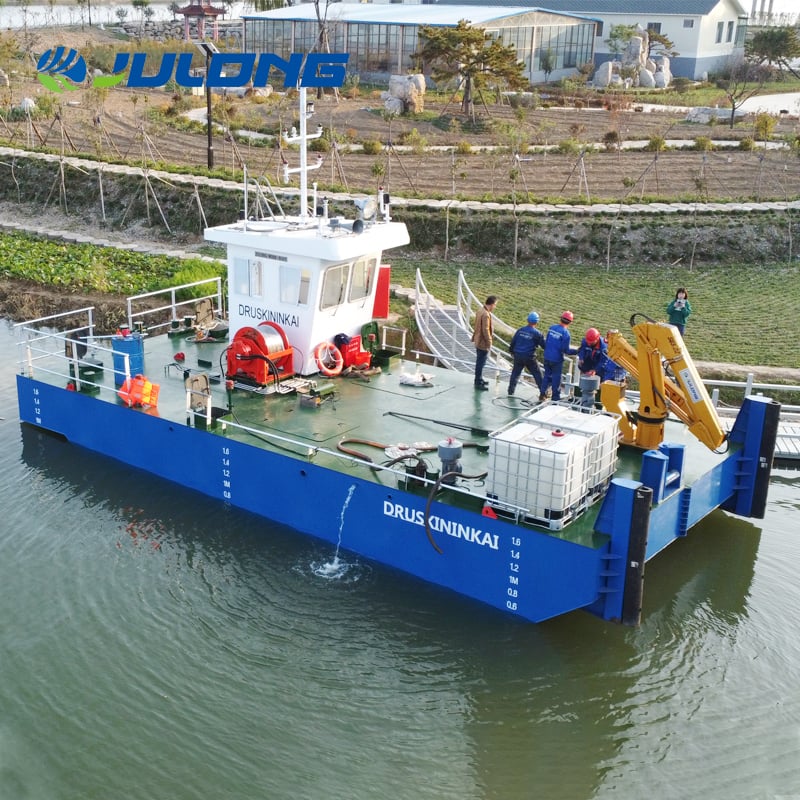
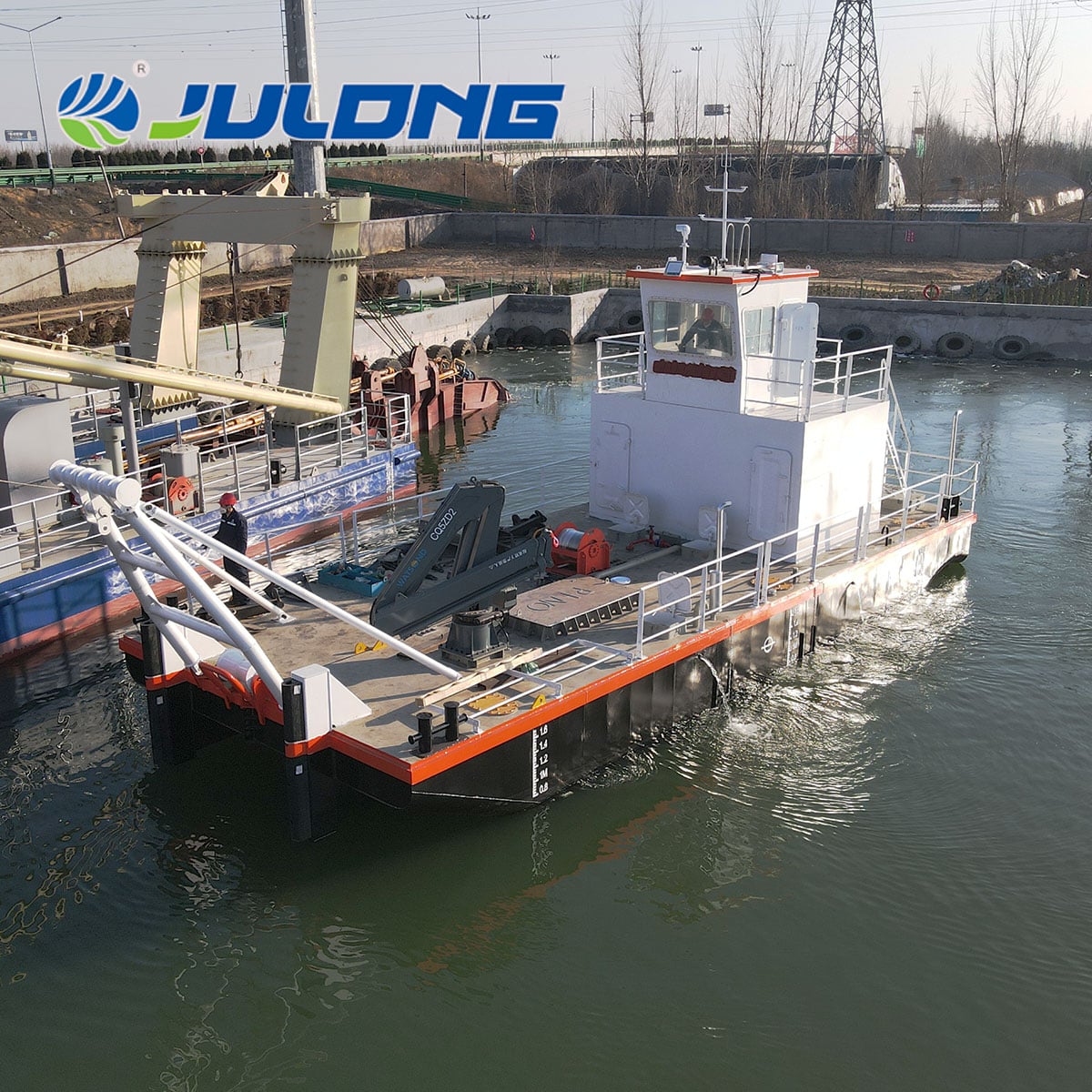
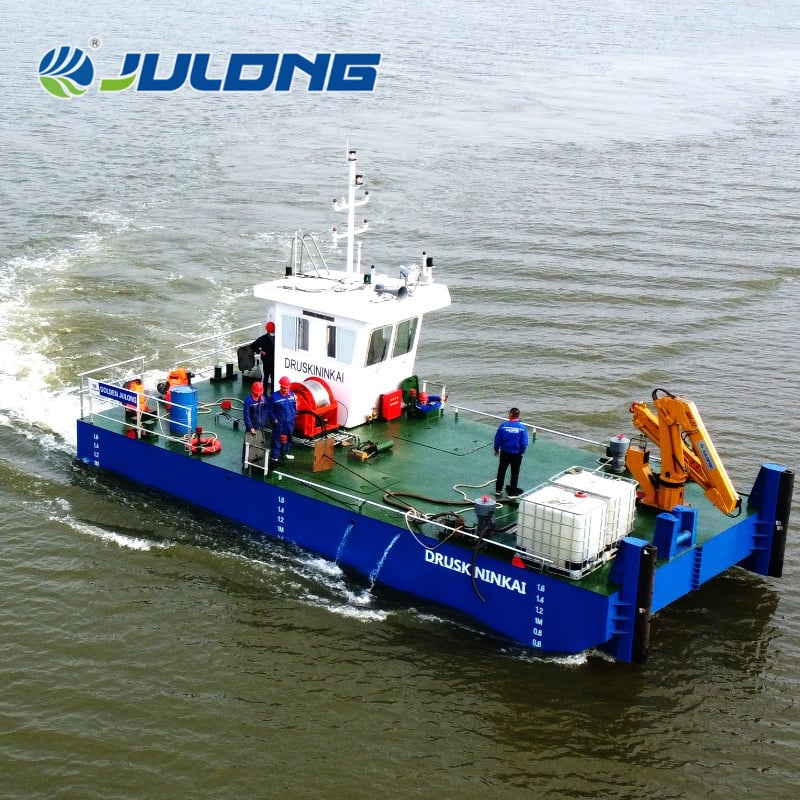
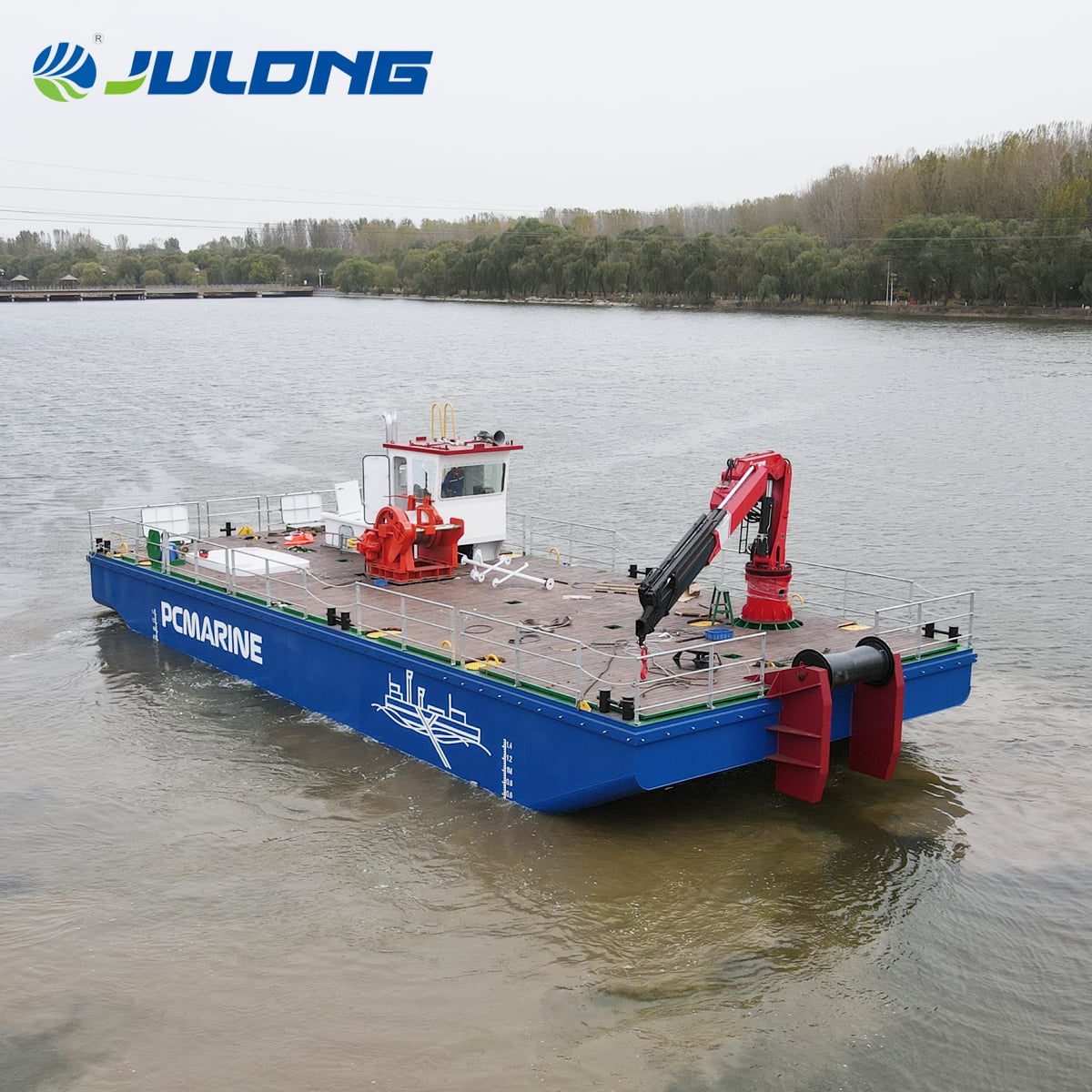
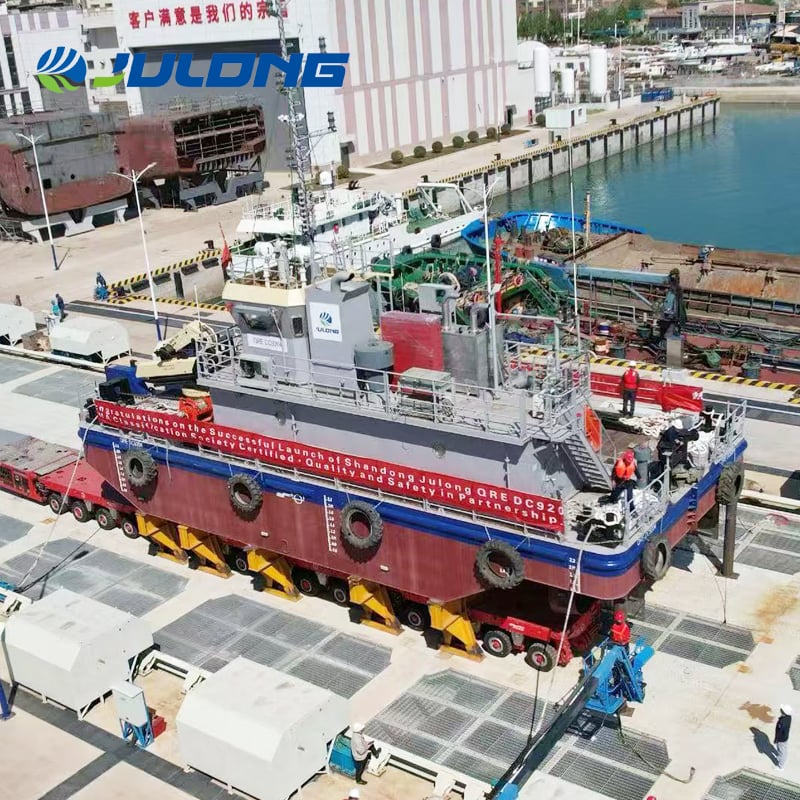
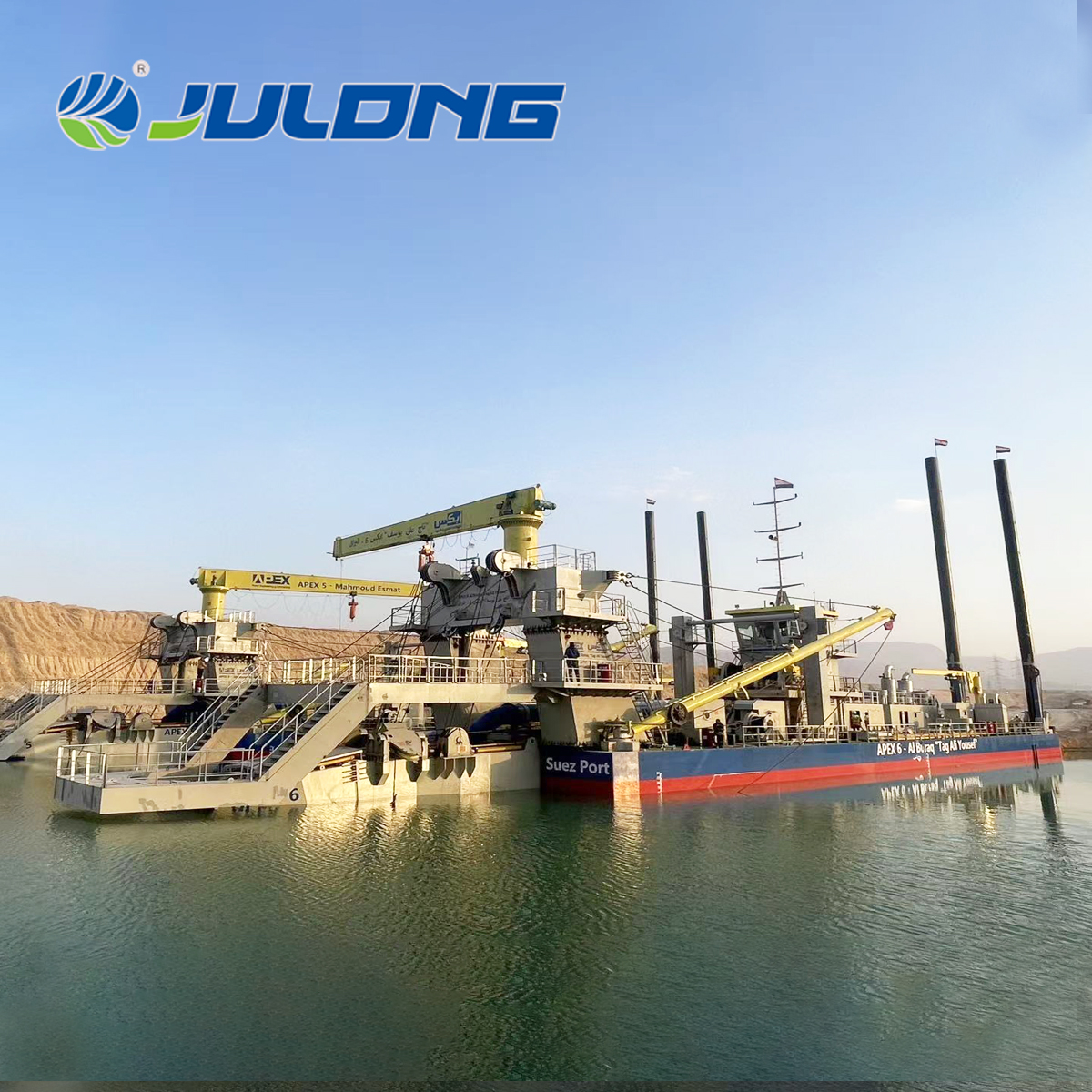
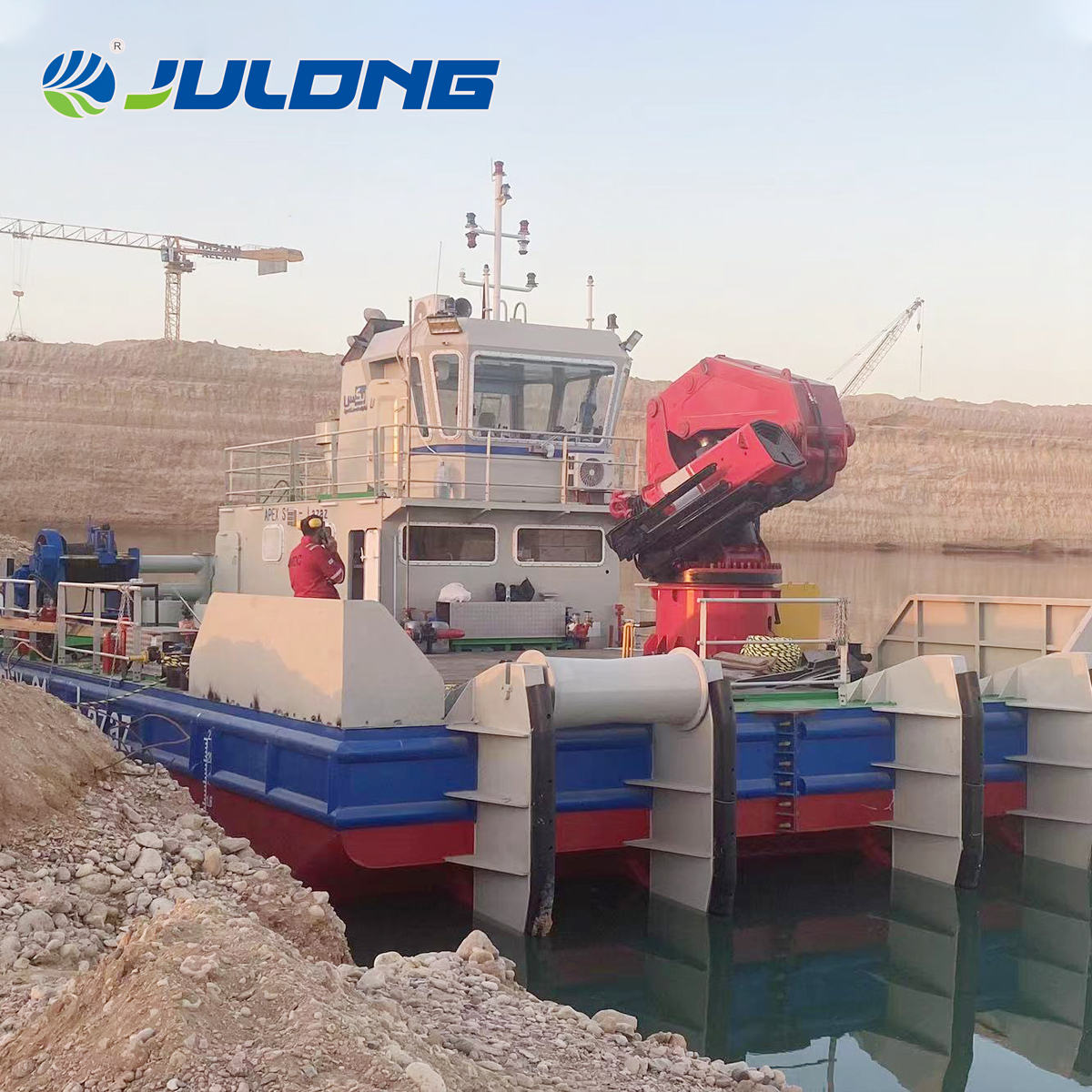
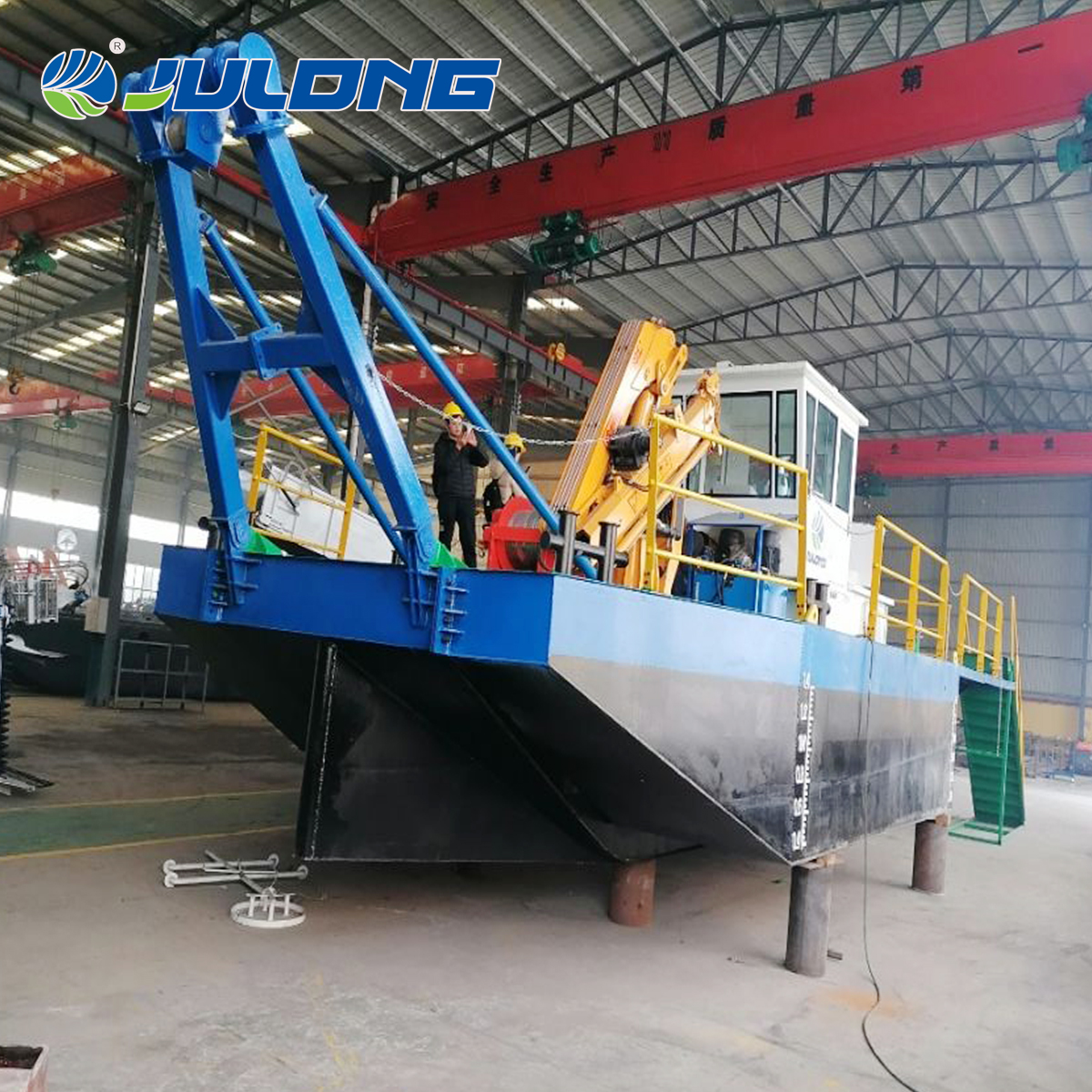
Catamaran work boats are specialized vessels designed for a variety of applications, particularly in dredging, construction, and marine transport. These JULONG work boats for sale offer enhanced stability and load-bearing capacity, making them ideal for demanding environments like rivers, lakes, and ports. B2B buyers often seek detailed information on specifications, materials, and supplier reliability to ensure they make informed purchasing decisions. This article aims to elucidate essential considerations for selecting catamaran work boats, addressing common challenges, and providing insights into the materials and applications that define their effectiveness. 

Common Installation Challenges with Catamaran Work Boats and Solutions

Common Installation Challenges with Catamaran Work Boats and Solutions

While catamaran work boats are designed for performance, installation and operational challenges can arise. Common issues include: 

Stability During Launch: Ensuring proper stability during the launch phase is critical. A solution is to select ramps with adequate slope and strength to support the boat’s weight without risking capsizing. 

Installation of Equipment: Fitting additional equipment, such as cranes or dredging apparatus, may require precise modifications. Buyers should discuss these needs with manufacturers to ensure compatibility and safety. 

Navigational Concerns: Catamarans require careful navigational assessments in areas with shallow waters or submerged obstacles. Utilizing advanced sonar technology can help map these areas effectively. 

Environmental Considerations: Buyers must consider the environmental impact of their operations, particularly in sensitive aquatic ecosystems. Opting for eco-friendly materials and technologies can mitigate risks. 

By addressing these challenges proactively, buyers can ensure that their catamaran work boats are deployed effectively and safely. 

Where to Find Reliable Suppliers for Catamaran Work Boats

Where to Find Reliable Suppliers for Catamaran Work Boats

Identifying a trustworthy supplier is crucial for acquiring a high-quality catamaran work boat. Here are effective strategies: 

Industry Trade Shows: Attending marine and industrial trade shows offers direct access to manufacturers and the latest technologies. Buyers can assess products firsthand and engage in discussions regarding capabilities and customization options. 

Online Marketplaces: Platforms dedicated to industrial equipment can provide a range of suppliers. Reading reviews and ratings can give insights into supplier reliability and customer service. 

Networking within Industry Associations: Engaging with industry associations can provide valuable recommendations and insights based on fellow members’ experiences with various JULONG boat for work suppliers. 

Requesting References: A reputable supplier should be willing to provide references from past clients. This helps verify their credibility and the quality of their products. 

Evaluating Certifications: Ensure that suppliers have relevant industry certifications. This not only reflects their commitment to quality but also guarantees adherence to safety and environmental standards. 

By leveraging these avenues, buyers can find reliable suppliers that meet their specific requirements. 

Understanding Material Advantages of Catamaran Work Boats in Use

Understanding Material Advantages of Catamaran Work Boats in Use

The choice of materials for catamaran work boats significantly impacts their performance and longevity. Key material options and their advantages include: 

Marine-Grade Aluminum: Lightweight and resistant to corrosion, marine-grade aluminum offers excellent strength-to-weight ratios, making it ideal for construction in environments with frequent exposure to saltwater. 

Fiberglass: This composite material is known for its durability and resistance to wear. Fiberglass catamarans are often favored for their ability to withstand the rigors of marine environments while maintaining lower maintenance costs. 

Steel: While heavier, steel provides unmatched strength and durability, making it suitable for heavy-duty applications. However, it requires regular maintenance to prevent corrosion. 

Each material has its own set of advantages; buyers should select based on the operational environment, weight requirements, and expected lifespan of the vessel. 

Application Scenarios for Catamaran Work Boats in Various Industries

Catamaran work boats are versatile and find applications across multiple industries: 

Dredging Operations: Their stability and load capacity make them ideal for dredging tasks in ports and rivers, where precision and efficiency are crucial. 

Construction Projects: In marine construction, catamarans serve as platforms for transporting materials and personnel to and from work sites, especially in challenging water conditions. 

Environmental Monitoring: These JULONG work boat can be equipped for environmental studies, offering stable platforms for sampling and monitoring activities in lakes and rivers. 

Recreational Use: Beyond industrial applications, catamarans are also popular in the recreational sector, providing stable platforms for leisure activities such as fishing and water sports. 

Research and Surveying: With the ability to support specialized equipment, catamarans are often used in scientific research and surveying, allowing for stable data collection in various aquatic environments. 

Understanding the diverse applications can help buyers identify the right catamaran work boat that aligns with their specific operational needs. 

By considering these factors, potential buyers can navigate the complexities of sourcing catamaran work boats, ultimately ensuring a sound investment that meets both operational efficiency and sustainability standards. 

A Buyers Guide

When purchasing a catamaran work boat, buyers should prioritize understanding the specific requirements of their projects. Key considerations include: 

Specifications: Determine the required dimensions, load capacity, engine type, and performance needs. For example, a boat designed for shallow waters may differ significantly from one intended for deep-water operations. 

Material Selection: Look for durable materials that can withstand harsh marine conditions. Common materials include marine-grade aluminum and fiberglass, both of which offer different benefits in terms of weight, strength, and corrosion resistance. 

Customization Options: Many manufacturers provide customization services. Buyers should clarify any specific needs such as deck layout, additional equipment, or unique operational features. 

Quality Assurance: Ensure that the supplier follows stringent quality control processes and holds relevant certifications, such as ISO or CE, which indicate compliance with international standards. 

Cost Analysis: Beyond the initial purchase price, consider long-term operational costs, maintenance requirements, and potential resale value. 

Understanding these factors will enable buyers to select a catamaran work boat that meets their operational needs while ensuring reliability and efficiency. 

Frequently Asked Questions

What is the Catamaran work boat used for?

Designed for river, lake and port projects, it supports dredging, transport, inspection, and maintenance tasks with stability and payload capacity.
Built under ISO and CE quality standards, ensuring safety, reliability, and compliance with international regulations.
Dimensions and payload vary by configuration; contact us for specific length, beam, draft and payload options tailored to your project.
Yes, it is configurable to carry cutter suction dredgers, amphibious dredgers, or excavator systems to suit mission requirements.
We provide global technical support, spare parts supply and warranty services from our facility, ensuring durability and efficient operation.

Get a Free Quote

Our representative will contact you soon.
0/1000