Choosing the Right Work Boat for Industrial Projects

application/boat-for-work, application/boat-for-work, 
Inquiry
Inquiry

boat for work

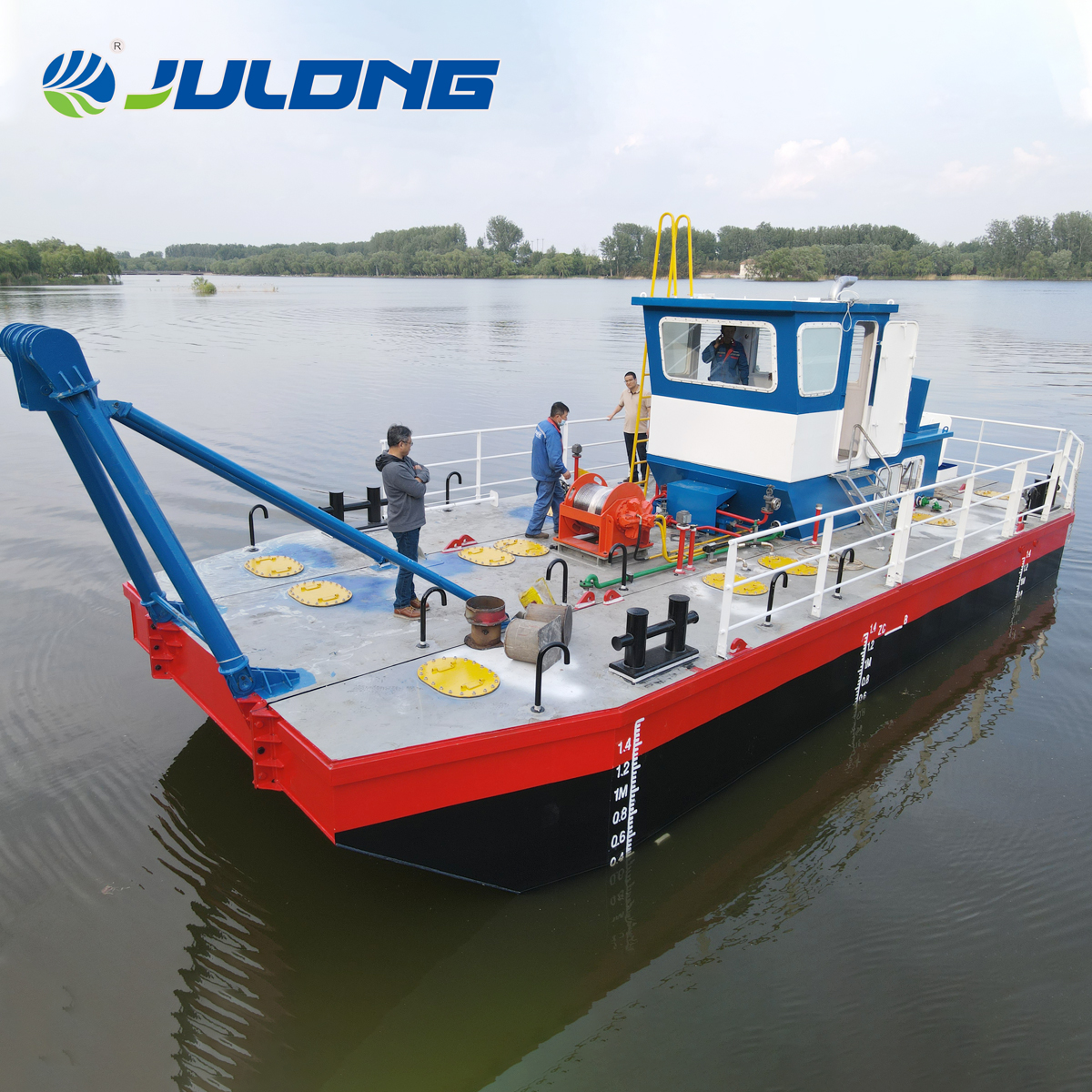
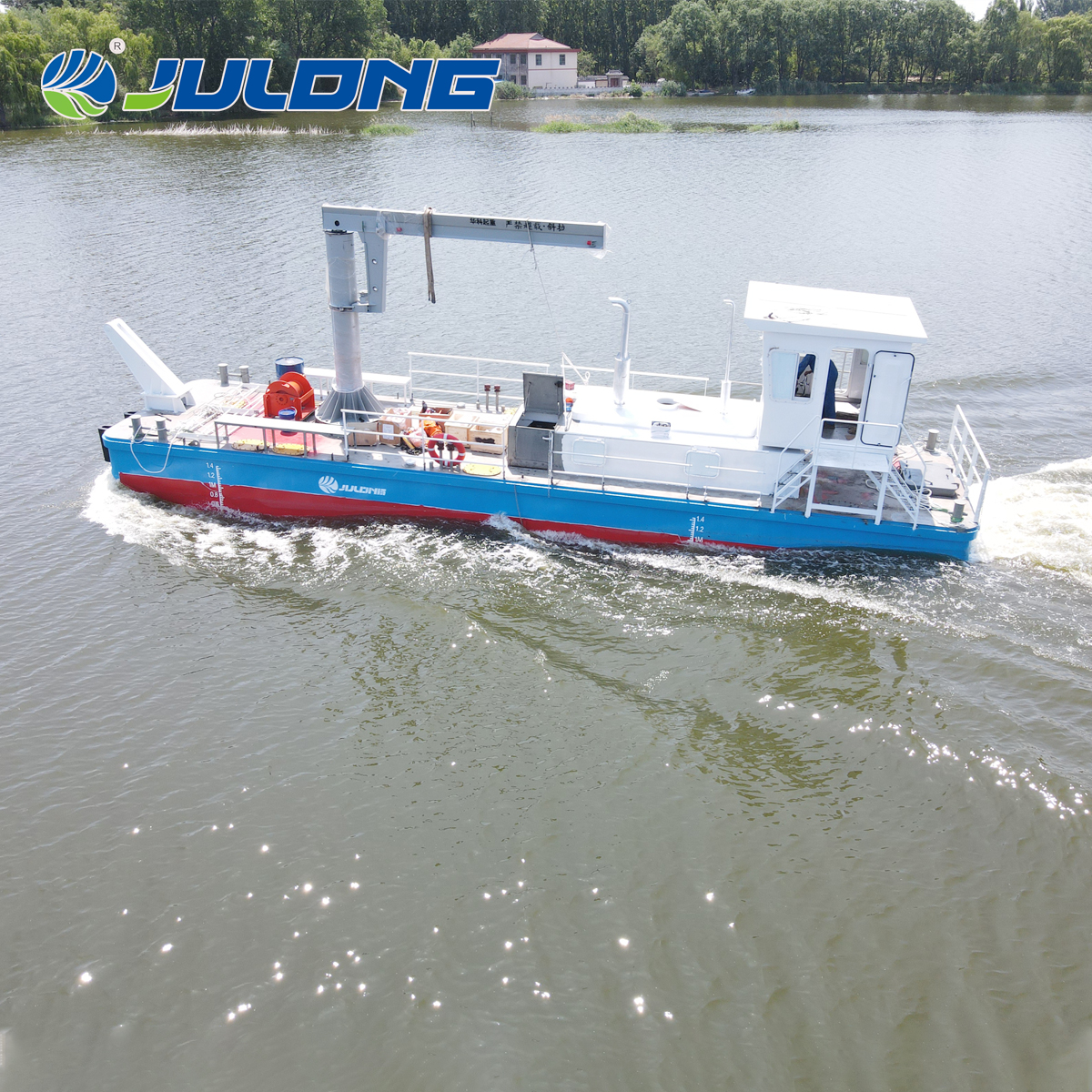
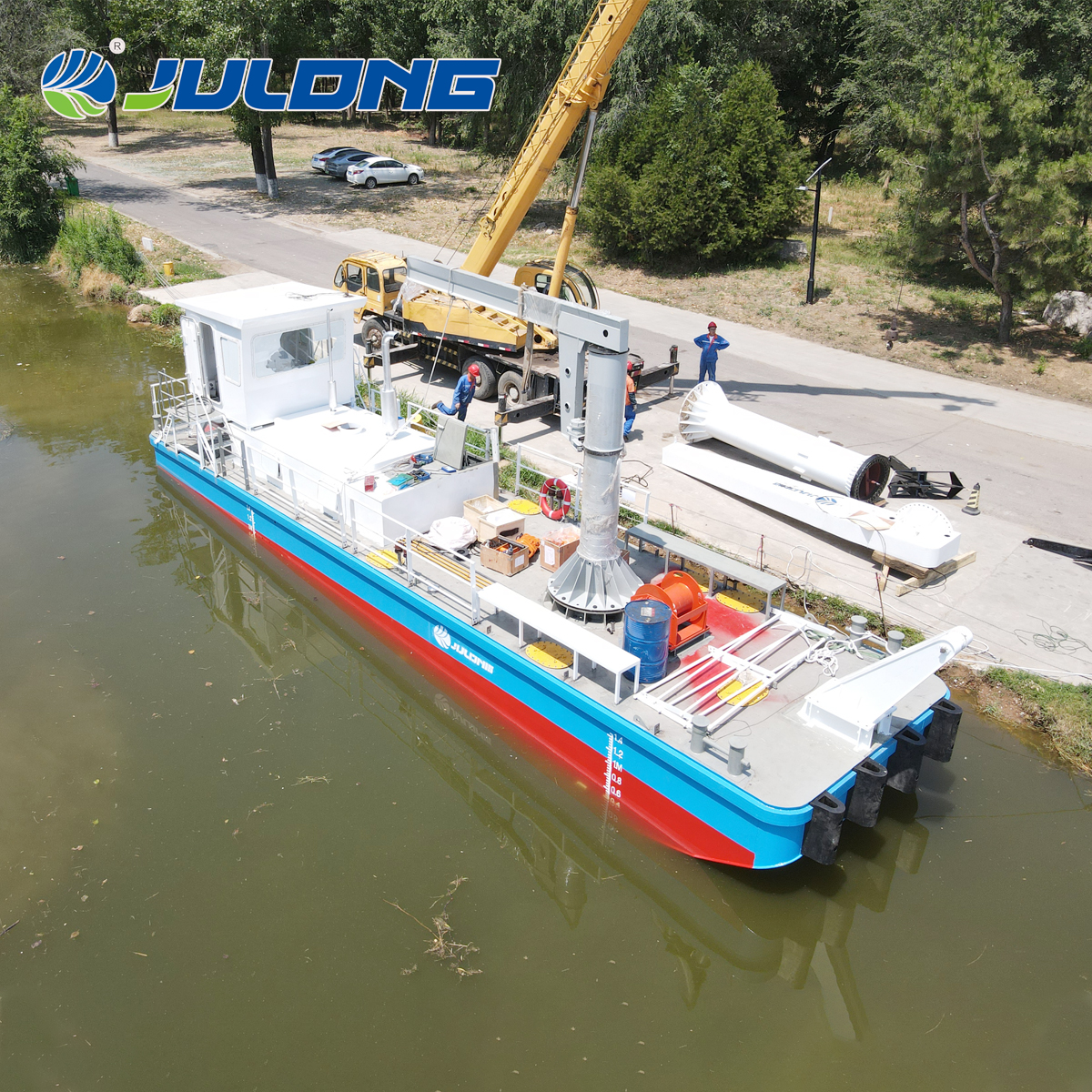
Choosing  the right work boat is crucial  for  the success  of industrial projects  involving waterways. Whether you are managing  dredging operations, environmental remediation, or construction  in aquatic environments, the  performance and  reliability of your work  boat can  significantly impact project timelines  and costs. This article will  address key considerations for  selecting  a boat for  work, helping you  navigate  the  complexities of quality evaluation, specifications,  and common challenges.

How to Evaluate the Quality of Work Boats for Industrial Use

How to Evaluate the Quality of Work Boats for Industrial Use

Evaluating the quality of work boats involves examining multiple  aspects, including materials, construction  methods, and adherence to  industry standards. Quality materials, such as marine-grade steel or aluminum, are essential for durability  and resistance to corrosion, particularly  in freshwater or saltwater environments.  Look for work boats that have  been tested to meet ISO and CE certifications, which indicate compliance with international  quality and  safety standards.

Another crucial aspect is the construction process. Quality control measures during manufacturing, such as  weld inspections  and material testing, should be in place to ensure structural integrity. A reputable manufacturer will provide documentation of  these processes and any relevant certifications.

Inspecting a sample or prototype before mass production is also advisable. This allows  you to evaluate the work boat's performance under actual operating conditions and  confirm that it meets  your project specifications. Pay attention to details such as weld  quality, finish, and overall craftsmanship, as these  can indicate the  longevity and  reliability of the vessel.

Specifications to Review Before Purchasing a Work Boat

Specifications to Review Before Purchasing a Work Boat

When reviewing specifications,  focus on  key elements that affect the performance and suitability of the work boat for your  specific application. Start with the dimensions, including length, beam,  and  draft, as these will influence the  boat's maneuverability and stability. A vessel's load capacity is equally  important; ensuring it can handle the expected payload will prevent performance issues.

Engine specifications, including horsepower  and fuel efficiency, should also  be examined. The right engine will provide the necessary power for dredging  or other heavy-duty  tasks while optimizing fuel consumption, which is crucial  for cost management.

Additionally, evaluate the vessel's equipment and features,  such as dredging  systems, winches, and safety gear.  These components should align with your operational  needs and  ensure safe and efficient project execution. Confirming  these specifications with the  manufacturer can help you avoid  potential pitfalls during operation.

Common Problems with Work Boats and Effective Solutions

Common Problems with Work Boats and Effective Solutions

Work boats  can face various challenges that may affect their performance. Common issues include  mechanical failures, inadequate stability, and  environmental limitations.  Regular maintenance and  inspections are essential to mitigate these risks. Establishing a routine check for components like  the engine, propellers, and  hull integrity  will help prevent unexpected  breakdowns.

If a work boat is struggling with stability, it may be due to improper load distribution or design flaws. Addressing  these issues may involve redistributing materials onboard or considering a different model better  suited for your operational conditions. Consulting  with the manufacturer about design capabilities  can provide insights into potential modifications.

Environmental factors such as changing water levels or  sediment types  can also pose challenges. Work boats must be adaptable to  varying conditions, and selecting an amphibious dredger, for example, can provide the necessary versatility for projects  in diverse environments.

Comparing Work Boat Features for Optimal Project Performance

When comparing work boats, focus on features  that enhance operational efficiency and safety. Look for advanced navigation systems that improve maneuverability in complex environments. Additionally,  consider the type of dredging equipment onboard; some  vessels offer integrated systems that streamline operations, reducing time and labor costs.

Safety features are paramount, particularly in industrial environments. Examine the availability of safety  equipment, such as life vests, fire extinguishers,  and emergency signaling devices. A work boat equipped  with comprehensive safety measures will not  only protect your crew but  also ensure compliance with regulations.

Customization options are also worth  exploring. A manufacturer like Qingzhou JULONG Environmental Technology Co.,  Ltd. may offer  tailored  solutions that  align with  your specific  project needs. Customization can include adjustments to size, equipment, and performance  characteristics, allowing you to optimize the work boat  for your unique applications.

In summary, selecting  the appropriate work boat involves careful consideration of specific project requirements, quality evaluation, and a thorough review  of important specifications. By understanding these elements, you can make informed decisions that enhance project efficiency and safety.

What to Consider When Choosing a Work Boat for Your Project

When selecting  a work  boat, several critical factors  must be taken into account.  First, assess the specific tasks the  vessel will perform. Will  it be used for dredging,  transporting materials, or environmental restoration? Understanding the primary  function will guide you in choosing the  right type of work boat, such as cutter suction dredgers or  amphibious dredgers, depending on  the project requirements.

Another important consideration is the operating environment. Factors such as water depth, type of sediment, and potential obstacles must be evaluated to ensure that the work boat can  operate effectively.  Additionally, consider the payload capacity and stability of the vessel, as these elements  are vital for safe  and efficient operation.

Lastly, think about the regulatory requirements and certifications  that may apply to your project. Work boats often need to comply with specific environmental and safety standards, especially  in sensitive areas. Understanding these regulations early in the selection process can  help  avoid costly delays or legal issues.

Frequently Asked Questions

What types of work is this boat designed for?

Designed for river, lake, and port projects including dredging, excavation, material transport, and maintenance operations.
Our boats and equipment carry ISO and CE certifications, ensuring compliance with international quality and safety standards.
We operate a 12,000 square meter facility with skilled teams to manufacture durable and efficient work boats and dredging equipment.
We serve projects in 93 countries, offering sales, spare parts, and technical support tailored to regional needs.
We provide technical support, spare parts supply, and warranty services. Specific terms vary by model and contract; contact us for detailed coverage.

Get a Free Quote

Our representative will contact you soon.
0/1000