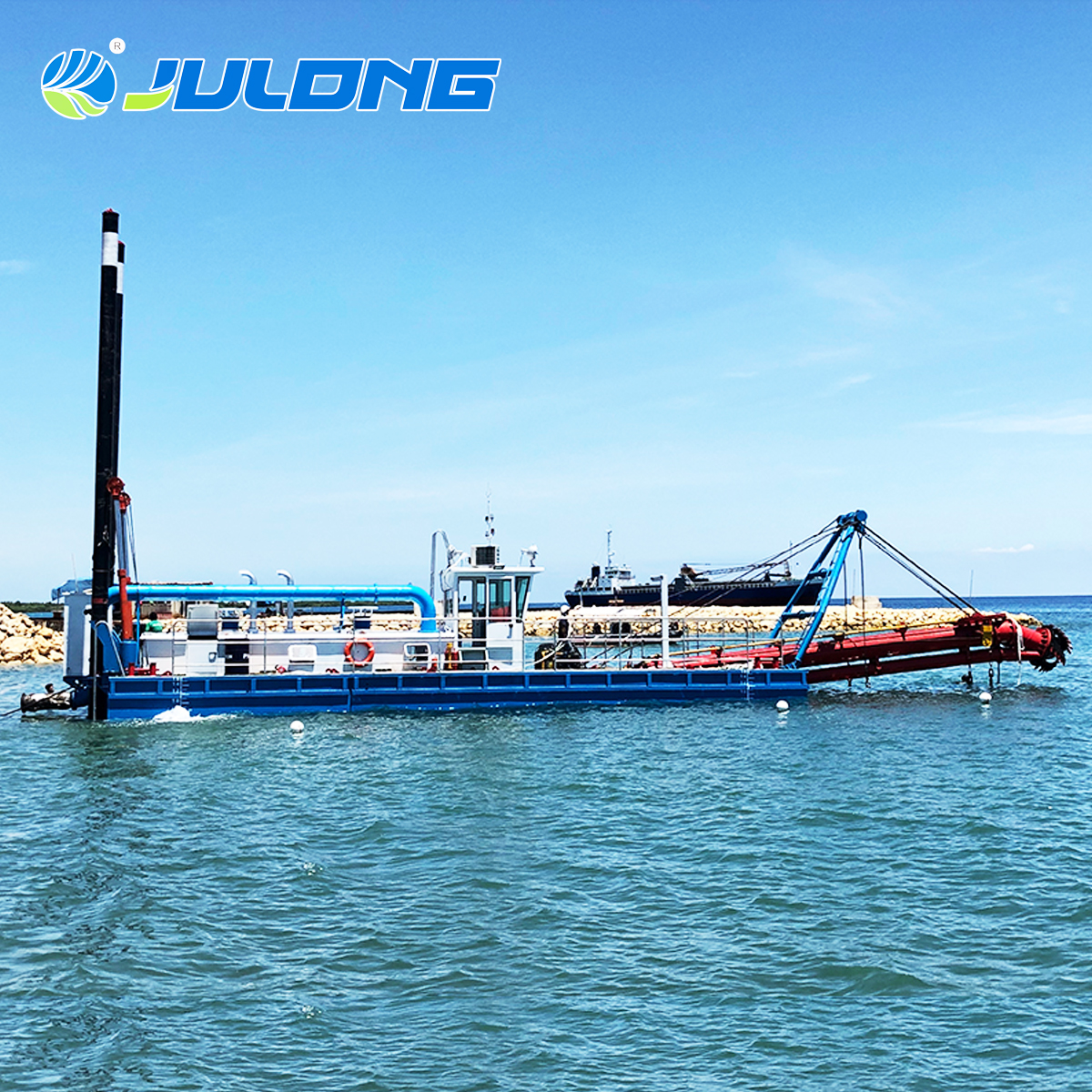
Understanding Dredging: Key Specifications and Benefits

application/what-is-the-meaning-of-dredging, application/what-is-the-meaning-of-dredging, 
Inquiry
Inquiry

What is the meaning of dredging

Dredging is a critical process used in various industries to remove sediment and debris from waterways, ports, and other aquatic environments. Understanding what dredging entails and its significance is essential for professionals in sectors such as construction, environmental management, and infrastructure development. As a B2B buyer, you may have concerns about selecting the right equipment, ensuring compliance with regulations, and evaluating the overall cost of a dredging project. This article will delve into the meaning of suction dredger and provide insights into sourcing effective dredging solutions, helping you make informed decisions. 

A Buyeru2019s Guide

A Buyeru2019s Guide

Purchasing dredging equipment requires thorough preparation and understanding of the market. Here’s a concise buyer's guide to streamline your sourcing process: 

Define Project Requirements: Start by outlining the project scope, including the type of dredging, expected volume, and environmental considerations. This information will guide your equipment selection. 

Research Suppliers: Identify reputable suppliers with experience in the hopper dredger industry. Check for certifications such as ISO and CE, which indicate adherence to quality and safety standards. 

Request Detailed Quotes: When approaching suppliers, provide detailed information about your project, including the type of dredger, required specifications, and any customization needs. This will ensure accurate and comparable quotes. 

Evaluate Delivery and Support: Inquire about lead times, after-sales support, and maintenance services. Reliable support can significantly enhance the operational lifespan of your dredging equipment. 

Inspect Samples: If possible, arrange for a demonstration or inspect a sample of the dredger. Assessing the equipment in real-world conditions helps verify performance claims and quality. 

By following these steps, buyers can effectively navigate the procurement process and select the most suitable dredging solutions. 

Cost Factors to Consider When Planning Your Dredging Projec

Cost Factors to Consider When Planning Your Dredging Projec

Understanding the cost factors involved in a dredging project is crucial for budget management and financial planning. Here are the primary considerations: 

Equipment Costs: The purchase price of dredging equipment varies based on type, size, and features. Cutter suction dredgers typically command higher prices due to their advanced capabilities. 

Operational Expenses: These include fuel, maintenance, and labor costs. Consider the efficiency of the dredger in terms of fuel consumption and the availability of skilled operators. 

Site Preparation and Mobilization: Additional costs may arise from site preparation, transportation of equipment, and mobilizing personnel to the project site. These factors can significantly impact overall budgeting. 

Environmental Compliance: Ensure your project adheres to environmental regulations, which may necessitate additional permits, assessments, or mitigation measures, incurring further costs. 

Timeline: Delays can lead to increased expenses, so it’s essential to establish a realistic timeline for project completion and equipment delivery. 

By accounting for these cost factors, buyers can develop a comprehensive budget that accurately reflects the financial commitments of their dredging project. 

What to Know

What to Know

Before initiating a dredging project, there are several critical aspects to consider: 

Regulatory Requirements: Familiarize yourself with local and international regulations governing dredging operations. Compliance is essential to avoid penalties and project delays. 

Site Conditions: Assessing the site’s conditions, including water depth, sediment type, and environmental sensitivities, is vital for selecting the appropriate dredging equipment and methodology. 

Project Goals: Clearly define the project’s objectives, whether improving navigability, increasing water capacity, or restoring ecosystems. This clarity will guide equipment selection and operational strategy. 

Risk Management: Identify potential risks associated with the dredging process, including environmental impacts, safety concerns, and logistical challenges. Developing a risk management plan is essential for smooth operations. 

Long-Term Maintenance: Consider the long-term maintenance requirements of the dredging equipment. Regular maintenance can prevent costly repairs and extend the equipment's operational lifespan. 

Understanding these factors empowers buyers to approach dredging projects with a comprehensive strategy, minimizing risks and enhancing project success. 

The Advantages of Using Cutter Suction Dredgers in Your Projects

Cutter suction dredgers offer numerous advantages that make them a preferred choice for various dredging applications: 

Versatility: These dredgers can work in diverse conditions, from deep ports to shallow rivers, making them adaptable to various projects. 

Efficiency: Equipped with powerful cutting heads, they can efficiently break up hard materials, allowing for effective sediment removal. This capability translates to faster project completion times. 

Precision: Cutter suction dredgers provide precise control over the trailing suction dredger, enabling operators to target specific areas and minimize environmental disturbances. 

Continuous Operations: These machines can operate continuously, reducing downtime and enhancing productivity. This is especially beneficial for large-scale projects requiring consistent dredging efforts. 

Environmental Considerations: Many modern cutter suction dredgers are designed with environmental protection features that reduce sediment resuspension and minimize the impact on surrounding ecosystems. 

By leveraging these advantages, buyers can optimize project outcomes and ensure effective, sustainable dredging operations. 

In summary, understanding what dredging entails and the factors involved in sourcing effective dredging solutions is crucial for successful project execution. By considering key specifications, conducting thorough research, and evaluating cost factors, buyers can make informed decisions that align with their project goals. 

Key Specifications to Consider When Sourcing Dredging Solutions

When sourcing dredging solutions, several key specifications must be evaluated to ensure the equipment meets project requirements. 

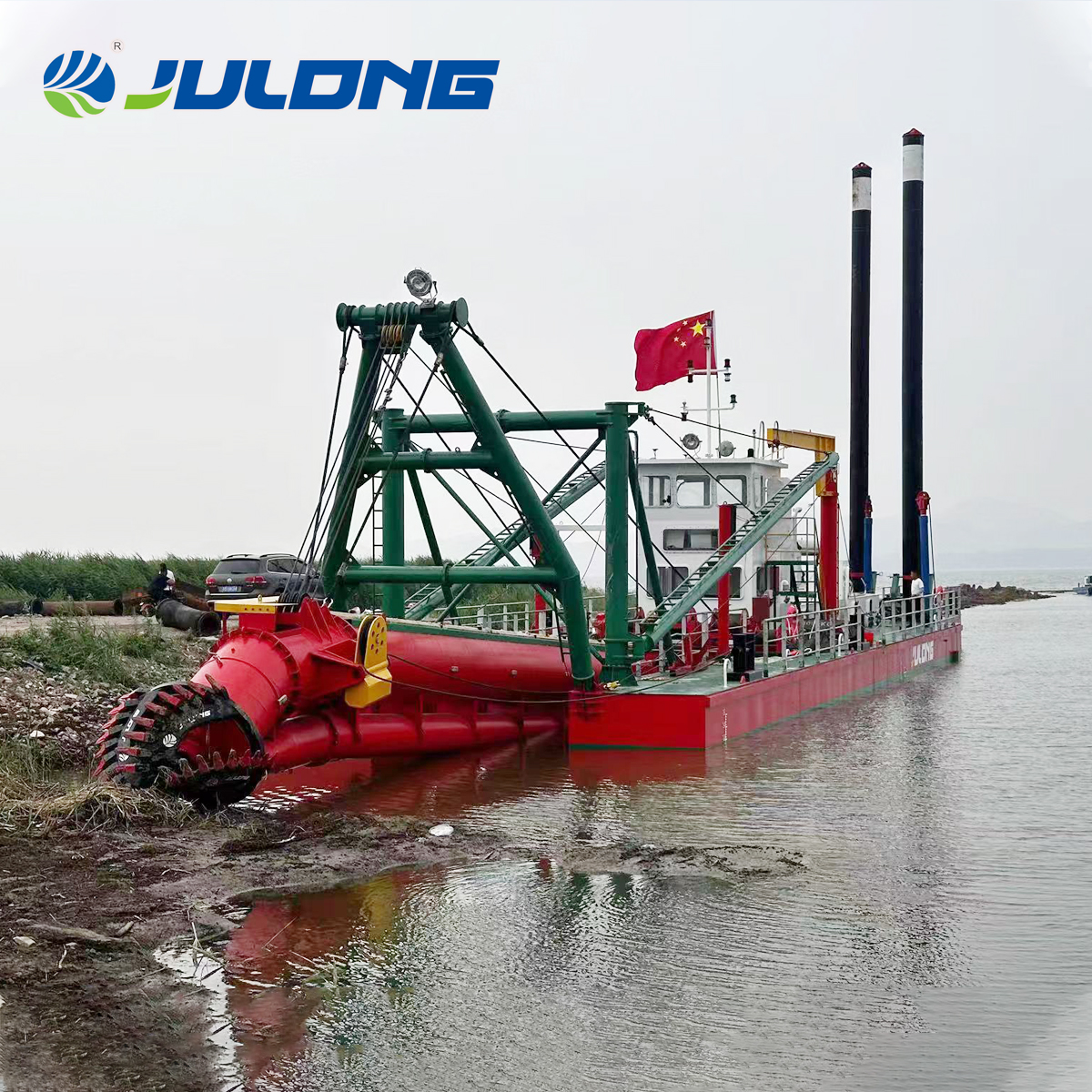
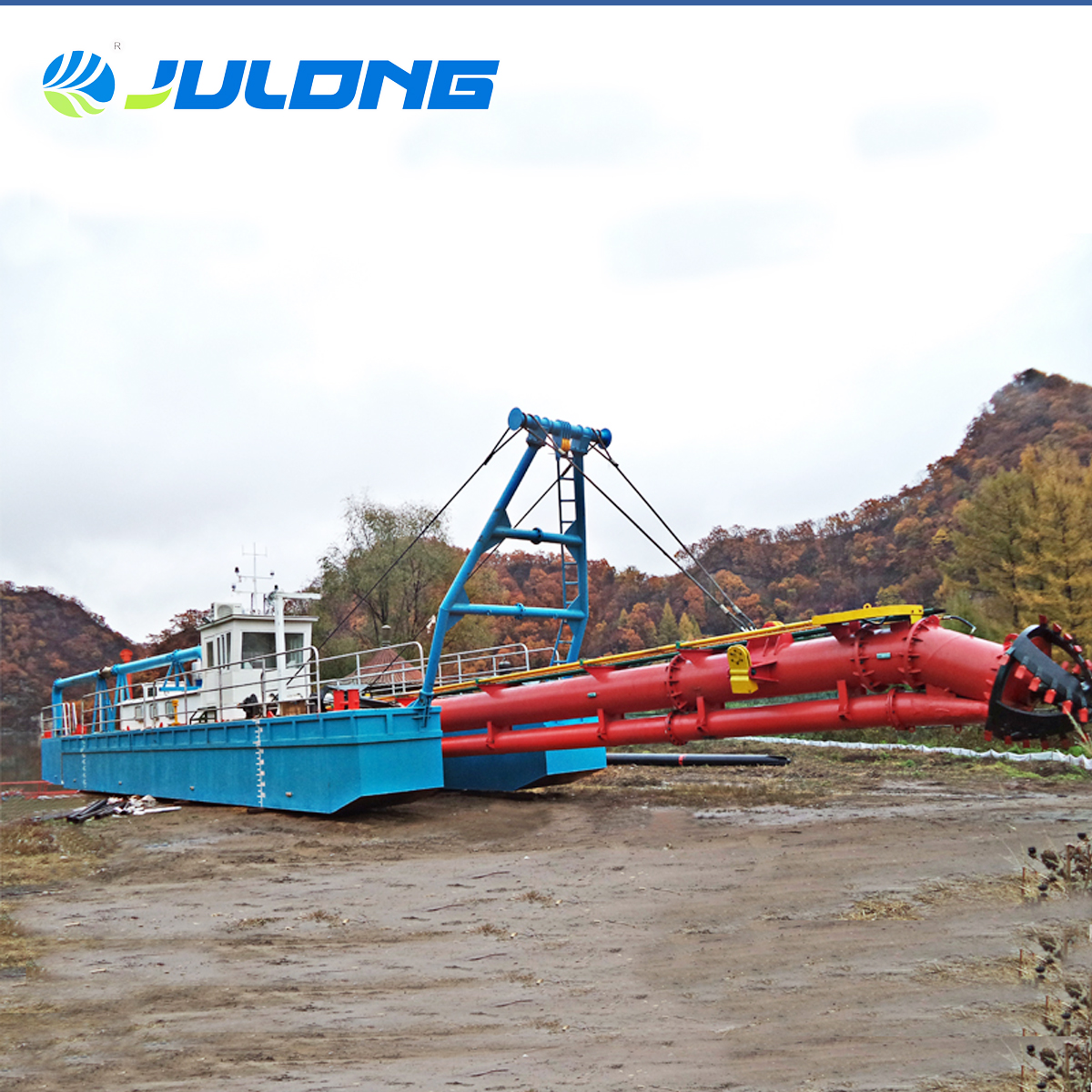
Dredger Type: The primary types of dredgers include cutter suction dredgers and amphibious dredgers. Each type serves different applications—cutter suction dredgers are ideal for deepwater projects, while amphibious dredgers excel in shallow or marshy areas. 

Capacity and Size: The dredging capacity, often measured in cubic meters per hour, determines how much material can be removed within a specific timeframe. Size specifications, including the dredger's length and draft, affect its operational efficiency and maneuverability. 

Power Source: Dredgers may be powered by diesel engines or electric motors, impacting operational costs and environmental compliance. Buyers should consider the energy efficiency and emissions of the chosen power source. 

Material Construction: The materials used in constructing the dredger, such as high-strength steel or aluminum, contribute to durability and corrosion resistance. This is particularly important for dredging in harsh environments. 

Technical Features: Features such as automatic positioning systems, monitoring equipment, and advanced hydraulic systems can enhance operational efficiency and safety. 

Evaluating these specifications ensures that the dredging solution aligns with specific project needs, reducing risks and enhancing performance. 

Frequently Asked Questions

What does dredging mean in simple terms?

Dredging is the removal of sediment, debris, or vegetation from waterbeds to deepen, clear, or reshape rivers, lakes, ports, and canals for navigation, flood control, or construction.
Dredging maintains navigable depths, improves water flow, reduces flood risk, and restores habitats to support shipping, infrastructure, and environmental health.
Common methods include cutter suction dredging, excavating, and amphibious dredging, chosen based on material type, water depth, and project goals.
A cutter head loosens material which is pumped through a pipeline to a disposal site, offering continuous removal for rivers, lakes, and ports.
Key factors include sediment composition, environmental impact, disposal location, equipment type, regulatory permits, and project timeline.

Get a Free Quote

Our representative will contact you soon.
0/1000