Cutter Suction Hopper Dredger: Key Benefits & Features

application/cutter-suction-hopper-dredger, application/cutter-suction-hopper-dredger, 
Inquiry
Inquiry

cutter suction hopper dredger

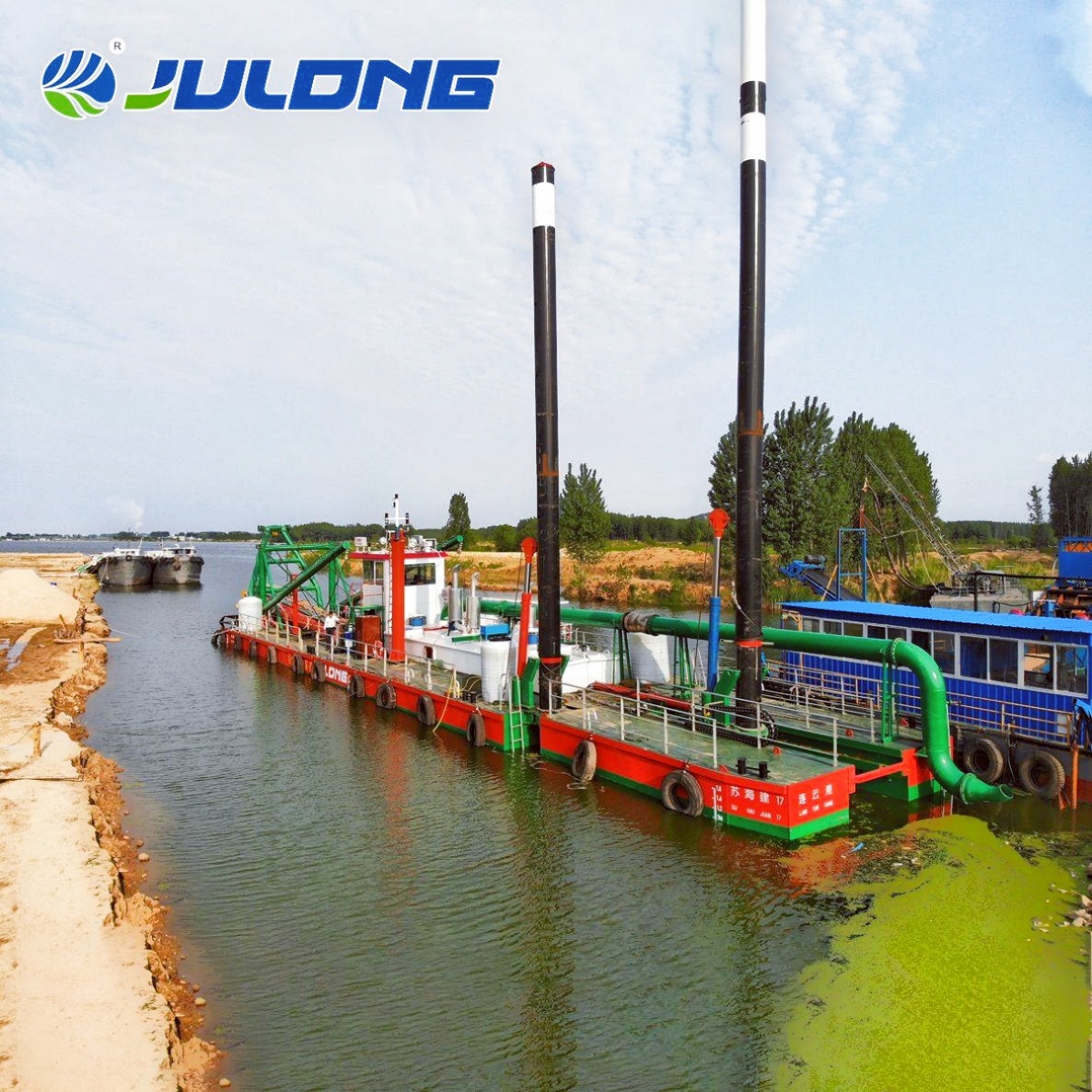
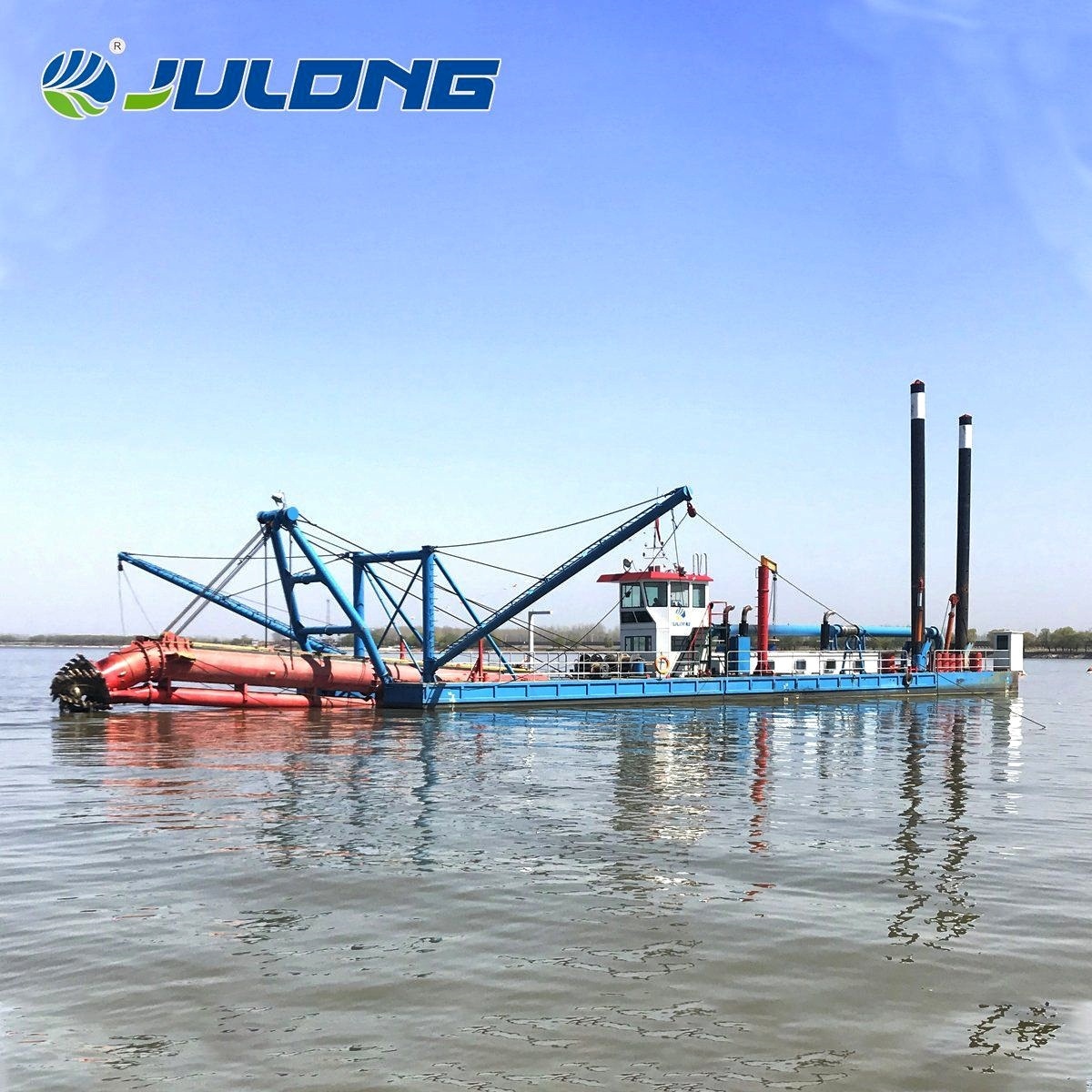
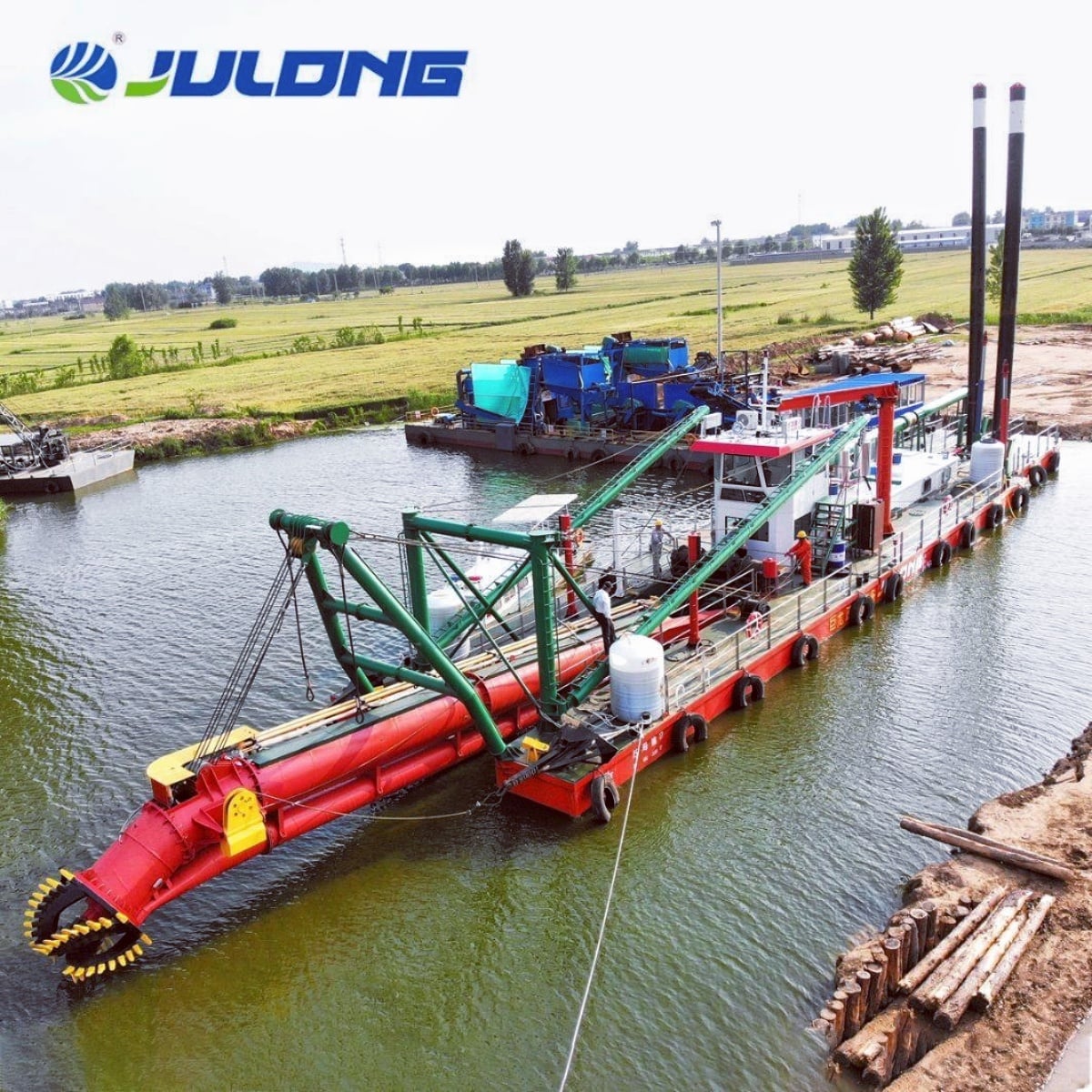
A cutter suction hopper  dredger  is a specialized marine vessel designed for dredging  operations in various water  bodies, including rivers, lakes, and ports. These  machines  are essential for maintaining  navigable waterways, removing sediment,  and facilitating the construction of  marine infrastructures. As a buyer,  your  primary  concerns may include the dredger's efficiency, durability, operational capabilities, and suitability  for specific projects. This article  will guide you through the benefits,  selection criteria, specifications, features,  and installation guidelines for cutter suction hopper dredgers  to  help you make  an informed purchasing  decision.

How to Choose the Right Cutter Suction Dredger for Your Needs

How to Choose the Right Cutter Suction Dredger for Your Needs

Selecting the right cutter suction  dredger involves evaluating several factors  that align with your specific project requirements. Start  by considering the dredging depth and the type of material you will be working with. Different models have varying  capabilities regarding  maximum dredging  depths and material types, so it's essential to match these  specifications to your project needs.

Next,  assess the dredger's operational efficiency and fuel consumption. A more fuel-efficient model may have a higher  upfront cost but will save money in the long run through reduced operating expenses. Also, consider the dredger’s mobility; if your project requires  frequent movement between sites, a more compact  and maneuverable design may be advantageous. Models like the JLWB1600 Multi-function Work Boat are designed for such versatility.

Customization options are another important factor. Depending on your project, you may need  specific features  or equipment configurations, such as different cutter head designs or  enhanced propulsion  systems. Discussing these  requirements  with your supplier will help  ensure  you select a model that meets your operational needs.

 
Key Specifications to Evaluate in Cutter Suction Hopper Dredgers

Key Specifications to Evaluate in Cutter Suction Hopper Dredgers

When evaluating cutter suction hopper  dredgers, several key specifications are  crucial to consider:

Dredging Depth: The maximum  dredging depth indicates how deep  the  dredger can operate effectively. Ensure this aligns  with your project requirements.

Cutter Power: The power of the cutter head determines  its ability to break through different material types. Higher cutter power is essential for  harder materials.

Hopper Capacity: This specification indicates how much  dredged material the  hopper can hold. Larger  capacities allow for longer operational  periods without disposal.

Discharge Distance: The distance  to which dredged material can be disposed of is crucial for planning your operation. Longer discharge distances increase the flexibility of disposal options.

Fuel Efficiency: Understanding the fuel consumption rates can significantly impact overall operational costs, making this an important specification to evaluate.

Dimensions and  Weight: These specifications are important for transportation and operational feasibility, especially  if  the dredger needs to operate  in confined areas.

Understanding these specifications will help you  make a  more informed decision when purchasing a cutter  suction hopper dredger.

Features and Benefits

Features and Benefits

Cutter suction hopper dredgers come equipped with various  features  that enhance  their functionality and  efficiency. Key features include:


Adjustable Cutter Heads: Many CSHDs offer adjustable cutter heads that can be tailored for  different  material  types, improving dredging efficiency.

Automated Control Systems:  Modern dredgers often include advanced automation systems that enhance operational control, reduce operator workload, and improve safety.

Self-Propelled Design: This feature  allows the dredger to navigate  independently to different work sites, saving time and reducing the need for tugboats.

Robust Construction Materials: High-quality materials used in the  construction of the  dredger ensure durability and resistance to wear and tear, which is critical  for  long-term operation in  challenging environments.


These features contribute not only to the efficiency of the dredging process  but  also to the safety and  reliability of operations.

Installation Guidelines for Your Cutter Suction Hopper Dredger

Installing a cutter suction hopper dredger involves several critical steps to ensure optimal  performance and longevity. First, select an appropriate location  for  the dredger's operation, considering water  depth, material type, and environmental conditions.

Next,  ensure that all necessary permits and  environmental assessments are completed before beginning operations. This step is crucial  for compliance with local regulations and to minimize ecological impact.

During  installation, pay close attention to the dredger's anchoring system and positioning. Proper anchoring  is essential to maintain stability during operation, particularly in flowing water conditions. Additionally,  ensure that all hydraulic and electrical systems are  thoroughly tested  before commencing dredging activities  to  avoid operational failures.


Lastly, consider  conducting a trial run to evaluate the dredger's performance under actual working conditions. This step will help identify any adjustments or  improvements  needed before full-scale operations begin.

By adhering to these installation guidelines, you can enhance the efficiency  and reliability of your cutter suction hopper dredger, ensuring successful project outcomes.

Benefits of Using a Cutter Suction Hopper Dredger in Your Projects

Cutter suction hopper dredgers (CSHDs) offer  several  advantages for dredging projects. First, they  provide high efficiency in material removal due to their cutter head, which can  break up hard  materials  like clay, gravel, and rocks. This feature allows for deeper dredging depths  compared to other dredging methods, making them suitable  for various applications.

Additionally,  CSHDs are equipped with a hopper that  can store dredged  material onboard, allowing  for longer operational periods without the need for frequent disposal. This capability is particularly  beneficial in remote locations where disposal sites may be limited. Furthermore, the dredger's design enables  it to operate in shallow waters, making  it versatile for projects in lakes and  rivers where traditional dredging equipment may struggle. For example, the JLCSD700 Cutter Suction Dredger is ideal for such challenging environments.

Lastly, CSHDs are generally  more environmentally  friendly than other  dredging methods, as they minimize the disturbance of surrounding ecosystems. Their ability to operate efficiently and effectively in various conditions contributes to lower  operational costs over time.

Frequently Asked Questions

What is a cutter suction hopper dredger used for?

It excavates and removes sediments from rivers, lakes, and ports using a rotating cutter head, vacuuming material into onboard hopper for transport or disposal.
We offer models with varied cutter power, pump capacity, and hopper volume to suit small to large projects; specifications are customizable per project needs.
Our dredgers are produced in a 12,000 m² facility and carry ISO and CE certifications, ensuring compliance with international quality and safety standards.
Yes. We offer commissioning, operator training, spare parts supply, and technical support to ensure reliable long-term operation and rapid response service.
Yes. Our cutter suction hopper dredgers and amphibious variants are designed for shallow, confined, and difficult access sites, with customizable draft and maneuverability.

Get a Free Quote

Our representative will contact you soon.
0/1000