Choosing the Right Auger Suction Dredger

application/auger-suction-dredger, application/auger-suction-dredger, 
Inquiry
Inquiry

auger suction dredger

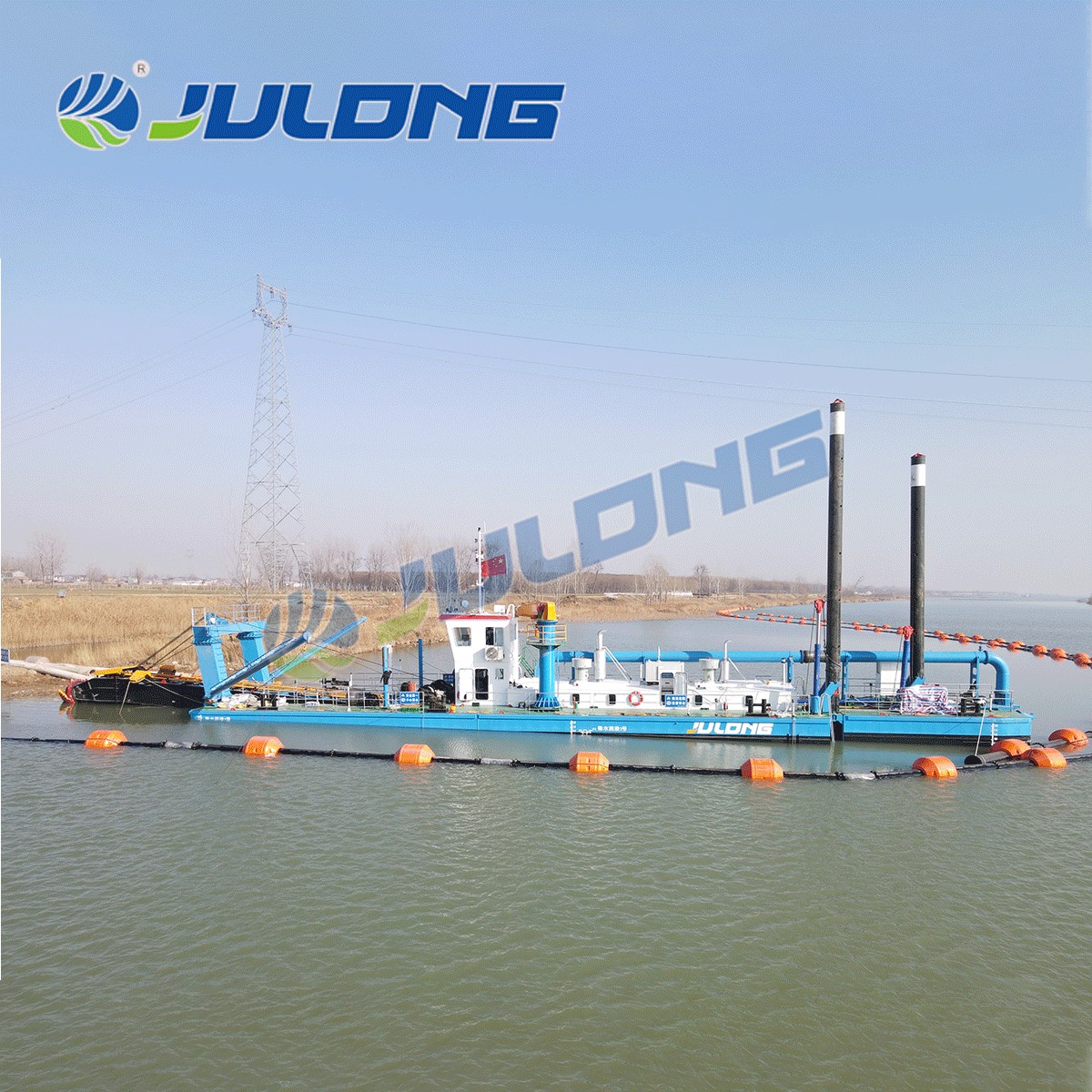
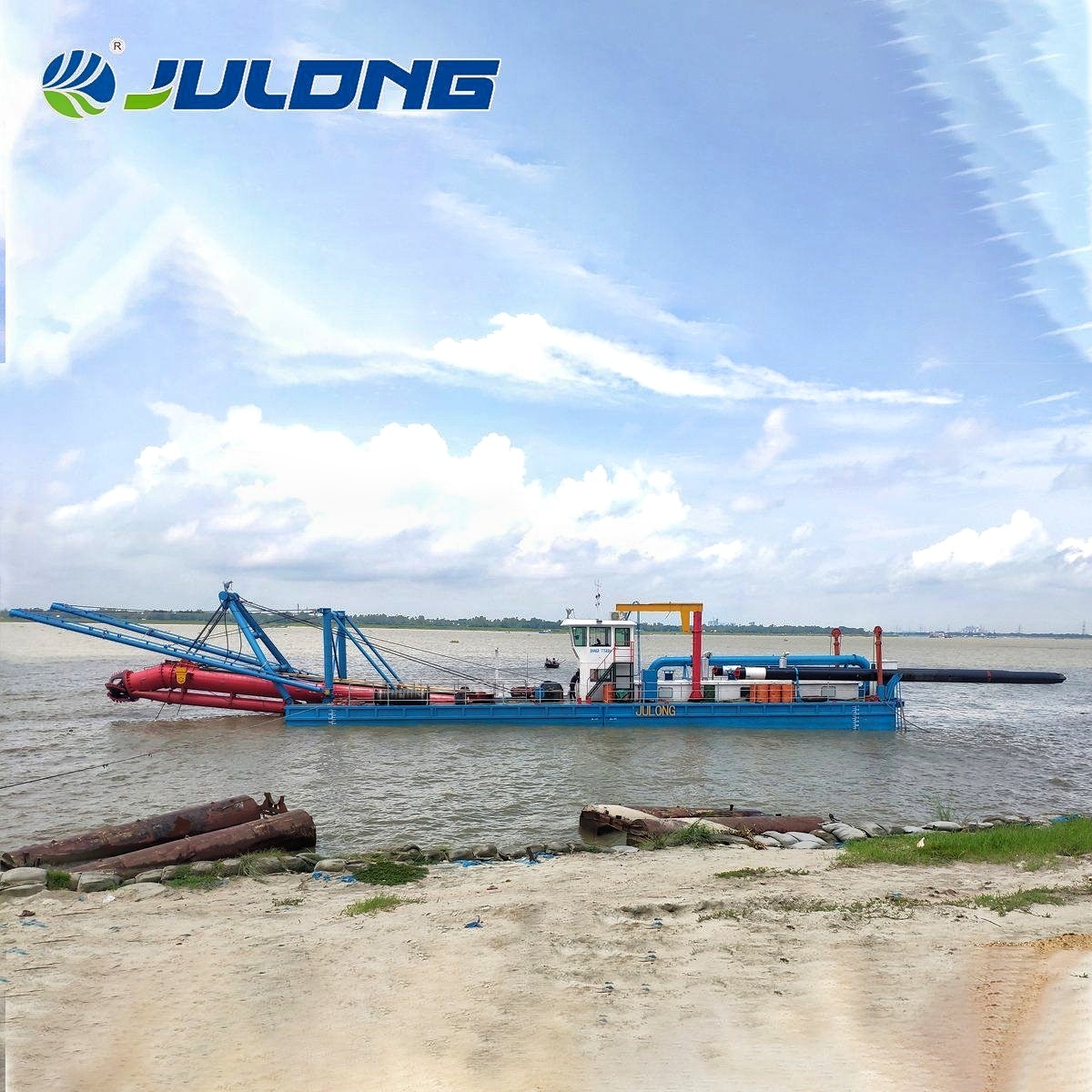
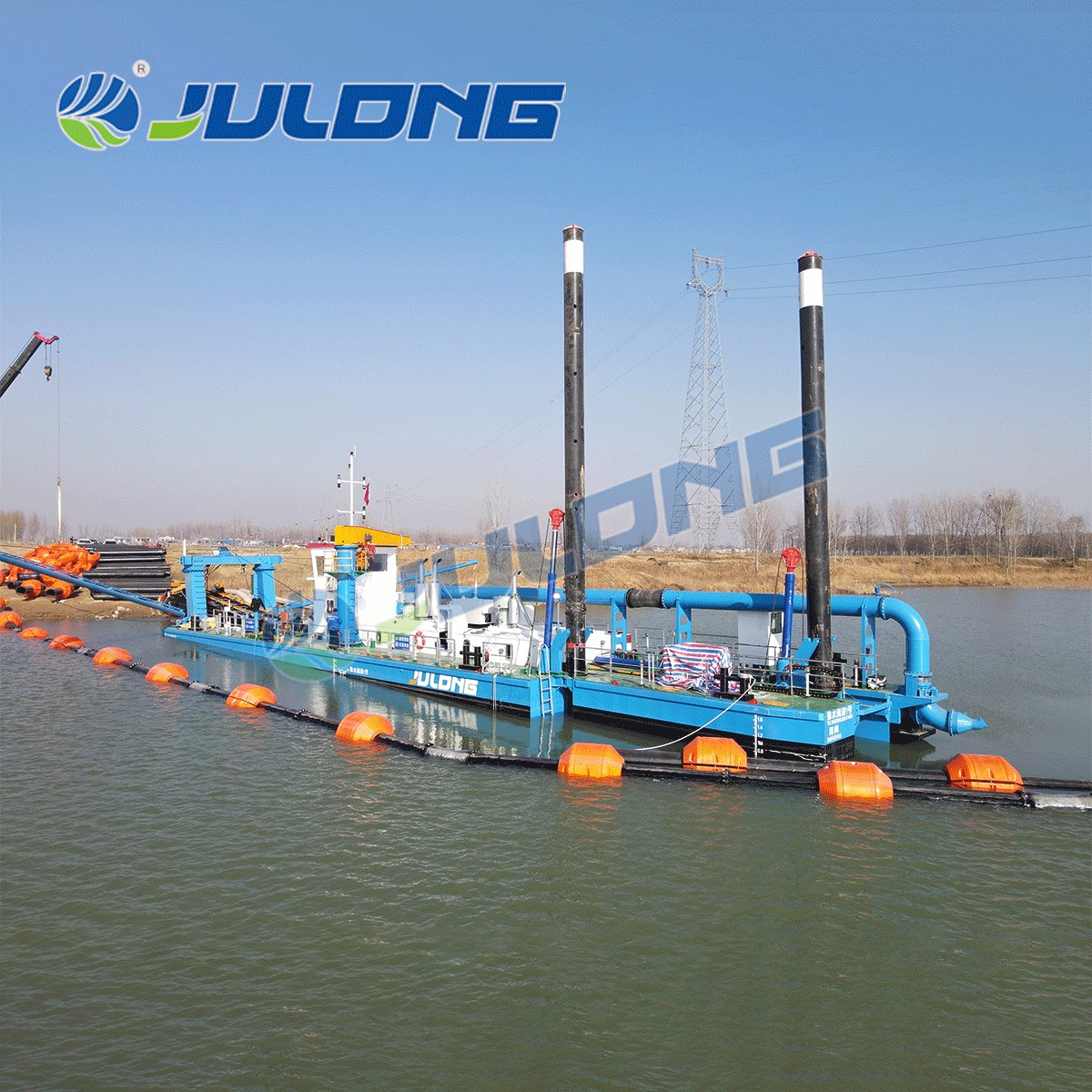
When considering dredging  solutions for projects involving rivers,  lakes, and ports, an auger suction  dredger stands  out as an efficient tool. These  machines are designed to excavate and transport  sediment with  precision and speed, making  them ideal for various applications. However, B2B buyers often face  challenges in selecting the right model for their specific  needs, evaluating supplier reliability,  and  understanding potential issues  that might  arise during operation. This article aims to provide  insights into what you should consider when choosing an auger suction dredger, how to find  reliable  suppliers,  common operational problems, cost factors, and best practices  for successful procurement.

 
Finding Reliable Suppliers for Auger Suction Dredgers

Finding Reliable Suppliers for Auger Suction Dredgers

Identifying  a trustworthy supplier is critical to ensuring you  receive a  quality product that meets your specifications. Start by  researching manufacturers with a proven track record in the industry. Look for  companies like Qingzhou JULONG Environmental  Technology Co., Ltd., known for their expertise in cutter suction dredgers  and  related equipment.

Supplier Evaluation: Assess suppliers based on their experience, production capabilities, and reputation within the market. Reading customer reviews and testimonials  can provide insight into the supplier's reliability and product  quality.

Certifications and Compliance: Ensure that the supplier holds necessary  certifications that attest to the quality of their products. This demonstrates  a commitment to meeting industry standards, which is crucial when  dealing with  heavy machinery.

Communication: Establish clear lines  of  communication with potential suppliers. A responsive supplier who provides detailed information about  their products and processes is  often more reliable. Discuss your project requirements and gauge their willingness  to customize products  to suit your needs.

Common Problems with Auger Suction Dredgers and Their Solutions

Common Problems with Auger Suction Dredgers and Their Solutions

While auger suction dredgers are robust machines, they can encounter  several common issues during operation. Understanding these  problems and their solutions  can help mitigate risks.

Clogging Issues: One frequent problem  is clogging, often caused by dense or  oversized materials. Regular maintenance and inspection of the  auger and suction system can  help prevent this issue. Operators  should monitor the dredged  material and adjust the auger speed accordingly.

Wear and Tear:  Continuous operation can result  in wear on components. It's essential to choose materials that can withstand  abrasive conditions, and to  implement a regular maintenance schedule  to replace worn parts before  they cause  operational delays.

Hydraulic Failures:  Hydraulic  systems are vital for the operation of an auger suction dredger. Ensure that the hydraulic components are of high quality and regularly  inspected. Familiarize yourself with  troubleshooting procedures to address hydraulic issues promptly.

Cost Factors to Consider When Sourcing Auger Suction Dredgers

Cost Factors to Consider When Sourcing Auger Suction Dredgers

When sourcing an auger suction dredger, understanding the cost structure is  critical  for budgeting and procurement. Here are the primary cost factors to  consider:


Initial Purchase Price: This includes the base cost of the dredger, which can vary based on specifications, features, and the level of customization required.  Be sure to compare prices from multiple suppliers to get a sense of the market rate.

Operational Costs: Factor in the costs associated with operating the dredger, including fuel consumption,  maintenance  expenses, and  labor  costs. Efficient machines may have a higher initial investment but  can lead to lower operational costs in the long run.


Shipping  and  Handling: If  sourcing from international suppliers,  consider shipping costs, customs fees, and  any additional handling charges. These  can significantly affect the total cost.

Availability of Spare Parts:  Ensure that spare parts are readily available and reasonably priced. This will contribute to lower downtime  and maintenance costs over the dredger's lifespan.


Best Practices and Tips

To maximize your investment in an auger suction dredger, consider  these best  practices:

Conduct Thorough Research: Before making a purchase, research different models  and their applications to ensure you choose the right dredger for your needs.


Request Demonstrations: If possible, ask suppliers for a demonstration of the dredger  in operation. This will provide insight into its performance and suitability for your project.

Prioritize Maintenance: Establish a comprehensive maintenance plan. Regular servicing and inspections  can extend the  life of the dredger  and improve  its performance.

Train  Operators: Ensure that  operators are well-trained in using the equipment. Proper training can prevent misuse,  which  is a  common cause of operational issues.


Stay Informed: Keep  abreast of technological advancements in dredging equipment. Innovations  may offer improved efficiency and performance, which could benefit your projects.

By understanding the nuances of selecting, sourcing,  and operating an auger suction dredger, B2B buyers can make informed decisions that lead to successful project outcomes. Whether you are involved in environmental restoration or construction,  leveraging the  right equipment is crucial for efficiency and effectiveness.

What to Consider When Choosing an Auger Suction Dredger for Your Project

Selecting the right auger suction dredger involves several key considerations. First, assess the specific requirements of your project, such as the type of  material being dredged, the  depth and  width of the excavation,  and the intended application—be  it environmental restoration, construction, or maintenance. Additionally, considering options like Aquatic Cleaning Boat can provide alternative solutions for maintaining clean water bodies.

Specifications:  Look for specifications such as dredging depth, suction power, and auger diameter. A dredger  with  a larger auger diameter can  handle thicker sediments, while a more  powerful  suction system can manage deeper excavations effectively. 

Material Compatibility: Ensure that  the dredger is made from durable materials able to withstand the environmental conditions it will face. Stainless steel components, for example,  are  often used for their resistance to corrosion,  which is essential in aquatic environments.

Customization Options: Consider  whether the dredger can be customized to fit specific operational needs, such as different auger types or additional features  like GPS tracking for precision. Multi-Function Work Boat may also offer customizable options for diverse tasks.


Quality Assurance: Verify that the equipment is manufactured under stringent quality control processes and adheres to relevant certifications  like ISO or CE, ensuring reliability and safety during operation.

Frequently Asked Questions

What is an auger suction dredger used for?

An auger suction dredger removes silt, sediment and debris from rivers, lakes, ports and reservoirs using a rotating auger and suction system to transfer material to barges or disposal sites.
We offer a range of sizes and capacities tailored to project needs, from small river units to larger port-class machines. Specifications depend on dredging depth, flow rate and material type.
Our dredgers are built in a 12,000m² facility and comply with ISO and CE certifications to ensure durability, safety and reliable performance.
Yes. Auger suction dredgers are ideal for shallow and confined waters, offering stable operation, precise dredging and efficient sediment removal in tight environments.
Yes. We provide global after-sales support, maintenance guidance, and supply spare parts to ensure long-term operation and quick resolution of service needs.

Get a Free Quote

Our representative will contact you soon.
0/1000