Choosing the Right Mechanical Dredger for Your Project

application/mechanical-dredger, application/mechanical-dredger, 
Inquiry
Inquiry

mechanical dredger

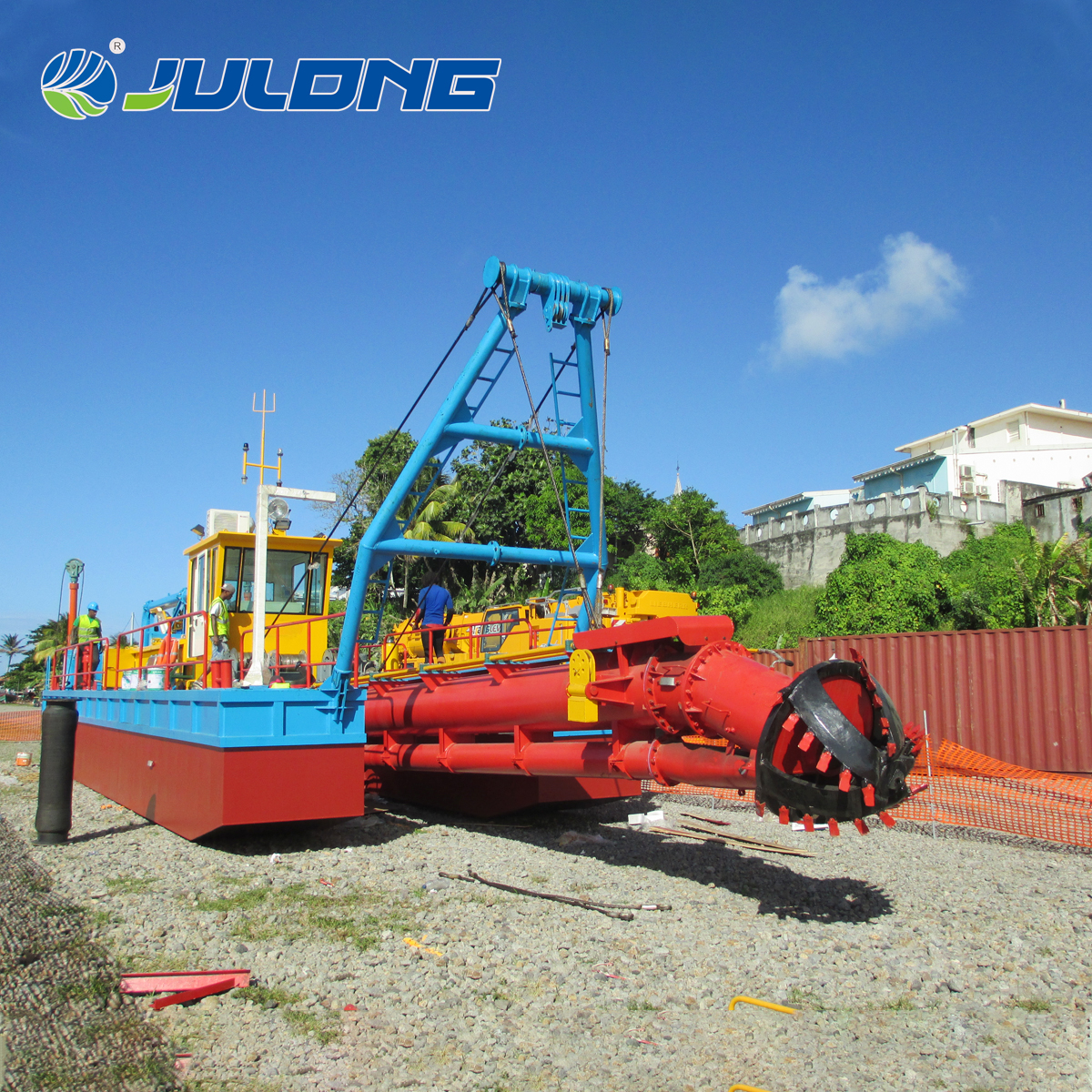
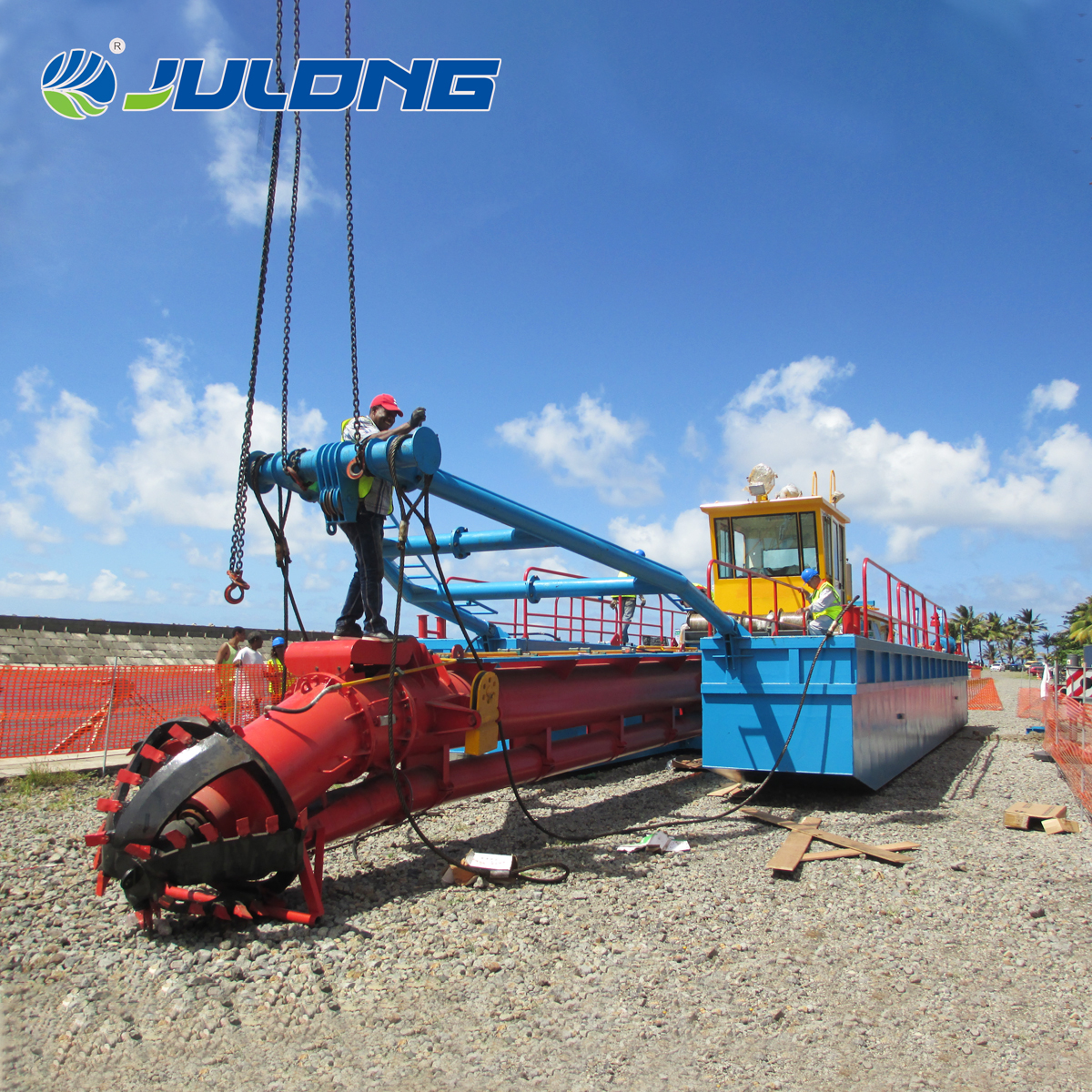
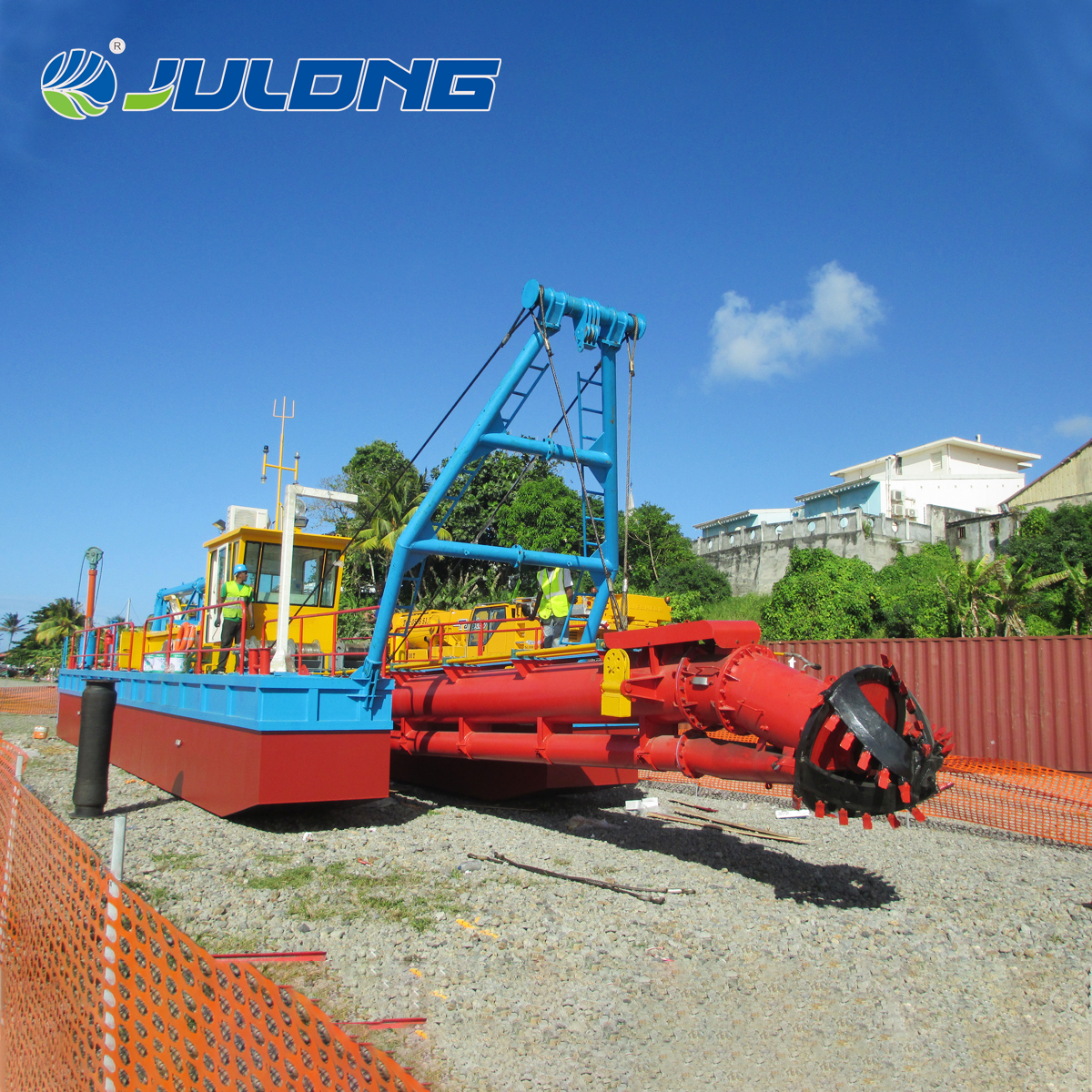
Choosing the right mechanical  dredger for your project is  crucial to  ensure  efficiency and effectiveness  in  dredging operations.  Mechanical dredgers, such as those manufactured by Qingzhou JULONG Environmental Technology Co.,  Ltd., are essential for various applications, including river, lake, and port projects.  This  article will address  key considerations for  purchasing mechanical dredgers, including quality evaluation,  cost factors, common  issues,  and their  applications in environmental  projects. Understanding  these aspects will  help B2B buyers, such as purchasing managers and engineers, make  informed decisions.

How to Evaluate the Quality of Mechanical Dredgers Before Purchase

How to Evaluate the Quality of Mechanical Dredgers Before Purchase

Assessing  the quality  of mechanical dredgers involves several key steps. Begin with a thorough review of the manufacturer's  certifications, such as ISO and CE, which indicate compliance with international quality standards. Qingzhou JULONG, for example, holds these  certifications, assuring buyers of their commitment to quality and safety.

Next, examine the materials used in  the  dredger's construction. High-quality  steel and corrosion-resistant coatings are essential  for durability, especially  in harsh operating environments. Buyers  should request detailed material specifications to  ensure the dredger can withstand potential  wear and tear.

Another aspect to consider is the manufacturer's quality control processes. Understanding how the dredger is tested during production will provide insights into its reliability and performance. Requesting  references or case studies from  previous clients  can also help gauge customer satisfaction  and the dredger's operational history.

Finally, conducting a physical inspection or requesting a demonstration of  the dredger can provide firsthand experience of its build quality and operational efficiency. Buyers should also consider the availability  of aftermarket support,  including maintenance and spare  parts, as this can significantly affect the dredger's long-term performance.

Understanding Cost Factors When Purchasing Mechanical Dredgers

Understanding Cost Factors When Purchasing Mechanical Dredgers

The cost  of mechanical dredgers can vary significantly based on several factors. First,  the type and complexity of the dredger will impact its price. Specialized dredgers, such as those designed for  specific materials or environments, may require a higher investment due to their advanced features.

Another  critical factor is the production capacity of the  dredger.  Dredgers with higher production  rates may come  at a premium, but  they can offer better value over time through increased efficiency. Buyers should analyze the total cost  of ownership, including maintenance, fuel consumption, and operational costs, to determine the most economical option.

Customization options can also influence pricing. Many manufacturers,  including Qingzhou JULONG, offer  tailored  solutions to meet specific project needs. While customization may increase upfront costs,  it can result in significant savings and efficiency gains during operation. For example, the JLWB1600 Multi-function Work Boat provides versatile solutions for various dredging and marine operations.

Lastly, consider the  lead time  for delivery. Longer lead times may require buyers  to account for additional costs, such as rental equipment during the waiting period.  Clear  communication  with the manufacturer regarding timelines and payment terms can help mitigate unexpected costs.

Common Problems with Mechanical Dredgers and Effective Solutions

Common Problems with Mechanical Dredgers and Effective Solutions

Mechanical  dredgers may encounter various operational challenges that can hinder performance. One common  issue is clogging in  the pump system, which can result from dredging materials that contain large debris or unsuitable sediment. To address this, operators should ensure the dredger is equipped with a robust  filtration system and regularly monitor the material being dredged.

Another frequent problem is wear and tear  on dredging components, particularly in high-abrasion environments. Regular maintenance and inspections are crucial to identify and  replace  worn parts before they  lead to equipment failure. Implementing a preventive maintenance schedule can extend the dredger's lifespan and enhance  reliability.

Inadequate  training of operators  can also contribute to inefficiencies and operational mishaps.  Providing comprehensive training programs  and operational manuals can help ensure that personnel  are well-equipped to handle the dredger and  respond to potential issues  effectively.


Finally, logistics-related challenges,  such as transportation and setup, can complicate dredging projects.  Clear planning and coordination with transportation providers can help streamline these processes and minimize downtime.


Applications of Mechanical Dredgers in Environmental Projects

Mechanical dredgers play a vital role  in various environmental projects, contributing to river and lake restoration, sediment removal, and  habitat enhancement. In river restoration initiatives, dredgers can help remove accumulated sediments that degrade water quality and aquatic habitats. By restoring flow patterns, these projects can improve  the ecological  health of waterways.

In  port projects, mechanical dredgers are essential for maintaining navigable depths and ensuring safe passage for vessels. Regular  dredging helps remove sediment buildup that can obstruct shipping lanes, thus supporting commercial  activities and  economic growth.

Additionally, mechanical dredgers are increasingly used in environmental remediation  efforts, where they aid in  the removal of contaminated sediments  from water bodies. This process is crucial  for restoring ecosystems and ensuring compliance with environmental regulations.

Moreover, mechanical dredgers can be utilized in constructing and  enhancing wetlands, which provide critical habitats  for wildlife.  These dredging operations can create  new water  bodies and  improve the overall biodiversity of the area.

By understanding the diverse applications of mechanical dredgers, buyers can better align their  purchasing decisions with project goals and  environmental benefits.

What to Consider When Choosing a Mechanical Dredger for Your Project

When selecting a  mechanical dredger, buyers  should consider several critical factors to ensure the  equipment meets their  project requirements. First, the type of dredger—be it a cutter suction dredger, amphibious dredger, or excavator—should align with the specific conditions and goals  of the project. For instance,  cutter suction dredgers are ideal for  deep-water dredging, while amphibious dredgers offer versatility in  shallow areas and marshy terrains. An excellent example of a robust option is the JLCSD700 Cutter Suction Dredger – 7,000 m³/h Heavy-Duty Hydraulic Dredging Vessel.

Another important factor is the dredger's capacity,  which includes its dredging depth, production rates, and  the materials it can handle. Understanding the project’s volume and type of material to be dredged—such as sediment, sand, or clay—will influence the choice of dredger.  Additionally, the dredger’s  design features,  such as its pump  system, should be evaluated to  ensure it can operate efficiently in the intended environment.

Buyers should also consider the dredger's mobility and operational flexibility, especially if the project spans diverse locations. A mechanical dredger that can be  easily transported  and set up will save time and  reduce operational costs. Finally, ensure that the dredger complies with local  regulations and environmental  standards to avoid legal complications.

Frequently Asked Questions

What types of mechanical dredgers do you provide?

We supply cutter suction dredgers, amphibious dredgers, and excavator-type dredgers tailored for river, lake, and port projects.
Yes. Our equipment holds ISO and CE certifications and is manufactured in a 12,000 m² facility with strict quality controls.
Yes. We customize dredger size, power, cutterhead, reach, and supporting systems to meet specific site, depth, and capacity needs.
We provide installation guidance, operator training, spare parts, and remote or onsite technical support to ensure reliable operation.
Yes. Our durable, efficient dredgers are designed for varied environments and are in service across 93 countries with corrosion-resistant materials and robust components.

Get a Free Quote

Our representative will contact you soon.
0/1000