Choosing the Right Mechanical Dredge for Projects

application/mechanical-dredge, application/mechanical-dredge, 
Inquiry
Inquiry

mechanical dredge

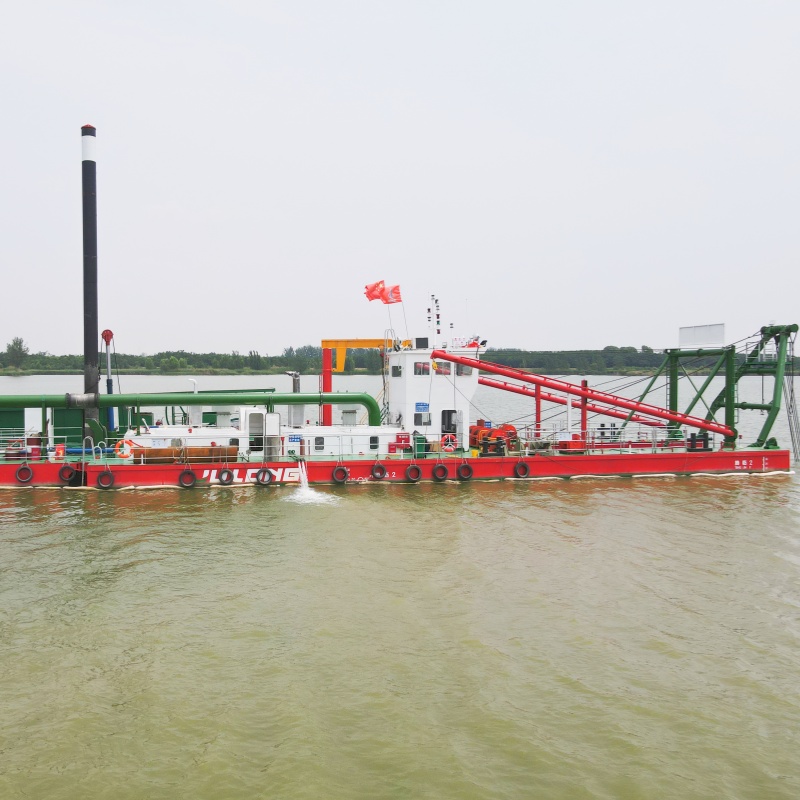
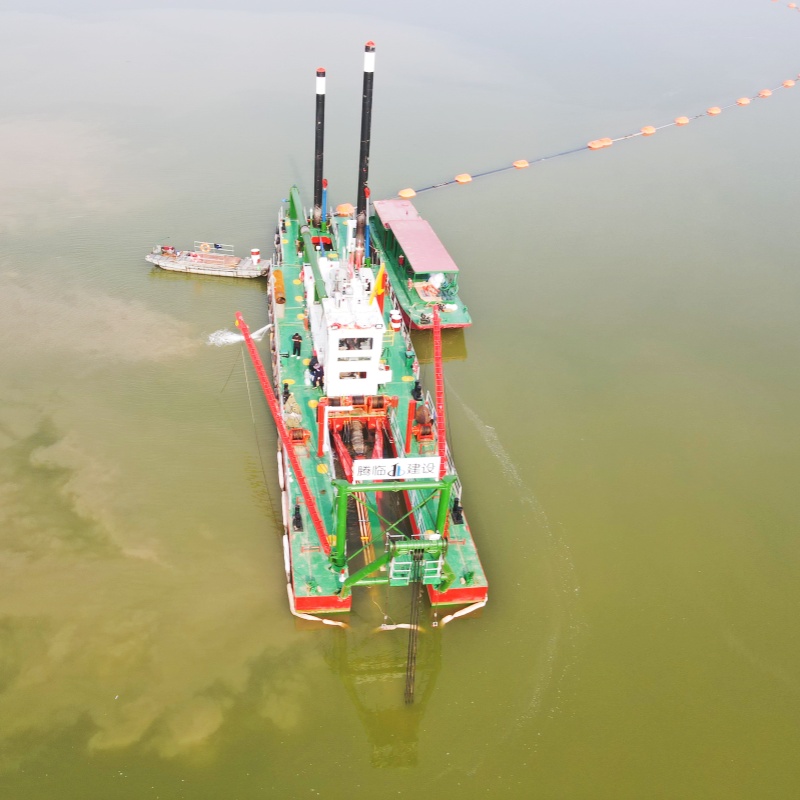
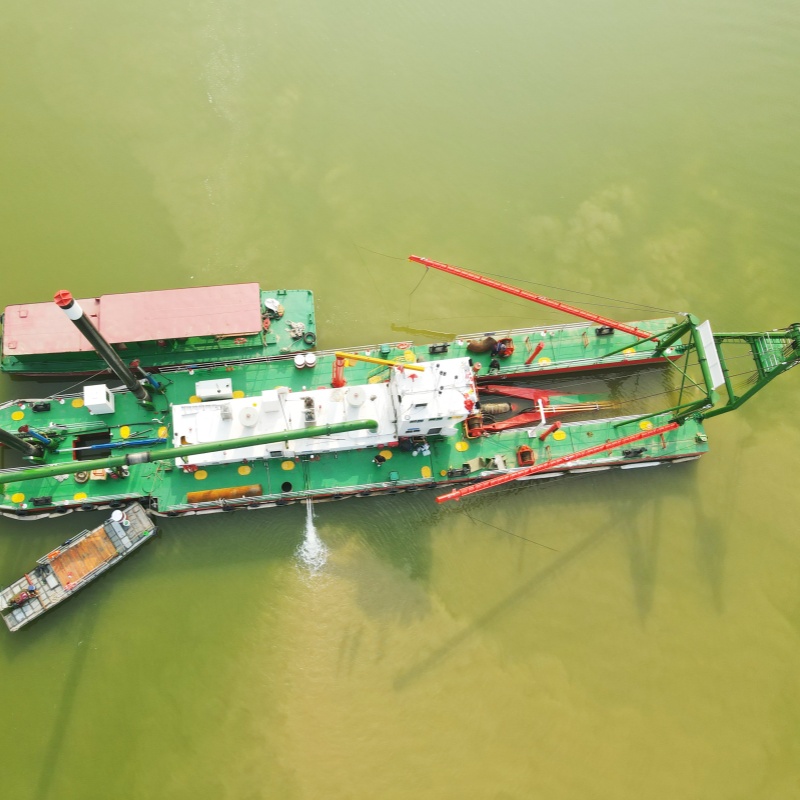
When  engaging in dredging  projects for rivers, lakes, or ports, understanding the importance of a  mechanical  dredge is vital.  A mechanical  dredge efficiently  removes  sediment, debris, and  contaminants, ensuring waterways remain navigable  and environmentally  safe. For B2B buyers, the primary concerns revolve around  selecting the  right  equipment, ensuring quality, and obtaining value for money. This article aims  to  provide practical guidance on  choosing,  sourcing, and installing mechanical dredges, addressing common  buyer  questions and considerations.

Key Specifications to Consider When Sourcing Mechanical Dredges

Key Specifications to Consider When Sourcing Mechanical Dredges

When sourcing mechanical dredges,  several key specifications  should be scrutinized  to ensure  optimal performance:


Dredging Depth: This refers to how deep the dredge can operate, which is critical for projects in varying water levels. Confirm that the dredger can reach the necessary depths for your specific application.

Pump Capacity:  Measured in cubic  meters per hour, the pump capacity indicates how efficiently the dredge can move material. Higher pump capacity leads  to increased productivity,  making  it a vital specification  to consider.

Power Requirements: Understand the  power  source of the dredge, whether it be diesel, electric, or hybrid. Ensure that the power supply aligns with your operational capabilities.

Weight and Dimensions: The weight and size of the dredge affect  transportation and deployment. Ensure that the dredger can be easily moved to the job site and maneuvered in  the intended environment.

Durability and Construction Materials: Look for dredges constructed from robust materials that  can withstand harsh operating conditions. Consider factors like corrosion resistance and wear resistance for long-term reliability.

By  focusing on these technical specifications,  buyers can ensure that the equipment will meet  their operational demands.

 
Cost Factors to Keep in Mind When Purchasing Mechanical Dredges

Cost Factors to Keep in Mind When Purchasing Mechanical Dredges

The cost of mechanical dredges can vary significantly based on various factors. Understanding  these cost components is essential for  budget planning:

Initial Purchase Price:  The upfront  cost of the dredge is the most apparent factor. Prices differ  based on the type, size, and  brand of the dredge.

Operational Costs: Consider fuel  consumption, maintenance, and repair costs. Dredges with higher fuel efficiency can lead to  lower operational costs over time.

Customization Fees: If your project requires  specific modifications or custom features, be prepared for additional costs.  Discuss potential customization options with the manufacturer upfront.


Transport and Setup Costs: Factor in costs associated with transporting  the dredger  to the job site and any  expenses related to installation and setup.

Warranty and Service Agreements: Evaluate warranty coverage and service agreements offered by the  manufacturer. A comprehensive warranty can save money  on repairs and replacements in the  long run.

By analyzing these costs, buyers  can better  understand  the total investment required for their dredging projects.

Installation Guidance for Efficient Use of Mechanical Dredges

Installation Guidance for Efficient Use of Mechanical Dredges

Proper installation  is critical for maximizing the efficiency of mechanical dredges. Follow these  guidelines to ensure successful deployment:

Site Assessment: Before installation, conduct a thorough assessment of the site.  Consider factors such  as water depth, current, and sediment type to determine the most effective setup.

Equipment Preparation: Ensure  that the dredge is fully inspected and all components are functioning correctly before  transportation to  the site. This includes checking hydraulic  systems,  pumps, and cutting mechanisms.

Training  Operators: Ensure that operators are  adequately  trained in the dredging equipment's operation and safety protocols. This minimizes the risk of accidents and improves efficiency during dredging  operations.

Monitoring and Adjustments: Once  the dredge is operational, continuously monitor its performance. Be prepared to make adjustments based on changing conditions,  such as  water levels  or sediment density.

Regular Maintenance: Establish a routine maintenance schedule to keep the dredge in optimal working condition. Regular checks can help  prevent  downtime and extend the lifespan of the equipment.

By adhering to these installation and operational guidelines,  buyers can enhance the effectiveness of their mechanical dredges.

Wholesale Purchasing Tips for Mechanical Dredging Equipment

When considering wholesale purchasing of mechanical dredging equipment, it’s essential to approach the process strategically:

Evaluate Multiple Suppliers: Don’t settle for the first  supplier  you find.  Compare different manufacturers, focusing on their reputation, product quality, and customer service.


Request Detailed Quotations: When seeking quotes, provide clear specifications, including desired features,  performance requirements, and expected delivery  timelines. This helps  suppliers provide accurate pricing.


Inspect Samples:  Before placing bulk orders,  request  samples or visit the manufacturer to inspect their production capabilities. This helps assess the quality and craftsmanship of the dredges.

Negotiate Terms: Engage in discussions with suppliers regarding pricing, payment  terms, and delivery schedules. This can lead to  more favorable terms, especially for  larger  orders.

Check References: Ask for references from previous clients to gauge the  supplier's reliability and product performance. Real-world  feedback can provide valuable  insights into their capabilities.


By  following these wholesale purchasing tips, buyers can secure quality mechanical dredging equipment, such as a Multi-Function Work Boat, that meets their project needs while optimizing costs.

Choosing the Right Mechanical Dredge for Your Project Needs

Selecting the appropriate mechanical dredge is crucial for the success of your dredging project. Mechanical dredges, including cutter suction dredgers and  amphibious dredgers, vary  in design and functionality  to meet specific requirements. When determining the right dredger, consider  the following factors:

Project Scope: Assess the scale of your project.  Smaller projects may  require a compact  dredger,  while larger operations  might necessitate more robust equipment with  higher capacity.

Environment: Different dredges are designed for specific environments. For example, amphibious dredgers are ideal for shallow or marshy areas, while cutter suction dredgers  excel in deeper waters. This is why considering options like Amphibious Equipment can be beneficial for specific projects.

Sediment Type: The nature  of the material to be dredged influences the choice of dredger. If the  material is predominantly clay or  silt, a dredge with  a powerful cutter head may  be necessary.

Regulatory Compliance: Ensure that the  dredge meets local environmental regulations. Some areas have  strict guidelines regarding dredging practices, which can dictate the type  of equipment used.

By thoroughly  evaluating these factors, buyers can make informed decisions that align with their project needs.

Frequently Asked Questions

What is a mechanical dredge used for?

A mechanical dredge is used to remove sediment, silt, and debris from rivers, lakes, ports, and waterways to maintain depth, improve flow, and support construction or environmental projects.
We manufacture cutter suction dredgers, amphibious dredgers, and excavator-based mechanical dredges tailored for river, lake, and port projects.
Our dredges are produced under ISO and CE quality standards, ensuring safety, reliability, and compliance with international requirements.
Yes. We provide customization of power, dredging depth, hull configuration, and attachments to match site conditions and project specifications.
We offer technical support, spare parts supply, remote guidance, and warranty coverage. Our 12,000 m² facility ensures timely maintenance and parts availability.

Get a Free Quote

Our representative will contact you soon.
0/1000

Related product categories