Key Considerations for Hopper Dredger Ships

application/hopper-dredger-ship, application/hopper-dredger-ship, 
Inquiry
Inquiry

Hopper dredger ship

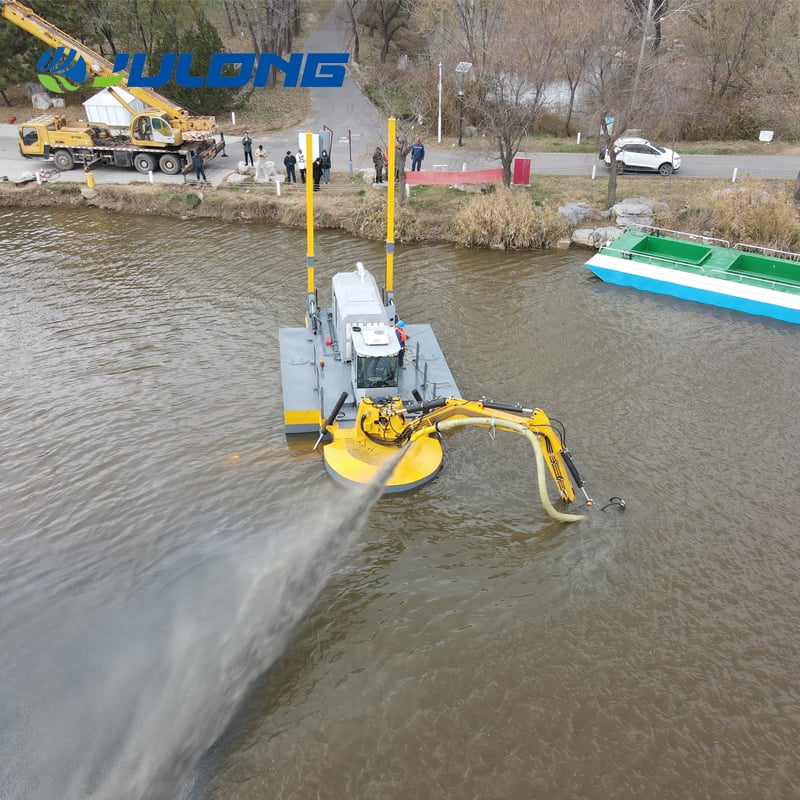
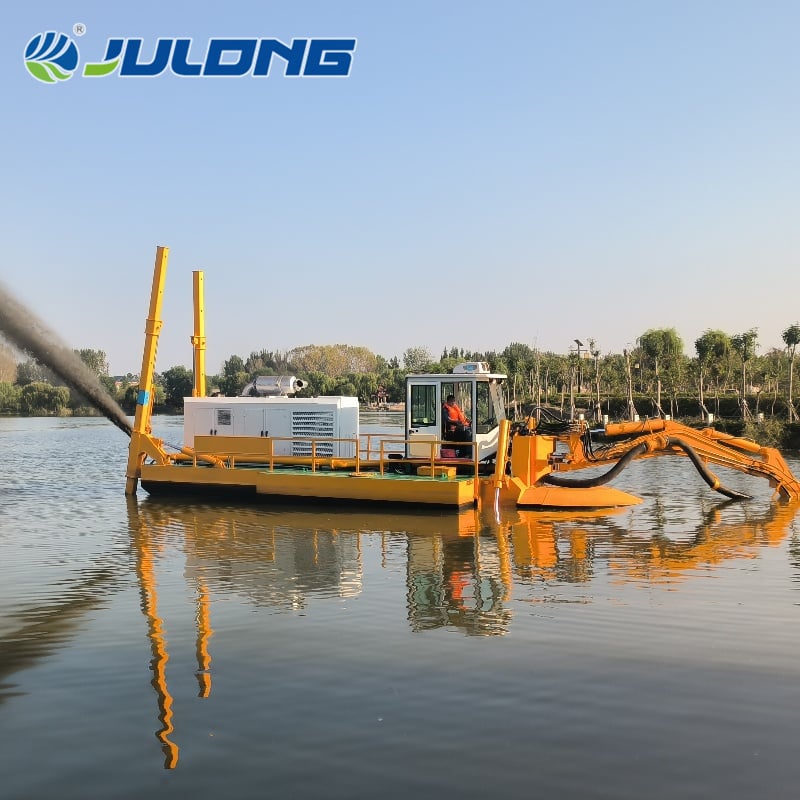
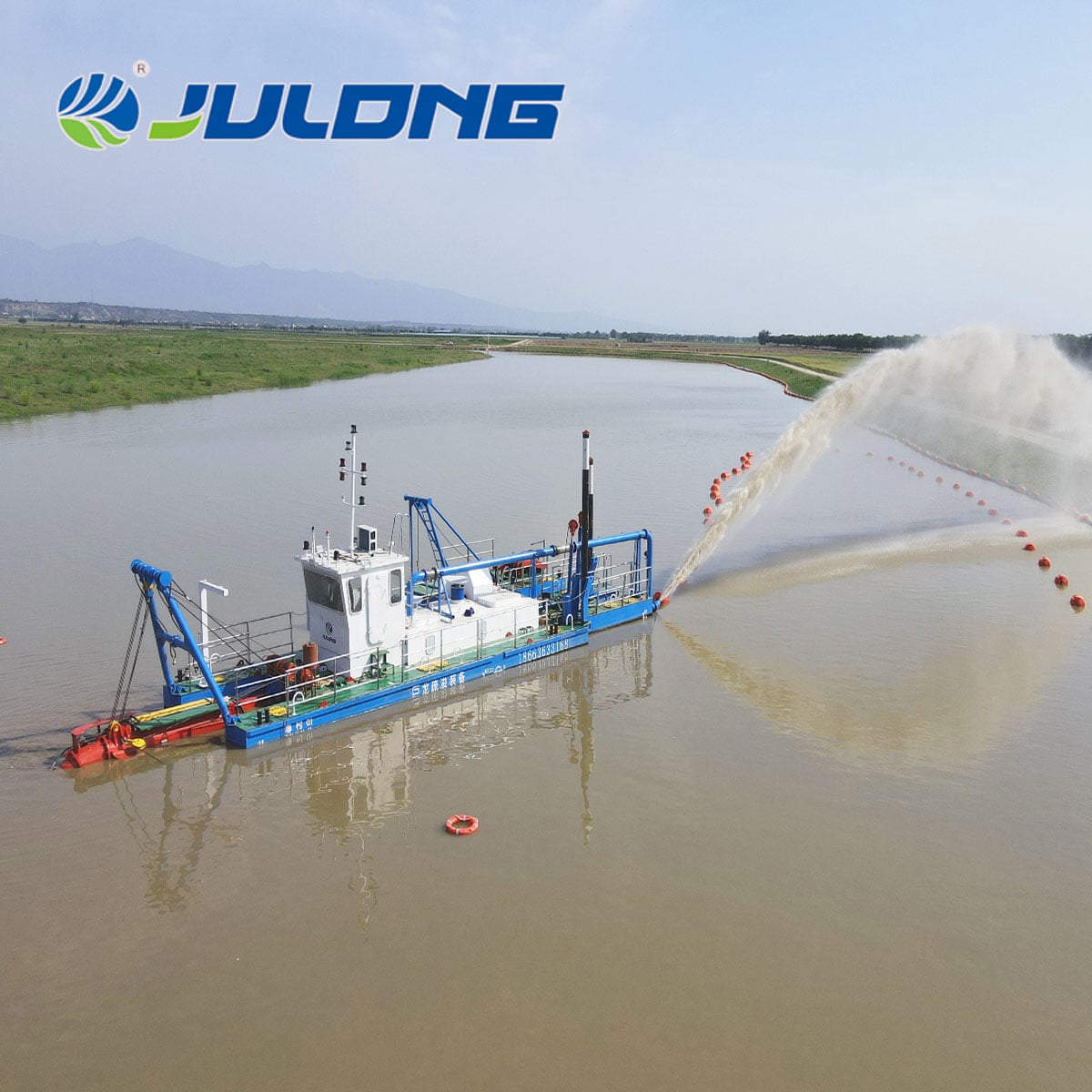
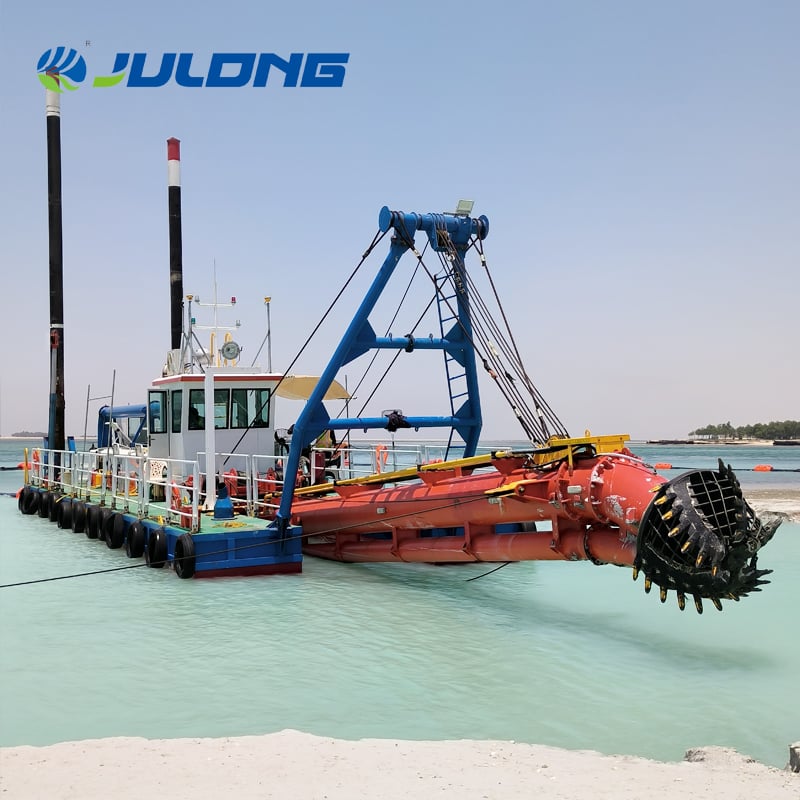
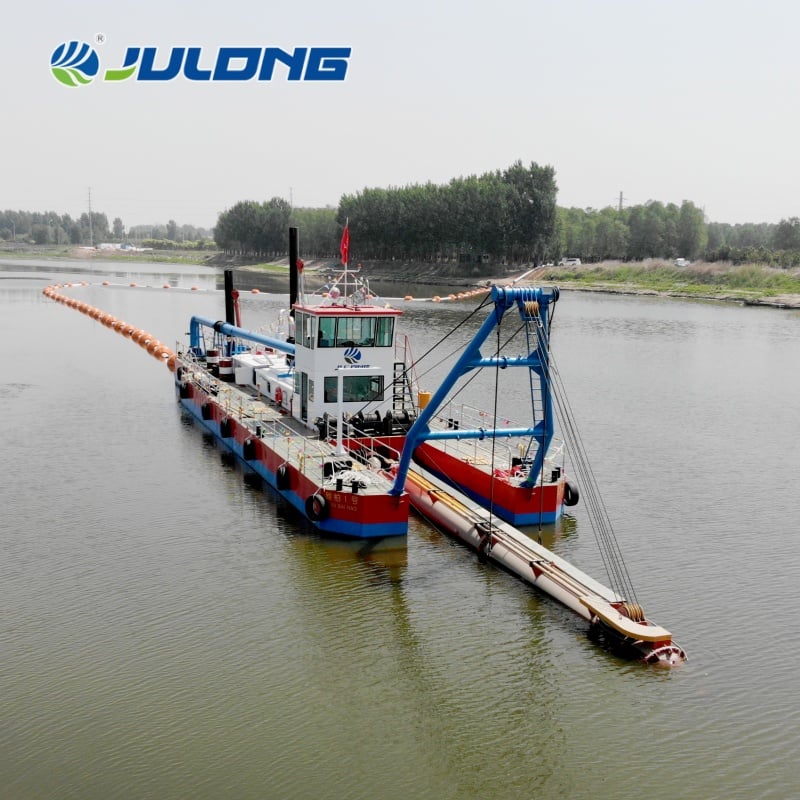
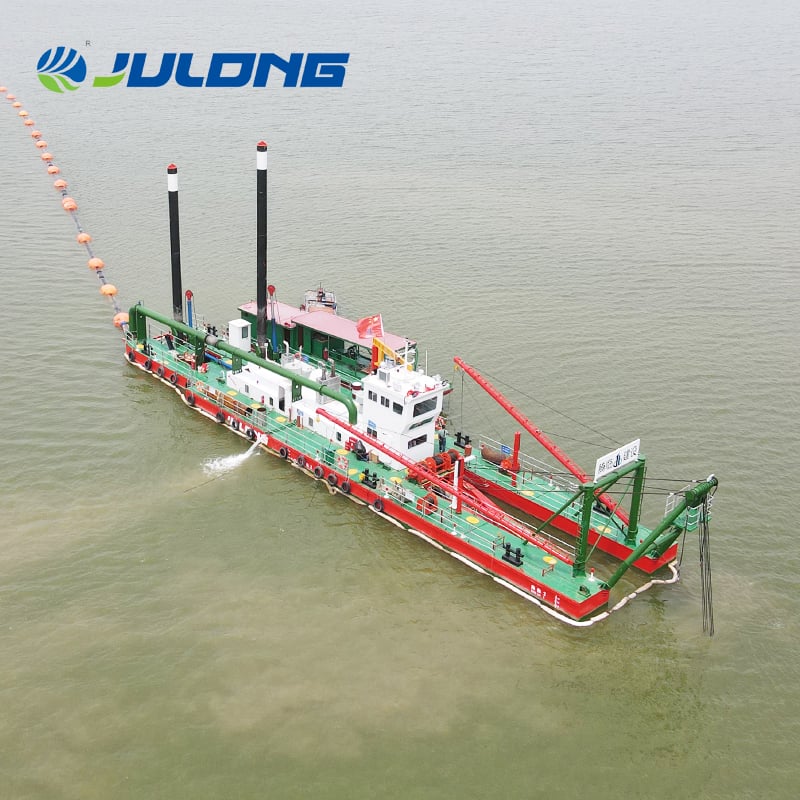
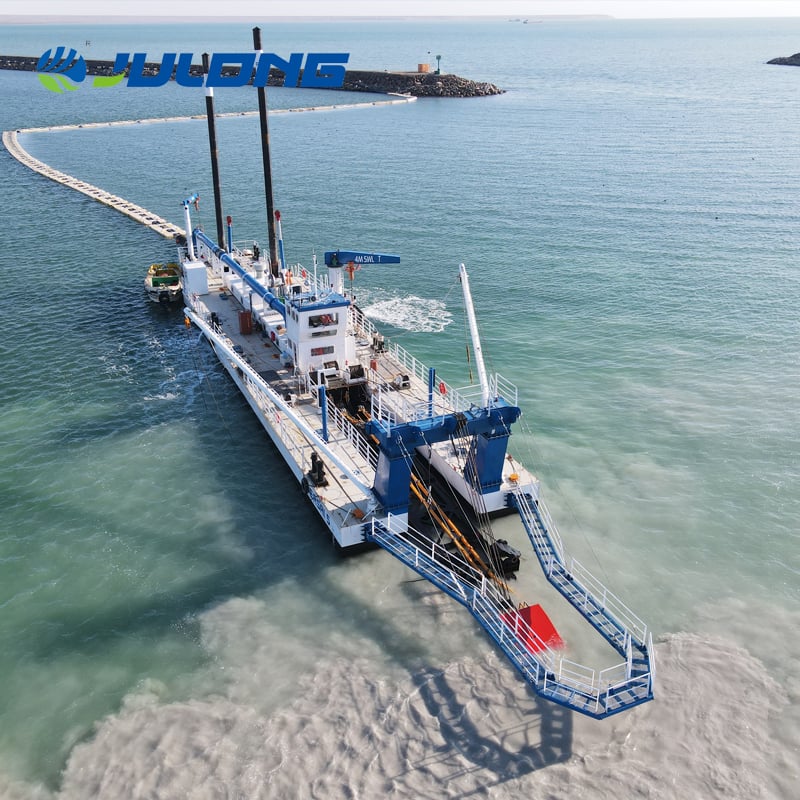
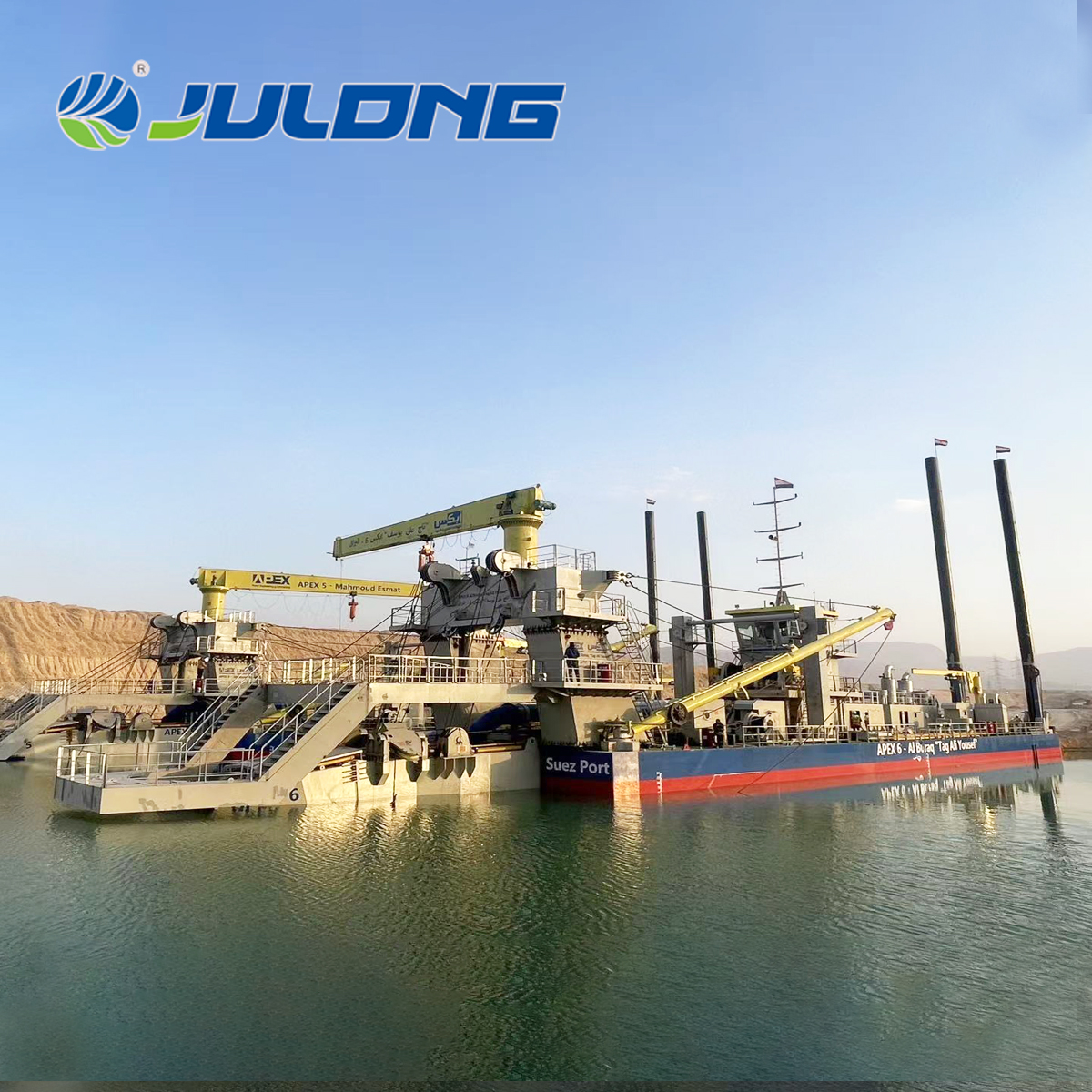
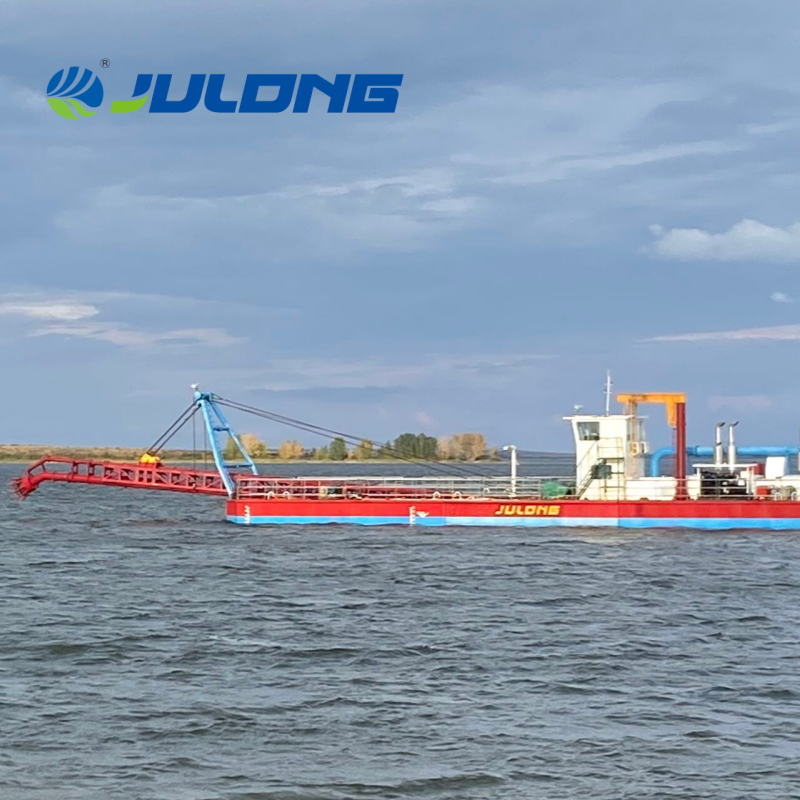
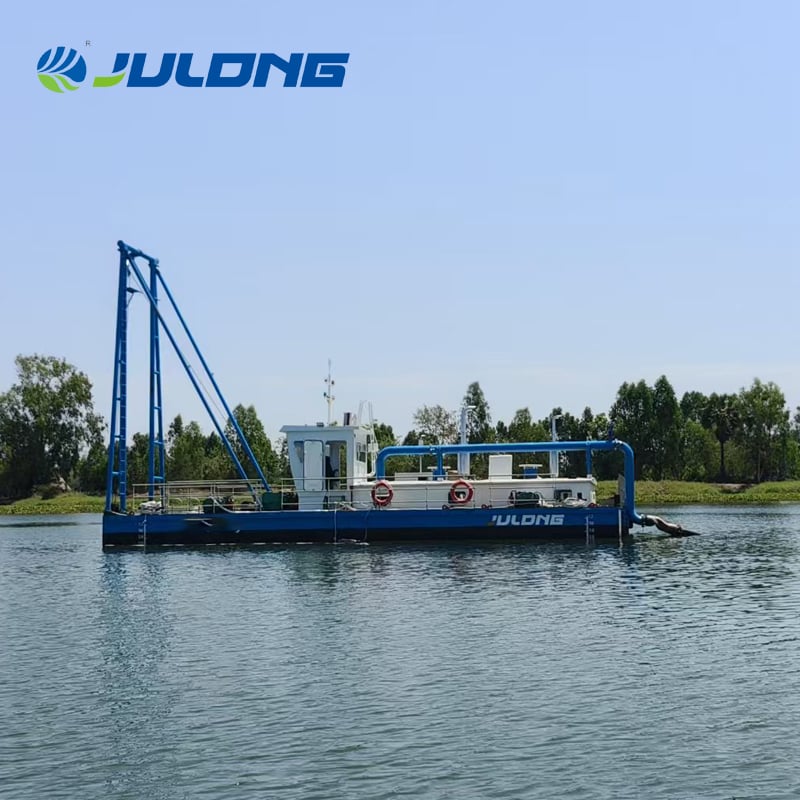
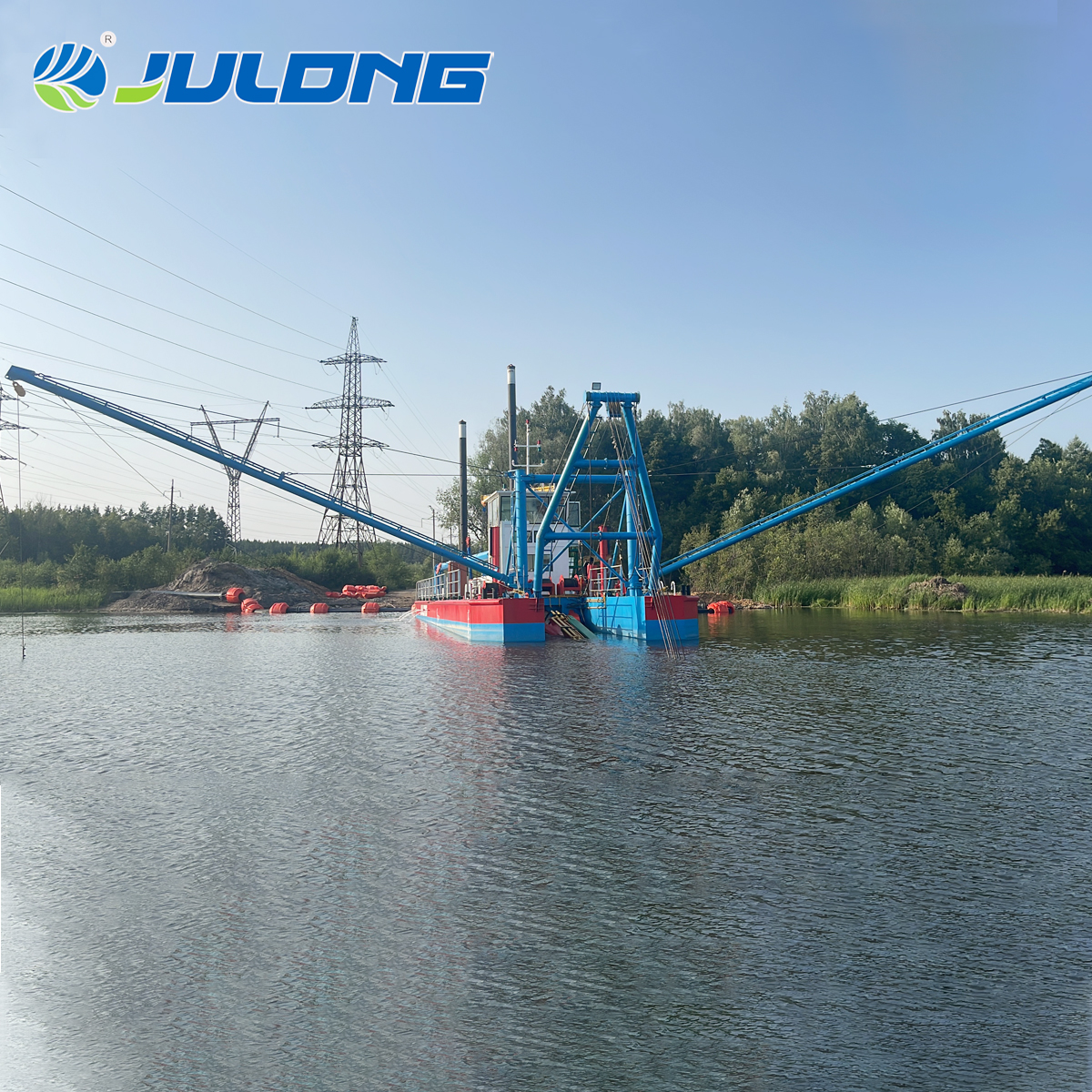
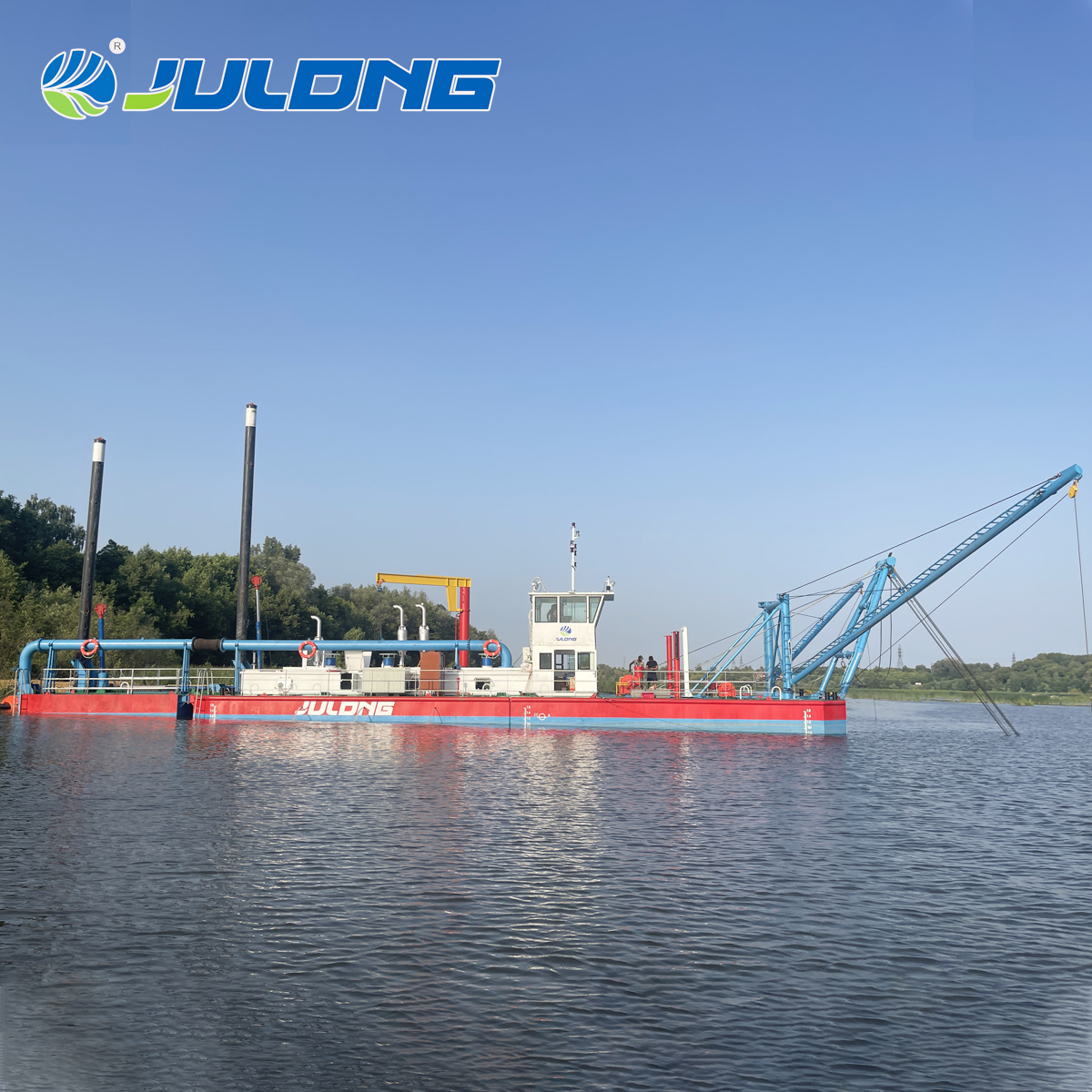
Hopper dredger ships play a crucial role in marine construction and environmental projects. They are designed to excavate and transport sediments from the seabed, making them essential for tasks such as port maintenance, land reclamation, and underwater construction. Key concerns for B2B buyers include the ship's specifications, performance capabilities, and the cost-effectiveness of their operation. This article will guide purchasing managers and decision-makers through the essential considerations for selecting a hopper dredger ship, comparing models, addressing common issues, understanding cost factors, and recognizing their applications in environmental projects. 

How to Compare Hopper Dredger Ships for Optimal Performance

How to Compare Hopper Dredger Ships for Optimal Performance

When comparing hopper dredger ships, focus on several performance-related criteria: 

Operational Efficiency: Assess the fuel consumption rates and maintenance requirements of different models. Efficient vessels reduce operating expenses costs, making them more economically viable in the long term. 

Technology and Features: Look for ships equipped with modern navigation and dredging technology. Features such as automated controls and monitoring systems can enhance operational safety and efficiency. 

Build Quality: Evaluate the materials used in construction. High-quality materials can withstand harsh marine environments and reduce the need for frequent repairs. 

Customization Options: Many manufacturers offer customization capabilities for specific operational needs. This can include modifications in dredging equipment, hull design, or onboard systems. 

Reputation and Track Record: Investigate the manufacturer’s reputation and the performance of their vessels in the field. User reviews and case studies can provide insight into the reliability and effectiveness of their dredgers. 

By carefully comparing these features, buyers can identify hopper dredger ships that will provide optimal performance for their specific applications. 

Common Problems with Hopper Dredger Ships and Their Solutions

Common Problems with Hopper Dredger Ships and Their Solutions

While hopper dredger ships are robust, they can encounter several common issues: 

Clogged Discharge Systems: Sediments can sometimes clog the discharge system, leading to inefficiencies. Regular maintenance and the use of appropriate sediment management practices can help mitigate this issue. 

Engine and Mechanical Failures: Mechanical failures can disrupt operations. Implementing a rigorous maintenance schedule and using quality parts can reduce the likelihood of such failures. 

Inadequate Dredging Depth: If the dredger cannot reach the necessary dredging depth, it may require adjustments to the dredging equipment. Buyers should ensure the dredger's specifications align with the project requirements. 

Corrosion and Wear: The marine environment can lead to corrosion. Using high-quality, corrosion-resistant materials in construction can enhance the vessel's longevity. 

Operational Training: Lack of operator training can lead to inefficient dredging practices. Providing comprehensive training for personnel ensures that the dredger operates at peak efficiency. 

Understanding these common problems and their solutions can help buyers make informed decisions and ensure smooth operations. 

Understanding Cost Factors in Hopper Dredger Ship Purchases

Understanding Cost Factors in Hopper Dredger Ship Purchases

The total cost of purchasing a hopper dredger ship includes several factors beyond just the purchase price: 

Initial Purchase Price: This is often the most significant upfront cost. Buyers should compare similar models to ensure they receive the best value for their investment. 

Financing Options: Many manufacturers offer financing or leasing options. Understanding these can help manage cash flow effectively. 

Operating Expenses: Fuel consumption, maintenance, and crew costs must be considered. A vessel with lower operating costs may be more economical in the long run, even if the initial purchase price is higher. 

Insurance and Licensing: Ensure to factor in the costs for insurance and any necessary licenses required for operation in specific regions. 

Resale Value: Consider the potential resale value when selecting a model. Some vessels retain their value better than others, impacting long-term investment returns. 

By understanding these cost factors, buyers can better evaluate their overall investment and select a hopper dredger ship that aligns with their budget and operational needs. 

Applications of Hopper Dredger Ships in Environmental Projects

Hopper dredger ships have diverse applications in environmental projects, including: 

Sediment Removal: They are essential for maintaining waterways by removing excess sediment that can obstruct navigation and affect aquatic ecosystems. 

Land Reclamation: In projects where land is created from water bodies, hopper dredgers play a crucial role in transporting materials to build new land areas. 

Habitat Restoration: These vessels can aid in restoring habitats by carefully managing sediment placement to support aquatic life. 

Flood Control: By maintaining the depth of rivers and canals, hopper dredgers help prevent flooding during heavy rains. 

Pollution Control: Dredgers are used to remove contaminated sediments from water bodies, improving water quality and protecting marine life. 

Understanding these applications can help buyers recognize the versatility of hopper dredger ships and their importance in environmental stewardship. 

Key Specifications to Consider for Hopper Dredger Ships

When evaluating hopper dredger ships, several specifications are vital for ensuring the vessel meets operational needs. Key specifications include: 

Capacity: The hopper capacity is measured in cubic meters and directly affects the volume of sediment that can be transported. Buyers should consider the volume of material typically handled in their operations to select an appropriate capacity. 

Power and Performance: The engine power, typically measured in horsepower, influences the dredger's operational efficiency and speed. Ensuring the vessel can operate effectively in various marine conditions is crucial for maximizing productivity. 

Dredging Depth: The maximum dredging depth is a critical specification that determines where the dredger can operate effectively. This depth must align with project requirements, especially in areas with varying sediment layers. 

Hull Design: A well-designed hull can significantly enhance operational efficiency and stability in turbulent waters. The design should be optimized for the conditions where the dredgers will operate. 

Discharge System: The efficiency of the hopper's discharge system can affect the overall productivity. Buyers should evaluate how quickly and effectively the dredged material can be released. 

Understanding these specifications helps in assessing which models align with specific operational needs and project environments. 

Frequently Asked Questions

What is a hopper dredger ship used for?

A hopper dredger ship excavates and transports dredged material in onboard holds, ideal for maintaining waterways, ports, and reclamation by collecting sediment and disposing or relocating it efficiently.
We offer hopper dredgers in varied sizes and hopper capacities to suit river, lake, and port projects; specific dimensions and tonnages are provided based on project requirements and site surveys.
Our hopper dredgers are built in an ISO/CE certified facility with rigorous quality control, ensuring durable construction, reliable performance, and compliance with international standards.
Yes. We customize hull configuration, hopper capacity, dredging equipment, and auxiliary systems to match project needs, environmental conditions, and client specifications.
We provide installation guidance, operator training, spare parts supply, and global technical support from our 12,000 m² facility to ensure efficient startup and long-term operation across 93 countries.

Get a Free Quote

Our representative will contact you soon.
0/1000