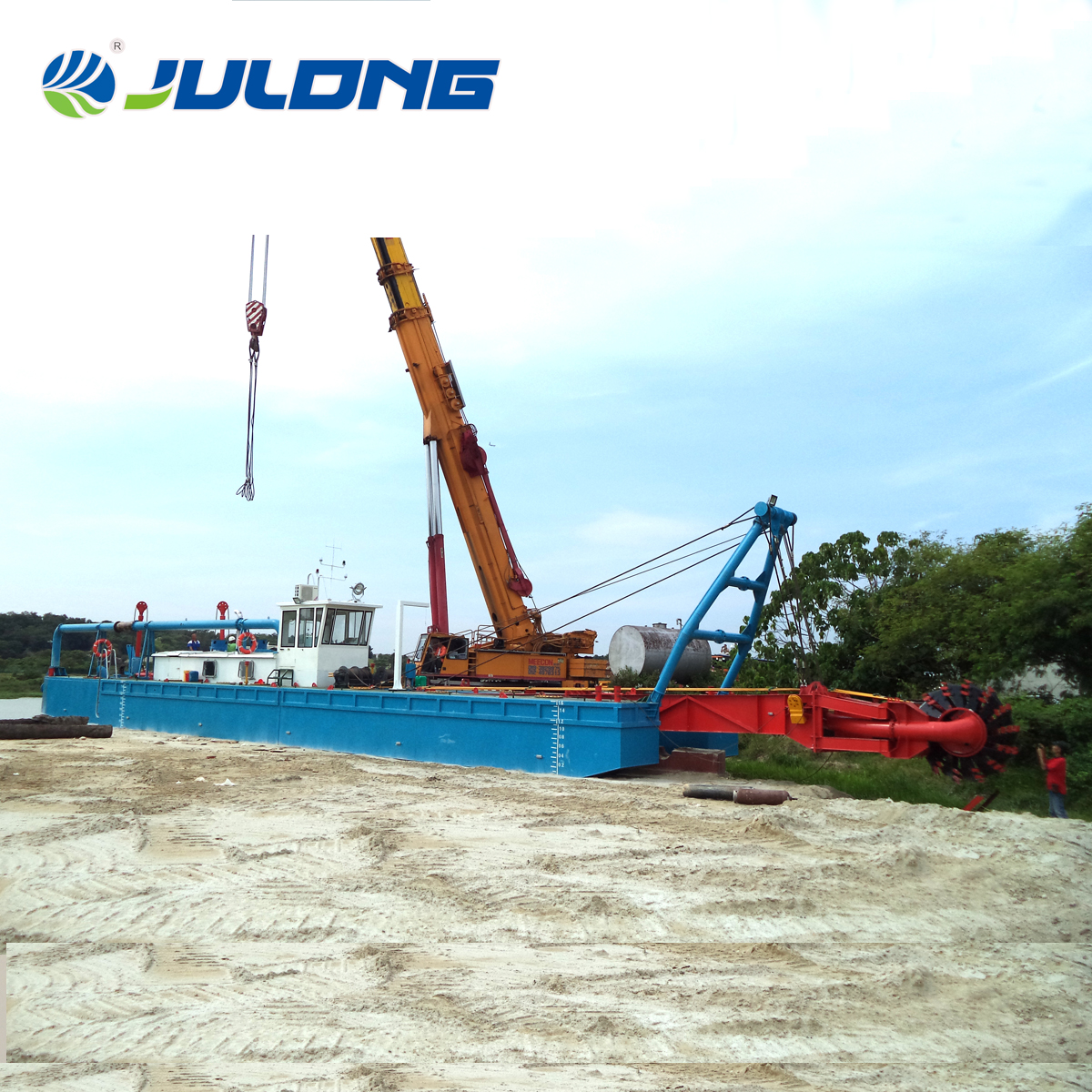
Choosing Dredging Equipment for Harbour Projects

application/dredging-harbour, application/dredging-harbour, 
Inquiry
Inquiry

Dredging harbour

Dredging harbours is a crucial aspect of maintaining and enhancing marine infrastructure, ensuring safe navigation, and supporting various economic activities. As a purchasing manager or engineer, understanding the right dredging equipment for harbour projects is essential. This article will help you explore critical factors in selecting dredging machinery, including specifications, cost considerations, and challenges you may face, enabling informed decisions for your projects

Key Specifications to Consider for Dredging Equipment Selection

Key Specifications to Consider for Dredging Equipment Selection

When selecting dredging equipment, several key specifications should be taken into account

Dredging Depth: The maximum depth the dredger can effectively operate at is vital. This depth should align with your project's requirements to ensure efficient dredging operations

Pump Capacity: The dredging pump's capacity, measured in cubic meters per hour (m³/h), determines how much material can be removed within a given timeframe. Higher capacities are essential for larger projects or when dealing with dense materials

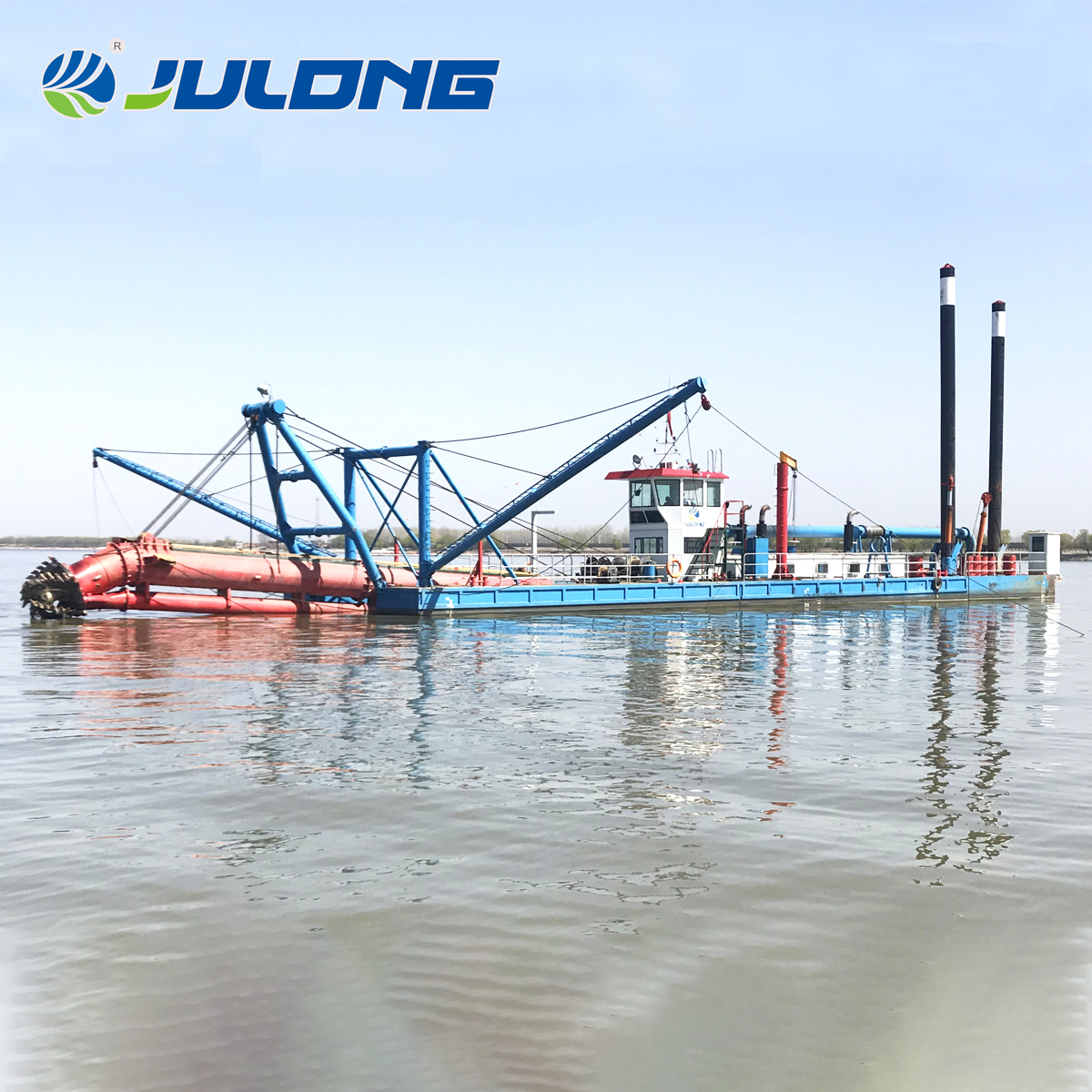
Cutting Head Design: For cutter suction dredgers, the design and size of the cutting head are crucial. A properly designed cutting head can significantly enhance the dredger's efficiency and its ability to penetrate tough materials

Engine Power: The engine's horsepower directly influences the dredger's operational capabilities, including speed and the ability to handle challenging conditions

Material Compatibility: Understanding the type of materials you will be dredging (sand, silt, gravel, etc.) impacts the choice of equipment. Select dredgers designed to handle the specific materials for your project

Having a clear understanding of these specifications will help you evaluate different dredging options to meet your project needs effectively

Wholesale Purchasing Tips for Dredging Machinery Suppliers

Wholesale Purchasing Tips for Dredging Machinery Suppliers

When considering wholesale purchasing of dredging machinery or lake dredging equipment, several tips can streamline your procurement process

Research Suppliers: Investigate multiple suppliers, especially those with experience in the dredging industry and a solid track record of delivering reliable machinery

Request Detailed Quotations: When contacting suppliers, provide them with detailed specifications about your project. Include information such as required equipment types, quantities, and any customization needs. This will help suppliers provide accurate quotes

Evaluate After-Sales Support: Assess the level of after-sales support offered by suppliers, including maintenance services, spare parts availability, and training for operating the equipment

Inspect Machinery Before Purchase: If possible, visit the supplier’s facility to inspect the machinery first-hand. This allows you to evaluate the quality of construction and any customization options available

Negotiate Terms: Don’t hesitate to negotiate pricing, payment terms, and delivery schedules. Establishing favorable terms can significantly affect your overall project budget

By following these tips, you can enhance your purchasing strategy and secure high-quality dredging equipment that meets your specific project requirements

Cost Factors Involved in Dredging Harbour Projects

Cost Factors Involved in Dredging Harbour Projects

Understanding the cost factors associated with dredging harbour projects is essential for accurate budgeting and financial planning. Key elements influencing costs include

Equipment Acquisition: The purchase or rental cost of dredging machinery is a significant initial investment. Prices vary based on equipment type, specifications, and the supplier's reputation

Operational Costs: These include fuel consumption, maintenance, and labor costs. Dredging can be resource-intensive, so it's essential to estimate these expenses accurately to avoid budget overruns

Project Duration: The length of time required to complete the dredging operation will impact overall costs. Longer projects may incur additional expenses related to equipment rental, labor, and site management

Environmental Considerations: Compliance with environmental regulations may necessitate additional measures, such as sediment management or habitat protection, which can increase project costs

Transportation and Logistics: The cost of transporting dredging equipment to and from the worksite is another factor to consider, especially for large or specialized machinery that may require special handling

By factoring in these costs, you can create a comprehensive budget that aligns with your project goals and financial constraints

Common Challenges in Dredging and Effective Solutions

Dredging projects often present several challenges that can impact efficiency and outcomes. Understanding these challenges and their solutions can help mitigate risks

Sediment Management: Managing the sediment removed during dredging is a common challenge. Solutions include using silt curtains to contain sediment and employing proper disposal methods to minimize environmental impact

Equipment Downtime: Equipment failures can lead to significant project delays. Regular maintenance and inspections before and during operations can help minimize downtime and ensure machinery is functioning correctly

Weather Conditions: Adverse weather can hinder dredging operations. Implementing flexible scheduling and having contingency plans in place can help navigate these challenges effectively

Regulatory Compliance: Navigating environmental regulations can be complex. Engaging with local authorities early in the planning process can help ensure compliance and streamline project approvals

Site Accessibility: Limited access to dredging machine for sale or dredging sites can complicate operations. Evaluating site conditions and selecting the right equipment, such as amphibious dredgers for marshy areas, can enhance accessibility

By proactively addressing these challenges, you can improve the likelihood of project success and reduce the risks associated with dredging harbour operations

Choosing the Right Dredging Equipment for Harbour Projects

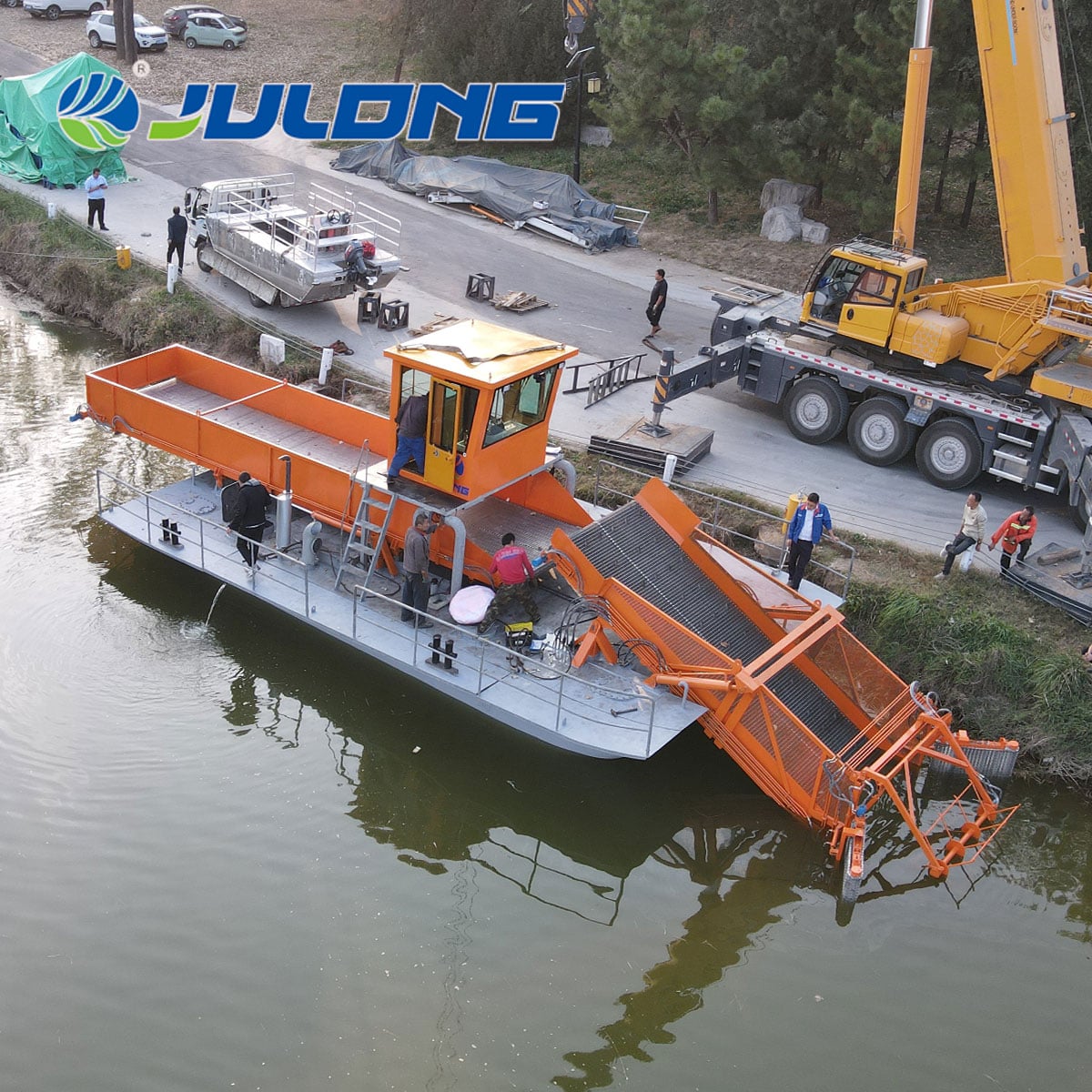
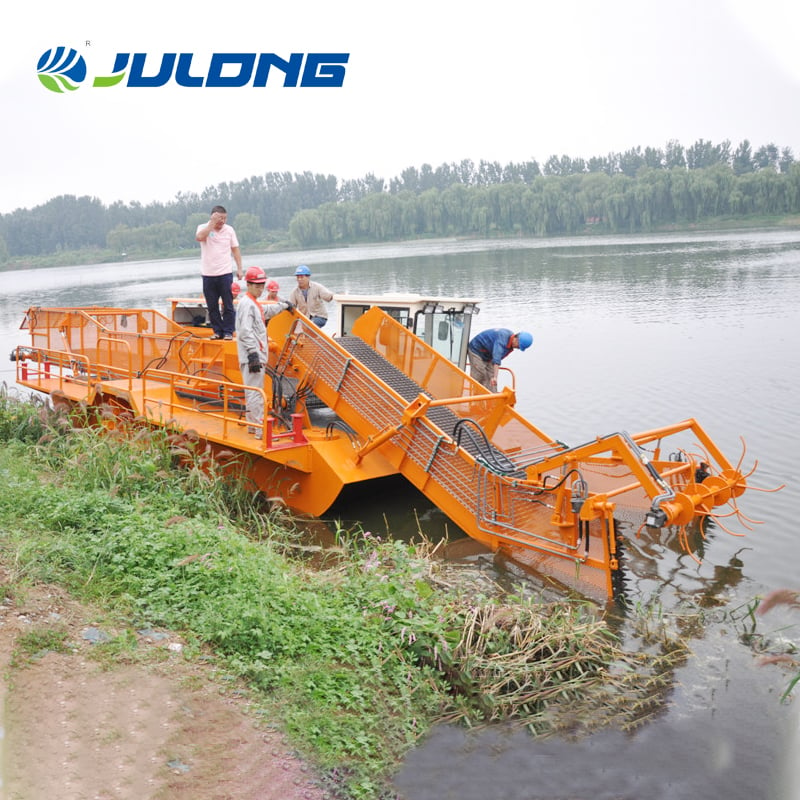
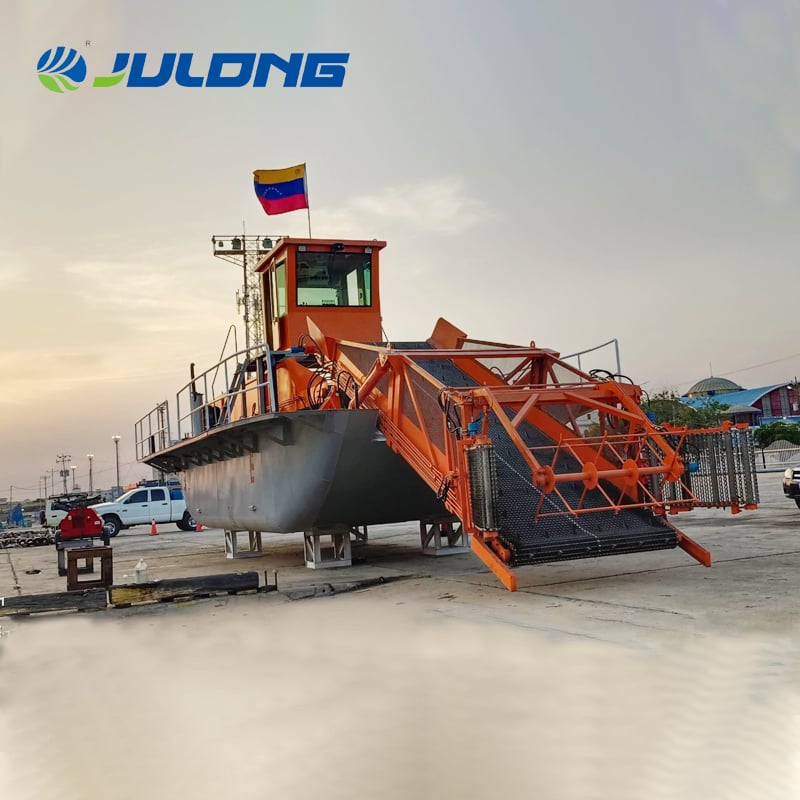
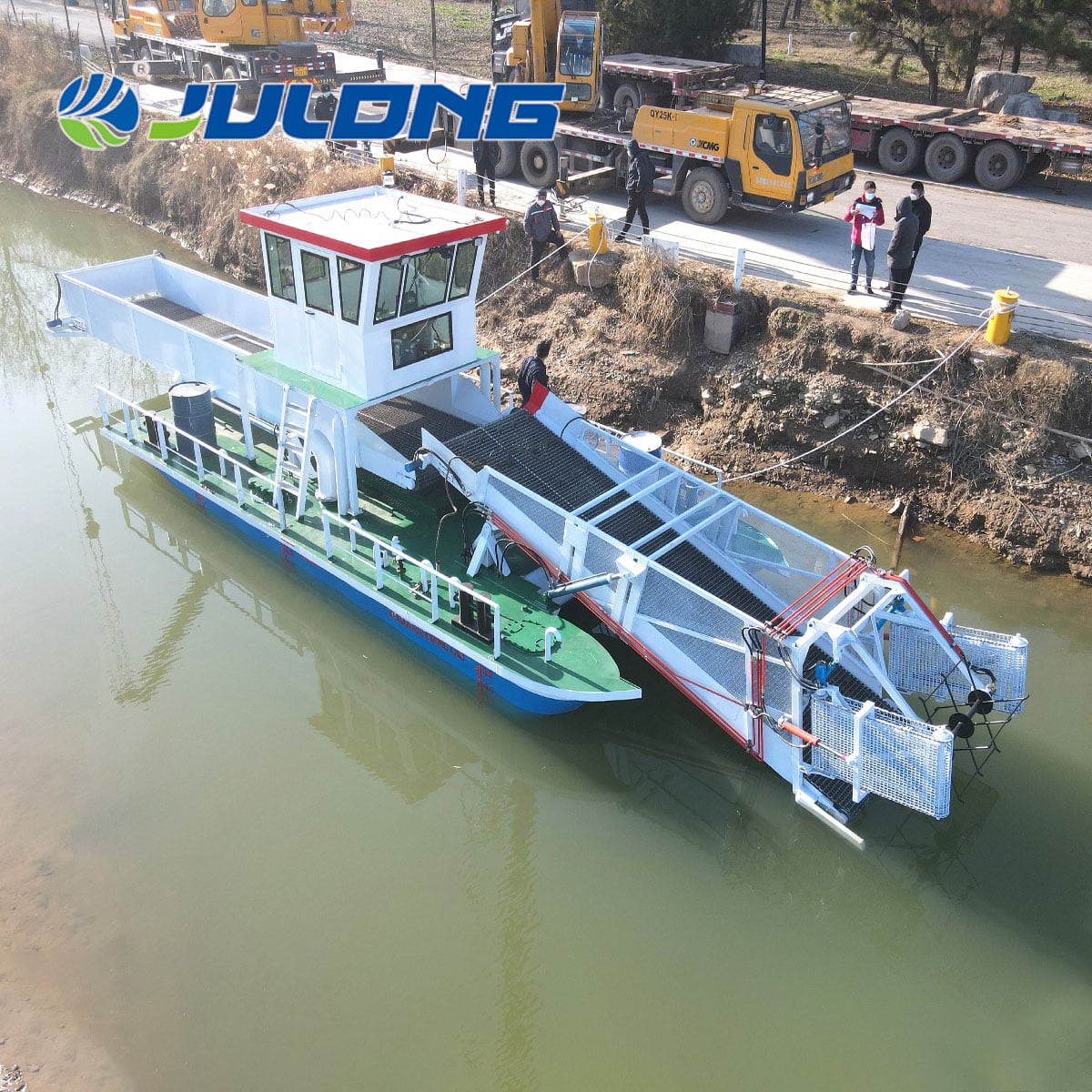
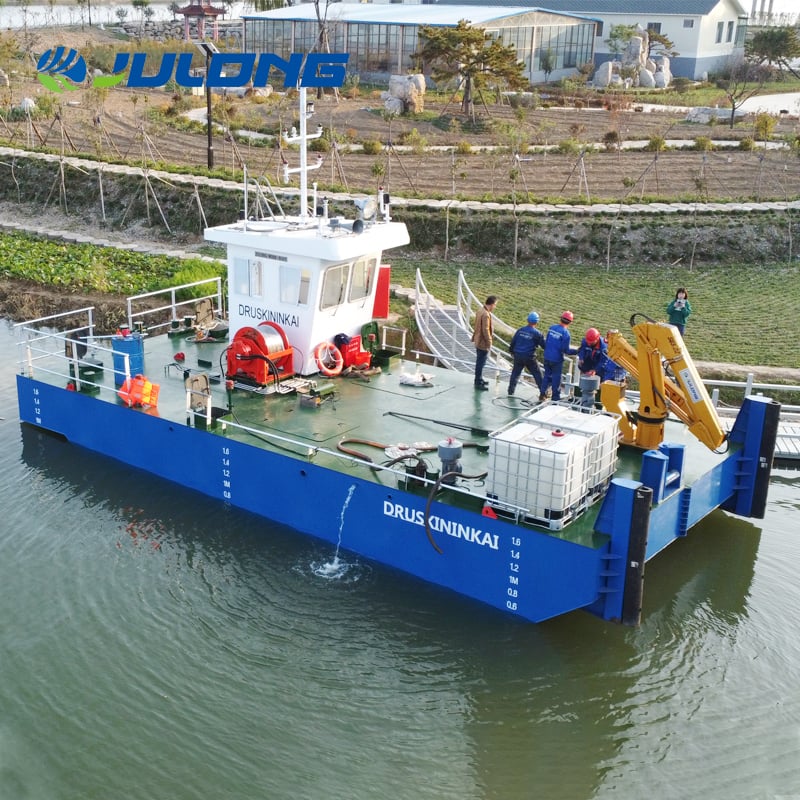
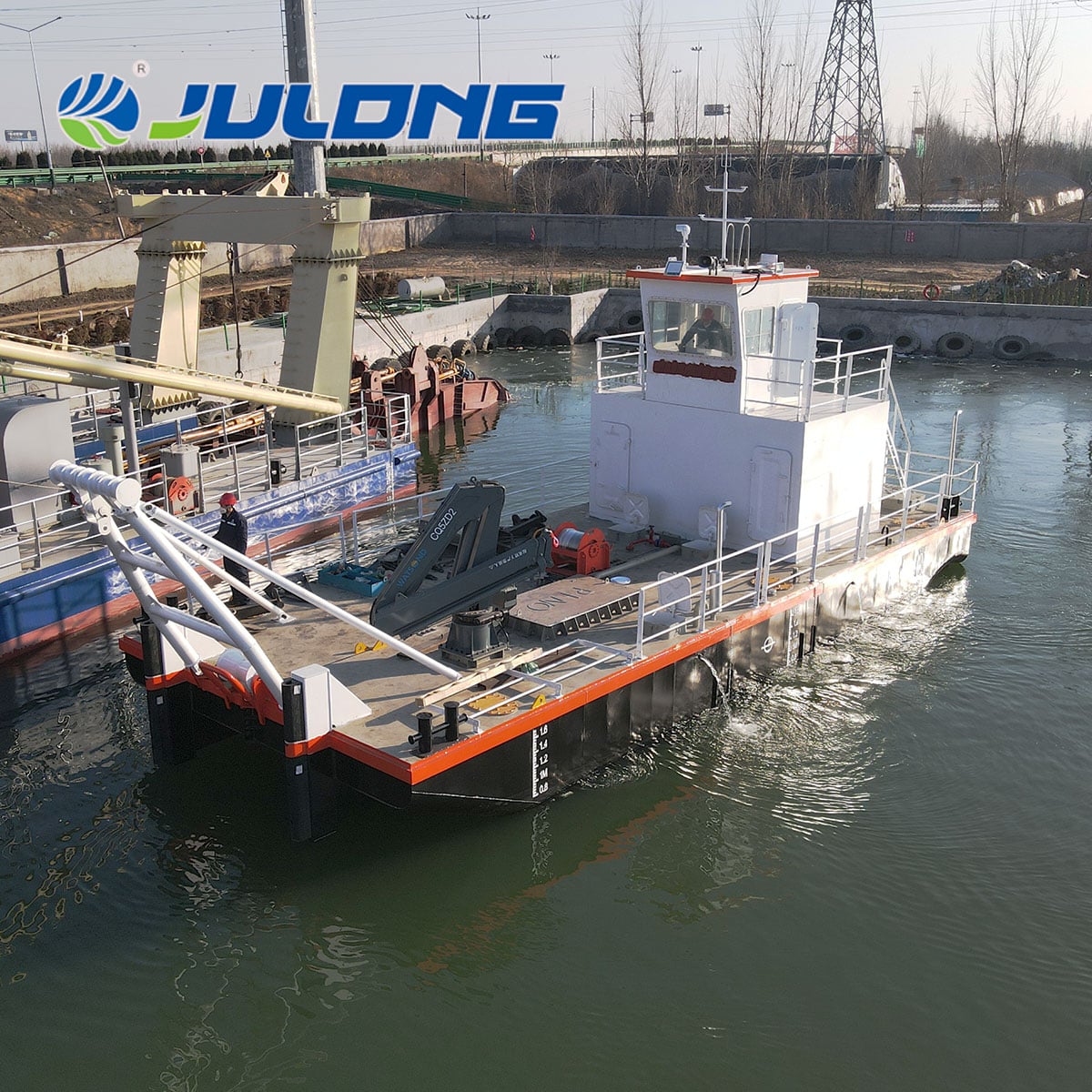
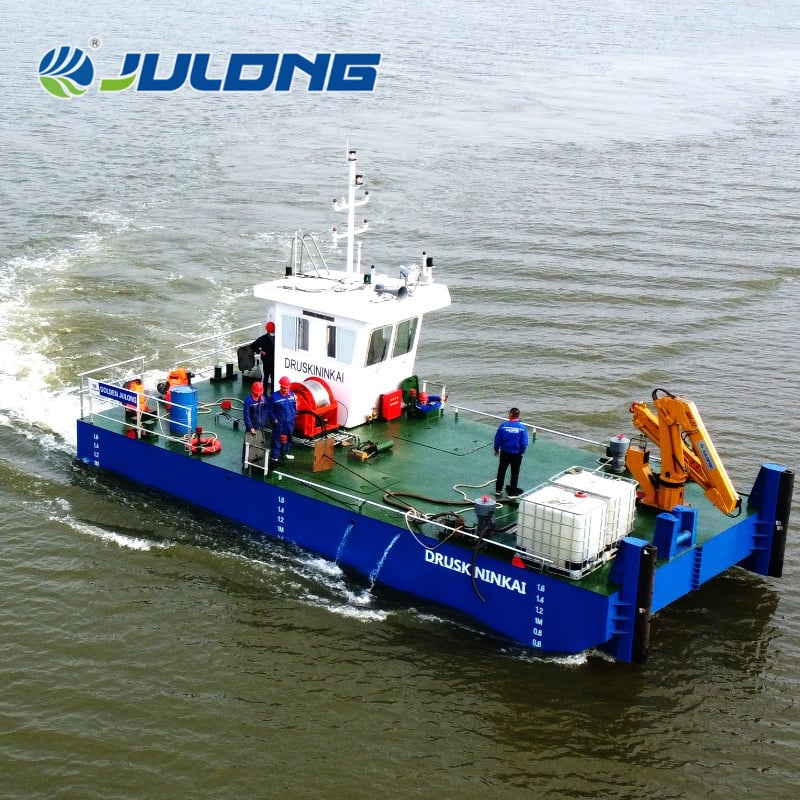
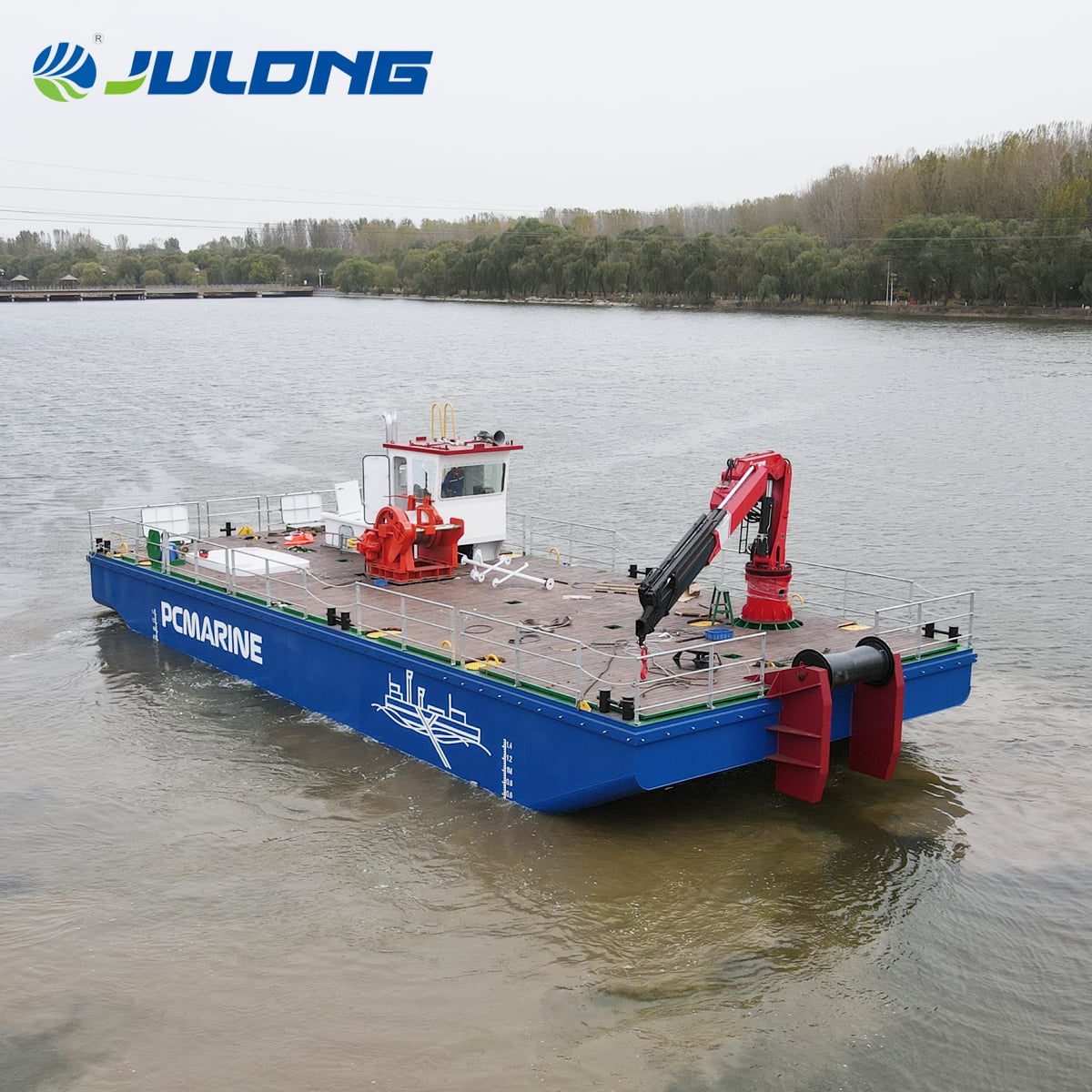
Selecting the appropriate dredging equipment or dredging boat for sale for harbour projects involves assessing specific project requirements and environmental conditions. Common types of dredgers include cutter suction dredgers and amphibious dredgers, each designed for different applications

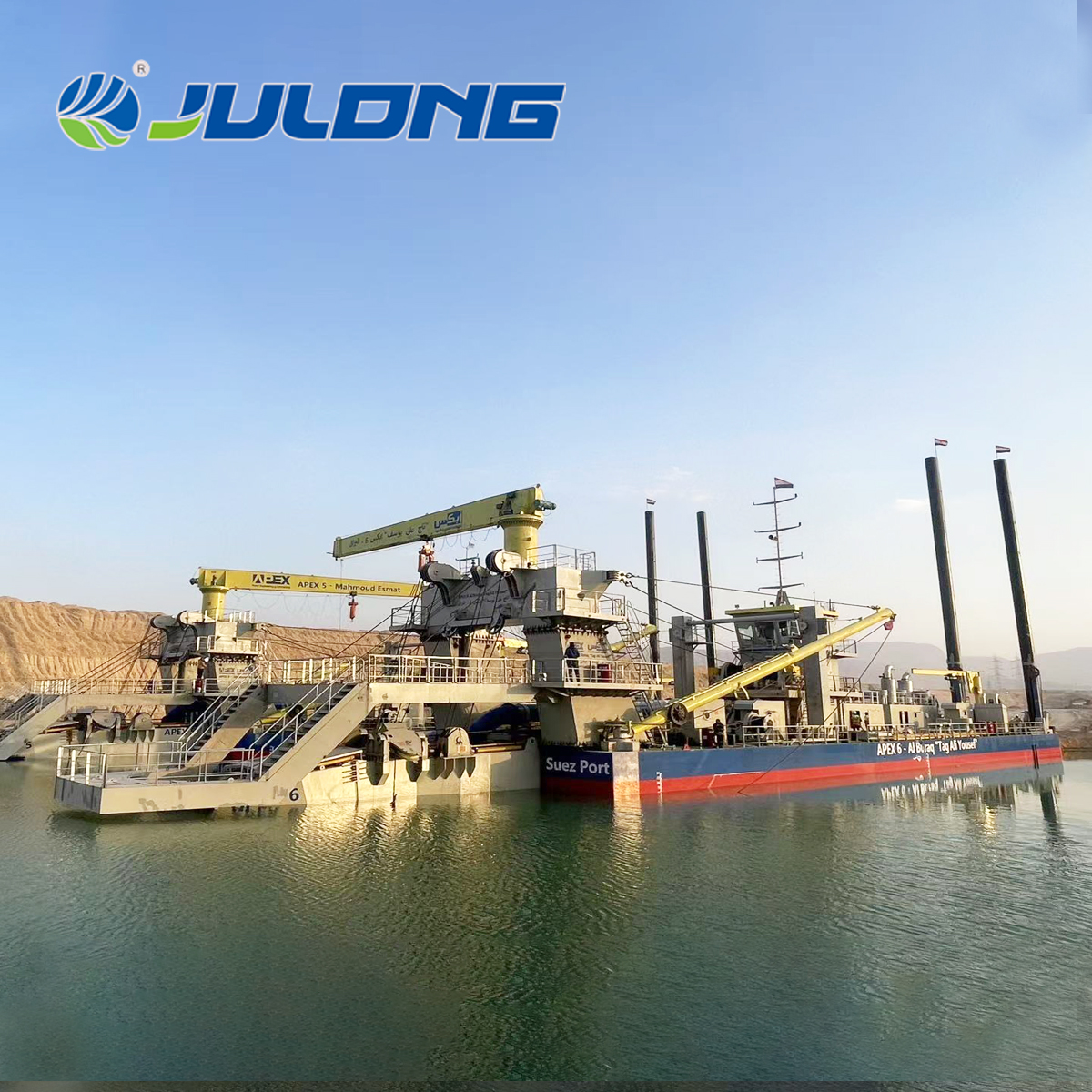
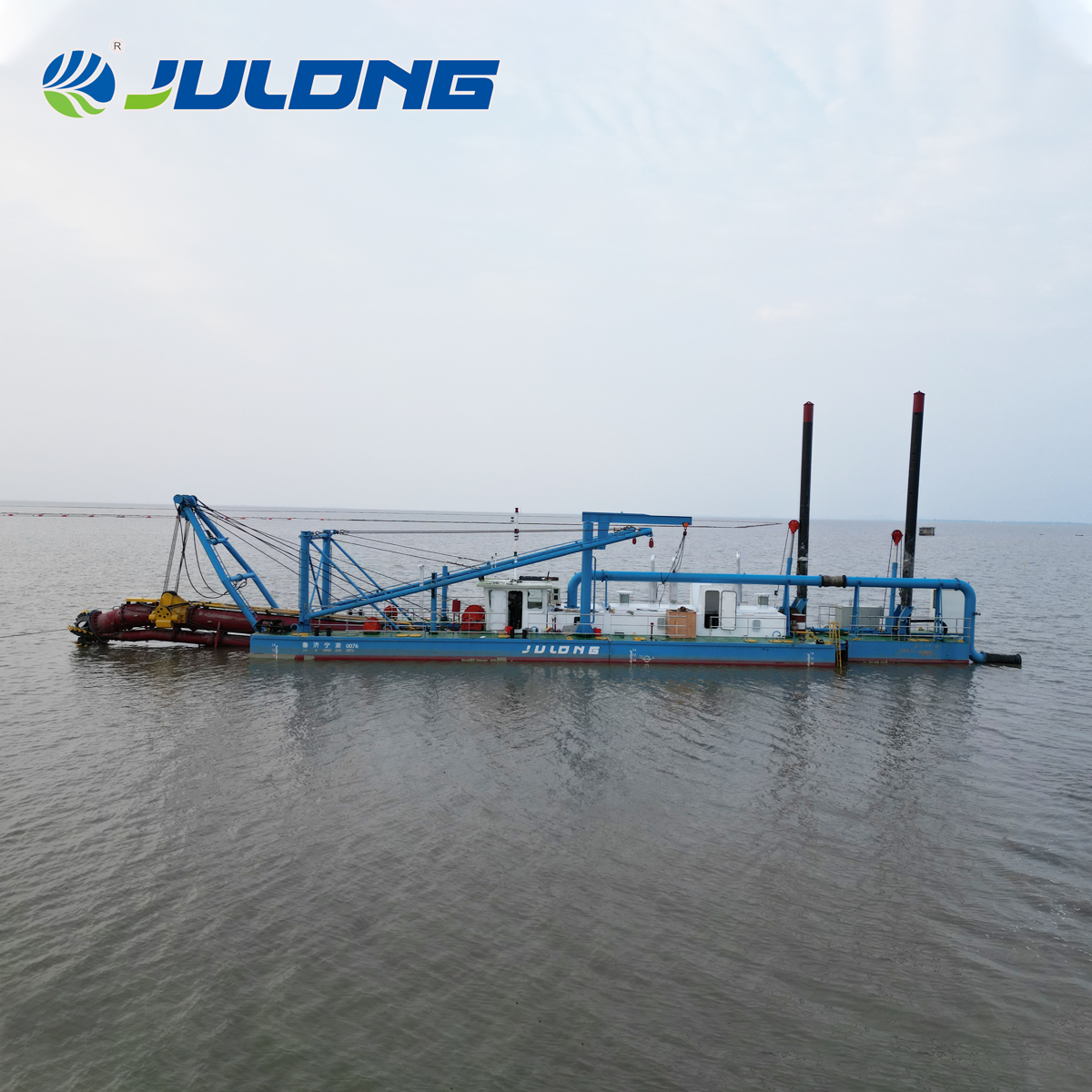
Cutter suction dredgers are ideal for deep-water projects due to their powerful cutting heads that can handle tough materials like clay and rock. They are typically used in large-scale dredging operations, where efficiency and depth are critical. On the other hand, amphibious dredgers excel in shallow waters and marshy areas, making them suitable for river and lake projects where traditional dredging equipment may not operate effectively

When determining the right equipment, consider factors such as the dredging depth, sediment type, and project scale. Additionally, the equipment's transportability and ease of use in specific environments should be evaluated to ensure optimal performance

Frequently Asked Questions

What types of dredgers do you provide for harbour projects?

We supply cutter suction dredgers, amphibious dredgers, and excavators tailored for harbour, river, and lake operations, ensuring versatile solutions for different seabed and access conditions.
Yes. Our dredgers carry ISO and CE certifications and are built in our 12,000 m² facility to meet international quality and safety standards for durable, reliable performance.
Absolutely. We have experience serving clients in 93 countries and can provide sales, technical support, shipping coordination, and after-sales service worldwide.
We offer spare parts supply, scheduled maintenance guidance, and remote technical assistance to minimize downtime and extend equipment lifespan for harbour operations.
Yes. Our cutter suction and amphibious dredgers are designed to handle varied soils and depths; we assess project details to recommend the optimal model and configuration.

Get a Free Quote

Our representative will contact you soon.
0/1000