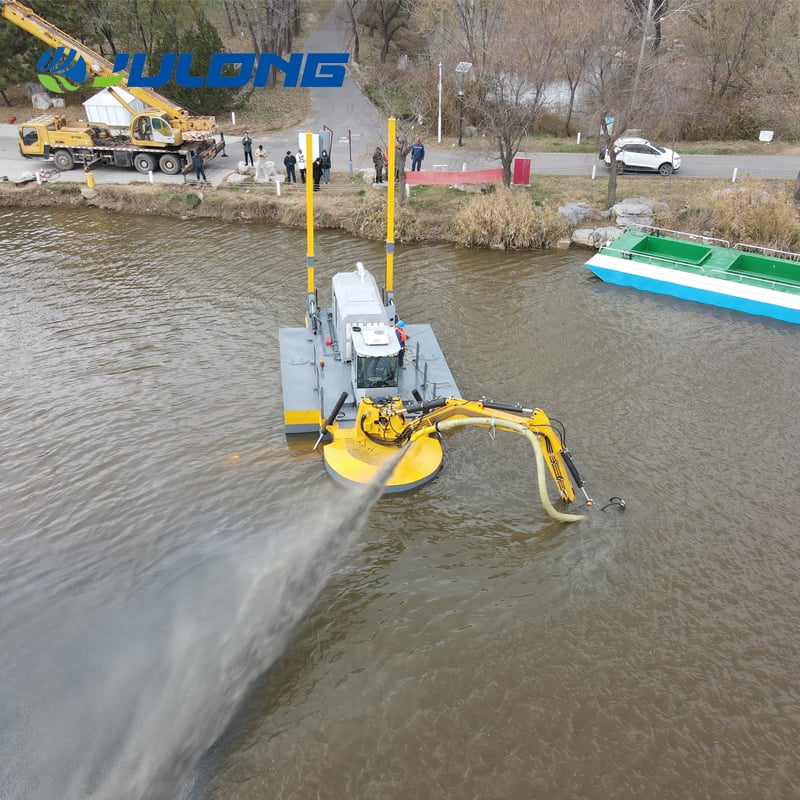
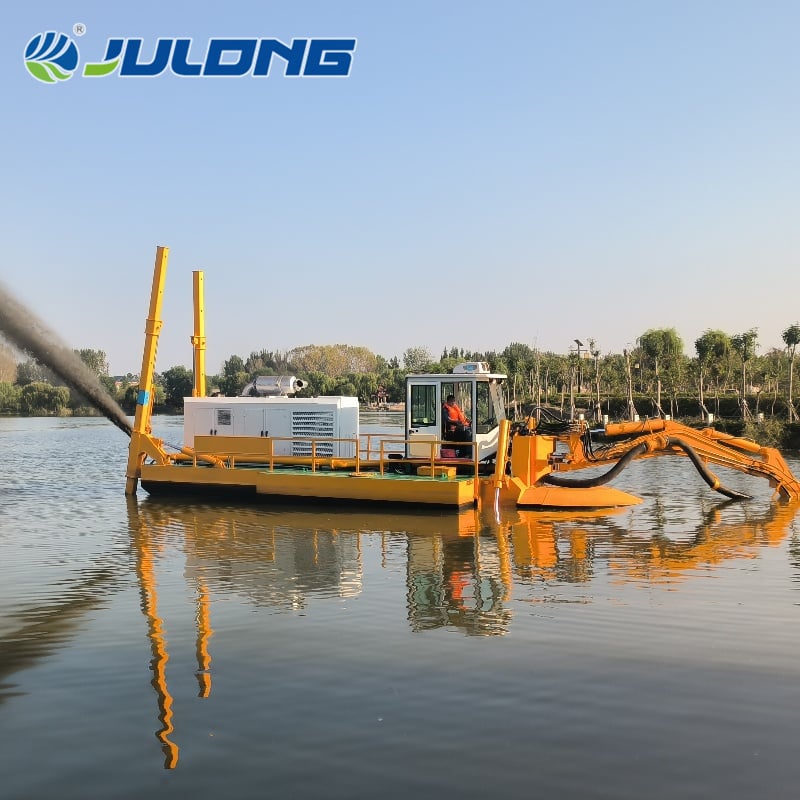
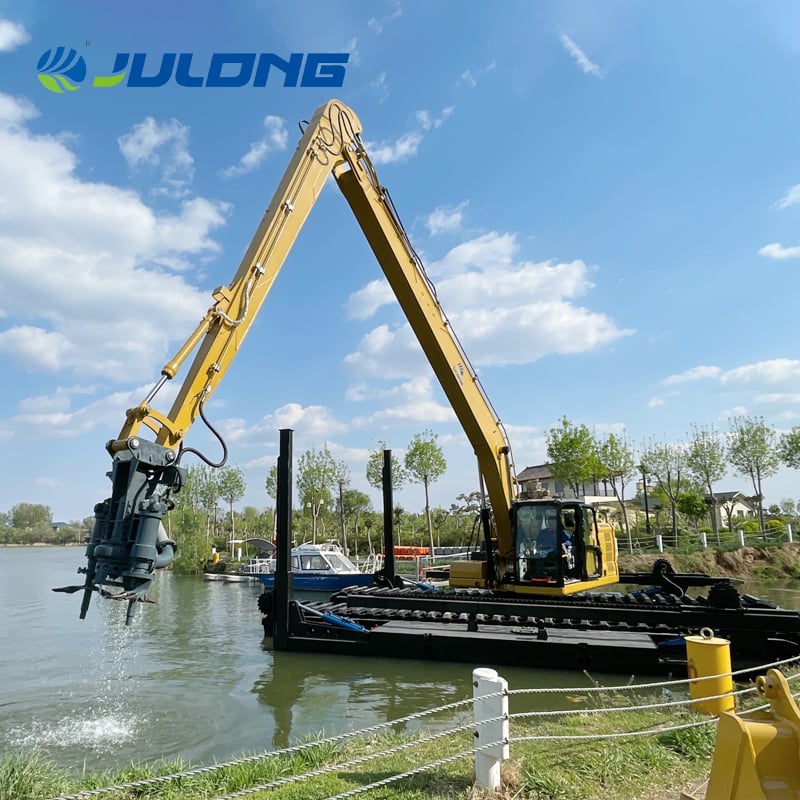
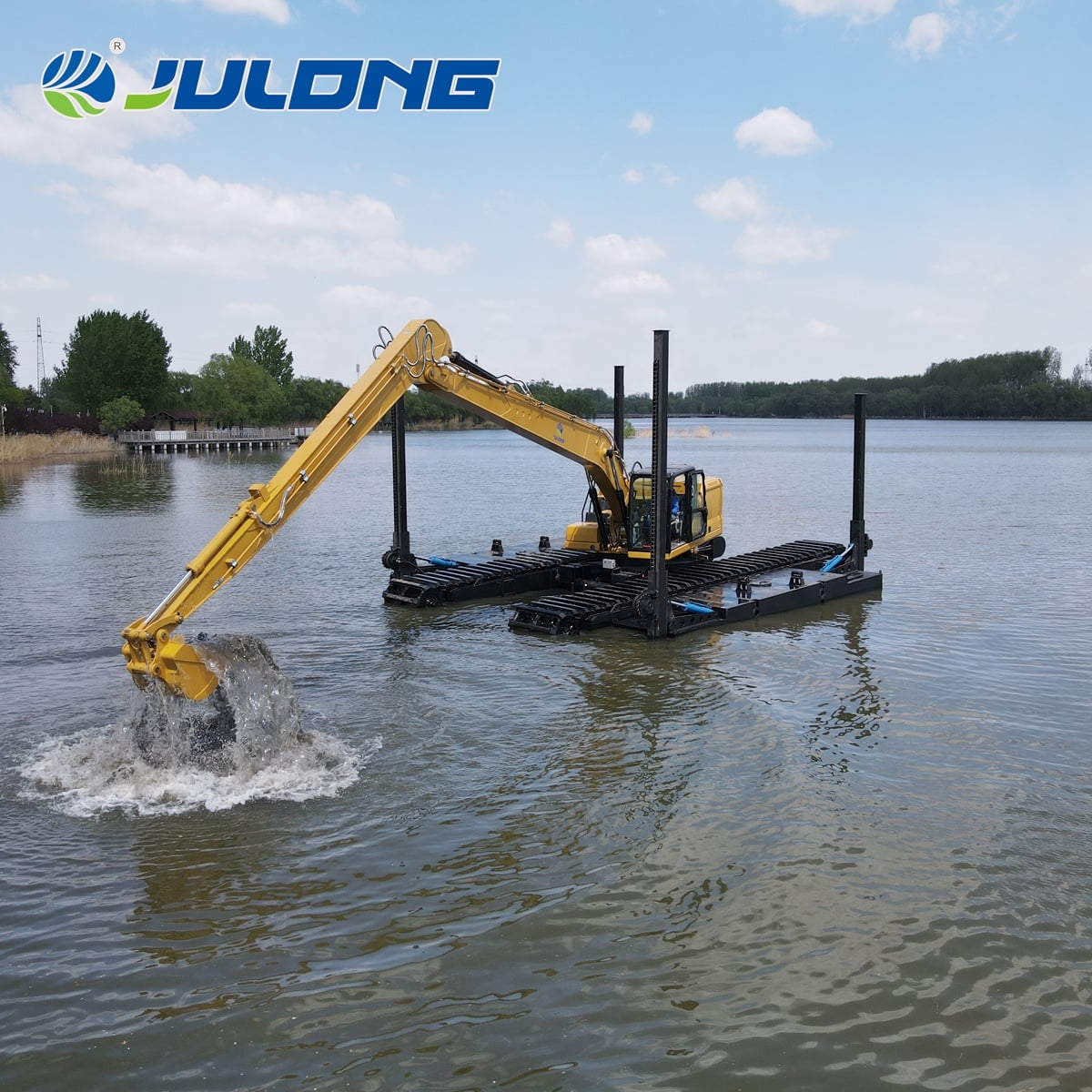
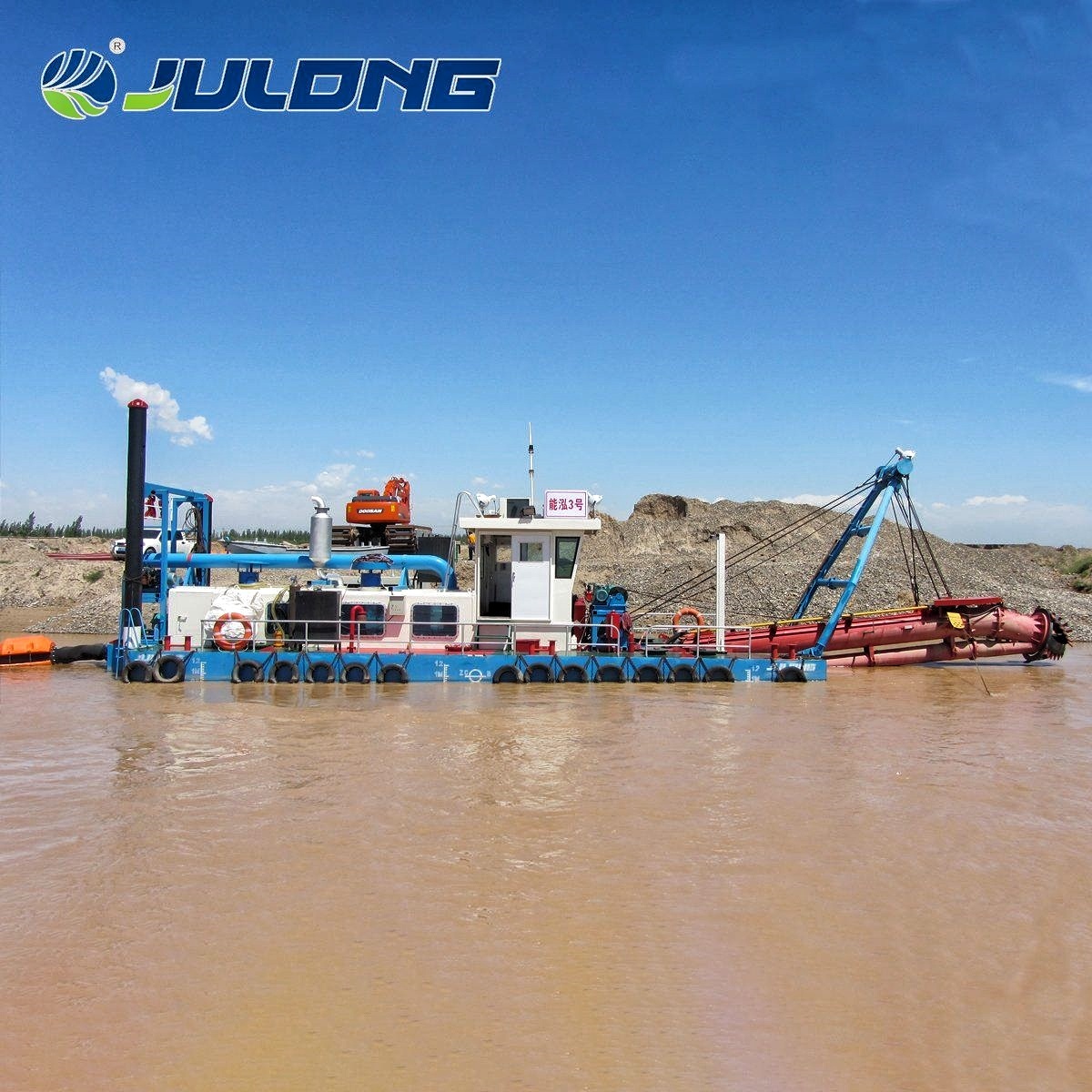
Dredge Pump: Essential Features and Sourcing Tips

application/dredge-pump, application/dredge-pump, 
Inquiry
Inquiry

Dredge pump

Dredge pumps are essential equipment used in various applications such as mining, dredging, and wastewater management. As a B2B buyer, you may be concerned about factors such as efficiency, durability, and suitability for specific projects. This article aims to provide valuable insights into selecting the right suction dredger, sourcing reliable suppliers, installation considerations, and addressing common issues that may arise during operation.

Where to Source Reliable Dredge Pumps for Bulk Orders

Where to Source Reliable Dredge Pumps for Bulk Orders

Sourcing reliable JULONG dredge pumps requires careful consideration to ensure you partner with a reputable manufacturer or supplier. Here are some steps to help you find the right source for your bulk orders: 

Research Manufacturers: Begin by researching manufacturers with a proven track record in producing hopper dredger.  Look for companies with ISO and CE certifications, as these indicate adherence to international quality standards. 

Check References and Reviews: Seek references from existing customers or industry peers. Testimonials and reviews can provide insight into the supplier's reputation, product quality, and customer support. 

Request Samples: Before placing a bulk order, request samples to evaluate the quality and performance of the dredge pump. Testing a sample under actual working conditions can help you determine if it meets your operational needs. 

Assess Customization Options: Depending on your specific application, you may require customized features. Discuss your needs with the supplier to see if they can accommodate your requests. 

Evaluate Pricing and Terms: Compare pricing from multiple suppliers, but also consider the total cost of ownership, which includes maintenance and operational costs. Inquire about minimum order quantities (MOQ) and lead times to ensure they align with your project schedule. 

By conducting thorough research and due diligence, you can confidently source reliable dredge pumps that will meet your project requirements.

Essential Installation Guidance for Dredge Pumps in Various Applications

Essential Installation Guidance for Dredge Pumps in Various Applications

Proper installation of dredge pumps is crucial for ensuring optimal performance and longevity. Here are some essential installation considerations: 

Site Assessment: Before installation, assess the job site to determine the best location for the pump. Consider factors such as proximity to the dredging area, accessibility for maintenance, and suitable power supply. 

Foundation Preparation: A stable foundation is vital for preventing vibration and ensuring the pump operates efficiently.  Ensure the installation site is level and can support the weight of the pump. 

Piping and Connections: Use appropriate piping materials that can withstand the conditions of your application (e. g., abrasion, pressure). Ensure all connections are secure to prevent leaks, which can impact efficiency. 

Alignment and Leveling: Proper alignment of the pump and motor is crucial for preventing wear and tear. Use leveling tools to ensure that the pump is installed correctly, minimizing vibration and operational issues. 

Initial Testing: After installation, conduct initial testing to ensure the pump operates as expected. Monitor for any unusual noises or vibrations, as these can indicate potential issues that need to be addressed. 

Following these installation guidelines can help you maximize the performance and lifespan of your dredge pump.

What to Know

What to Know

When purchasing dredge pumps, there are several important factors to keep in mind: 

Performance Specifications: Understand the technical specifications of the pump, including flow rate, head height, and efficiency. These metrics are critical for determining if the pump will meet your application needs. 

Maintenance Requirements: Regular maintenance is essential for the longevity of dredge pumps. Familiarize yourself with the maintenance schedule, including routine inspections and part replacements. 

Warranty and Support: Inquire about warranty terms and the level of customer support provided by the manufacturer. A strong warranty can protect your investment and ensure assistance in case of issues. 

Regulatory Compliance: Ensure the pump complies with local regulations and environmental standards, particularly if it will be used in sensitive areas, such as wetlands or near water bodies. 

Total Cost of Ownership: Consider not just the initial purchase price but also the total cost of ownership. This includes operational costs, maintenance expenses, and potential downtime, which can significantly impact your budget. 

Understanding these aspects will enable you to make an informed purchasing decision that aligns with your operational needs and budget constraints.

Common Problems with Dredge Pumps and Effective Solutions

While JULONG dredge pumps are designed for robustness, they can encounter common issues that may disrupt operations. Here are some typical problems and their solutions: 

Clogging: Clogging can occur due to debris or sediment build-up. Regularly inspect the pump for blockages, and implement a maintenance schedule to clear any accumulated material. 

Vibration and Noise: Excessive vibration or noise can indicate misalignment or wear in the pump components. Conduct routine checks to ensure proper alignment and inspect for wear signs, replacing any damaged parts as needed. 

Reduced Flow Rate: A drop in flow rate may be due to wear or blockages in the pump or piping. Regularly monitor the flow rate and inspect all components to identify and rectify issues promptly. 

Overheating: Overheating can occur if the pump is operated beyond its capacity or if there is inadequate lubrication. Ensure the pump is operated within its specified limits and check lubrication levels regularly. 

Seal Failures: Seal failures can lead to leaks and reduced efficiency. Regularly inspect seals for wear and replace them as needed to maintain optimal performance. 

By proactively addressing these common issues, you can enhance the reliability and efficiency of your trailing suction dredger, ensuring smooth operations in your projects.

Key Features to Evaluate

When evaluating JULONG dredge pumps, several key features should be considered to ensure optimal performance for your specific application: 

Flow Rate: The flow rate is critical for determining how efficiently a pump can move materials. Ensure that the pump's capacity aligns with the demands of your project. 

Material Construction: Dredge pumps are often exposed to abrasive materials and harsh environments. Look for pumps made from durable materials such as high-chrome iron or stainless steel, which provide better wear resistance and longevity. 

Suction Depth: The ability to operate at varying suction depths is essential for dredging applications. Assess the pump's suction lift capability to ensure it meets your project requirements. 

Portability: Depending on your project scope, consider whether a portable dredge pump would be beneficial. Some models are designed for easy transport, allowing you to move them between job sites. 

Power Source: Dredge pumps can be powered by diesel engines or electric motors. Evaluate the availability of power sources at your job site and choose accordingly to enhance operational efficiency. 

By carefully assessing these features, you can select a dredge pump that meets your operational needs and project specifications.

Frequently Asked Questions

What applications suit this dredge pump?

Our dredge pump is designed for river, lake, port, and reclamation projects, handling sand, silt, and slurry efficiently for dredging and sediment transport.
We hold ISO and CE certifications; pumps are manufactured in a 12,000 m² facility with quality control to ensure durability and performance.
Constructed with abrasion-resistant alloys and replaceable wear parts to extend service life in high-wear dredging conditions.
Yes. We supply spare parts and technical support to clients in 93 countries, ensuring timely maintenance and operational assistance.
Provide project details (flow, head, slurry concentration, particle size) and our engineers will recommend the optimal pump model and configuration.

Get a Free Quote

Our representative will contact you soon.
0/1000