Reliable Suppliers of Amphibious Diggers

application/amphibious-digger, application/amphibious-digger, 
Inquiry
Inquiry

Amphibious digger

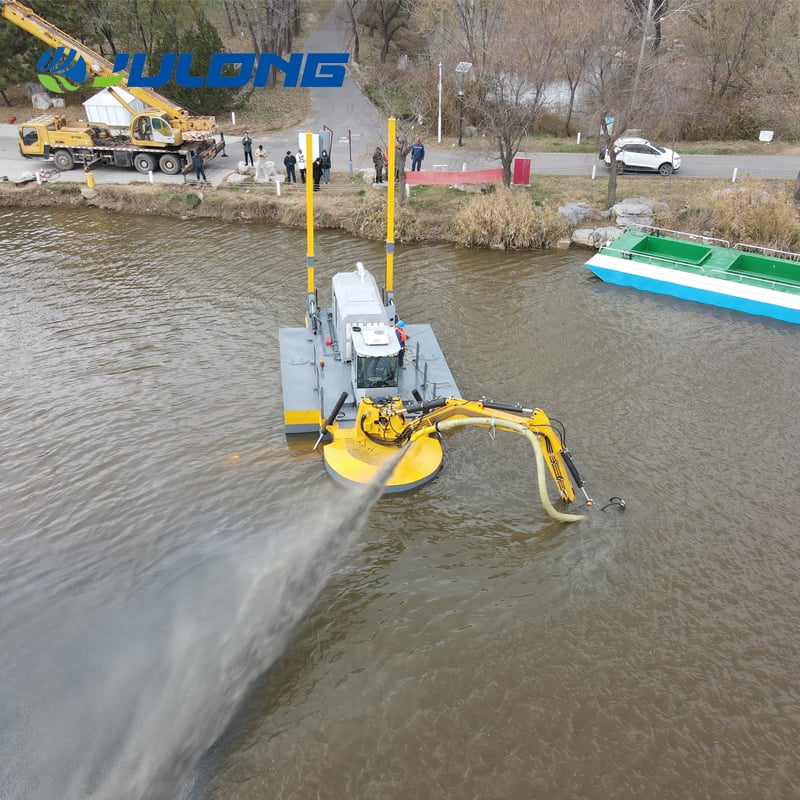
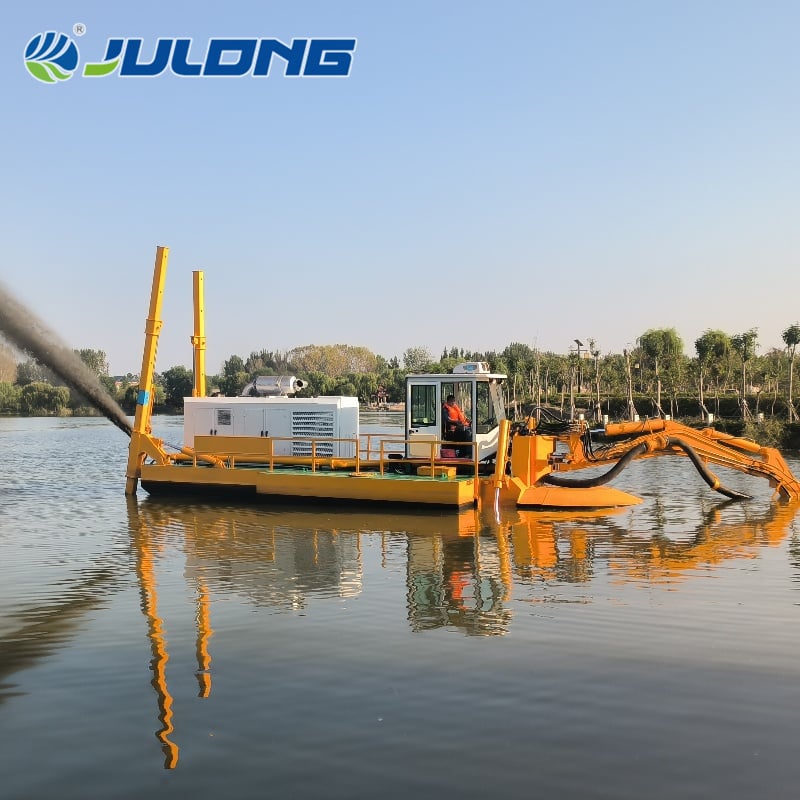
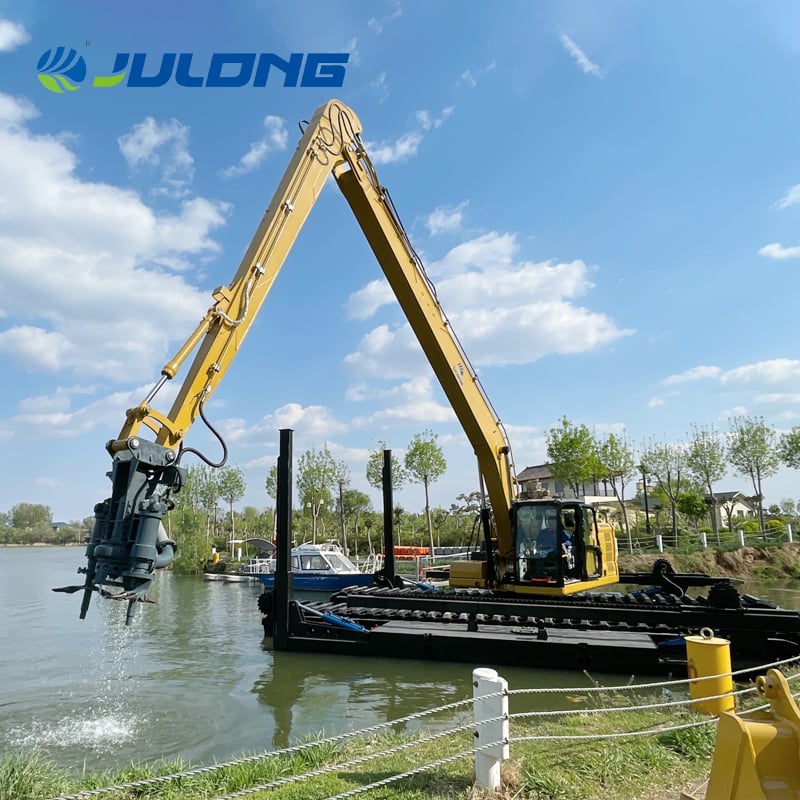
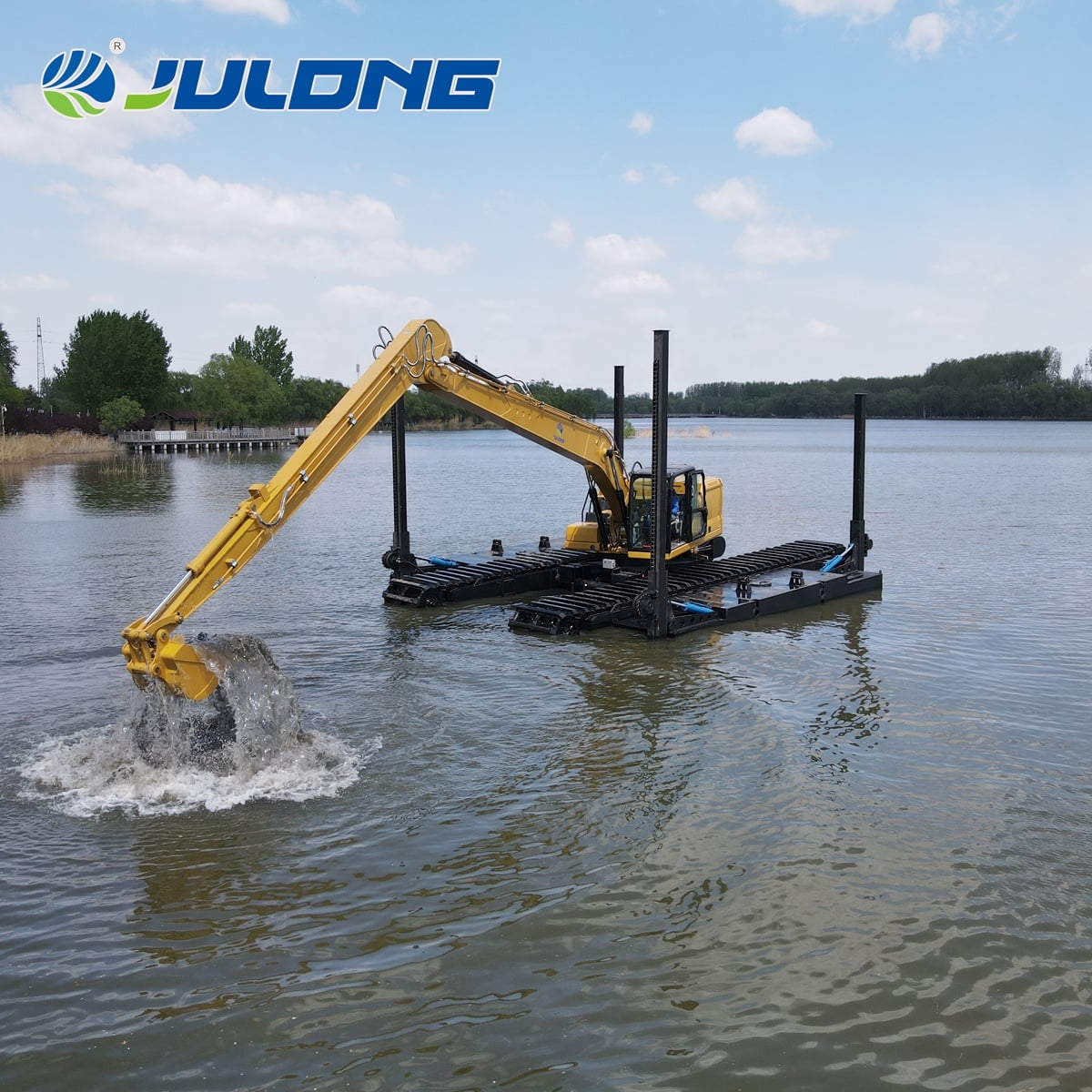
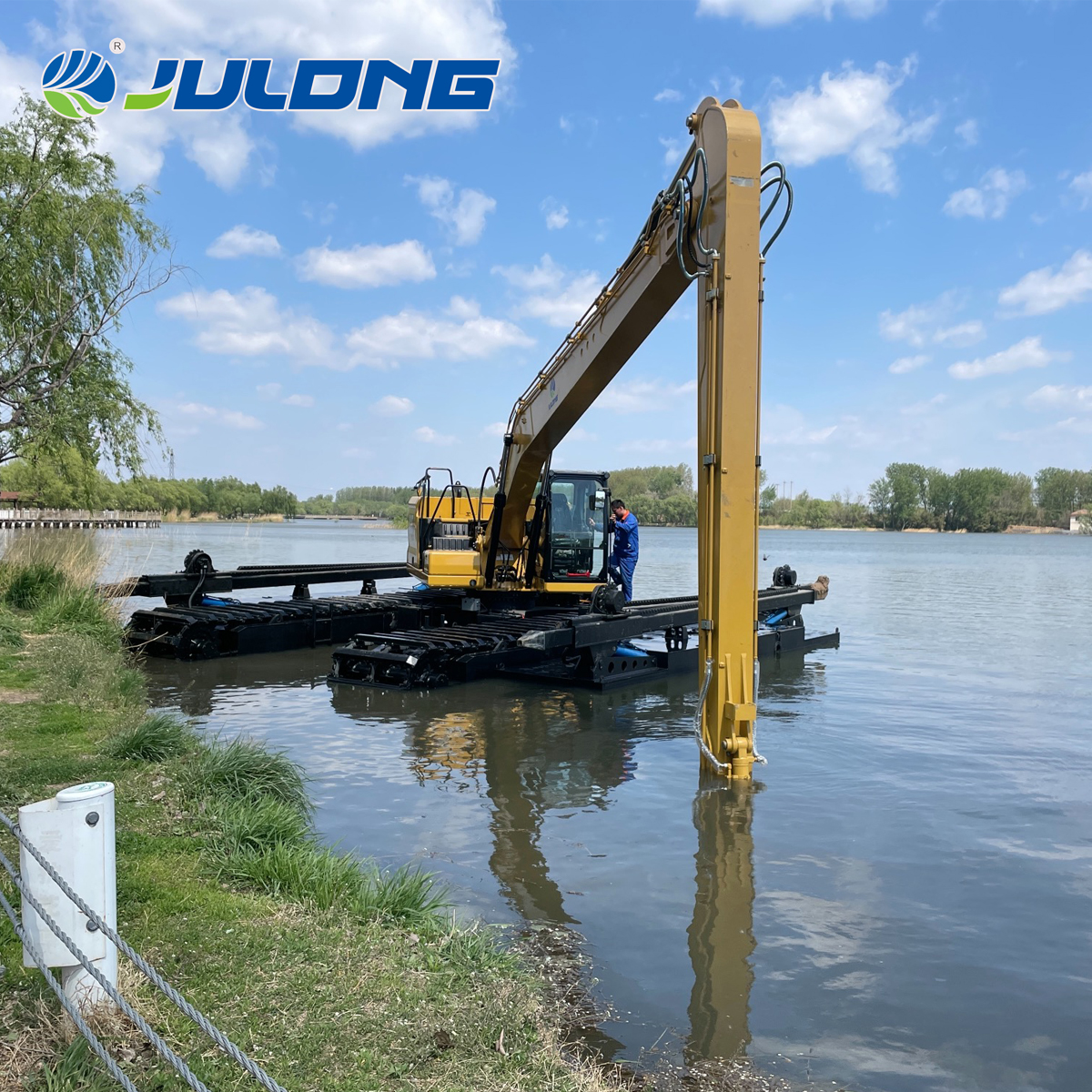
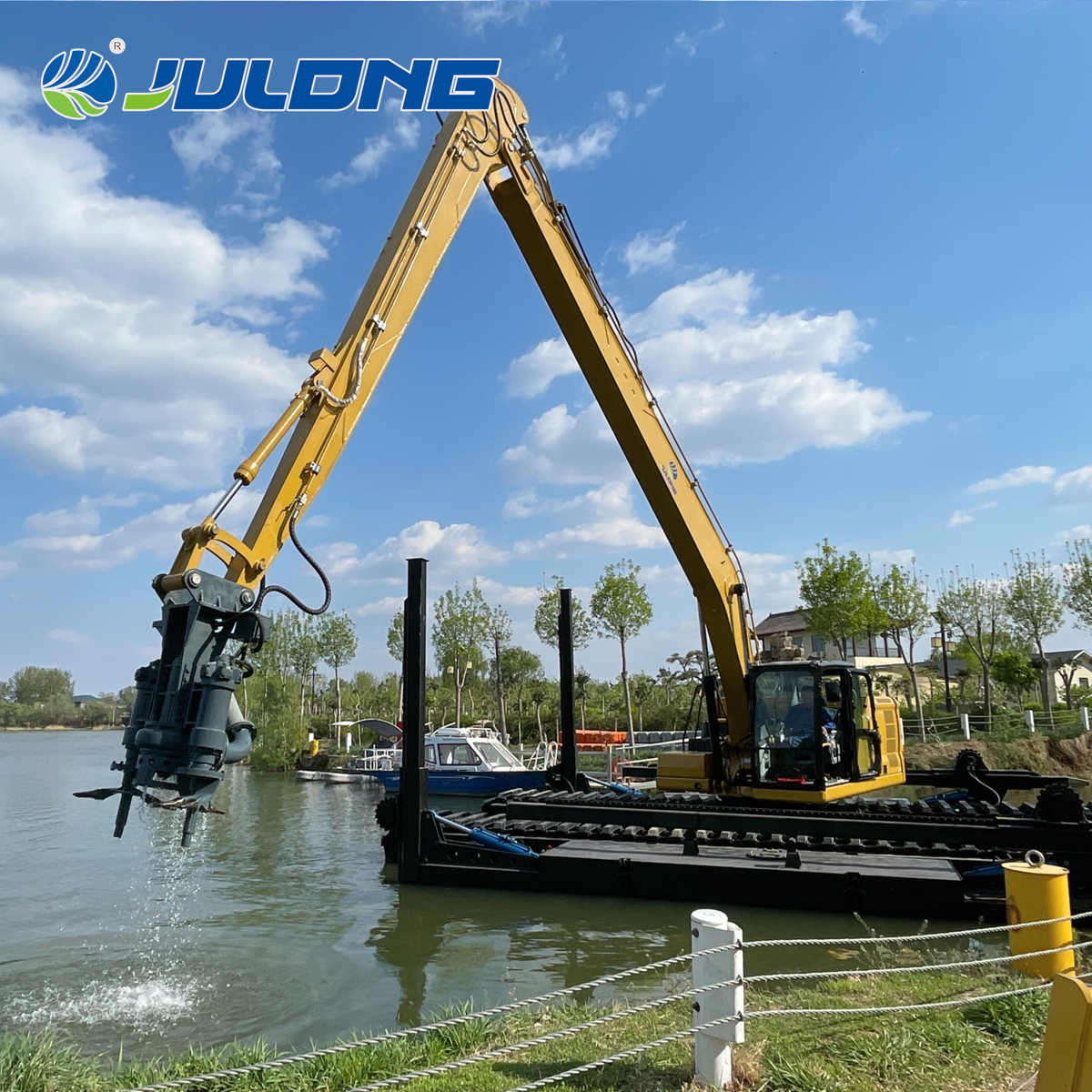
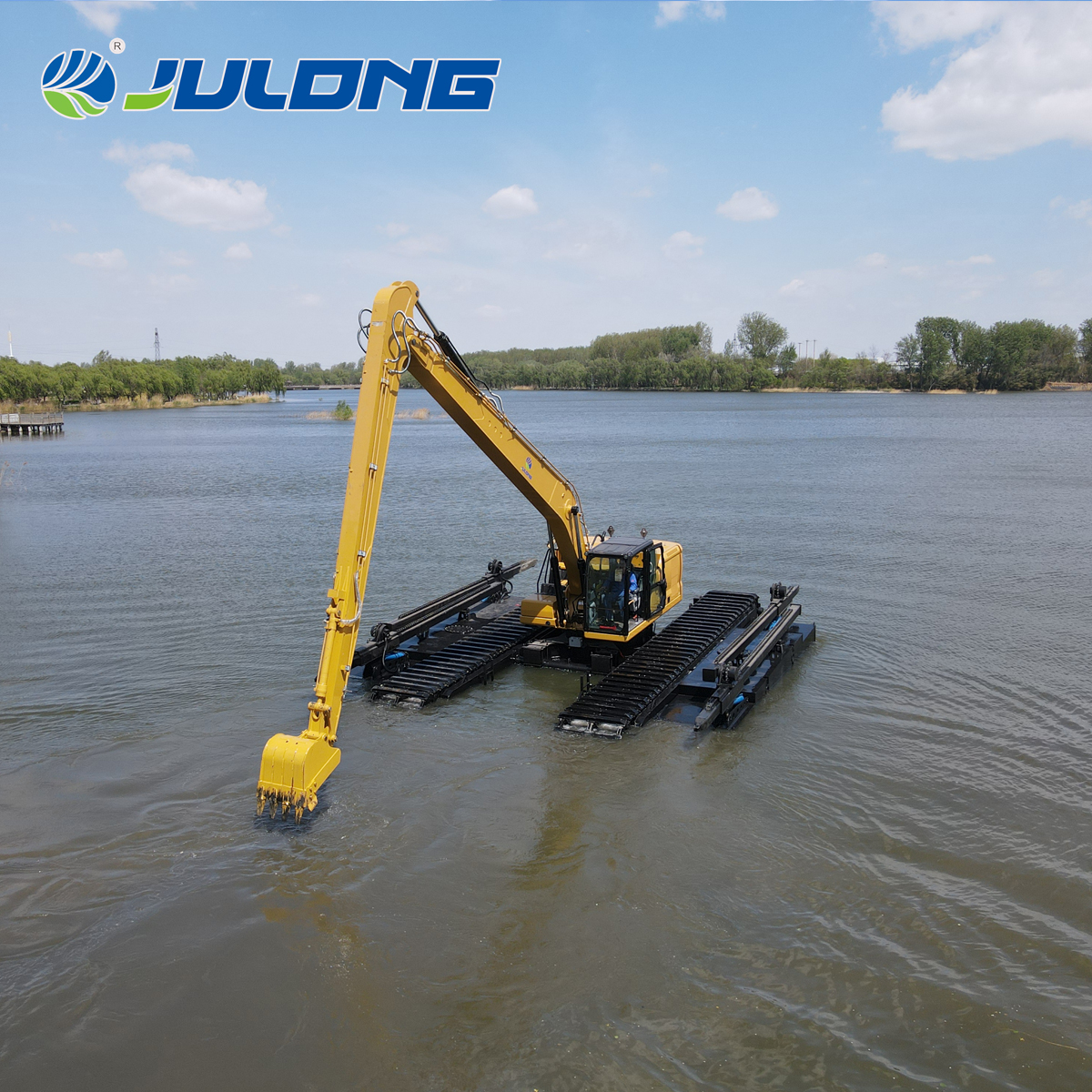
Amphibious diggers are specialized excavators designed to operate on both land and water, making them ideal for a variety of applications such as dredging, land reclamation, and environmental restoration projects. For B2B buyers, understanding the specifics of amphibious diggers is crucial, especially when it comes to assessing their quality, capabilities, and suitability for specific tasks. This article will guide purchasing managers, engineers, and project managers through evaluating suppliers, identifying quality standards, and understanding the unique applications of amphibious mini excavator in industrial settings.

Evaluating the Quality of Amphibious Diggers for Bulk Orders

Evaluating the Quality of Amphibious Diggers for Bulk Orders

Quality assessment is critical when ordering amphibious diggers in bulk. Key specifications to evaluate include the materials used, structural integrity, and safety features. Amphibious diggers should be constructed from high-grade steel to withstand harsh operating conditions, including exposure to water and mud. 

Inspect the manufacturing processes employed by the supplier. A manufacturer with stringent quality control measures, such as those certified under ISO standards, is more likely to provide durable and reliable equipment. It is advisable to request samples or even visit the production facility to assess the quality firsthand. 

Additionally, consider the amphibious diggers performance metrics, such as operating weight, digging depth, and mobility on various terrains. These specifications will directly impact the machine's efficiency and effectiveness in your specific applications. Ensure that the supplier can provide comprehensive documentation, including test results and certification details.

A Step-by-Step Approach

A Step-by-Step Approach

When preparing to purchase an amphibious digger, follow these steps: 

Define Your Requirements: Identify the specific applications and environments the amphibious undercarriage will be used in. Consider factors like soil type, water depth, and project scale. 

Research Suppliers: Compile a list of potential suppliers, focusing on their specialization in amphibious equipment and their manufacturing capabilities. 

Request Quotations: Provide suppliers with detailed information about your requirements, including preferred specifications, quantities, and any customization needs. This ensures that the quotes you receive are accurate and tailored to your project. 

Evaluate Proposals: Compare the received quotations not just on price, but also on the quality of materials, warranty terms, and after-sales support offered by each supplier. 

Conduct Site Visits: If possible, visit the manufacturing facilities of shortlisted suppliers to assess their production processes and quality control measures. 

Finalize Contracts: Once you’ve chosen a supplier, ensure that all terms, including delivery schedules and payment conditions, are clearly outlined in the contract.

Common Problems with Amphibious Diggers and Effective Solutions

Common Problems with Amphibious Diggers and Effective Solutions

Buyers of amphibious diggers may encounter several common problems, including operational inefficiencies and  maintenance challenges. One frequent issue is the machine's performance in varying water conditions. If the amphibious diggers is not properly designed for the specific water depth or soil type, it can lead to reduced operational efficiency. To mitigate this, ensure that the supplier provides detailed specifications and performance metrics tailored to your project conditions. 

Another common problem is wear and tear on moving parts due to harsh operating environments. To address this, regular maintenance schedules should be established, and quality spare parts should be sourced from reputable suppliers.  JULONG, for instance, offers comprehensive after-sales support, ensuring that customers have access to necessary parts and maintenance guidance. 

Moreover, buyers should be vigilant about the machine's flotation capabilities, as inadequate flotation can hinder performance. Test the amphibious diggers under actual operating conditions before finalizing a bulk order to confirm its suitability.

Exploring the Various Applications of Amphibious Diggers in Industry

Amphibious diggers have a wide range of applications across various industries. In environmental projects, they are often used for dredging rivers and lakes, enabling the removal of sediments and pollutants in a controlled manner. Their ability to operate in shallow waters makes them invaluable for land reclamation projects, where they can help reshape and restore natural landscapes. 

In construction, JULONG amphibious diggers are employed in projects that require excavation in wet or marshy areas. Their versatility allows them to transition seamlessly from land to water, making them ideal for pipeline installation, excavation for foundations, and other infrastructure projects. 

Furthermore, in the agricultural sector, these machines are used for managing wetlands and irrigation canals, ensuring that water levels are maintained for optimal crop production. Their multifunctional design can also support various attachments, such as grapples or buckets, enhancing their usability across different applications. 

understanding the practical aspects of purchasing amphibious excavator is crucial for B2B buyers. By focusing on supplier reliability, quality assessment, problem-solving strategies, and application versatility, purchasing managers can make informed decisions that align with their project needs.

Where to Find Reliable Suppliers of Amphibious Diggers

Finding a reliable supplier for amphibious diggers is essential to ensure quality and performance. Start by researching manufacturers with a strong reputation in the industry. Look for companies that specialize in dredging and excavation equipment, such as Qingzhou JULONG Environmental Technology Co., Ltd., which has extensive experience and ISO/CE certifications. 

Consider suppliers with a global reach to ensure they can support your needs in various markets. Verify their production capabilities and facility size—our brand, for instance, operates from a 12,000 square meter facility, which indicates the capacity to handle large orders. Additionally, check for customer testimonials and case studies that demonstrate the supplier's ability to meet diverse project requirements effectively. 

When evaluating suppliers, inquire about their customization options and after-sales support. A reliable supplier should offer comprehensive service, including installation guidance, maintenance support, and readily available spare parts.

Frequently Asked Questions

What is an amphibious digger used for?

An amphibious digger performs dredging, excavation, and land reclamation in rivers, lakes, wetlands, and ports where both water and soft ground access are required.
Models vary by bucket size, reach, engine power, flotation width, and max digging depth. We provide custom specs to meet project needs and ISO/CE standards.
Yes. We offer operator training, maintenance guidance, spare parts supply, and technical support to ensure long-term, efficient operation.
Built in a 12,000 m² facility to ISO/CE standards, our amphibious diggers are engineered for durability, corrosion resistance, and reliable performance in harsh environments.
Yes. We customize configurations—power, attachments, hull design, and controls—to suit river, lake, or port projects and specific site conditions.

Get a Free Quote

Our representative will contact you soon.
0/1000