Key Specifications of Amphibious Undercarriages

application/amphibious-undercarriage, application/amphibious-undercarriage, 
Inquiry
Inquiry

amphibious undercarriage

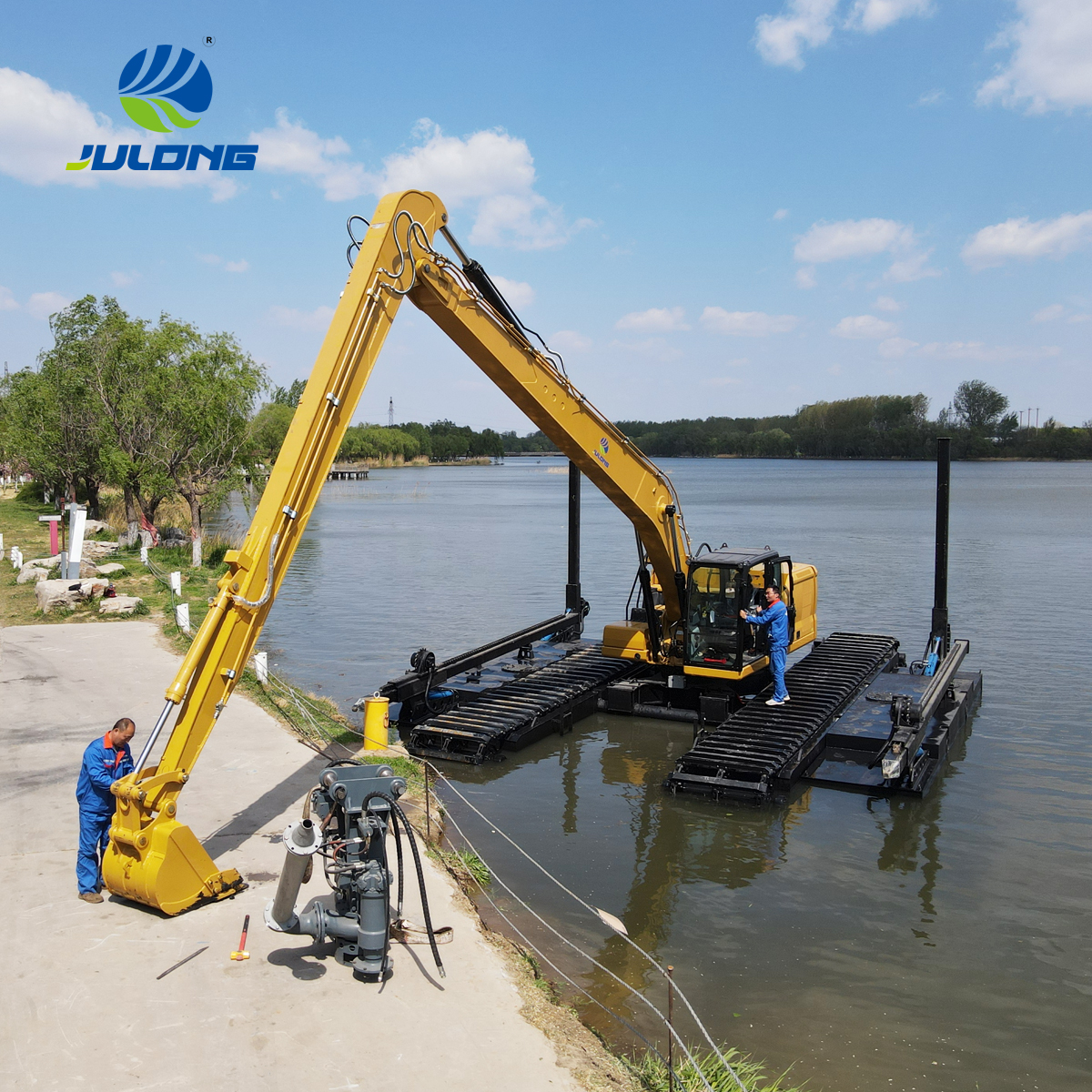
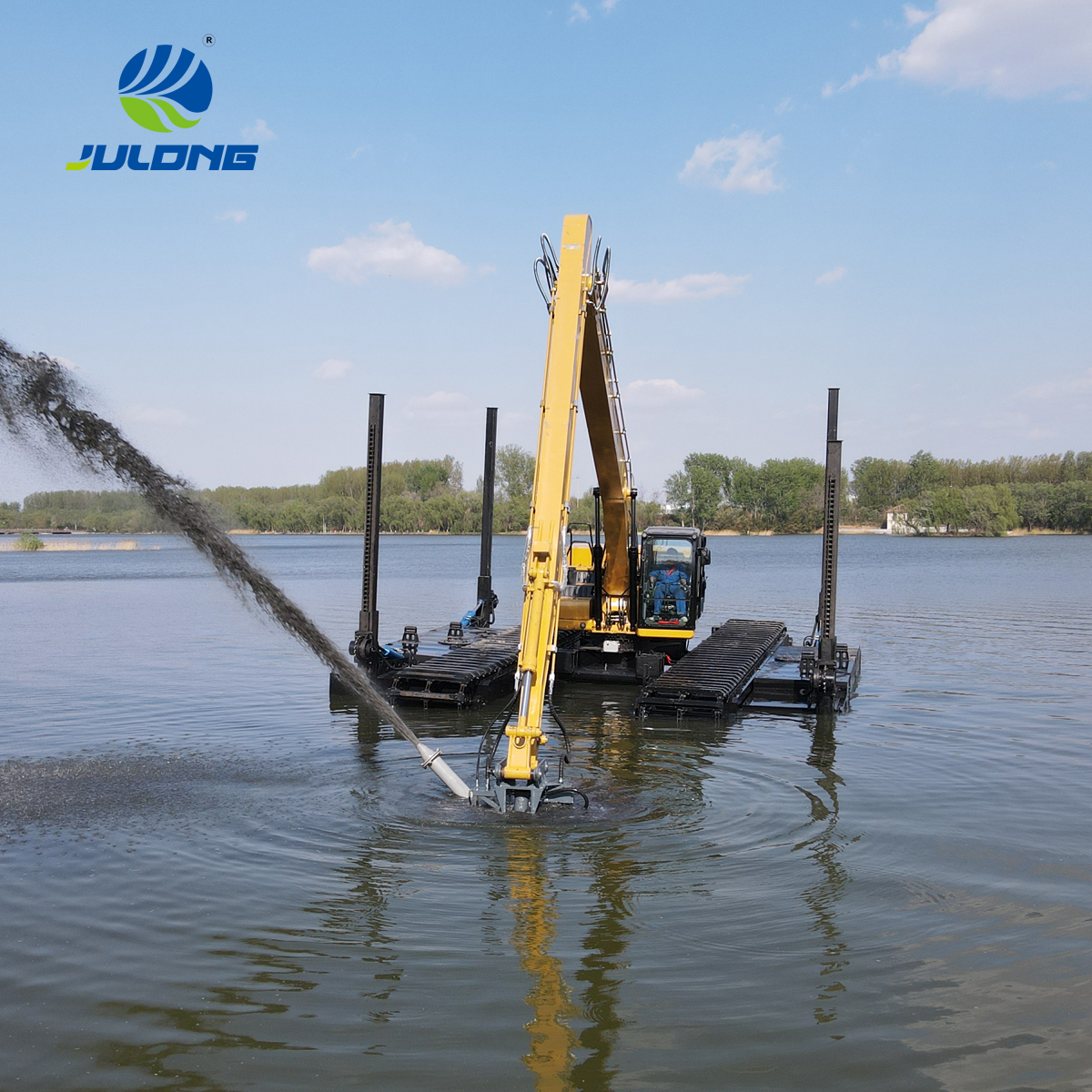
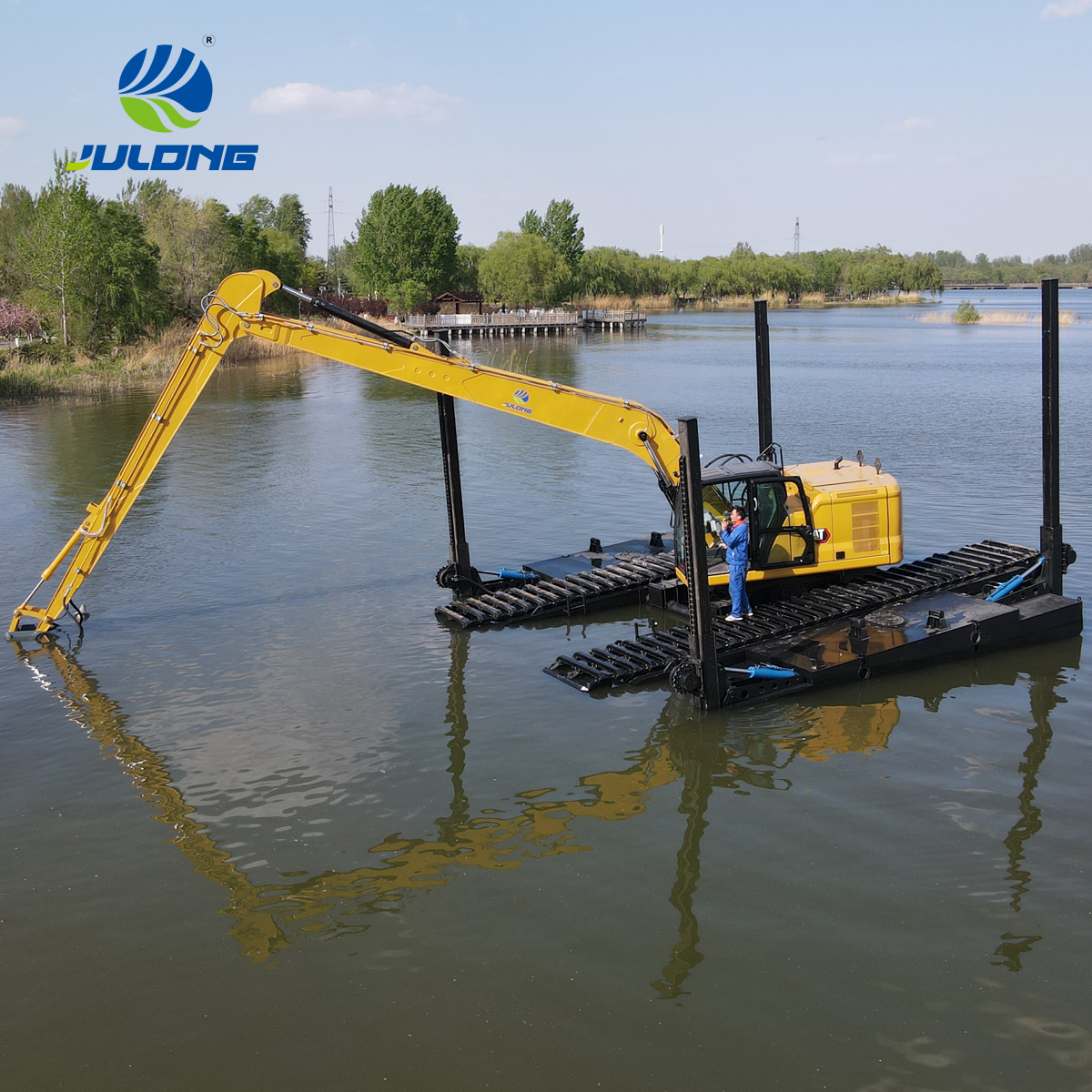
Amphibious undercarriages  are specialized components designed  for vehicles that  operate  on  both land and  water. They are crucial for applications  in dredging, construction, and  environmental management,  providing enhanced  mobility on soft or unstable surfaces. For B2B buyers, understanding  the  specifications, supplier options, and installation processes for amphibious undercarriages is  essential. This  article will guide you through key specifications, reliable suppliers, comparison  of  options, installation guidelines,  and cost considerations,  helping  you make informed purchasing  decisions. For instance, using an Aquatic Cleaning Boat could enhance your environmental management efforts while utilizing amphibious undercarriages.

Reliable Suppliers of Amphibious Undercarriages

Reliable Suppliers of Amphibious Undercarriages

Finding a reliable supplier for amphibious undercarriages  is  critical for ensuring quality and performance. When evaluating potential suppliers, consider the following:


Certifications: Suppliers with ISO and CE certifications demonstrate adherence to international quality  standards. This can provide assurance of product reliability and manufacturing practices.

Manufacturing Capabilities: Evaluate the supplier's facility size and  technological capabilities. A manufacturer with advanced  production equipment can offer better quality control and customization options.

Experience and Reputation: Suppliers with  extensive experience in the industry are often more adept at addressing common challenges and providing solutions tailored to specific applications. Researching customer  reviews and case studies can offer insights into  their reputation.


After-Sales Support: Strong after-sales service is crucial for troubleshooting and maintenance.  Suppliers  who offer  comprehensive support can help mitigate issues that arise during operation.

Global Reach: Suppliers that export  to multiple countries may  have a better understanding of  diverse operational environments  and customer  needs, which can be beneficial for buyers operating internationally.

By focusing on these factors, purchasing managers can identify trustworthy suppliers that  align with their operational requirements and quality  expectations.

Comparing Amphibious Undercarriage Options for Bulk Orders

Comparing Amphibious Undercarriage Options for Bulk Orders

When considering bulk orders of amphibious undercarriages, it’s essential  to compare different options based on several criteria:

Pricing Structure: Bulk purchases  often come  with discounts, but it is important to  analyze the total cost,  including shipping, duties, and potential  tariffs. Obtain  detailed quotes from multiple suppliers to make informed comparisons.


Customization Options: Depending on the specific  needs of your project, customization may be necessary. Evaluate how different suppliers handle customization requests and what additional costs  may be involved.

Lead  Time: Understand the production and shipping timelines. Suppliers with shorter  lead times may be preferable for urgent projects, but ensure that they maintain quality standards despite  faster production schedules.

Quality  Assurance Processes: Investigate the quality control measures in place at the manufacturing  facility. Suppliers  with rigorous testing protocols can provide assurances  that the products will meet performance expectations.

Product Variations: Different suppliers may offer various  designs or features in their amphibious undercarriages. Comparing these variations can  help you identify the best fit for your application.

By systematically comparing these aspects, buyers can make  informed decisions and negotiate better terms for their bulk orders of amphibious undercarriages.

Installation Guidelines for Amphibious Undercarriages in the Field

Installation Guidelines for Amphibious Undercarriages in the Field

Proper installation of amphibious undercarriages is crucial for ensuring optimal performance and longevity. Here  are  some guidelines to follow during installation:

Pre-Installation Assessment: Before installation, assess the operational environment, including the type of terrain and water conditions.  This helps in determining any additional modifications or preparations  needed.


Alignment and Fitting: Ensure that the undercarriage is  properly aligned with  the main machine. Misalignment can lead to uneven wear and  increased  maintenance needs. Utilize precise measurement tools during  installation.

Secure  Fastening: Use appropriate fastening  techniques to ensure that the undercarriage is securely attached to the main machinery. Regularly  check and  tighten fasteners during routine maintenance to prevent loosening.

Testing  Before  Operation: After installation, conduct a  thorough test run to check for any unusual noises or performance issues. This step is vital to confirm that the undercarriage operates smoothly under load.

Maintenance  Plan: Establish a regular maintenance schedule to inspect the undercarriage for wear and tear. This includes checking seals, fasteners, and the condition of the tracks.

Following these  installation guidelines will  help ensure that the amphibious undercarriage functions effectively, reducing the risk of operational downtime and costly repairs.

Cost Considerations When Purchasing Amphibious Undercarriages in Bulk

Understanding the cost  factors involved in purchasing amphibious undercarriages  in bulk is vital for budgeting and financial planning.  Here are key considerations:

Unit Cost vs. Total Cost: While the unit cost may decrease with bulk purchases,  consider the total cost, which includes  shipping, installation, and potential maintenance. Analyze how these costs can impact your overall budget.

Payment Terms: Explore different payment options  and terms offered by suppliers. Flexible  payment terms can ease cash flow, especially  for larger orders.


Warranty and Support Costs: Evaluate the warranty offered on the undercarriages.  A longer warranty may indicate higher  confidence in the product quality but could also reflect higher initial costs.

Shipping and Handling Fees: Shipping  costs can  vary significantly based on weight, volume, and destination. Negotiate with suppliers to find  the most economical shipping solutions.

Potential Additional Costs: Consider any potential costs for  installation, training, or additional parts  that may be necessary for the undercarriage  to function correctly in  your specific application.

By carefully analyzing these cost considerations, purchasing managers can make strategic decisions that align with their  financial  constraints while ensuring they acquire high-quality amphibious undercarriages suited to their operational needs.

Key Specifications of Amphibious Undercarriages for Effective Use

When  evaluating amphibious  undercarriages, several key specifications should be considered to  ensure optimal performance for your specific applications.

Load-Bearing Capacity: This specification indicates how  much weight the undercarriage can support while maintaining stability. It is vital to match the load capacity with the intended operational load  to avoid mechanical failures.

Material Composition: Typically made from high-strength steel or composite materials, the choice of material  impacts both weight and  durability. Steel offers robustness, while  composites can reduce weight but may have different wear characteristics.


Track Design: The design of the tracks can influence mobility on various terrains. Wider tracks  distribute weight more  evenly, enhancing stability in muddy or marshy conditions, while narrower tracks may be more suited for firmer ground.

Dimensions: The overall dimensions, including width, length, and height, should align with the machinery being  used. Proper fitting is crucial for maintaining operational efficiency and preventing mechanical issues.

Sealing and Protection: Effective  sealing against water and mud is essential to prolong the lifespan of the undercarriage. Consider units with advanced sealing  technologies  to minimize  maintenance needs.

Understanding these specifications helps buyers assess  the suitability of a particular amphibious undercarriage  for their projects,  ensuring  that performance and durability meet the required operational standards. Additionally, exploring options like Multi-Function Work Boat can provide versatile solutions for various tasks.

Frequently Asked Questions

What is the amphibious undercarriage used for?

It enables dredgers and excavators to operate on land and shallow water, improving mobility for river, lake, and port projects while reducing setup time.
Undercarriage capacities vary by model; we offer configurations for light to heavy-duty equipment. Contact us with project details for a tailored recommendation.
Yes. Built with robust materials and quality control, it is designed for corrosion resistance and longevity in marine and freshwater conditions.
Yes. Products are manufactured under ISO/CE standards and undergo factory testing. Test reports can be provided upon request.
We supply technical support, installation guidance, and spare parts. Global service coverage includes parts shipment and remote troubleshooting.

Get a Free Quote

Our representative will contact you soon.
0/1000