Key Specifications for Amphibious Excavators

application/amphibious-excavator, application/amphibious-excavator, 
Inquiry
Inquiry

amphibious excavator

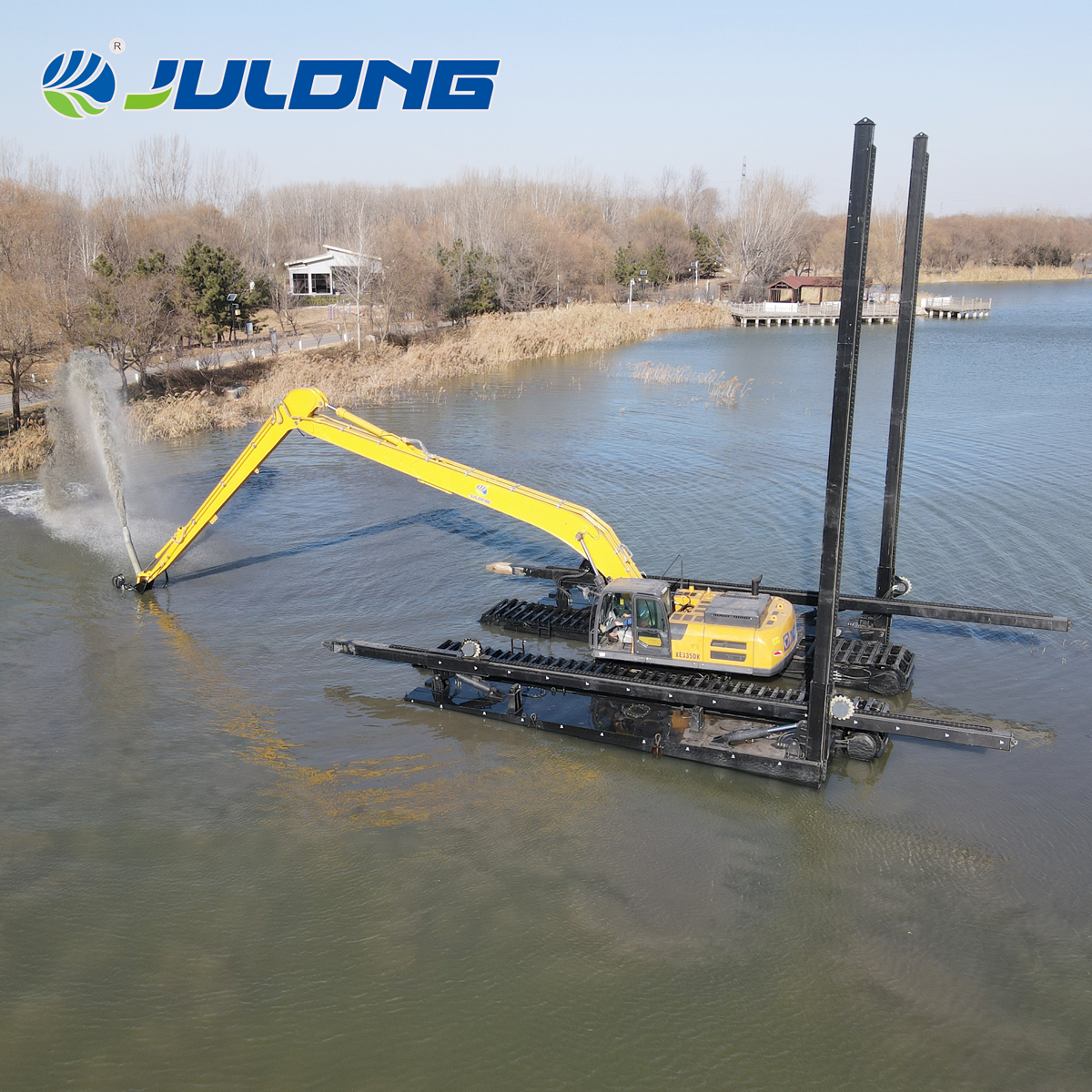
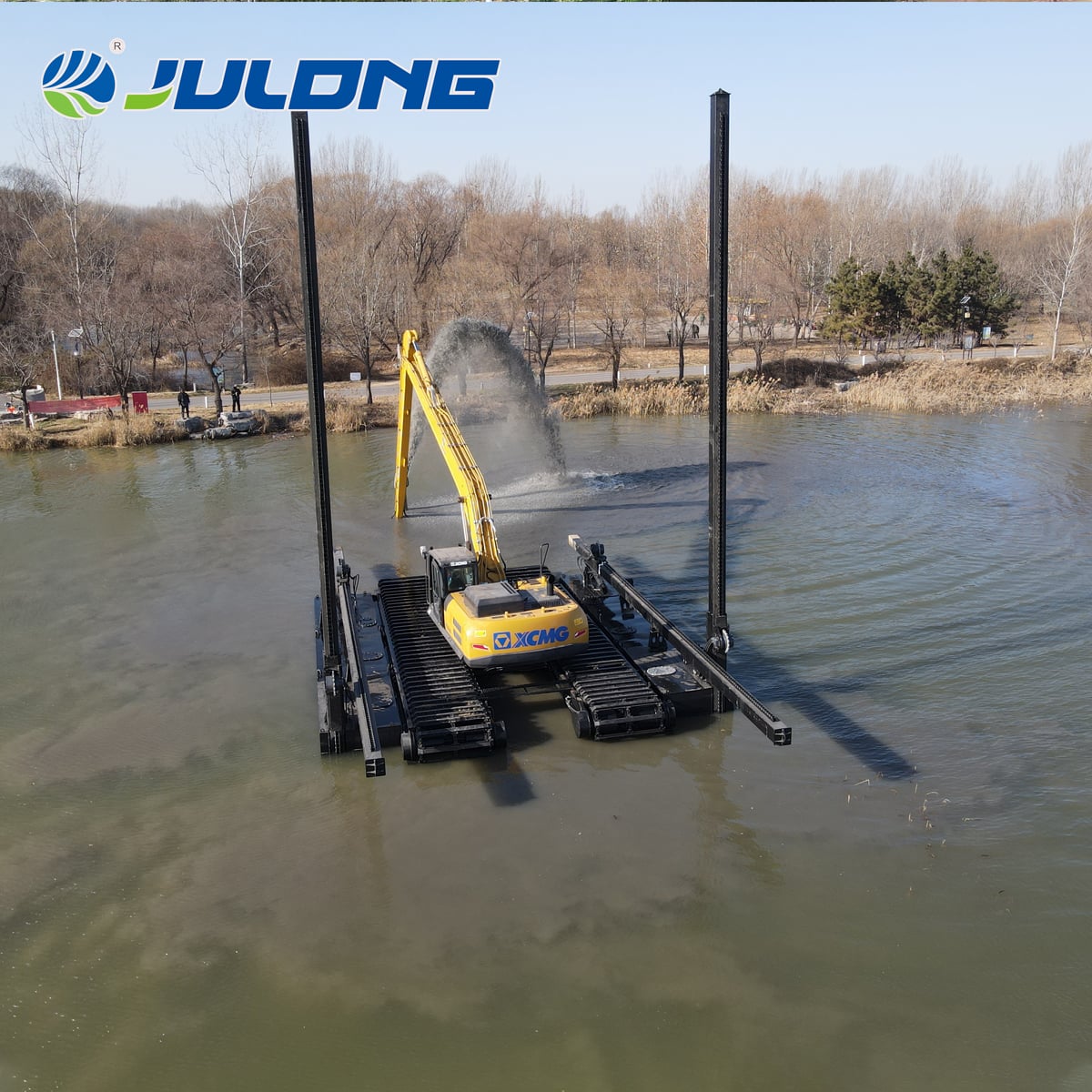
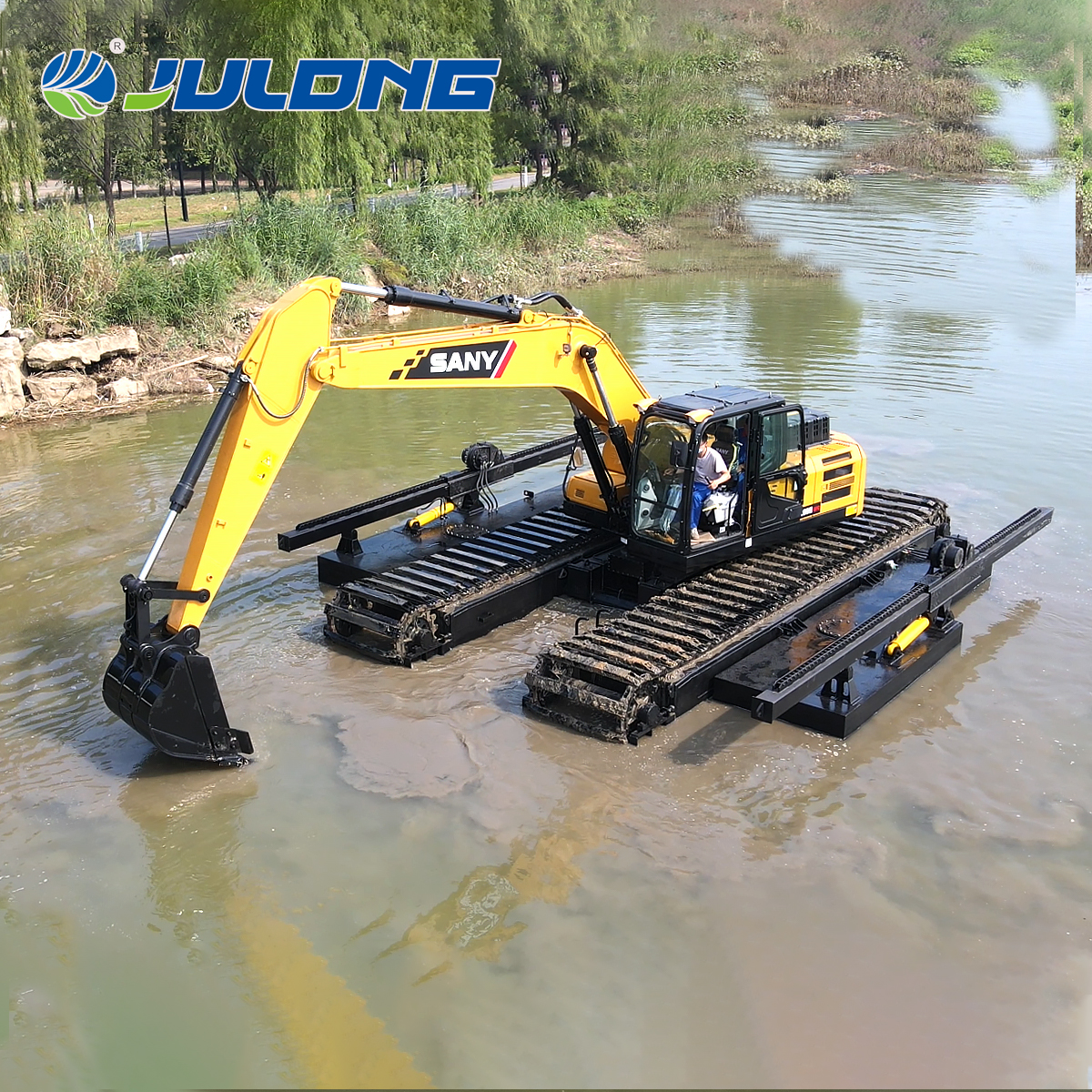
An amphibious excavator is a versatile machine designed for operations in challenging  environments  such as wetlands, rivers,  lakes, and other aquatic settings. It  combines the  functionalities of  traditional excavators with  the  capability to  operate on  both land and  water. For B2B  buyers—such as purchasing managers, engineers, and project  managers—understanding the critical specifications,  sourcing reliable suppliers, addressing installation challenges, and evaluating  cost factors are essential for making informed decisions. This  article aims to provide comprehensive  insights into these aspects, equipping you with the knowledge  needed to navigate  the purchasing process  effectively.

Finding Reliable Suppliers of Amphibious Excavators

Finding Reliable Suppliers of Amphibious Excavators

Identifying a reliable supplier for amphibious excavators is critical for ensuring quality and support throughout the  purchasing process.  Here are key strategies to  find trustworthy manufacturers:


Industry Certifications: Look for suppliers with  relevant certifications, such as  ISO and CE. These certifications indicate adherence to quality management standards and safety regulations.


Experience and Reputation: Evaluate the supplier’s experience in the industry and their track record with similar projects. A supplier with a strong reputation in the market often reflects their reliability.

Product  Range: Assess whether the supplier offers a variety of models  and options. A diverse product range often indicates a manufacturer’s capability for  customization, which can be  beneficial for specific project requirements. For instance, suppliers who offer Multi-Function Work Boats may have more versatile options.

Customer Reviews and Case  Studies: Investigate customer testimonials and  case studies to  gauge past performance. Positive feedback from other businesses can provide insights into the supplier’s reliability and product  quality.

Post-Purchase Support: Inquire about after-sales support, including maintenance  services and warranty options. Reliable suppliers  should offer comprehensive  support to address any issues that arise post-purchase.

By  focusing on these factors, buyers can identify suppliers that are not only able to provide high-quality amphibious excavators but  also support their specific needs throughout the project lifecycle.

Common Installation Challenges for Amphibious Excavators and Solutions

Common Installation Challenges for Amphibious Excavators and Solutions

Installing amphibious excavators can present unique challenges due  to their operational environments. Here are some  common  challenges and potential solutions:

Terrain  Compatibility: Amphibious excavators may encounter  varying soil types and water depths,  which can affect stability during installation. Conducting a thorough site assessment before installation  can  help identify potential challenges and allow for necessary adjustments.

Transportation to Site: Transporting heavy equipment to  remote or difficult-to-access locations  can complicate installation. Planning logistics in  advance,  including route assessment and transportation methods, can mitigate delays and ensure timely delivery.


Hydraulic Connections: Ensuring proper hydraulic connections is critical for functional  performance. A  detailed review of hydraulic  schematics and testing connections before full operation  can prevent leaks or malfunctions.

Operator Training: Proper training for operators is essential to maximize the excavator's capabilities and ensure safe operation. Providing  comprehensive training  sessions  before installation can help mitigate operational errors.

By anticipating these challenges and implementing proactive solutions, buyers can facilitate smoother installations and enhance the operational efficiency of their amphibious excavators.

Understanding Cost Factors in Amphibious Excavator Purchases

Understanding Cost Factors in Amphibious Excavator Purchases

Cost is a significant consideration when purchasing amphibious excavators, and several factors can influence the overall price:


Specifications and Customization: Higher specifications, such  as engine  power  and advanced hydraulic systems, will typically increase the base price. Customization options to meet specific project needs can also add to the cost, so it’s essential to balance requirements with  budget constraints.

Supplier Relationships: Establishing long-term relationships with suppliers may lead to better pricing and payment terms. Consider negotiating bulk  purchase discounts  or exploring financing options for larger projects.

Shipping and Handling: Transportation costs can vary significantly based on distance, weight,  and logistics. Buyers should factor in these costs when  budgeting for an amphibious excavator,  especially for international shipments.

Maintenance and Operating Costs: Beyond  the initial purchase price, consider long-term maintenance  and  operational costs. Efficient maintenance practices can help reduce these costs and  extend the  machine's lifespan.

Market Demand: Fluctuations in demand for construction and dredging equipment can impact pricing. Staying informed about market trends can assist buyers in making  timely  purchasing decisions that  align with budget expectations.

By understanding these  cost factors, buyers can approach their purchasing  decisions with a comprehensive view of financial implications, ensuring they make informed choices that align with their budgets.

Applications of Amphibious Excavators in Environmental Projects

Amphibious excavators play a pivotal role in various environmental projects, providing unique capabilities for challenging tasks. Common applications include:

Dredging and Sediment Removal: Amphibious excavators are essential for dredging operations in rivers and lakes,  allowing for efficient sediment removal without damaging surrounding ecosystems. Their versatility  enables  them to operate in shallow  waters where traditional dredgers cannot.

Wetland Restoration: These excavators are frequently used in wetland restoration projects to clear  invasive species and  assist in habitat rehabilitation. Their ability to traverse both land and water allows for more  efficient project execution and  minimal environmental impact.

Flood Control: Amphibious excavators  can be employed for flood mitigation by maintaining waterways and  removing  obstructions. Their operational flexibility makes them well-suited for rapidly changing conditions in flood-prone areas.

Construction of Water-Related Infrastructure: In projects involving bridges, docks, or waterfront facilities, amphibious excavators provide the necessary support for excavation and construction tasks  in  aquatic environments.

Environmental Monitoring:  These machines can also support environmental monitoring efforts  by accessing  hard-to-reach locations for sampling and data collection, contributing to  better environmental management practices.

Incorporating amphibious excavators  into environmental projects not only enhances operational efficiency but also supports sustainable practices in sensitive ecological areas. Understanding these applications will empower buyers to leverage these machines  effectively in their projects.

Key Specifications to Consider When Sourcing Amphibious Excavators

When sourcing amphibious excavators, several key specifications  should  be prioritized to ensure  the machine meets project requirements.

Operating Weight: The operating weight impacts stability and the type of terrain  the excavator  can handle. A heavier machine may be more  stable on soft ground but could be limited in mobility.

Engine Power: Look  for specifications regarding engine horsepower and torque, as these affect the excavator's performance. Higher power is essential for demanding tasks, particularly in  challenging environments.

Boom Length and  Reach: The boom length and  reach dictate the excavator's  working range. Ensure the specifications  align with the specific projects,  as certain tasks may require extended reach  or depth capabilities.

Track Design: Amphibious excavators feature specialized  tracks for transitioning  between water and land.  Consider the track width and material, as these factors influence flotation, traction, and durability.

Hydraulic System: The hydraulic system's efficiency and capacity are essential for performance. Look for details on pump capacity and flow rate, as these influence attachment compatibility and overall operational efficiency. Choosing the right Amphibious Equipment can also enhance your operational capabilities.

Understanding these specifications will facilitate a more informed purchasing decision and help ensure that the chosen amphibious excavator is suited to the intended applications.


Frequently Asked Questions

What is an amphibious excavator used for?

An amphibious excavator is designed for dredging, river, lake, wetland and port projects where machines must operate on soft ground and shallow water to remove sediment, build channels, or maintain banks.
Our machines are manufactured under ISO and CE standards, ensuring quality control, safety compliance, and reliable performance for international projects.
Suitable for marshes, swamps, shallow waters, riverbanks, lakebeds and soft soils where standard excavators cannot safely operate.
We offer technical support, parts supply, maintenance guidance, and global service coordination from our facility to ensure uptime and long-term operation.
Yes. We provide configuration options for reach, engine power, pontoons, attachments and control systems to match specific dredging, lifting, and excavation requirements.

Get a Free Quote

Our representative will contact you soon.
0/1000