Key Specifications for Amphibious Mini Excavators

application/amphibious-mini-excavator, application/amphibious-mini-excavator, 
Inquiry
Inquiry

amphibious mini excavator

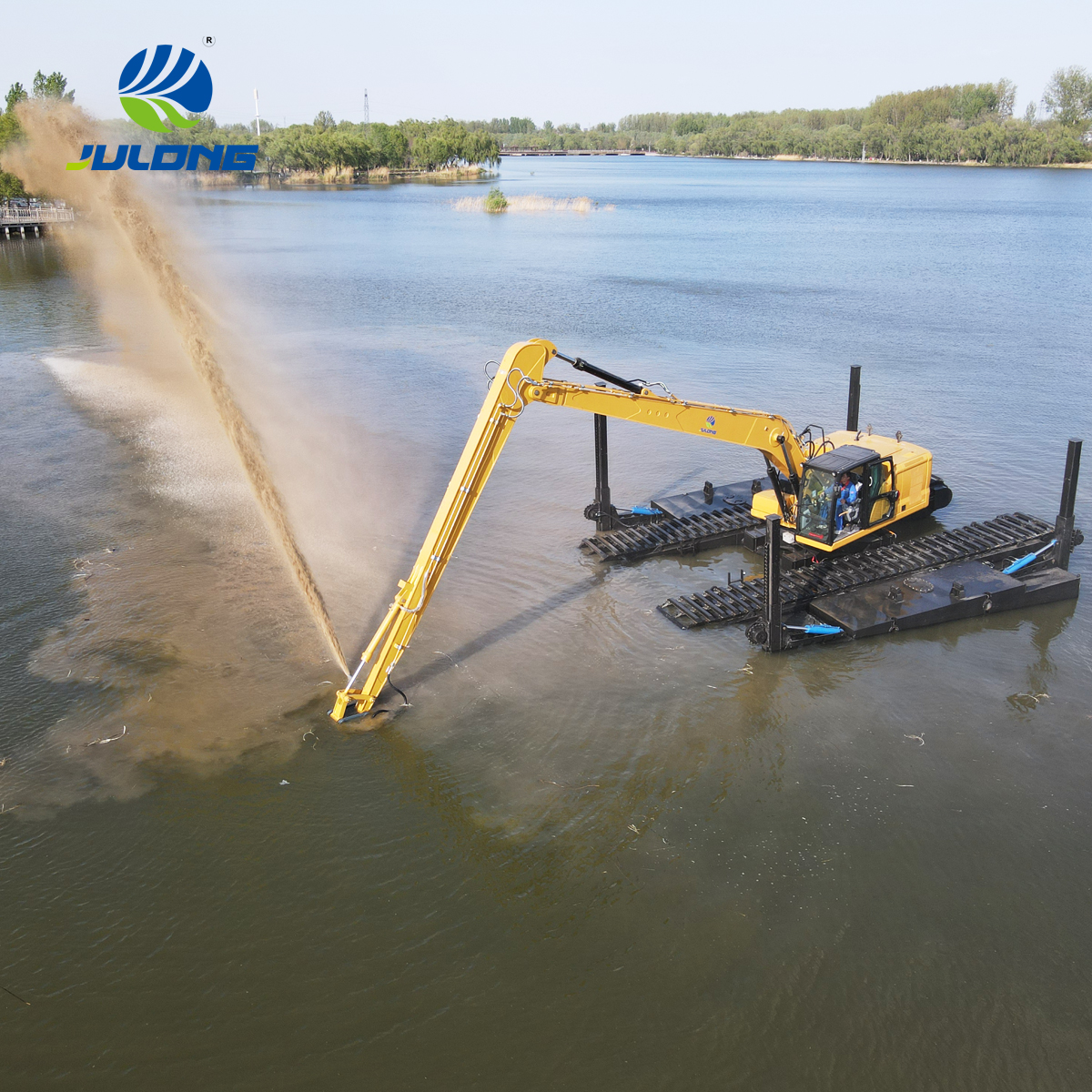
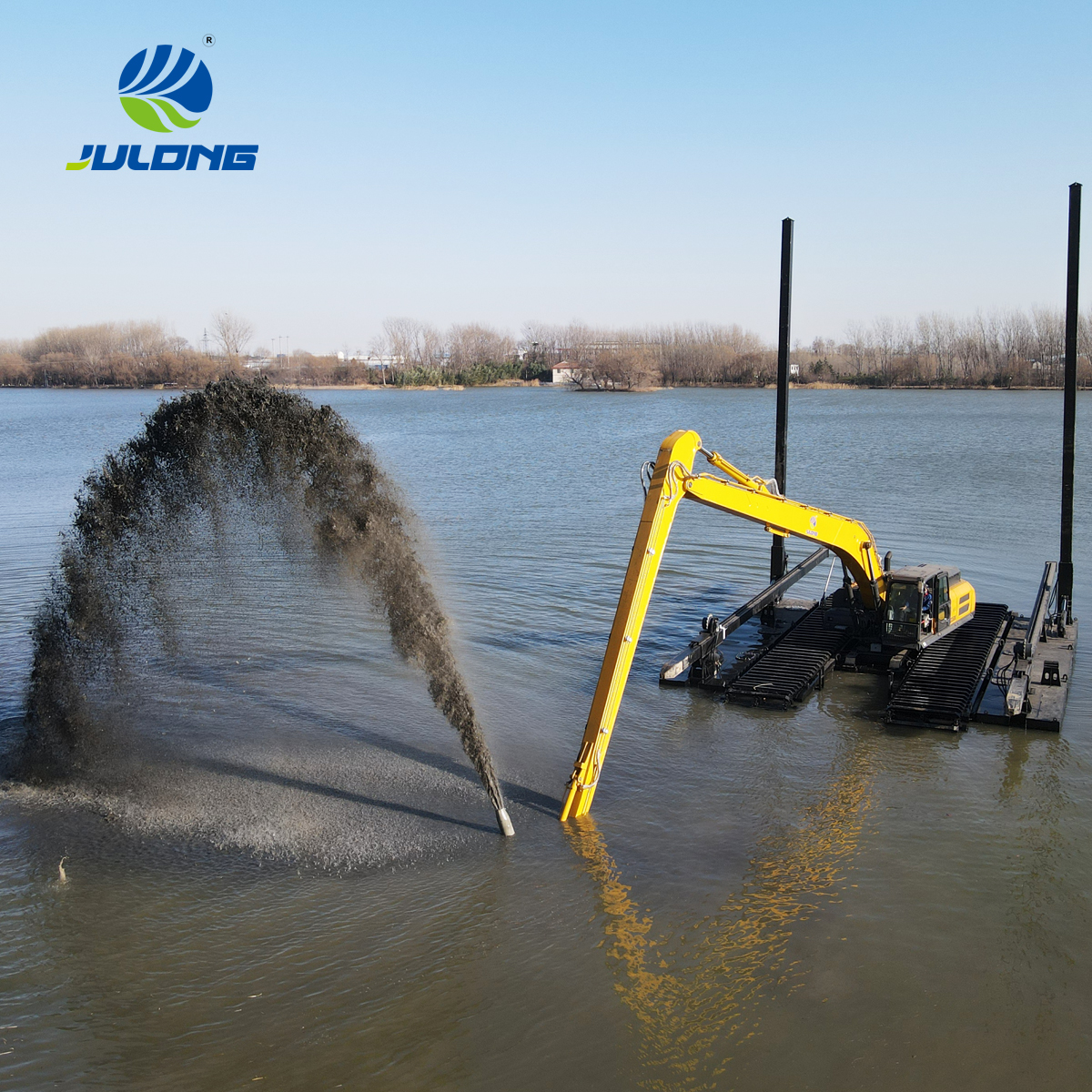
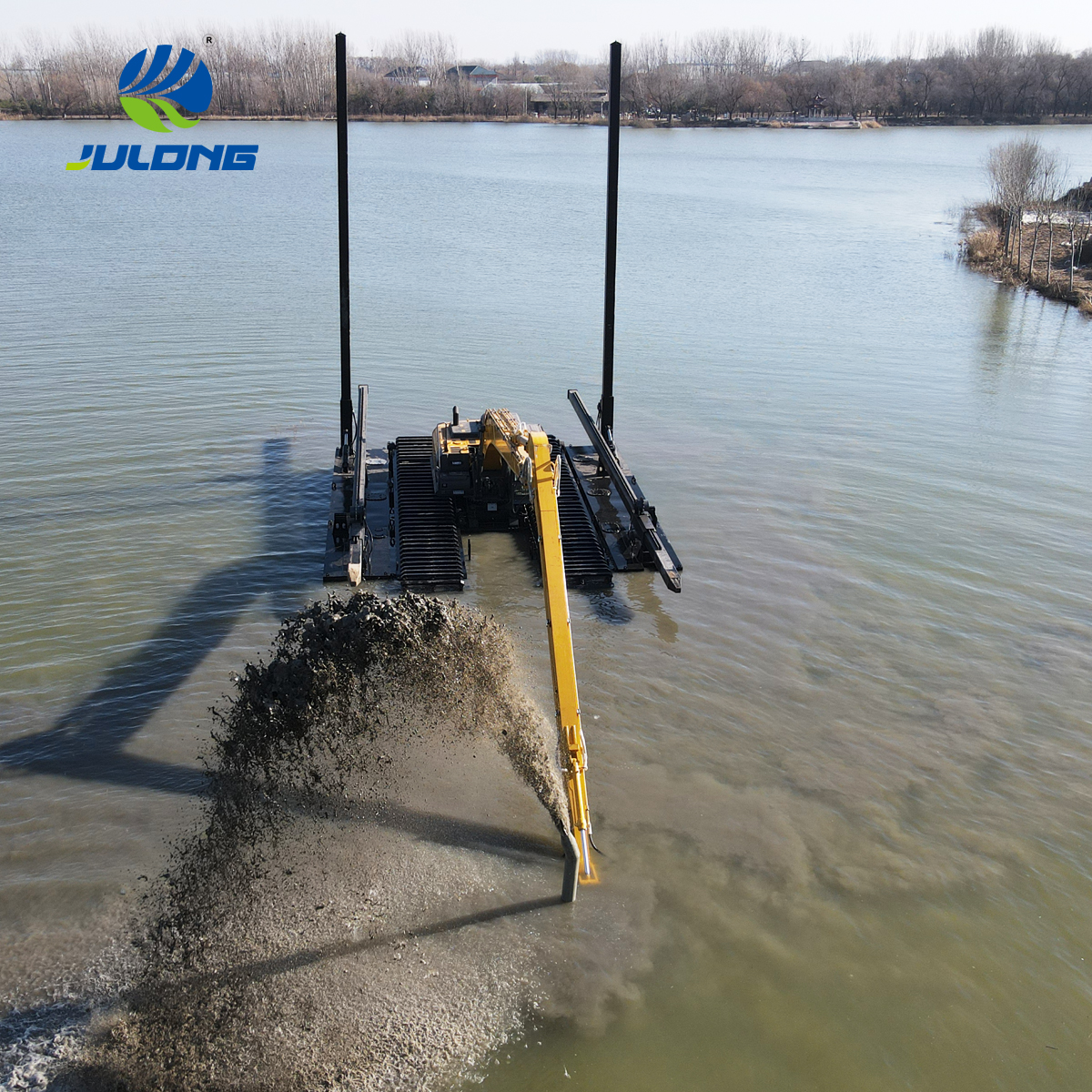
Amphibious mini excavators are  specialized machines designed to operate  on both  land and water, making them ideal for projects  involving wetlands, riverbanks, and  other challenging terrains. As a B2B buyer, you may  be  focused on several  key concerns, such as  the equipment's specifications,  application  suitability, potential problems, and installation guidance. This article  will  provide you  with essential  insights into  evaluating amphibious  mini excavators, helping you make  informed purchasing  decisions.

 
Common Problems with Amphibious Mini Excavators and Solutions

Common Problems with Amphibious Mini Excavators and Solutions

While amphibious mini excavators are  designed for  tough  environments, they can encounter issues that may  impact performance. Here  are some common problems and suggested solutions:

Hydraulic Leaks: Leaks in the hydraulic system can lead to reduced efficiency. Regular maintenance and inspections are crucial for identifying and addressing leaks before they escalate.

Track Wear: Operating  on abrasive surfaces can accelerate track wear.  Choosing high-quality, durable  materials for tracks can mitigate this issue. Regular inspections should be  conducted  to assess track condition and replace them as necessary.

Engine Overheating: Extended use in hot conditions can cause engine overheating. Ensure that the cooling system is functioning correctly and consider operating the machine at lower capacities  during extreme heat.


Stability Issues: In soft, muddy terrain, the excavator may become unstable. Using wider tracks or adding flotation devices can enhance stability  and prevent tipping.

Attachment Compatibility: Some attachments may not  work well with specific models. Confirming  compatibility with the manufacturer  before purchase can save time and  reduce operational disruptions.

By being aware of these potential issues, buyers can take proactive measures to ensure  the longevity and reliability of their amphibious mini  excavator.

Installation Guidance for Your Amphibious Mini Excavator

Installation Guidance for Your Amphibious Mini Excavator

Proper installation is critical for maximizing the performance  of  your amphibious mini excavator. Here are steps to follow:

Site Preparation: Ensure the installation site  is cleared  of debris and level. This preparation will facilitate better access and operation.

Assembly: Follow the manufacturer's assembly instructions carefully. Ensure that all components,  including tracks and attachments, are installed correctly to  avoid operational issues.

Safety Checks: Conduct thorough  safety checks, including verifying  the function of safety features such as emergency  shut-off mechanisms, before operating the machine.

Training: Ensure that operators are  trained on the specific model being used. Familiarity with controls  and safety protocols can prevent  accidents and enhance efficiency.

Initial  Operation: Perform a test run in a controlled  environment to ensure all systems are functional. Monitor for any  irregularities, and consult the manufacturer if issues arise.

Following these guidelines can  help streamline the installation  process and  reduce the likelihood  of operational disruptions.

What to Look For

What to Look For

When evaluating amphibious mini excavators from different suppliers, there are several factors beyond specifications  to consider:

Manufacturer Reputation: Research the  manufacturer's history, quality control processes, and customer reviews. A reputable manufacturer like Qingzhou JULONG Environmental  Technology Co., Ltd. can provide confidence in the quality  and reliability of their products.


Warranty and  Support: Check the warranty terms and after-sales support offered by the supplier.  A robust warranty can protect your investment and provide peace of mind.


Customization Capabilities: If your  project requires specific features, ensure that the  manufacturer can accommodate customization  requests.  This flexibility can enhance the machine's applicability for  your requirements.

Lead Time: Understand the lead time for production and delivery. This information is especially critical for time-sensitive projects.

Compliance with Standards: Confirm that the excavator complies with relevant  industry  standards and regulations,  including ISO and CE  certifications, to  ensure safety and quality.

By focusing on these aspects,  you can better assess suppliers and make informed decisions that align with your operational needs.

Advantages of Using Amphibious Mini Excavators in Diverse Environments

Amphibious mini excavators offer distinct  advantages  in various applications, including:

Versatility: These machines can operate in both wet and dry conditions, making  them suitable for projects such as  dredging, landscaping, and construction in flood-prone areas. For instance, models like the JLCSD700 Cutter Suction Dredger are particularly effective in these scenarios.

Reduced  Environmental Impact: Their design  minimizes soil compaction and  disturbance, making them ideal  for sensitive ecological areas. This feature is particularly crucial for projects involving wetlands and  natural habitats.

Increased Efficiency: The ability to  work on different terrains without  needing to switch equipment can streamline  operations and reduce project  timelines.

Enhanced  Stability: The floating track design provides better weight distribution, allowing  for stable operation in soft or uneven ground conditions.

Custom Attachment Options: Many amphibious mini excavators can be  equipped with various attachments, such as grapples, buckets, or augers, enhancing their functionality  for  specific tasks.

By leveraging these advantages, businesses can optimize their project efficiency and ensure that their equipment can handle diverse  environmental challenges.

In summary, understanding the specifications, common issues, installation guidance, evaluation criteria, and advantages of amphibious mini excavators will empower you to make a well-informed  purchase that meets your operational demands.

Key Specifications to Evaluate in Amphibious Mini Excavators

When selecting an amphibious mini excavator, several specifications should be prioritized to ensure it meets your project needs. Key factors to consider include:


Operating Weight: The weight of the excavator affects its stability and performance. A heavier  machine may provide better traction in muddy conditions, while a lighter model can be more maneuverable.

Digging Depth and Reach: Knowing the maximum digging depth and reach is critical for determining whether the excavator  can handle your specific tasks. Ensure the excavator's  capabilities  align  with your project requirements.

Engine Power: A  powerful  engine contributes to better performance, especially in challenging environments. Assess  the horsepower and fuel  efficiency, as these factors can significantly  impact operational costs.

Track Design: Amphibious mini excavators typically feature wide, floating tracks that distribute weight and provide stability. The  track material and design should  be suitable for the terrain you'll be  working on.

Hydraulic System: The hydraulic performance influences the excavator's lifting and digging capabilities. Check the flow rate, pressure, and the number of hydraulic  functions  available for  attachments.

Customization Options: Some manufacturers offer customization features, such as different bucket sizes or  specialized attachments, which can enhance the excavator's versatility for your specific applications. For instance, a model like the JLWB1600 Multi-function Work Boat can provide additional options for dredging tasks.

Understanding these specifications enables you  to compare different models effectively and select one that aligns with your operational  needs.

Frequently Asked Questions

What is the amphibious mini excavator used for?

Designed for river, lake, marsh, and port projects; it performs dredging, bank work, vegetation clearing, and shallow-water excavation where conventional machines cannot operate.
Our products are ISO and CE certified, manufactured in a 12,000 m² facility with quality control processes to ensure durability and reliable field performance.
Compact size allows road transport on standard trailers; modular design and quick-attach pontoons enable fast onsite assembly and deployment by a small crew.
Yes — we provide model customization, optional attachments, and global spare parts support. We supply manuals and remote technical assistance to minimize downtime.
We offer warranty terms, pre-delivery inspection, commissioning support, and technical training. Long-term maintenance plans and global service coordination are available for customers.

Get a Free Quote

Our representative will contact you soon.
0/1000