Reliable Floating Diggers for Efficient Dredging

application/floating-digger, application/floating-digger, 
Inquiry
Inquiry

floating digger

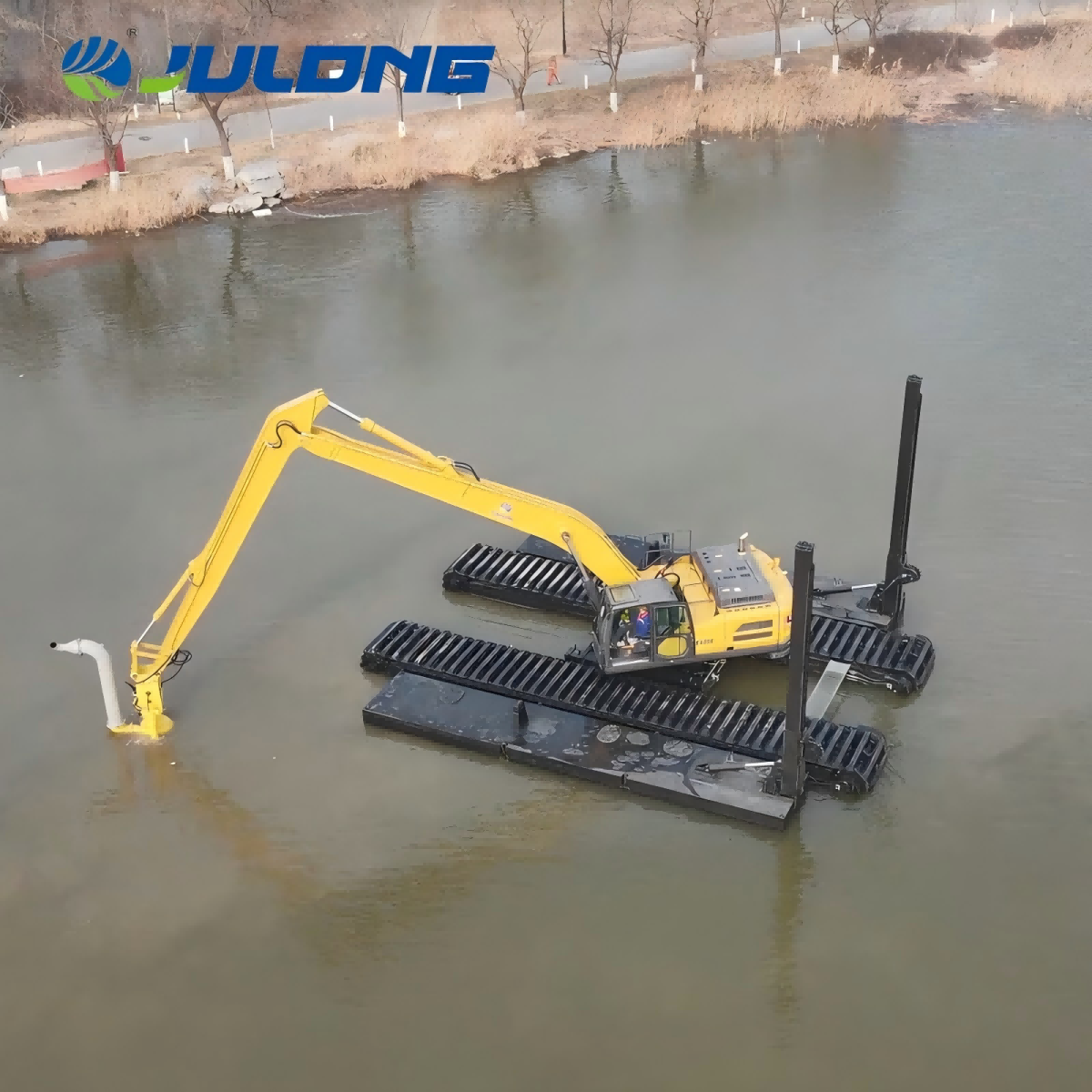
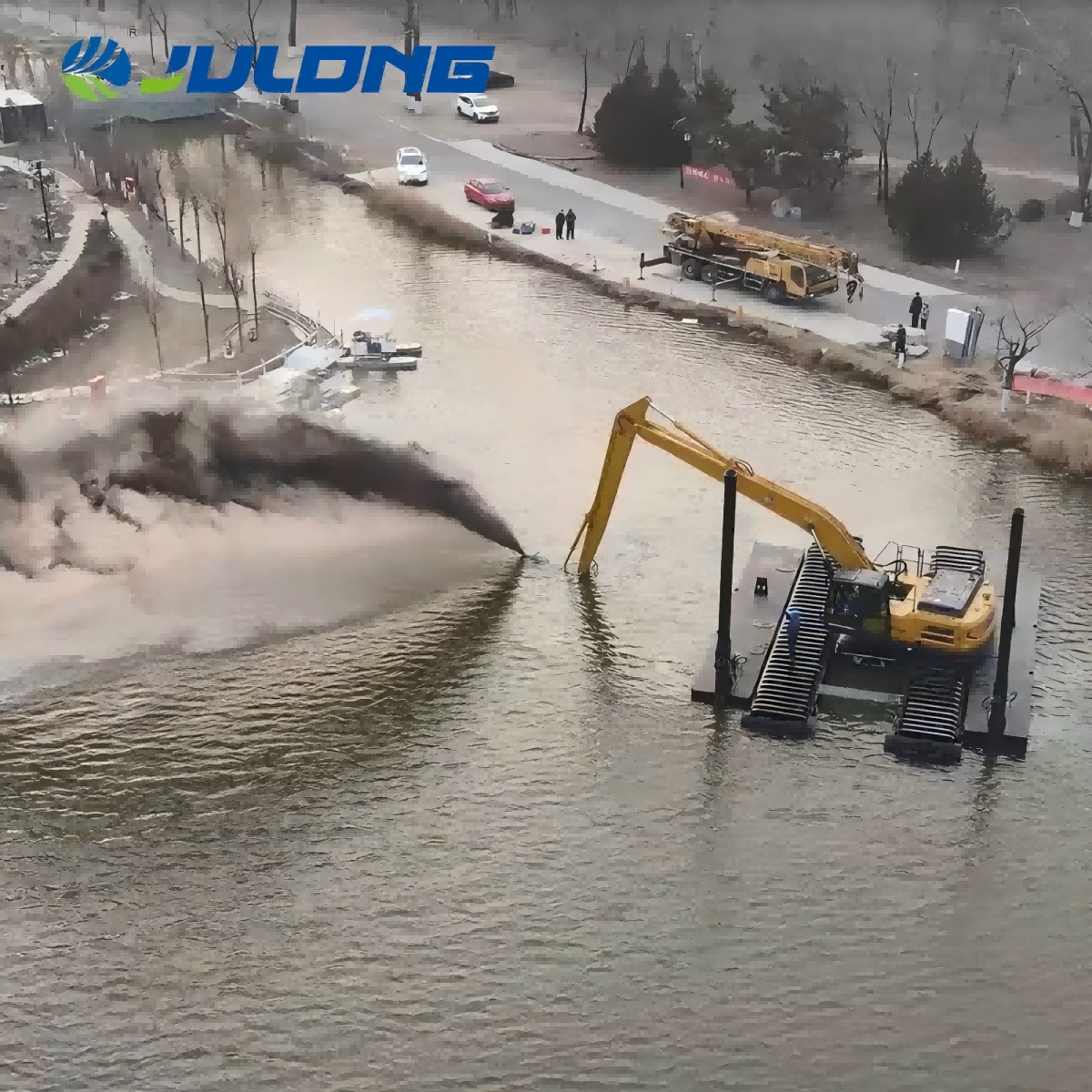
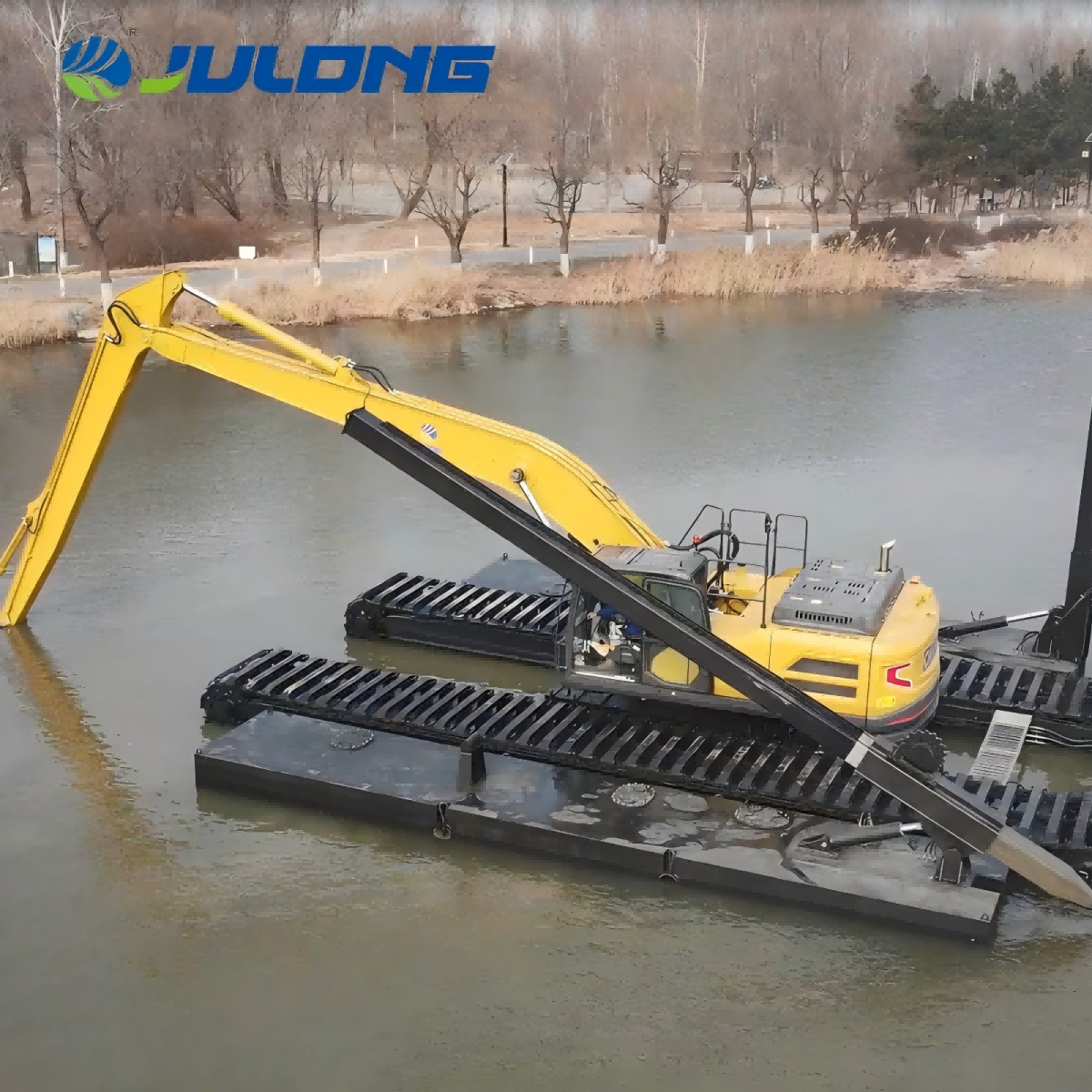
Floating  diggers are specialized  equipment designed for efficient excavation  and dredging  operations in aquatic environments such as  rivers,  lakes, and ports. As a B2B buyer, your primary  concerns may  include performance reliability,  durability,  and suitability  for specific  applications.  This  article will delve  into essential aspects of floating  diggers, including bulk order options, key specifications, quality evaluation, and  common issues with solutions. Understanding these factors  will empower you  to make  informed purchasing decisions.

What to Look for When Sourcing Diggers

What to Look for When Sourcing Diggers

When sourcing floating diggers, prioritize several key  factors to ensure you select the right equipment for your application. First, consider the digger's design and capabilities.  Features such as  suction depth, digging width, and  operational speed are critical to matching the  equipment with the intended application. For  instance, if you are working  in  deeper waters, a dredger with  a longer suction pipe will enhance efficiency. You may also find that utilizing an Aquatic Cleaning Boat can complement your dredging efforts.

Secondly, evaluate  the materials used in construction. High-quality floating diggers should be made from  corrosion-resistant materials  to withstand harsh aquatic conditions. Steel frames with protective coatings or aluminum designs are common choices. Assessing the equipment's durability  will help mitigate the risks of downtime  and costly repairs.

Lastly, inquire about  the manufacturer's certifications, such as ISO and CE,  which indicate  adherence to international quality standards. This ensures  that the equipment not only  meets performance  expectations but is also safe for operation.

Key Specifications of High-Quality Floating Diggers Explained

Key Specifications of High-Quality Floating Diggers Explained

Understanding the key specifications of floating diggers is essential for making an informed purchase. Here  are some critical specifications to consider:

Suction Depth: This indicates how deep the digger can operate under  water. A deeper suction capability allows  for more  versatile  applications, from maintenance dredging to large-scale  excavation.

Engine Power: The power of the  engine affects the digger's operational efficiency. Higher horsepower typically translates to better performance  in challenging conditions, such as heavy sediment loads.

Digging  Width: This determines the volume of material that can be excavated in one pass. A wider digging width can improve productivity but may require a more  powerful engine.


Weight: The overall weight impacts the stability  and buoyancy of  the digger in water. It's  vital to ensure  that the weight aligns with the intended operational environment to avoid stability issues.

Material Specifications: As mentioned earlier, the choice of materials used in construction plays a  significant role in the longevity and reliability  of the equipment.  Corrosion-resistant coatings are particularly important for floating diggers, given their exposure to water.

Buyers should confirm these  specifications with  the manufacturer to ensure compatibility with their operational requirements.

How to Evaluate Floating Digger Quality Before Purchase

How to Evaluate Floating Digger Quality Before Purchase

Evaluating the quality of floating  diggers  is crucial  to avoid performance issues  and  costly repairs. Begin by requesting a sample or a demonstration of the digger in  operation. Observing the equipment in real  conditions will provide insight into its performance capabilities and build quality.

Next, review the manufacturer's quality control  processes. A reputable manufacturer  should have stringent quality assurance measures  in place, including routine inspections  and testing of materials  and components. Ask for documentation regarding  their manufacturing processes, as well as any quality certifications they hold.

Additionally,  consider seeking  feedback  from existing customers or case studies that highlight the equipment's performance in  similar applications.  This firsthand experience  can  provide valuable insights into reliability and efficiency.

Common Problems with Floating Diggers and Their Solutions

Floating diggers, like any  machinery, can encounter issues that may affect their performance.  Some common problems  include:


Clogged Suction Pipes: This can  occur due to excessive debris or sediment. Regular maintenance, including routine cleaning and  inspections, can mitigate this  issue. Implementing a pre-dredging survey to assess underwater conditions can also help anticipate potential blockages.

Engine Overheating: Overheating can lead to engine failure  if not addressed  promptly. Ensure that the  cooling system is functioning correctly and  consider using temperature sensors to monitor engine performance during operation.

Corrosion: Exposure to water can lead to corrosion, particularly in metal components. Periodic inspections and maintenance, along with the use of protective  coatings, can extend the lifespan of the equipment.

Buoyancy Issues: If the digger is not adequately buoyant, it may struggle to operate effectively. This can be caused by improper  weight distribution  or the  accumulation of water in equipment components. Ensuring proper loading and regular inspections can help maintain  buoyancy.

Understanding these potential problems and their solutions will help you maintain your floating  digger's performance and reduce downtime.


By addressing these aspects when considering floating diggers, you can ensure that your investment pays off in efficient, reliable performance suited to your  specific  applications.

Bulk Order Options for Reliable Floating Diggers

When considering bulk  orders for floating diggers, it's crucial to establish a clear understanding of your project's requirements, including specifications, quantities, and delivery timelines. Many manufacturers, like Qingzhou JULONG Environmental Technology  Co., Ltd.,  offer competitive pricing for bulk  purchases,  which can significantly reduce your overall project costs. Additionally, you might want to explore options like Multi-Function Work Boat to enhance your project capabilities.

Before placing a bulk  order,  inquire about the minimum order quantity  (MOQ) and potential discounts for larger quantities.  Additionally, confirm the manufacturing  lead times to ensure  that  your floating diggers arrive when  needed. This is particularly  important  for time-sensitive projects, such as seasonal dredging operations. Manufacturers may also  provide options  for  customized features, ensuring the equipment  meets specific  operational needs.

Frequently Asked Questions

What is a floating digger used for?

A floating digger is used for dredging, sediment removal, maintenance of rivers, lakes, and ports, and shallow water excavation to restore depth and improve navigation and water flow.
Designed for rivers, lakes, ports, marshes, and wetlands, it operates in shallow and soft-bottom waters where conventional equipment cannot reach.
Our floating diggers are built under ISO and CE standards, ensuring reliable manufacturing, safety, and performance for long-term projects.
We offer power, cutter heads, pump sizes, hull configurations, and control systems tailored to project depth, sediment type, and site conditions.
We provide installation guidance, spare parts, training, and technical support from our facility. We ship globally and assist with overseas servicing arrangements.

Get a Free Quote

Our representative will contact you soon.
0/1000