Amphibious Dredging Machine Specifications and Insights

application/amphibious-dredging-machine, application/amphibious-dredging-machine, 
Inquiry
Inquiry

amphibious dredging machine

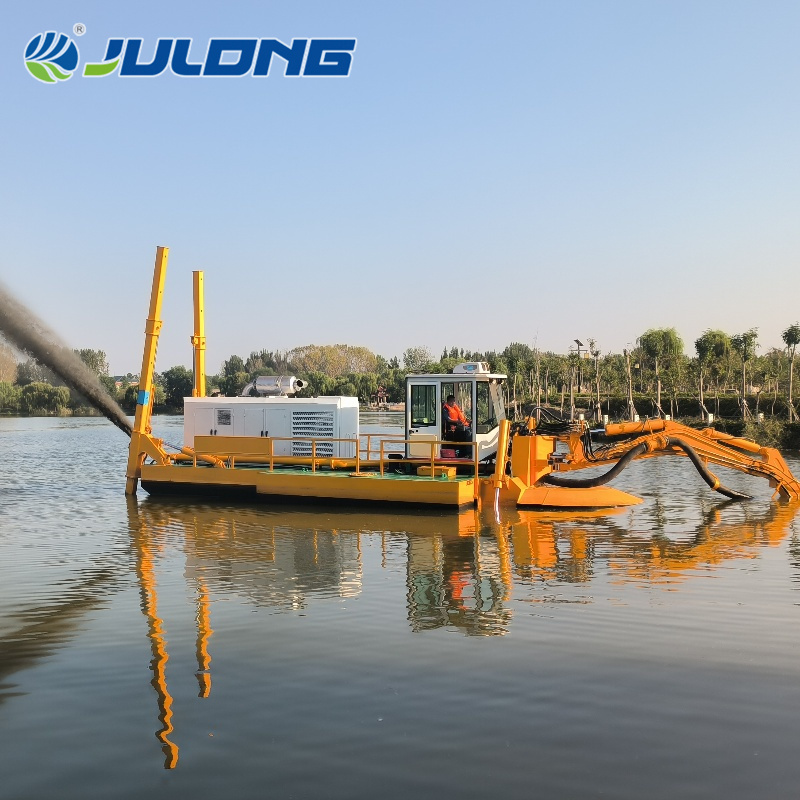
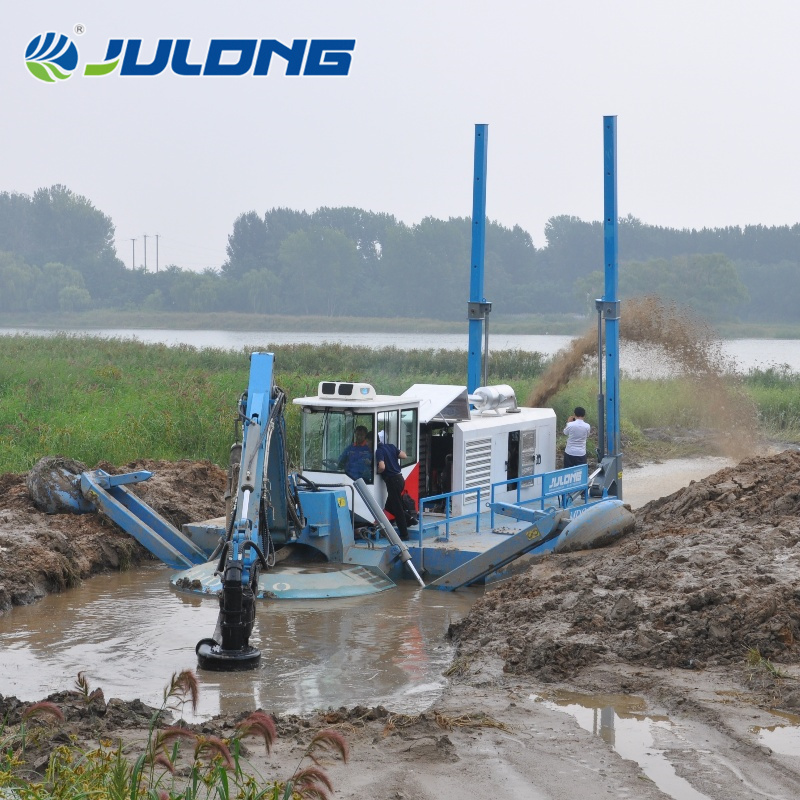
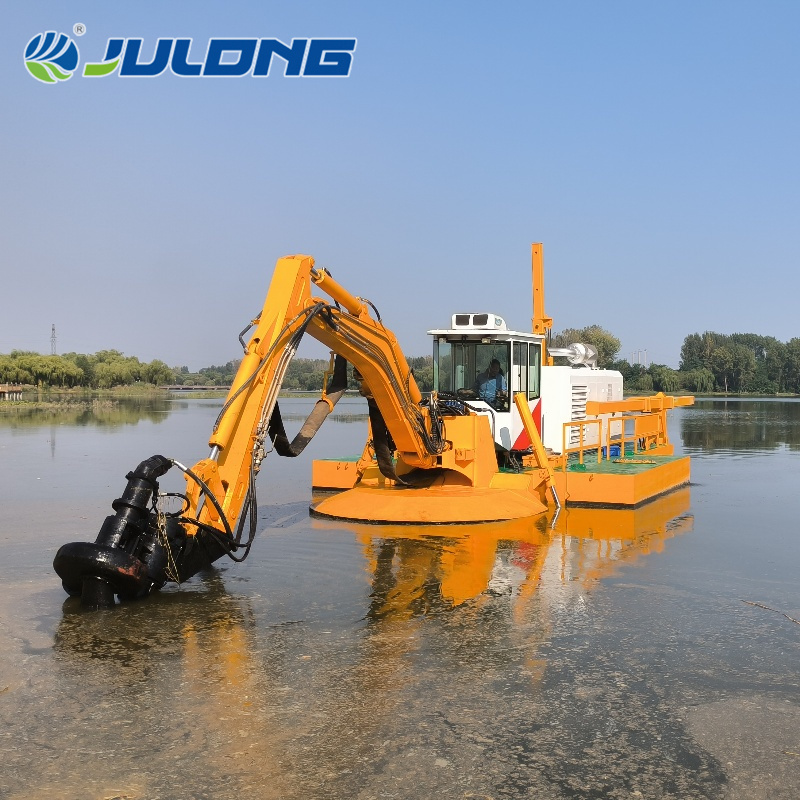
An  amphibious  dredging machine is a specialized piece of equipment designed for dredging tasks in challenging environments, such as  wetlands, shallow waters, and riverbanks. These machines  combine the capabilities of  traditional  dredgers with the versatility needed to  operate on  land and  in water. For B2B  buyers like purchasing managers, contractors, and engineers, understanding the specifications, features, and common issues associated  with amphibious dredging  machines is crucial for making informed purchasing decisions. This article will explore  key  aspects of these machines, including their specifications, what to look for when buying,  common  problems and their solutions, features and  benefits for contractors, and the  material advantages  in operations.

 
What to Look for in Amphibious Dredging Machines

What to Look for in Amphibious Dredging Machines

When evaluating  amphibious dredging machines, buyers should consider several factors to ensure they choose the right equipment for their projects:

Durability and Build Quality: Verify the materials used in construction. High-grade steel and corrosion-resistant components can significantly enhance the machine's lifespan, especially in harsh environments.


Customization Options: Some manufacturers offer customizable options for specific applications. Buyers should inquire about the possibility of tailoring features such as cutting head designs or additional attachments based on their project needs.

Operational Efficiency:  Look for machines that  promise high operational efficiency. This includes  fuel consumption rates and ease  of maintenance, as these factors can significantly impact overall costs.

Manufacturer Reputation:  Investigate  the manufacturer's reputation within the industry. A well-established company, like Qingzhou  JULONG Environmental Technology Co., Ltd., with a track record of serving numerous countries,  can  provide assurance of quality and support.

Warranty and  Support Services: Ensure that the machine  is backed by a comprehensive  warranty  and that the manufacturer offers reliable after-sales support, including spare parts availability and  maintenance services.

User-Friendly Controls: The machine should have intuitive controls that allow operators  to manage dredging operations efficiently. Consider options for remote control or automated systems for enhanced usability.

By  focusing on these  factors, buyers  can make informed decisions that align with their operational requirements.

Common Problems with Amphibious Dredgers and Their Solutions

Common Problems with Amphibious Dredgers and Their Solutions

Amphibious dredging machines, while robust, can encounter specific problems during operation. Awareness of these issues and their solutions  can help buyers  prepare  effectively:


Clogging of the  Cutting Head: This is a common issue, especially in areas with heavy vegetation or soft sediments. Regular maintenance and the installation of  a cutting head with a self-cleaning design can mitigate this problem.

Hydraulic System Failures: Hydraulic failures  can lead to reduced performance. Regular inspection  of hydraulic hoses and connections, along with  adherence  to maintenance schedules, can prevent leaks and pressure losses.

Track Wear and Tear: Prolonged use in abrasive conditions can accelerate track wear. Selecting machines  with heavy-duty tracks and scheduling regular  inspections can extend their lifespan.

Engine  Overheating: Operating in high-temperature conditions or under heavy loads can cause engines to  overheat. Ensuring proper ventilation  and cooling systems are  in place is crucial  for preventing engine damage.

Stability Issues: Stability can be compromised in uneven terrain. Buyers  should ensure  that the machine's weight distribution is suitable for its intended operational environment.

Addressing these  common issues proactively can enhance the reliability and efficiency of amphibious dredging machines.

Features and Benefits for Contractors

Features and Benefits for Contractors

Contractors  can  derive  numerous benefits from using  amphibious dredging machines in their projects:

Versatile Operation: These machines  can operate on both land and water,  allowing contractors to tackle a variety of projects, from dredging waterways  to clearing wetlands.

Reduced Environmental Impact: Amphibious dredgers can be less disruptive to surrounding environments, making  them  ideal for eco-sensitive projects.

Cost Efficiency: With the ability to operate  in challenging conditions, these machines can  reduce the need for additional equipment, thus lowering overall  project costs.

Enhanced Productivity: The  speed and  efficiency of  amphibious dredgers can lead  to quicker project completion times, benefiting contractors in terms of scheduling  and resource management.

Improved Safety Features: Many modern amphibious dredgers  come equipped with advanced safety features, such as emergency shut-off systems and operator protection measures, which enhance on-site safety.

By leveraging these features, contractors can  enhance  their operational capabilities and deliver better project outcomes.

Material Advantages of Amphibious Dredging Machines in Operations

The  materials used in amphibious dredging machines significantly influence their performance and durability:

Corrosion-Resistant Steel: Many amphibious dredgers are made from  high-quality, corrosion-resistant steel,  which ensures longevity, especially in aquatic environments  where exposure to  water and sediments  is frequent.

High-Strength Components: Utilizing high-strength materials in critical  components, such as the cutting  head and tracks, enhances the machine's ability to handle tough conditions  without compromising performance.

Lightweight Alloys: Some manufacturers may  incorporate lightweight alloys in  non-structural components to improve maneuverability without sacrificing strength.


Composite Materials: In certain applications, composite materials can be used for specific  parts to reduce weight while providing necessary strength and resistance to wear.

Maintenance-Friendly Materials: The  use of materials that are easy to clean and  maintain can significantly reduce downtime and operational  costs.

Understanding the material advantages of  these machines helps buyers ensure they  select  equipment that meets their operational demands  while also providing long-term reliability. For example, the JLCSD700 Cutter Suction Dredger exemplifies high-quality construction that enhances durability.

Amphibious Dredging Machine Specifications for Wholesale Buyers

When considering amphibious dredging machines, wholesale buyers should focus on several critical specifications. Key specifications include:

Engine Power: The engine's horsepower affects the dredging capacity and operational efficiency. Higher horsepower can enable faster dredging and transport of materials.

Dredging Depth and Width: Buyers need to determine the required dredging depth and width, as these specifications  will dictate the machine's ability to perform in specific applications.


Weight Capacity: The  machine's weight capacity is essential for ensuring it  can handle the  materials  being  dredged without  compromising stability or performance.

Mobility Features: Look for specifications related to the machine's mobility, including the type of  tracks or wheels used. Amphibious dredgers  should  be equipped with wide  tracks or specialized wheels for optimal performance in muddy or uneven terrain.

Cutting Head Design: The design of the cutting head  can significantly influence  the machine's efficiency.  Options  may include different blade types or configurations suitable  for various sediment types.

Hydraulic System Specifications: The hydraulic system's efficiency is vital for the machine's operation. Buyers should inquire about the flow rate and pressure ratings.

Understanding these specifications helps ensure that buyers  select the right amphibious dredging machine for  their specific needs. For instance, the JLWB1600 Multi-function Work Boat is an excellent option that combines various functionalities suitable for different projects.

Frequently Asked Questions

What is an amphibious dredging machine used for?

It performs dredging, sediment removal, and site preparation in rivers, lakes, wetlands, and shallow coastal areas where both land and water access are required.
We provide various cutter suction and amphibious dredger models with customizable power, width, draft, and attachment options to suit project needs.
Our machines are manufactured in a 12,000 m² facility and come with ISO and CE certifications, ensuring reliable build quality and compliance with international standards.
We offer technical support, installation guidance, operator training, and global spare parts supply to maintain uptime and optimal performance.
Contact our sales team with project details (site conditions, required depth, capacity). We will provide a tailored quotation and technical proposal.

Get a Free Quote

Our representative will contact you soon.
0/1000