Essential Guide to Plain Suction Dredgers

application/plain-suction-dredger, application/plain-suction-dredger, 
Inquiry
Inquiry

plain suction dredger

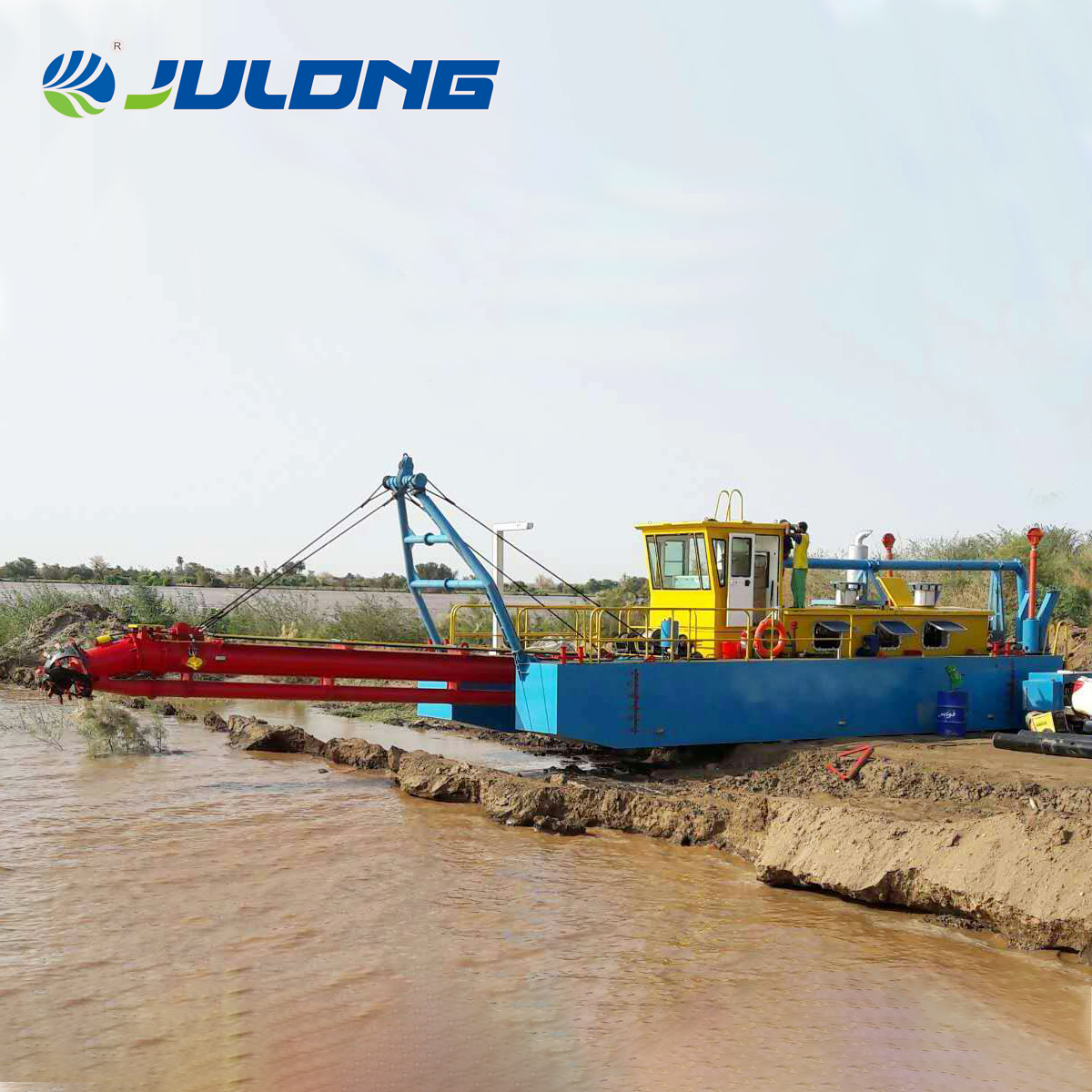
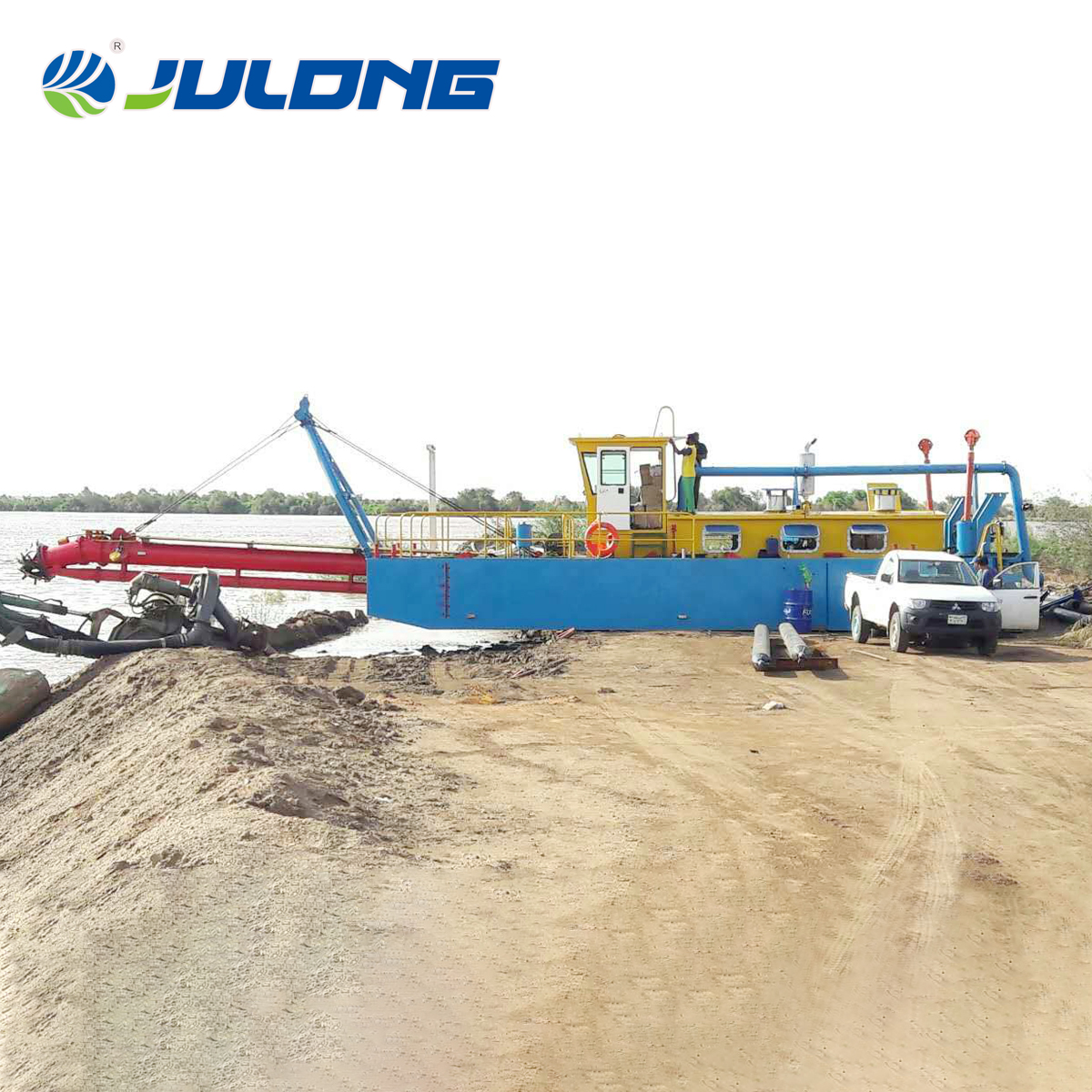
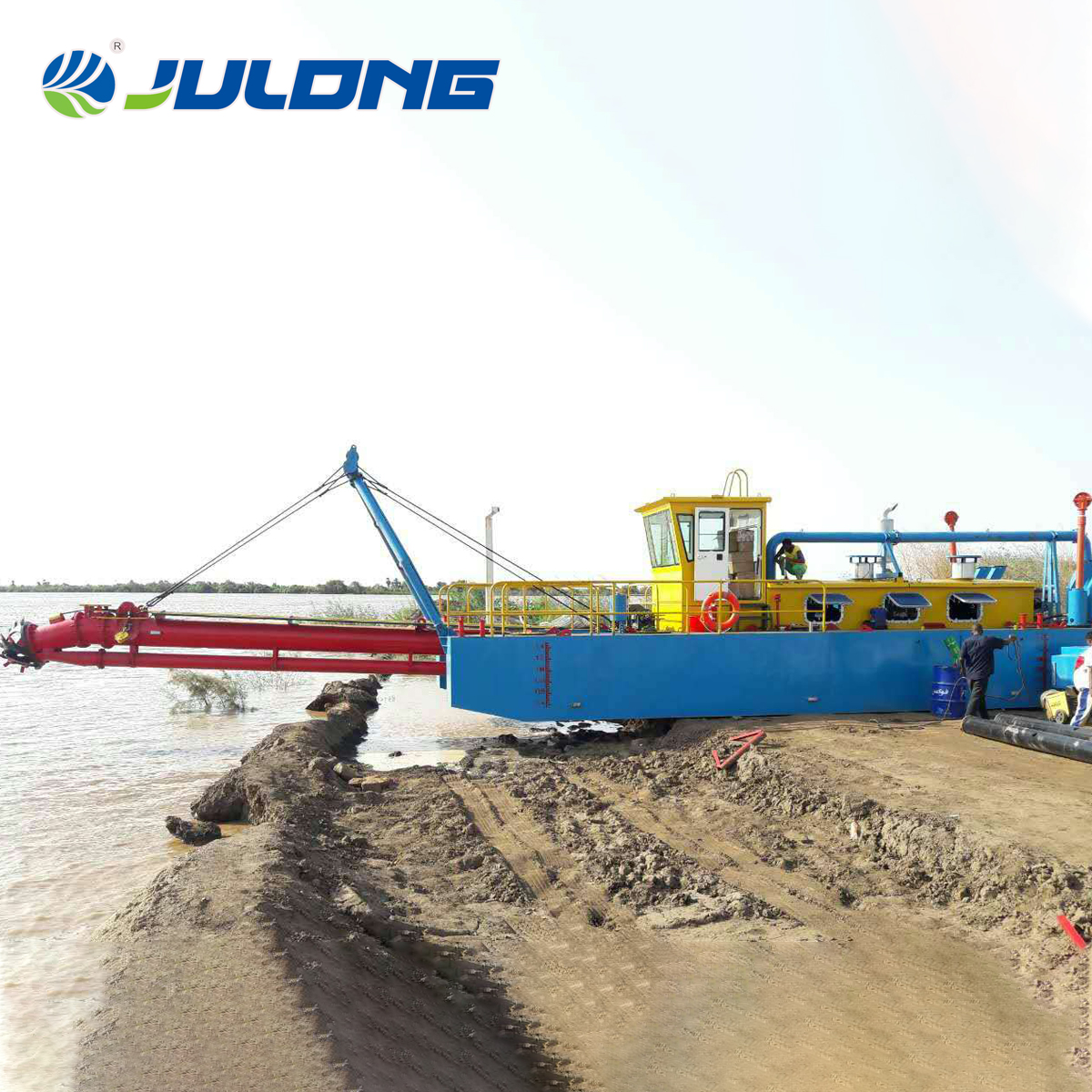
Plain  suction dredgers are  vital equipment  in various industries,  primarily for sediment removal in  rivers,  lakes, and ports. They utilize a simple yet effective  mechanism to  extract material  from  the water bed, making  them essential for maintaining  navigable waterways and supporting construction projects. B2B buyers often  have concerns  regarding the quality, sourcing, cost, and operational  efficiency of  these machines. This article will  guide you through evaluating plain suction dredgers, sourcing  reliable suppliers, understanding cost considerations,  addressing common issues, and  exploring various applications.

Where to Source Reliable Suppliers for Dredging Equipmen

Where to Source Reliable Suppliers for Dredging Equipmen

Finding  reliable suppliers for plain suction dredgers involves thorough research and evaluation. Here are  practical steps to identify trustworthy  manufacturers:

Industry Associations and Trade  Shows: Attending industry events or  joining associations can connect buyers with reputable suppliers. These platforms often showcase  manufacturers with proven track records.

Online Marketplaces and Directories: Websites specializing in industrial  equipment  often  feature verified suppliers. Look for suppliers with positive reviews and a history of successful transactions.

Supplier Background Checks: Conduct background checks  on potential suppliers. Assess  their years of experience, customer testimonials, and the  scope of their manufacturing capabilities. A supplier like Qingzhou JULONG Environmental Technology Co., Ltd., known for its cutter suction dredgers, can provide insights into their expertise and  service reliability.

Requesting Samples and Prototypes:  Before making a large purchase, request samples or prototypes to evaluate quality firsthand. This step  is critical  for assessing performance specifications and operational  effectiveness. You may also want to consider options such as a Multi-Function Work Boat during your evaluation to meet diverse project needs.

By  following these steps, buyers can narrow down  suppliers and ensure they partner with reliable manufacturers capable of  delivering quality dredging equipment.

Cost Considerations When Buying Plain Suction Dredgers

Cost Considerations When Buying Plain Suction Dredgers

Understanding the cost factors associated with plain suction dredgers is essential for budget  planning. Here are key  considerations:

Initial Purchase Price: The base  cost of the dredger is influenced  by its size, specifications, and manufacturer reputation. Larger and  more complex models tend to be more expensive.


Operational Costs: Consider the long-term operational costs, including fuel consumption, maintenance, and repair expenses. A dredger that is efficient in fuel  usage can significantly reduce operational costs over time.

Customization Costs: If specific modifications  are required,  inquire about customization fees. Custom features can enhance performance but  may  increase the overall investment.

Shipping and Logistics: Factor  in  shipping costs and potential import taxes, especially if sourcing  internationally. Understanding the total landed cost is crucial  for accurate budgeting.

Financing Options: Some suppliers may offer financing solutions, which  can help manage upfront  costs. Explore payment terms  and options that align with  your financial strategy.

By carefully considering these cost  factors, buyers can make informed decisions and select dredgers that meet both their operational needs and budget constraints.

Common Problems with Plain Suction Dredgers and Solutions

Common Problems with Plain Suction Dredgers and Solutions

Plain suction dredgers, while efficient, can  encounter several common issues that buyers  should  be aware of. Here are some prevalent problems  and their  potential solutions:

Clogging: A frequent issue is the clogging of the suction line due to debris or sediment buildup. Regular maintenance, including routine inspections and cleaning of the suction intake, can mitigate this problem. Implementing a pre-screening mechanism can also help filter out larger materials before suction.

Mechanical Failures: Components such as pumps and hoses may experience wear and tear over time.  Establishing  a preventive maintenance schedule can help identify issues  early, reducing the risk of significant mechanical  failures that could halt operations.

Inefficient Suction:  If the dredger fails to maintain adequate suction, it may  be due to air leaks in  the system  or pump  malfunctions. Regularly checking seals and connections  can help ensure  optimal suction performance.

Environmental Impact: Improper operation can lead to environmental concerns, such as sediment dispersion affecting aquatic life. Operators should receive  training on best practices to minimize ecological disruption during dredging activities.

By  understanding these  common problems and their  solutions, buyers can ensure smoother operations and extend the lifespan of their plain suction dredgers.

Applications of Plain Suction Dredgers in Various Industries

Plain suction dredgers  have versatile  applications across several industries. Here are some primary sectors utilizing this equipment:

Construction: In construction projects,  dredgers are vital  for preparing sites, excavating foundations, and managing sediment in waterlogged areas. They  ensure a  stable base for large structures, such  as bridges and waterfront developments.

Mining  and Resource Extraction:  Dredgers play a  crucial role in mining operations, particularly in extracting minerals from riverbeds and lakes. Their ability to efficiently remove material supports resource management and extraction efforts.

Environmental Restoration: In environmental projects, dredgers are used to remove contaminated  sediments from water bodies, helping  restore ecosystems. This application is critical  for maintaining water quality and supporting biodiversity.

Port Maintenance: Ports  rely on dredgers to maintain navigability and ensure safe  shipping routes. Regular dredging prevents sediment accumulation, which could  obstruct shipping lanes and impact economic activity.


By understanding these applications,  buyers can appreciate  the versatility and importance of plain suction dredgers in various  sectors, aiding in informed purchasing decisions.

How to Evaluate the Quality of Plain Suction Dredgers

When assessing the quality  of plain suction dredgers, buyers should consider several factors to ensure they choose a durable and efficient machine. Key specifications include the  dredger's material composition, construction design, and operational  capabilities.

Material Quality: Dredgers are typically made  from high-strength steel or specialized alloys to withstand the harsh marine environment. Buyers should verify the  material's corrosion resistance, particularly if the dredger will operate in saline conditions.

Design and Performance Specifications:  Evaluate the dredger's suction capacity, discharge distance, and  operational depth. These specifications are crucial  for  determining its suitability for specific projects. For example, a dredger with a higher suction capacity can remove more  material in less time, which is valuable in large-scale operations. Additionally, using an Aquatic Cleaning Boat can enhance the efficiency of dredging operations.

Manufacturing Standards and Certifications: Reputable manufacturers should hold ISO  and CE certifications, confirming adherence to international standards.  This is an  indicator of quality assurance and reliability.

Quality Control  Processes:  Inquire about the manufacturer's quality  control measures. A thorough inspection  process during manufacturing can prevent defects and ensure  the machine  operates efficiently.

By focusing on these criteria, buyers can assess the quality of plain suction dredgers effectively, ensuring they invest in a reliable  piece of equipment.

Frequently Asked Questions

What is a plain suction dredger used for?

A plain suction dredger removes sediment, silt, and debris from rivers, lakes, ports, and waterways to maintain navigable channels, restore depths, and improve water flow and environmental conditions.
Typical specs include dredging depth, pump capacity, discharge distance, engine power, and hull dimensions. Customization is available to meet project requirements and site conditions.
Yes. We offer delivery, on-site installation guidance, commissioning support, and operator training to ensure safe and efficient startup.
Our equipment is produced in a 12,000 m² facility and carries ISO and CE certifications, with quality control and testing before shipment.
Yes. We supply technical support, maintenance guidance, spare parts, and remote assistance to ensure long-term operation and minimal downtime.

Get a Free Quote

Our representative will contact you soon.
0/1000