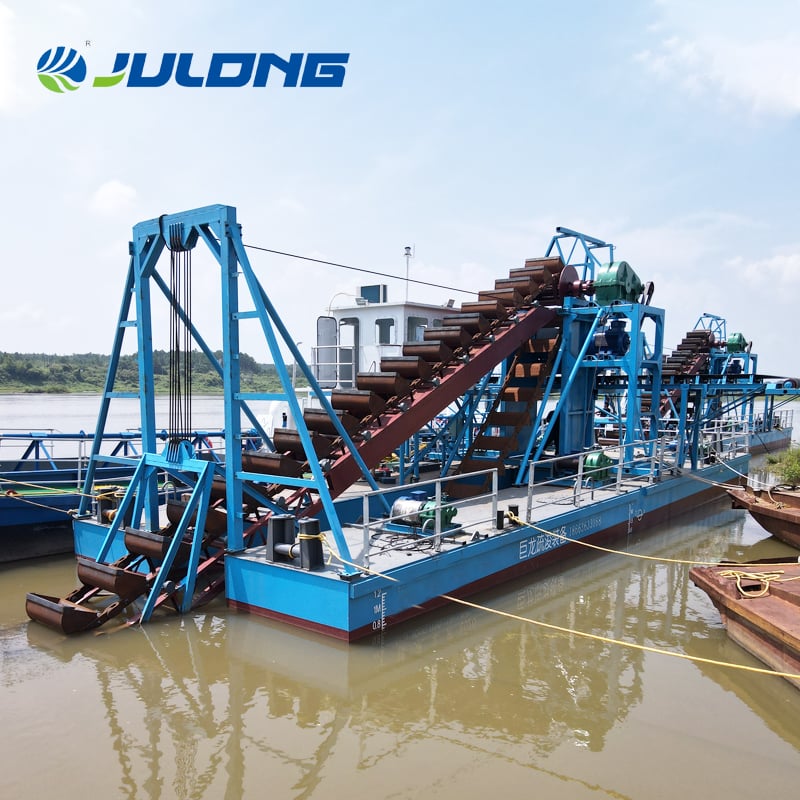
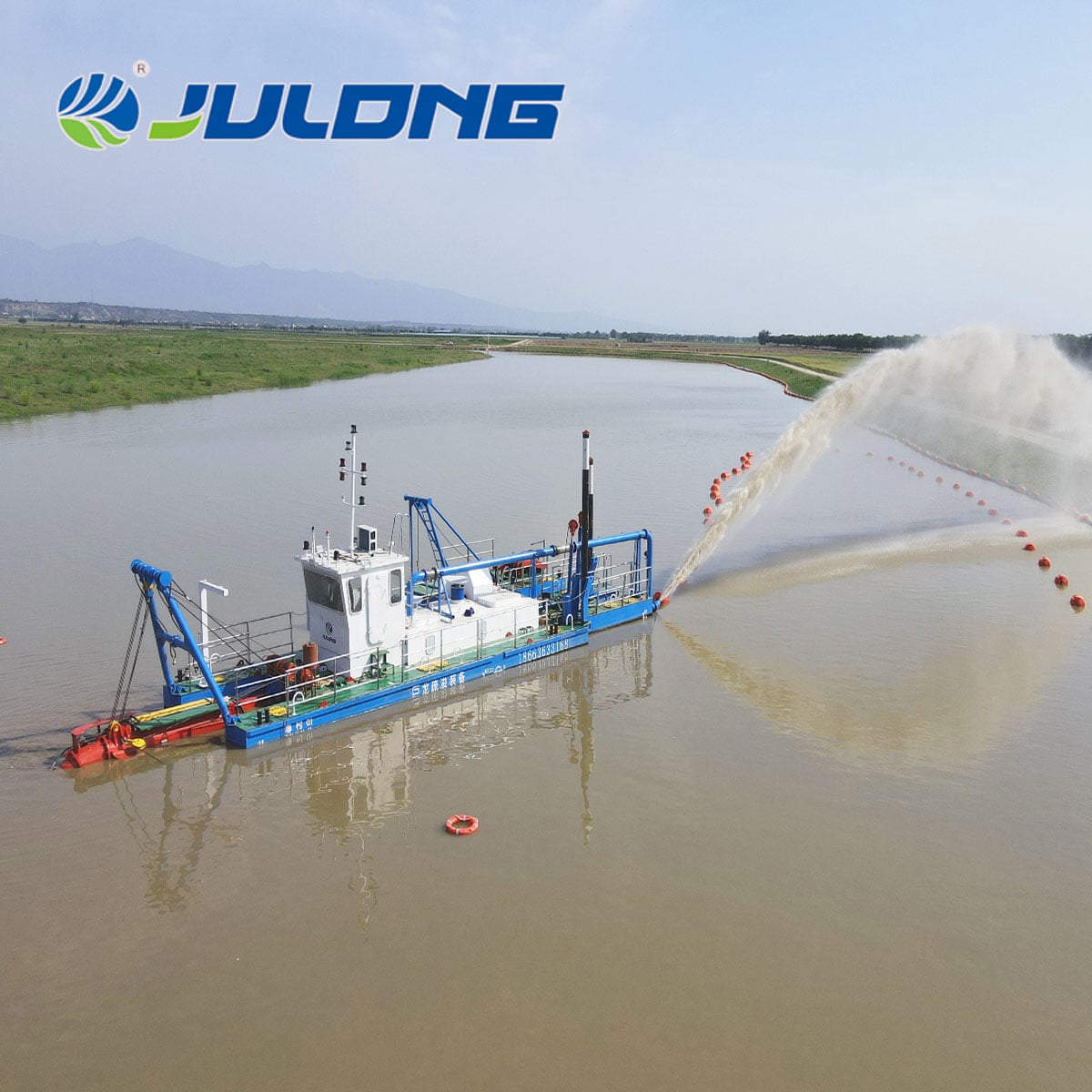
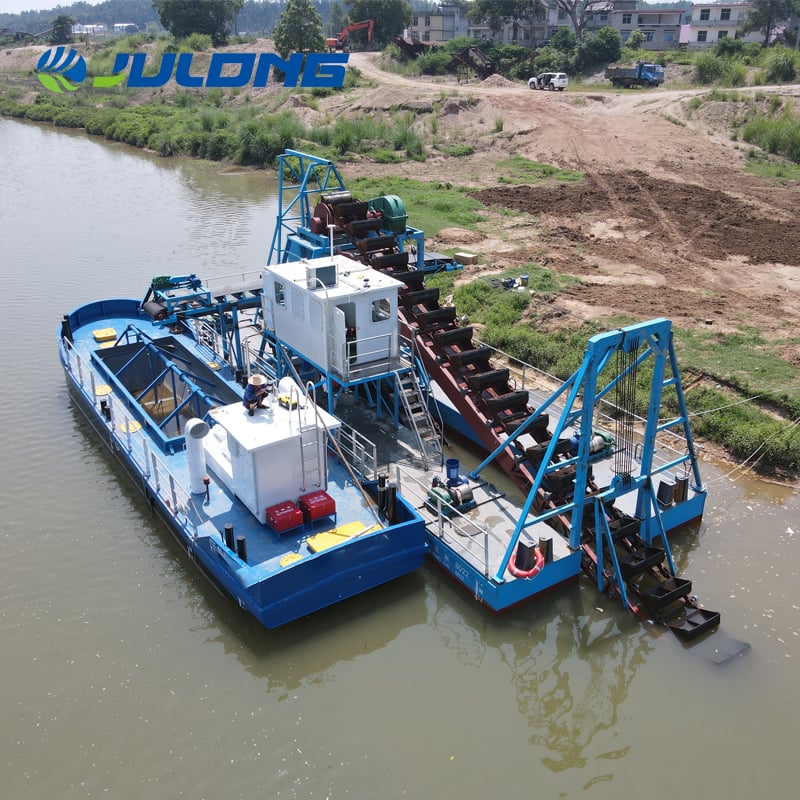
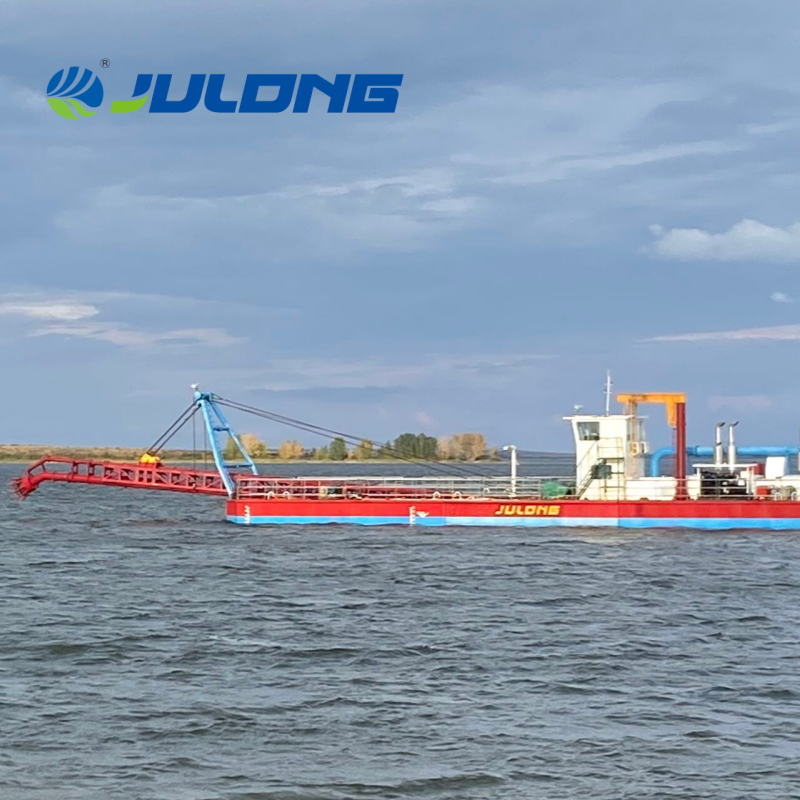
Choosing the Right Sand Harvesting Equipment

application/sand-harvesting, application/sand-harvesting, 
Inquiry
Inquiry

Sand harvesting

When considering sand harvesting, selecting the appropriate equipment is crucial for achieving efficiency and effectiveness in your projects. Sand harvesting involves the extraction of sand from rivers, lakes, or ports, and the right machinery can significantly impact the success of these operations. B2B buyers, such as purchasing managers and project engineers, often have concerns regarding equipment specifications, supplier reliability, and cost factors. This article will guide you through the essential aspects of choosing sand harvesting equipment, evaluating suppliers, understanding cost factors, addressing common challenges, and finding trustworthy suppliers. 

Evaluating Supplier Reliability and Quality

Evaluating Supplier Reliability and Quality

When investing in sand harvesting equipment, selecting a reliable supplier is just as important as the equipment itself. Start by examining the supplier’s credentials, such as ISO and CE certifications, which indicate compliance with international quality standards. These certifications can give you confidence in the supplier's commitment to quality and safety. 

Next, assess the supplier’s experience and expertise in the industry. A supplier like Qingzhou JULONG Environmental Technology Co., Ltd., with extensive experience in manufacturing dredgers and excavators, can offer valuable insights and support in selecting the right equipment. Look for testimonials and case studies from previous customers to evaluate their satisfaction and the supplier’s reliability. 

Additionally, inquire about the supplier’s quality control processes. A robust quality assurance system ensures that the equipment is tested and meets performance standards before shipment. This can help mitigate risks associated with sand harvesting equipment failure during operation. 

Understanding the Cost Factors in Sand Harvesting Equipment Purchases

Understanding the Cost Factors in Sand Harvesting Equipment Purchases

The cost of sand harvesting equipment can vary significantly based on several factors. First, the type of dredger plays a major role in pricing. Cutter suction dredgers typically have higher initial costs due to their complex design and capabilities compared to simpler dredging options. 

Second, consider the specifications and features that may impact the overall cost. Sand dredging pump equipment with advanced technology, such as automated controls or enhanced safety features, may come at a premium but can lead to cost savings in labor and increased efficiency over time. 

Furthermore, take into account the total cost of ownership, which includes maintenance, fuel efficiency, and any potential repairs. Understanding these factors can help you make a more informed decision and budget accordingly for both the initial purchase and ongoing operational costs. 

Common Problems in Sand Harvesting and Effective Solutions for Buyers

Common Problems in Sand Harvesting and Effective Solutions for Buyers

Sand harvesting operations can encounter various challenges that may impact productivity and sand harvesting equipment performance. One common issue is equipment clogging due to the presence of large debris or heavy materials in the sand. To mitigate this, ensure that the dredger is equipped with appropriate screening mechanisms to prevent blockages during operation. 

Another frequent problem is the inefficiency of the dredging process, which can result from inadequate equipment size for the project requirements. Buyers should conduct a thorough assessment of the project to determine the necessary dredging capacity and select the appropriate machinery accordingly. 

Additionally, regular maintenance is critical to avoid unexpected breakdowns. Establishing a maintenance schedule and adhering to it can prolong the equipment’s lifespan and ensure consistent performance. Buyers should also consider suppliers who offer comprehensive support services, including maintenance and parts replacement, as part of their purchasing agreement. 

Where to Find Trusted Suppliers for Bulk Sand Harvesting Equipment

Finding a trusted supplier for bulk sand harvesting equipment involves research and due diligence. Start by exploring industry-specific trade shows and exhibitions, where manufacturers showcase their products and capabilities. These events provide an opportunity to meet suppliers face-to-face, inspect weed harvester equipment, and discuss your specific needs. 

Online platforms and industry directories can also be useful resources for identifying reputable suppliers. Look for companies with positive reviews, a proven track record, and a wide range of products. Engaging with industry forums and discussion groups can provide insights and recommendations from other professionals who have valuable experience with different suppliers. 

Finally, consider reaching out directly to potential suppliers to discuss your requirements and request quotes. This interaction can give you a sense of their customer service and responsiveness, which are critical factors in establishing a long-term partnership. 

By following these guidelines, B2B buyers can navigate the complexities of sand harvesting equipment purchases with confidence, ensuring that they make informed decisions that align with their project goals. 

How to Choose the Right Sand Harvesting Equipment for Your Project

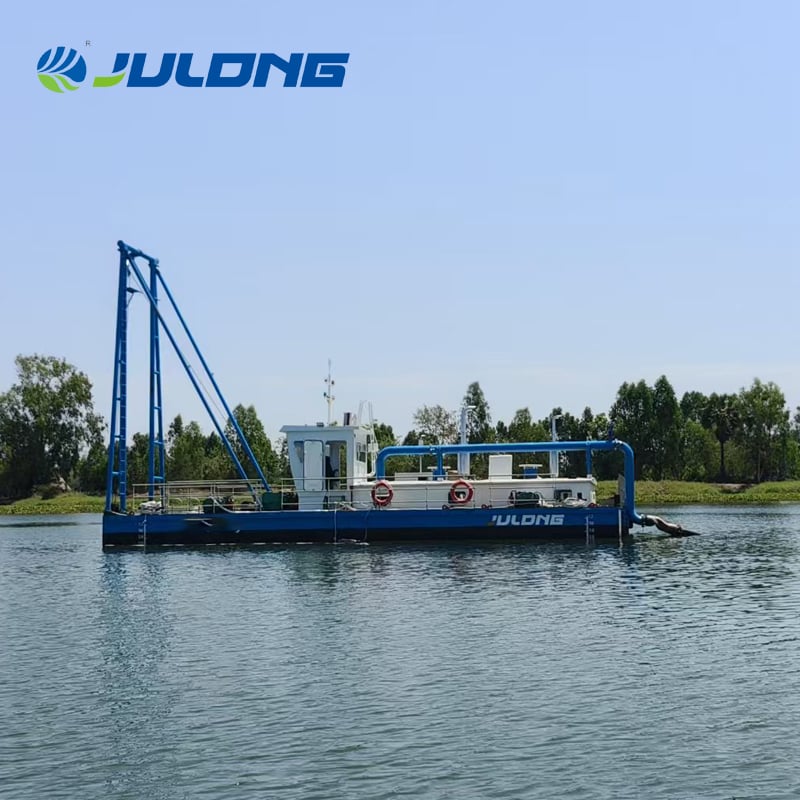
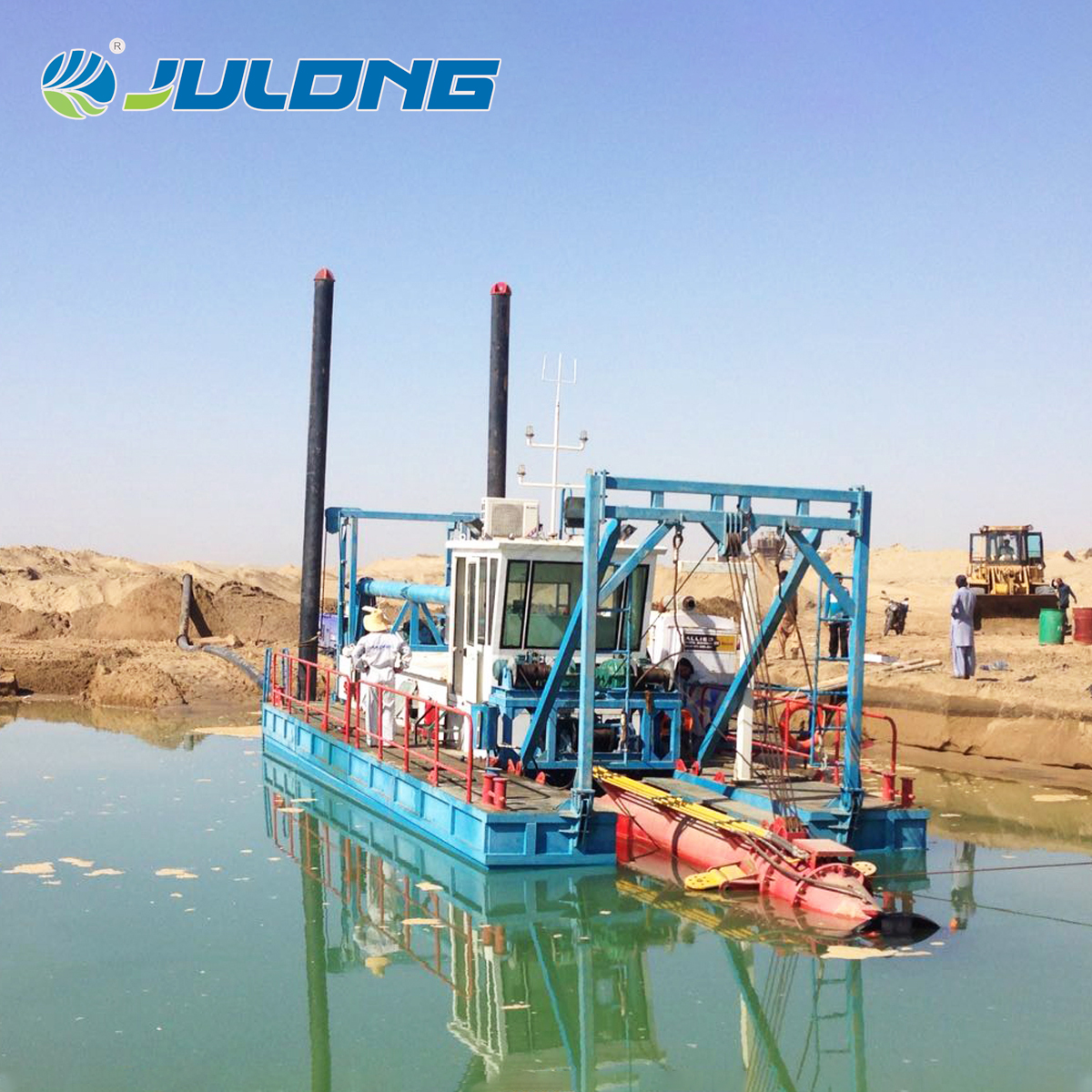
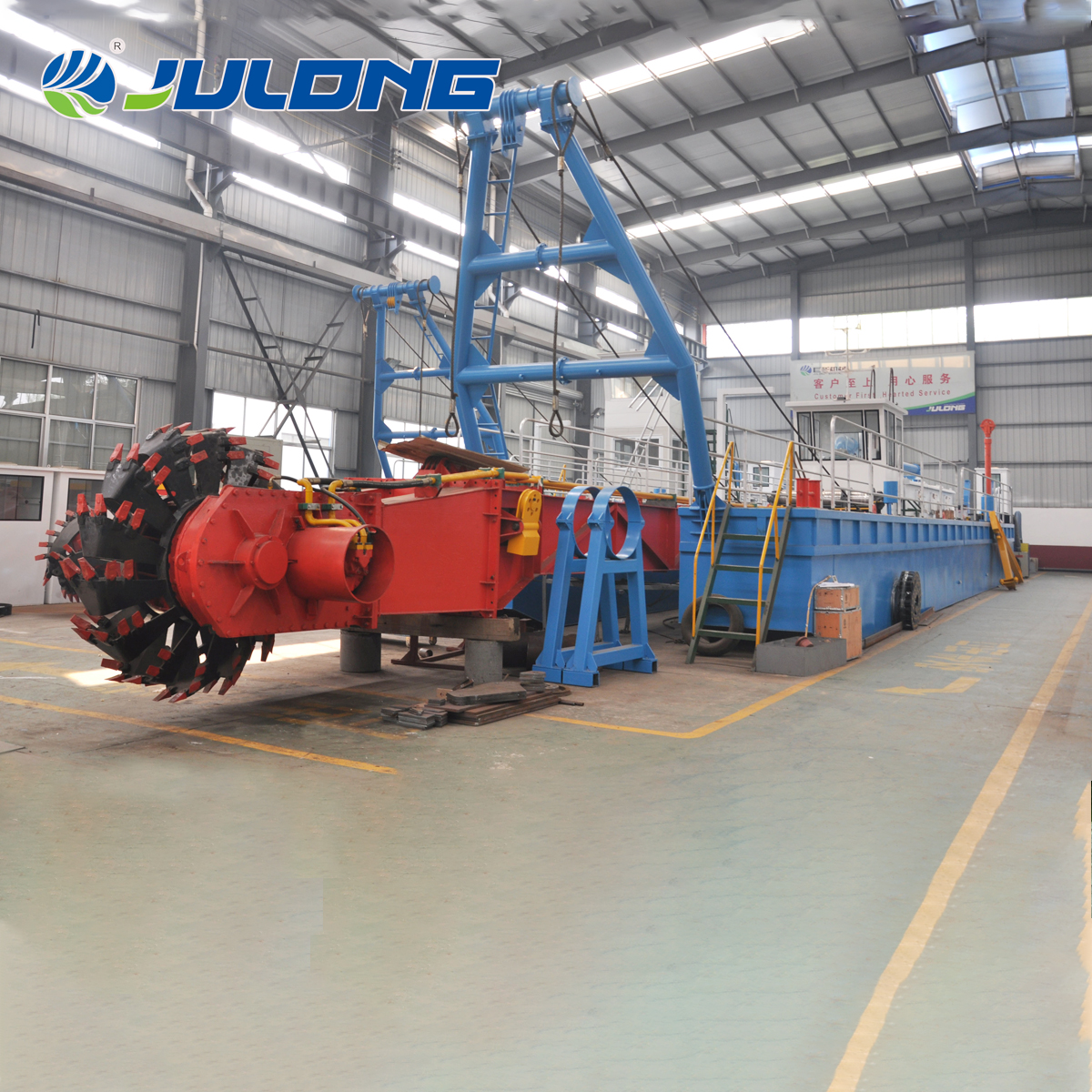
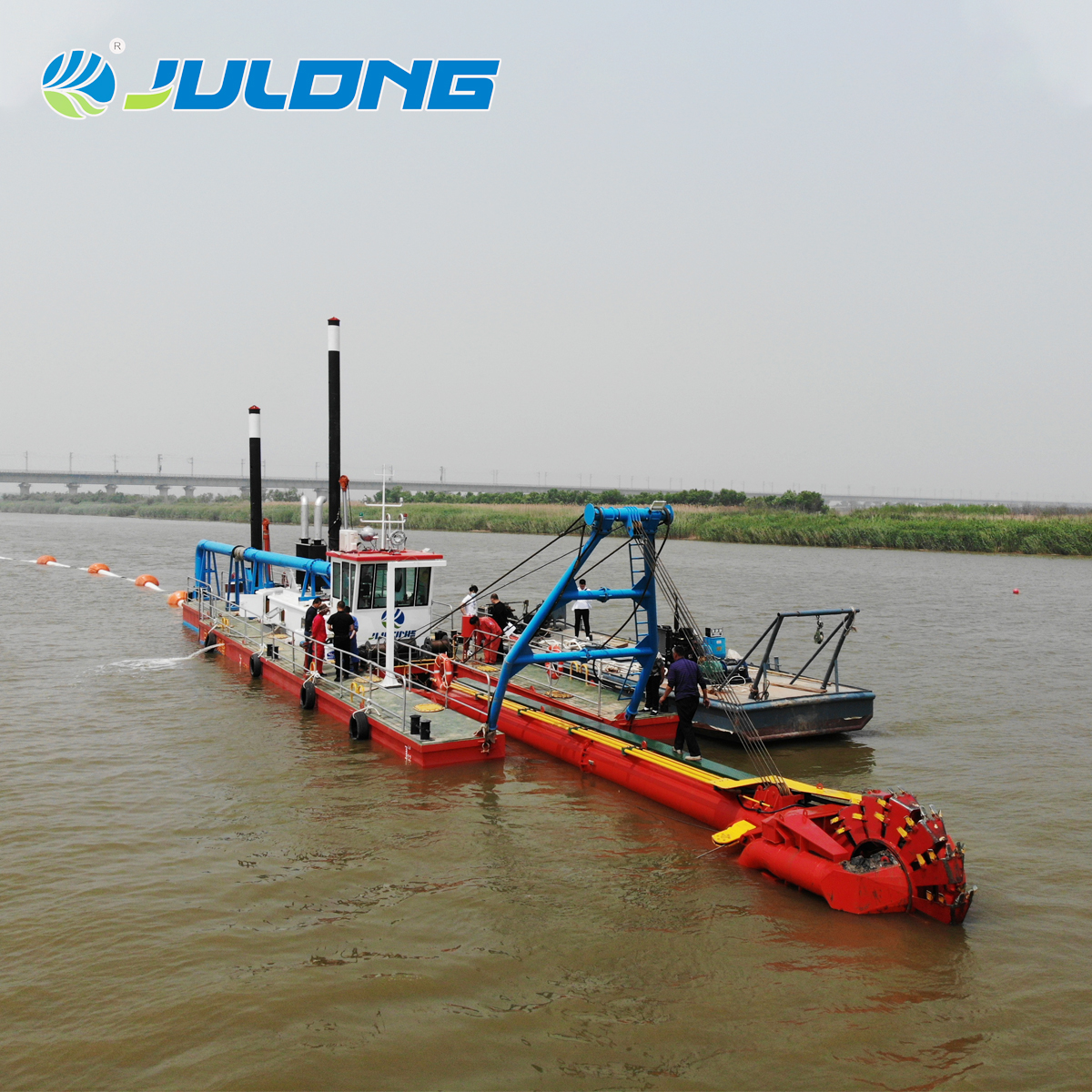
Choosing the right sand harvesting equipment, such as cutter suction dredgers or amphibious dredgers, requires careful consideration of several factors. First, assess the specific requirements of your project, including the type of sand being harvested, the location, and the environmental conditions. For instance, cutter suction dredgers are effective for deeper waters and can handle various sediment types, while amphibious dredgers are suitable for shallow areas with marshy terrain. 

Next, consider the performance specifications of the sand dredging equipment, such as pumping capacity, dredging depth, and operational efficiency. Equipment with higher pumping capacity can reduce operational time, thereby enhancing productivity. Additionally, evaluate the material used in the construction of the dredger, as durability and resistance to corrosion are vital for long-term performance, especially in aquatic environments. 

Lastly, factor in the size and weight of the sand harvesting equipment, as it should be compatible with your transportation and deployment plans. Understanding these specifications will help ensure that you select machinery that meets the unique demands of your sand harvesting project. 

Frequently Asked Questions

What is sand harvesting and its typical uses?

Sand harvesting is the extraction of sand from rivers, lakes or ports for construction, land reclamation and erosion control. Our equipment optimizes production while minimizing environmental impact.
Cutter suction and amphibious dredgers are ideal for rivers. They offer efficient excavation, high mobility, and stable performance for varying depths and substrates.
We hold ISO and CE certifications. Products are built in a 12,000 m² facility and undergo quality inspections to ensure durability and reliable performance.
Yes. We customize dredger size, power, and attachments to meet site conditions, production targets, and regulatory requirements for each river, lake, or port project.
We serve 93 countries with spare parts, technical support, and maintenance guidance. Remote assistance and on-site service options are available based on project location.

Get a Free Quote

Our representative will contact you soon.
0/1000