Weed Harvester: Key Specifications and Solutions

application/weed-harvester, application/weed-harvester, 
Inquiry
Inquiry

weed harvester

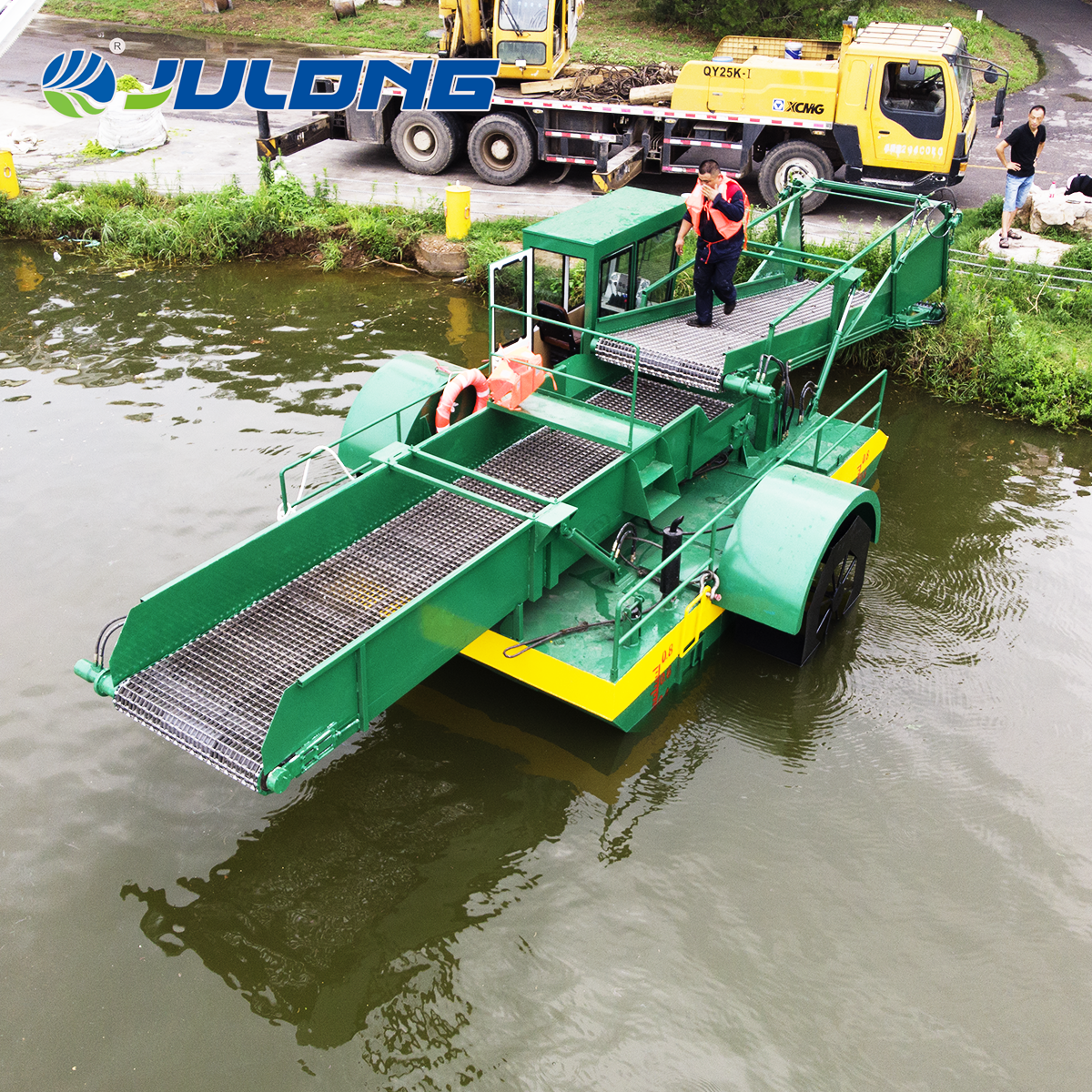
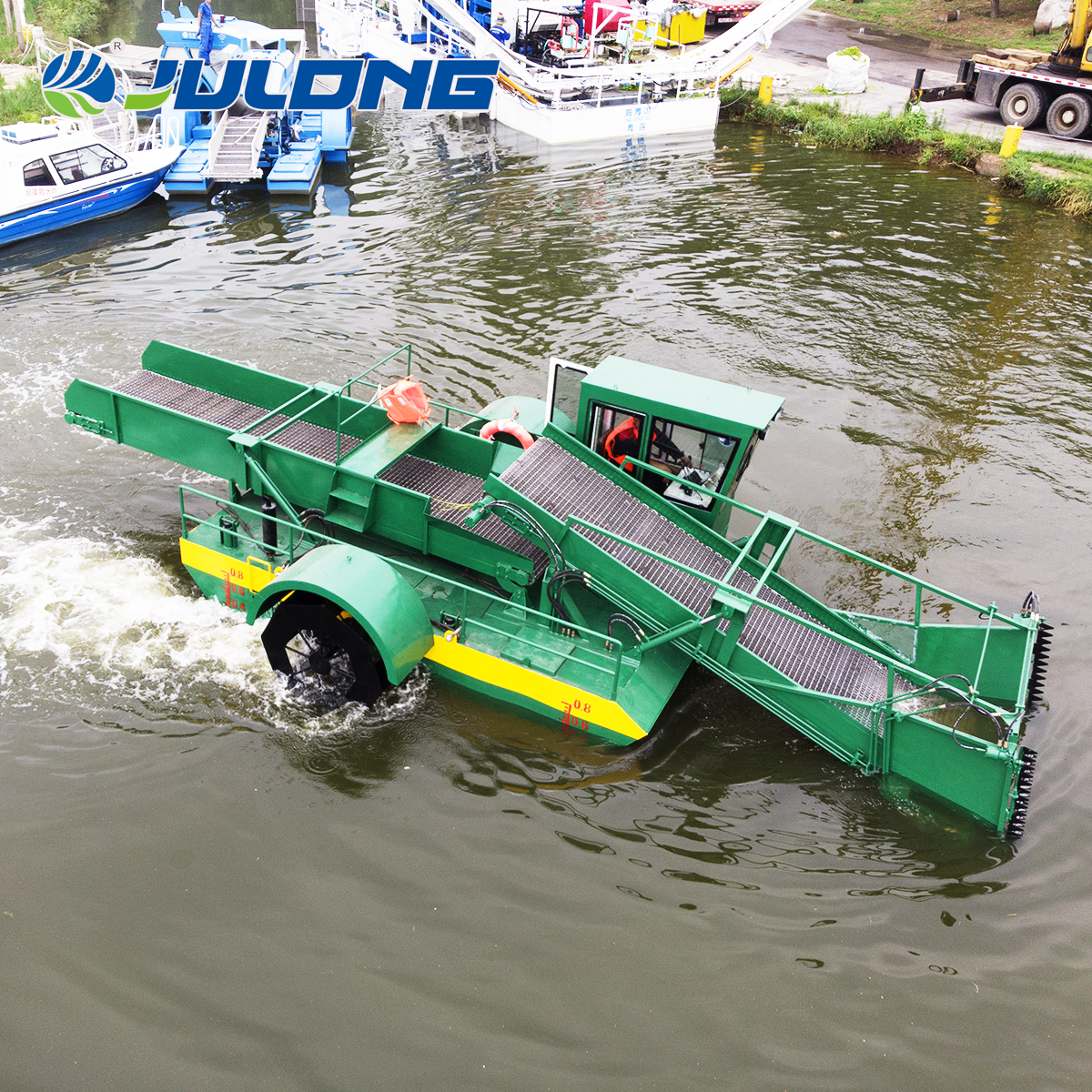
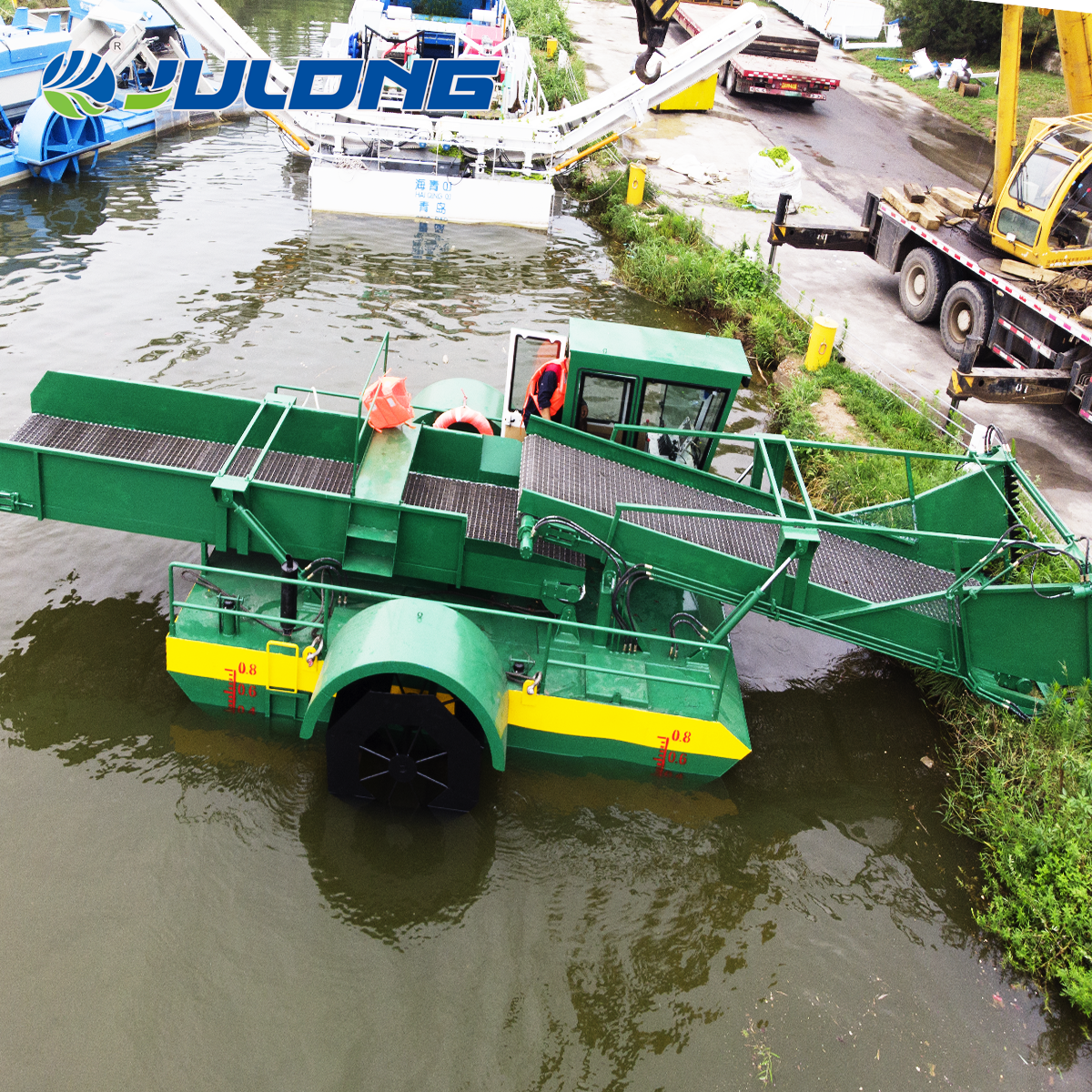
Weed harvesters are specialized machines designed  to efficiently  remove aquatic vegetation from water bodies such  as rivers,  lakes, and ponds. For  purchasing  managers and  project managers in  environmental sectors, understanding  the specifications and  operational capabilities  of weed  harvesters  is crucial.  This  article addresses key buyer concerns  such  as functionality,  common issues, and factors  to consider  before making a purchase, helping you make informed decisions for your environmental projects.

Common Problems with Weed Harvesters and Their Solutions

Common Problems with Weed Harvesters and Their Solutions

While weed harvesters  are effective  tools, they can encounter several common issues:

Clogging: During operation, plants can clog the cutting mechanism. Regular  maintenance checks,  including cleaning the cutting  blades after use,  can minimize this issue.  Additionally, selecting a harvester  with an  efficient self-cleaning  feature can help reduce downtime.

Hydraulic System Failures: Many weed  harvesters operate using hydraulic systems, which can fail due to leaks or pump issues. Implementing a routine inspection schedule for hydraulic components and using high-quality hydraulic fluids can  prevent failures.

Engine Performance Issues: Poor engine performance can stem from fuel quality or maintenance  neglect. Ensuring the use of high-quality fuel and adhering to a strict  maintenance regimen can enhance engine longevity and functionality.

Wear and Tear: The harsh aquatic environment can  lead  to premature wear on components. Buyers should consider harvesters with  replaceable parts and coatings that increase resistance to corrosion and wear.

By understanding  these common problems  and their solutions, buyers can better  prepare for maintenance and operational challenges.

Factors to Consider Before Buying

Factors to Consider Before Buying

Before making a purchasing decision, several  factors should be taken into account:

Project Scale:  The size  of your project will dictate the type and size of the weed harvester needed. Larger projects may require machines with higher  cutting capacities and  more  robust  engines.

Environmental  Impact: Consider the ecological  implications of using a weed harvester. Machines that minimize disturbance to the aquatic ecosystem, such as those designed  for shallow or sensitive areas, may  be more appropriate in environmentally sensitive regions.


Budget: Determine your budget not only for the initial purchase but also for ongoing maintenance and operation costs. While lower upfront costs may be attractive, they can lead to higher long-term  expenses if the machine is not durable.

Customization Options: Some manufacturers  offer customization options that allow buyers to tailor equipment to specific  needs, such as additional attachments or modified cutting mechanisms. Assessing these  options can enhance the machine's  functionality for your  unique applications.

Supplier Reputation: Research potential suppliers for their reputation in the industry. Look for manufacturers with positive reviews, proven track records, and customer support to ensure a reliable purchasing experience.

By considering these  factors, buyers can align their  procurement processes with their project goals and operational requirements.

Where to Find Reliable Suppliers of Weed Harvesters Globally

Where to Find Reliable Suppliers of Weed Harvesters Globally

To find reliable suppliers of  weed  harvesters, consider the  following avenues:

Industry Trade Shows: Attending trade shows focused on environmental technology and machinery can provide direct access to manufacturers and suppliers. This allows for firsthand  product demonstrations and  discussions about specific needs.

Online Platforms: Websites such as Alibaba, Made-in-China,  and  industry-specific directories often list various suppliers.  It’s crucial to evaluate their credibility by checking  customer reviews and requesting references.

Professional  Networks: Engaging with professional networks and forums related  to environmental management can lead to recommendations for reputable suppliers. Networking with industry peers can provide insights into their experiences with different manufacturers.

Local  Distributors: Exploring local  distributors can offer the  advantage of easier communication and potential  service support. They can also provide insights into the specific needs  of your regional market.

Manufacturer Direct: Companies like Qingzhou  JULONG Environmental Technology Co., Ltd. provide a direct route to high-quality weed harvesters, backed by  their manufacturing capabilities and expertise in the field. For instance, their JLWB1600 Multi-function Work Boat is a great example of versatile machinery.

Using  these resources, buyers can identify reliable suppliers that meet their operational  needs.

Applications of Weed Harvesters in Environmental Projects

Weed harvesters  play a crucial role in  various environmental projects, including:

Ecosystem Management:  By controlling  aquatic vegetation, weed harvesters help maintain balanced ecosystems in lakes  and rivers, preventing overgrowth that can  deplete oxygen levels and harm aquatic life.

Water Quality  Improvement: Removing excess plant  matter  can enhance water quality by reducing nutrient loads  and promoting better conditions for fish  and other wildlife.


Recreational Area Maintenance: In public parks and recreational areas, weed harvesters ensure that waterways remain  accessible for activities like fishing, boating, and swimming, enhancing  community engagement with local environments.

Restoration Projects: In ecological restoration efforts, weed harvesters are utilized to clear invasive  species, allowing native plants to thrive and restore  natural habitats.

Flood Prevention: By managing vegetation growth in waterways, weed harvesters can contribute to flood  prevention efforts, ensuring that water flows freely and reducing  the risk of flooding during heavy rains.

Understanding these  applications helps buyers recognize  the broader impact and value of investing in weed harvesters for their environmental projects.

Understanding Key Specifications for Effective Weed Harvesters

When evaluating weed harvesters,  several key specifications should be considered to ensure optimal performance.

Cutting Width and Depth: The cutting  width determines how much area can be processed in a single pass, while the cutting depth affects the machine's ability to reach and remove  deep-rooted plants. A wider  cutting width may reduce operational time,  but it requires more powerful engines.

Power Source: Most weed harvesters are powered by diesel or electric engines. Diesel  engines typically provide more power for larger operations, while electric models may be  more suitable for smaller,  environmentally sensitive areas due to their reduced emissions and  noise  levels.

Material  and Build Quality: Durable materials such as marine-grade aluminum or high-strength steel are essential for resisting corrosion and wear from  prolonged water exposure.  Buyers should inquire about  the manufacturer’s material selection process to ensure robustness.

Operational Speed: Assessing the operational speed is important as it impacts productivity. Speeds between 1  to 3 knots are common,  but the ideal speed will depend on the density of the vegetation being harvested.

Maneuverability and Design: Weed harvesters should have a design  that allows for  easy navigation  in tight spaces. Machines with amphibious capabilities, such as the JLCSD700 Cutter Suction Dredger, can operate in both  shallow and deep waters, enhancing versatility.

Understanding these specifications will help you choose a weed harvester that meets the demands of your specific application.

Frequently Asked Questions

What is the weed harvester used for?

Our weed harvester removes aquatic vegetation and debris from rivers, lakes, and ports to improve water flow, navigation, and ecosystem health.
Durable hull, efficient cutting and collection system, amphibious operation options, easy maintenance, and ISO/CE certified components.
We offer cutter types, collection capacity, engine power, conveyor length, and amphibious chassis options tailored to project needs.
We provide warranty terms, spare parts supply, technical guidance, and remote or on-site support from our experienced service team.
Contact our sales team with project details (waterbody size, vegetation type, required capacity) for a tailored quotation and technical documentation.

Get a Free Quote

Our representative will contact you soon.
0/1000