Choosing the Right River Dredging Machine

application/river-dredging-machine, application/river-dredging-machine, 
Inquiry
Inquiry

river dredging machine

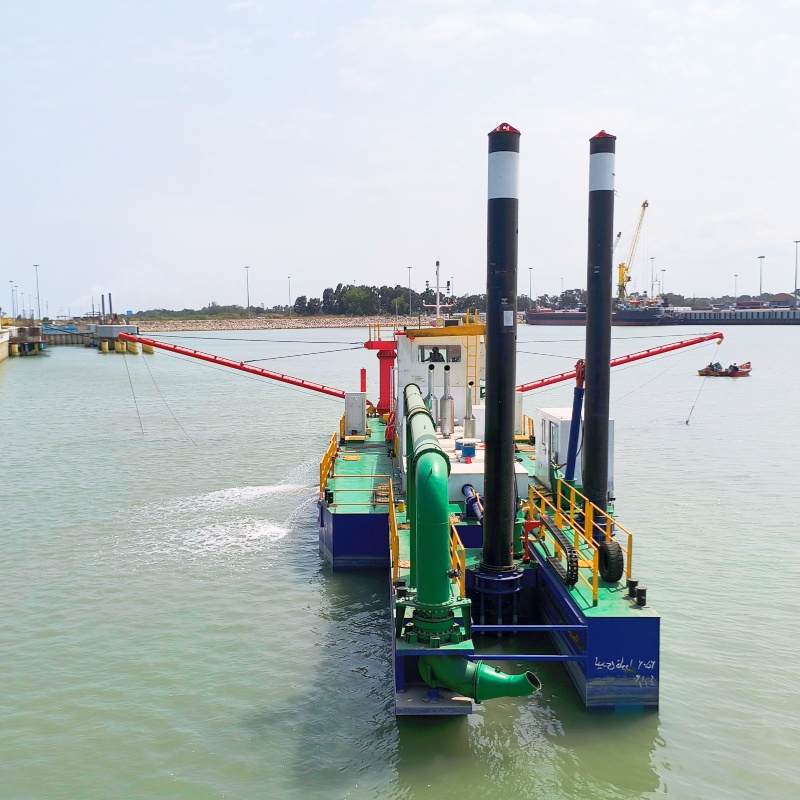
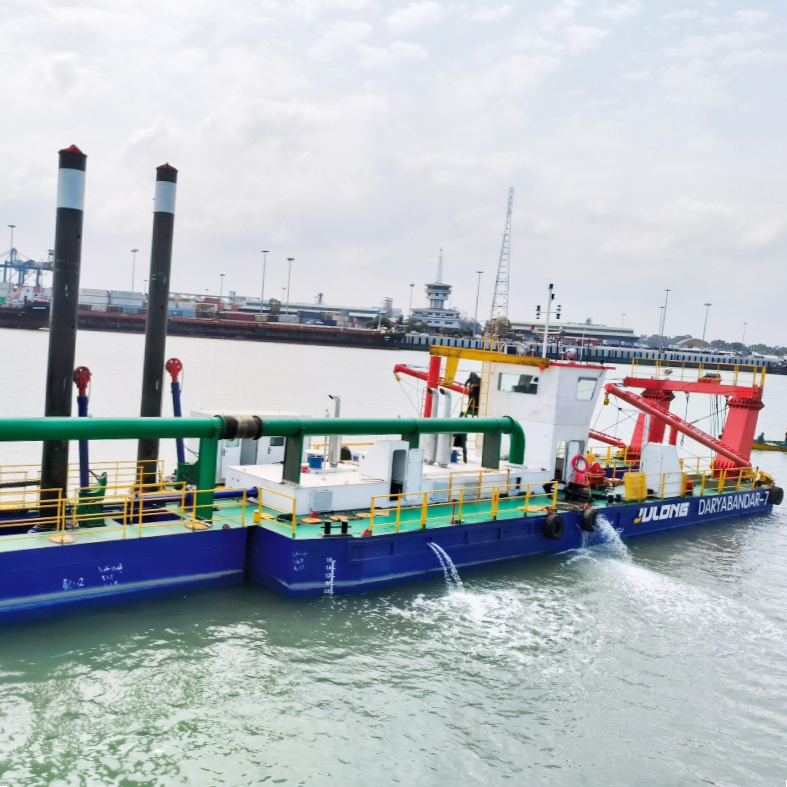
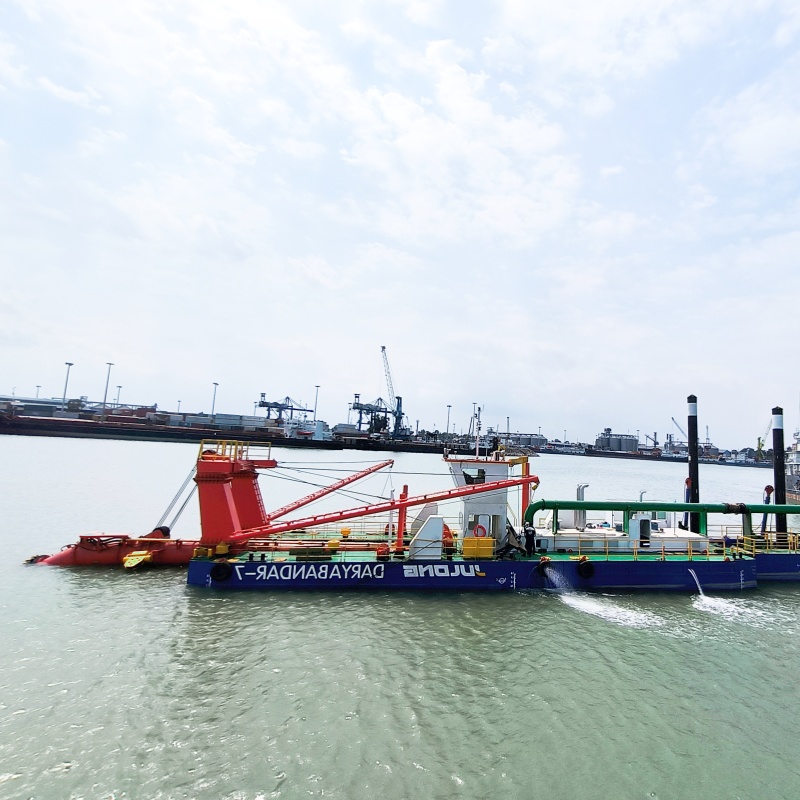
Understanding the intricacies of river dredging machines is  crucial for any project  involving waterways,  lakes, or ports. These machines,  including cutter suction dredgers and amphibious dredgers, play a  pivotal  role  in maintaining navigable channels,  improving  water quality, and enhancing ecological conditions.  For purchasing  managers,  engineers, and project managers, the challenge often  lies  in selecting the right equipment that meets specific  project requirements while ensuring efficiency and durability. This article will guide  you  through key considerations when choosing a river  dredging machine, evaluating specifications,  troubleshooting common issues, installation guidance, and applications  across various projects.

Key Specifications to Evaluate in River Dredging Machines

Key Specifications to Evaluate in River Dredging Machines

When assessing river dredging machines, certain specifications are  critical  to ensure optimal performance and reliability:

Pump Capacity: This indicates the volume  of material the dredger can move per hour. A higher pump capacity is essential for larger projects where efficiency is paramount.

Cutting Depth and Width: These specifications determine how deep and wide the dredging  operations can  be. Ensure that the  machine can achieve the required dimensions for your project.

Power  Source: Dredgers may be powered by diesel engines  or electric  motors. Consider the availability of  fuel and the environmental  impact of  your choice.

Construction Materials: Look for machines made from  high-grade steel or corrosion-resistant materials, particularly if they will be used in harsh water conditions. This is critical for durability and maintenance.

Weight and Stability: A heavier dredger may provide better stability during operations,  especially  in turbulent waters.

Understanding these specifications helps ensure the  dredging  machine you choose  will meet the demands of  your  project effectively.

Common Problems with River Dredging Machines and Their Solutions

Common Problems with River Dredging Machines and Their Solutions

Despite their robustness, river dredging machines can encounter several issues  during  operation. Awareness of these  potential problems allows for proactive management:

Clogging: This is a common issue, particularly with cutter suction dredgers. Regular maintenance and ensuring  that the material being  dredged is suitable for the machine can help mitigate this.

Mechanical Failures: Regular inspections and adherence to maintenance schedules are crucial. Components such as  pumps and cutting tools  should be checked routinely for wear and tear.


Operational Inefficiencies: Ensure that the dredging machine is  correctly calibrated  for  the specific project  requirements. This can involve adjusting the  pump speed or the cutting depth based on the material being dredged, such as using a JLWB1600 Multi-function Work Boat for versatile operations.

Environmental Compliance Issues: Non-compliance with  local  regulations can  lead to project delays. It’s essential to stay updated on regulatory changes and  ensure  that operations adhere to these standards.

By anticipating and addressing these common problems, operators can enhance  the efficiency and  longevity of their dredging equipment.

Installation Guidance for Efficient River Dredging Operations

Installation Guidance for Efficient River Dredging Operations

Proper installation is key  to ensuring that river dredging machines operate efficiently.  Here are steps  to consider during the installation process:

Site Assessment: Conduct a  thorough site assessment  to identify the best location  for the dredger,  considering factors such as water depth, flow rates, and accessibility for maintenance.

Assembly Instructions: Follow the  manufacturer’s assembly instructions closely. Proper assembly  ensures that all components function together effectively.

Testing Before Full  Operation: Conduct initial tests to verify that the machine operates  correctly. This includes checking the pump operation, cutting mechanisms, and mobility features.

Staff Training:  Ensure that all operators are  trained  on the machine’s specific features and operational guidelines. This reduces the risk of misuse and enhances safety.

Monitoring Systems:  Implement monitoring systems to track performance metrics such as pump efficiency and fuel consumption. This  data can guide maintenance decisions and operational adjustments.

Adhering to these  guidelines  will facilitate smoother operations  and reduce the likelihood of downtime.


Applications of River Dredging Machines in Various Projects

River dredging machines serve diverse applications across multiple sectors:

Environmental Restoration: These machines are pivotal in removing pollutants and restoring habitats in rivers and lakes. They facilitate  the removal of invasive species and improve water quality.

Construction and  Infrastructure:  Dredging is  essential  for creating and  maintaining navigation channels, ports, and marinas.  It ensures that waterways remain accessible  for  commercial shipping and recreational activities.

Flood  Control: Dredging can increase the capacity of riverbeds to manage  stormwater, reducing  the risk  of flooding in adjacent areas.

Mining and Resource  Extraction:  In regions where  riverbeds contain valuable minerals, dredging machines are used to extract  these resources efficiently.

Land Reclamation: Dredged materials can be used for land reclamation projects, expanding  usable land area in  coastal and riverine settings.

Understanding these applications helps buyers recognize the versatility and value of river dredging machines in various contexts, ensuring they select the right equipment for their specific needs.

By considering these insights, B2B buyers can navigate the complexities of selecting, operating, and maintaining river dredging machines, leading to successful  project outcomes.

How to Choose the Right River Dredging Machine for Your Project

Selecting the appropriate river dredging machine involves understanding your project’s specific needs. Key factors include the type of  dredging required—whether  it’s for sediment removal, environmental restoration, or  construction. Consider the following aspects:


Project Depth and Volume: Assess  the depth of the waterway and the volume of material to be dredged. This will  help  determine the size and power of the dredging machine required.


Dredging Method: Different  dredging methods, such as cutter suction or hydraulic  dredging,  may be more suitable depending  on the material to  be dredged. For instance, cutter suction dredgers are ideal for compacted materials. You might consider options like JLCSD700 Cutter Suction Dredger – 7,000 m³/h Heavy-Duty Hydraulic Dredging Vessel for heavy-duty requirements.

Mobility Requirements: If the project involves multiple locations or challenging terrains,  consider an amphibious dredger, which can operate on land and water.

Regulatory Compliance: Ensure that  the  selected  dredging machine meets local environmental regulations and standards,  which can influence design and operational capabilities.

By evaluating these factors,  buyers  can make informed decisions that align with their project goals and operational constraints.

Frequently Asked Questions

What is a river dredging machine used for?

A river dredging machine removes silt, sediment, and debris to restore depth, improve navigation, prevent flooding, and support ecological restoration in rivers, lakes, and ports.
We supply cutter suction dredgers, amphibious dredgers, and excavator-based dredgers tailored for river, lake, and port projects.
Our products are ISO and CE certified, manufactured in a 12,000 m² facility to ensure durability, safety, and consistent quality.
Yes. We serve clients in 93 countries and provide global sales, technical support, parts supply, and after-sales service.
Yes. We provide configurable options for dredging depth, discharge distance, engine power, and attachments to meet site-specific requirements.

Get a Free Quote

Our representative will contact you soon.
0/1000