Choosing the Right River Dredger for Sale

application/river-dredger-for-sale, application/river-dredger-for-sale, 
Inquiry
Inquiry

river dredger for sale

Choosing  the right river dredger for sale can significantly  impact  the success of your dredging  projects, whether  for river, lake, or port applications. With  various  models and  specifications  available, B2B buyers,  including purchasing managers  and project engineers,  must  carefully  assess their options.  This article provides practical insights into  the key considerations, specifications, cost factors, common issues, and  how  to choose the  right dredger for your specific  needs.

Key Specifications to Compare in River Dredger Models

Key Specifications to Compare in River Dredger Models

When comparing river  dredger models,  focus on the following key specifications:

Dredging Depth and Width:  Understand  the maximum dredging depth and width each model can achieve. This  is critical for determining if the dredger can meet your specific project needs.

Pump Capacity: Look for the  dredger's pump flow rate, typically measured in cubic meters per hour (m³/h). Higher flow rates indicate  a more  efficient dredging process.

Power Source: The type of engine  or power source can impact fuel efficiency and operational costs. Dredgers can be powered by diesel engines,  electric motors, or hybrid  systems, with each offering different advantages based on site requirements.


Material of Construction: Durable materials, such as high-strength steel or corrosion-resistant alloys,  can  significantly extend the life of the dredger and reduce maintenance costs.

Operational  Features: Examine features such  as remote control capabilities, automation options,  and ease of transport, which can enhance operational efficiency and  safety.

Understanding these specifications will help you make an informed decision based on the specific demands of  your  dredging project.

Cost Factors to Assess When Buying a River Dredger in Bulk

Cost Factors to Assess When Buying a River Dredger in Bulk

Bulk  purchasing of  river dredgers can offer cost savings, but several factors must  be assessed to ensure a sound investment:

Unit Price: The base price of each dredger is the most  obvious factor.  Bulk orders  may qualify for discounts, so it's essential to  discuss pricing upfront with the manufacturer.


Shipping Costs: Consider logistics, including shipping and handling costs.  Heavy equipment like dredgers can incur significant  transportation fees, especially for international shipments.

Customs and Duties: If importing dredgers, be aware of any customs fees or import duties that may  apply. Understanding  these costs ensures a more accurate total expenditure.

Maintenance and  Operating Costs: Beyond the initial purchase price, consider long-term costs associated with maintenance,  repairs, and fuel consumption. A dredger that is more fuel-efficient may have a higher upfront cost but could save money in the  long run.

Financing Options: Explore financing terms or leasing options that may be available,  as these can also  impact the  overall cost structure of  your purchase.

By carefully considering these cost factors, you can make a more informed  decision that aligns with your budget and project requirements.

Common Problems with River Dredgers and Their Solutions

Common Problems with River Dredgers and Their Solutions

While river dredgers are robust machines, they can encounter common issues that may disrupt  operations. Understanding these problems and their solutions can enhance project efficiency:

Clogged Pumps: Clogging can occur if debris or  large aggregates are sucked into  the pump. Regular maintenance  and  using a dredger equipped with effective screening can help mitigate this issue.

Engine Failures: Mechanical failures often stem from inadequate maintenance or poor-quality fuel. Implementing  a routine maintenance schedule and using recommended fuel types can  prevent engine problems.

Wear and Tear: Continuous operation can  lead  to  wear on critical components such as the cutter head or suction pipe. Choosing quality materials  and conducting  regular  inspections can reduce wear-related  downtime.

Inadequate Depth Performance: Sometimes, a dredger may fail to achieve the required dredging depth. This can  be due to equipment limitations or operator  error. Ensuring that operators are trained and familiar with the  dredger's capabilities is essential for  optimal  performance.

By proactively addressing these common problems, you can  enhance the reliability and performance of your dredging operations.

Choosing the Right River Dredger for Your Contracting Needs

Selecting the right river dredger for your contracting needs involves a  combination of project-specific requirements and personal expertise. Start by clearly defining your project scope, including the type of materials  to be dredged, expected  volumes, and the site conditions.

Next, assess the specific capabilities required in  a dredger.  For instance, if you anticipate working in shallow waters with significant vegetation, an amphibious  dredger like the JLWB1600 Multi-function Work Boat may be the best choice. Conversely, for deeper channels, a cutter suction dredger  would be more suitable.

Engage with manufacturers to discuss customization options that align with your operational needs.  Companies like Qingzhou JULONG Environmental Technology Co., Ltd. offer a variety  of  dredger types and  configurations, allowing you to tailor  your equipment to  meet specific project  demands.

Lastly, consider after-sales support and service capabilities. A reliable manufacturer will provide not only the equipment but  also  ongoing technical support and  maintenance services, ensuring your dredger remains operational throughout its service life.


By following  these guidelines, you can effectively choose a river dredger for sale that meets your contracting needs and supports the  success of your projects.

What to Consider When Choosing a River Dredger for Sale

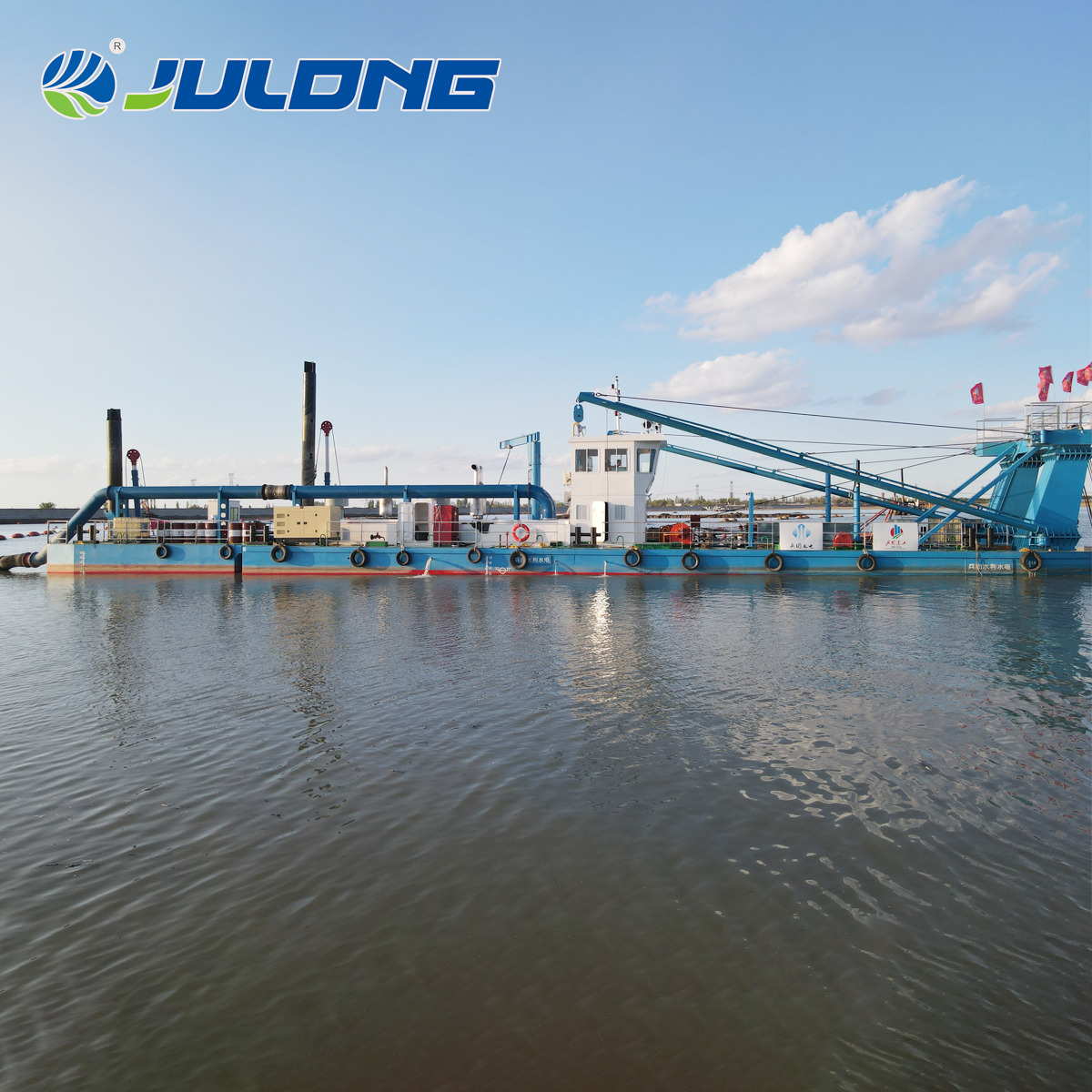
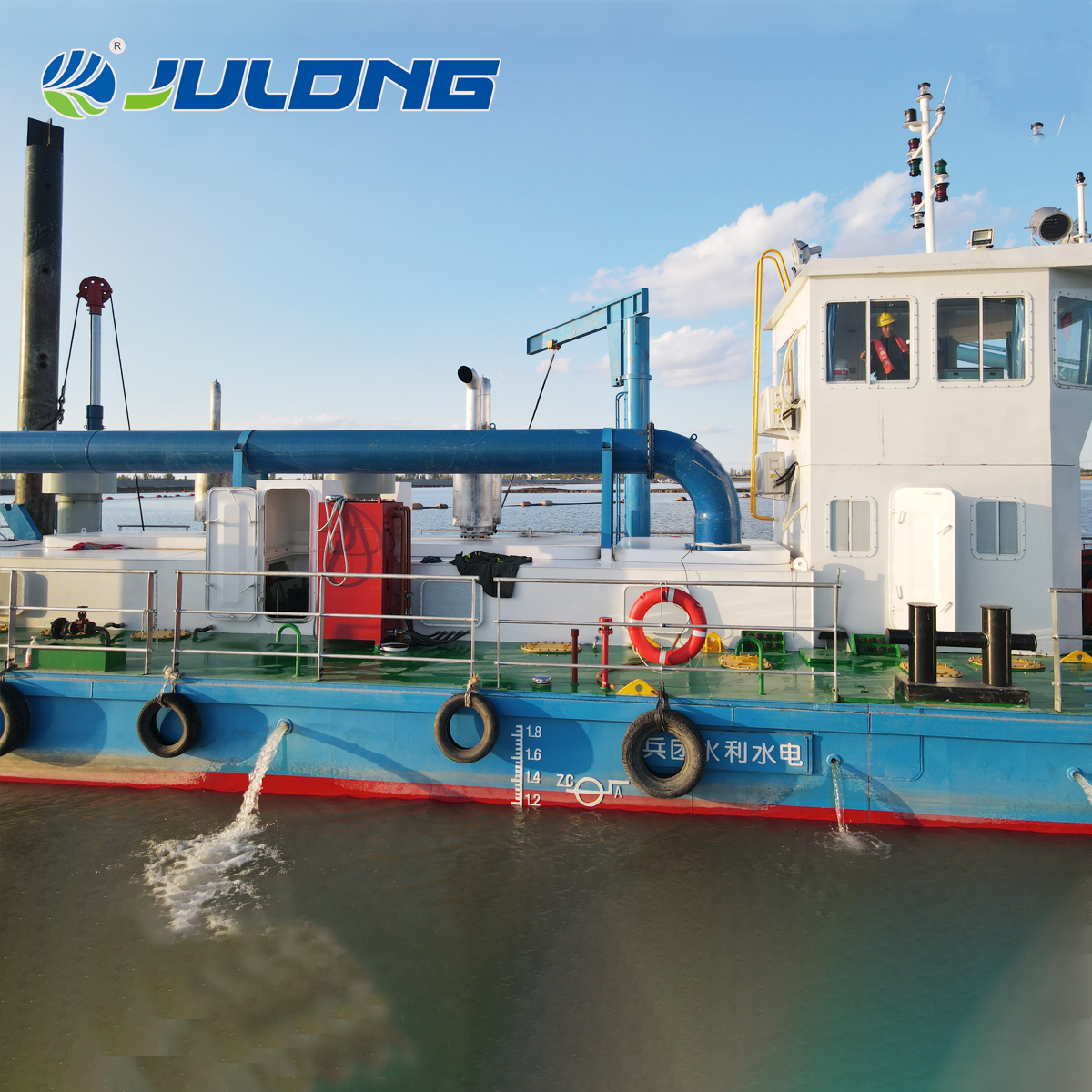
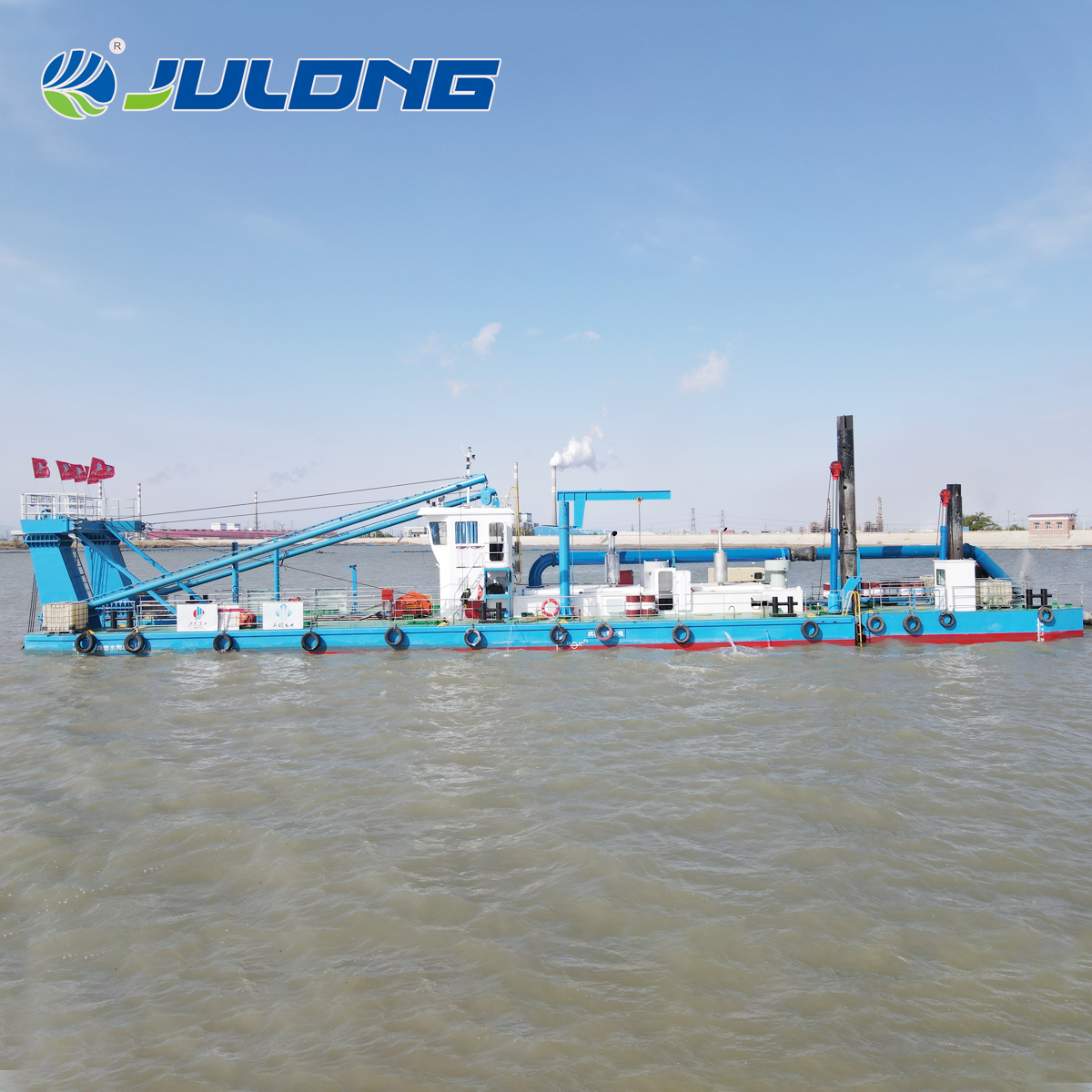
When selecting a river dredger for sale, buyers should consider  several essential factors. First, the type of dredger needed—cutter suction dredgers, amphibious dredgers, or excavators—depends on  the project requirements and site conditions. For example, cutter suction  dredgers like the JLCSD700 Cutter Suction Dredger – 7,000 m³/h Heavy-Duty Hydraulic Dredging Vessel are ideal for deep excavation in soft soil,  while amphibious dredgers can operate in shallow, marshy areas.

Next, evaluate the dredger's capacity and performance  specifications, including pumping speed, maximum dredging  depth, and  discharge distance. These parameters influence  the efficiency and effectiveness of the  dredging process. Furthermore, consider  the dredger's maneuverability  and stability,  especially if the project  involves navigating narrow waterways or operating in challenging environments.

Finally, assess the manufacturer's reputation  and service capabilities. A  company with ISO/CE certifications, like  Qingzhou JULONG Environmental Technology Co., Ltd., signifies a commitment to quality and safety  standards, which is crucial for  ensuring reliable  equipment performance.


Frequently Asked Questions

What types of river dredgers do you offer?

We supply cutter suction dredgers, amphibious dredgers, and excavator-mounted dredgers tailored for river, lake, and port projects.
Yes. Our equipment carries ISO and CE certifications ensuring compliance with international quality and safety standards.
We offer customization of hull size, pumping capacity, cutter head type, engine power, and auxiliary equipment to meet specific project needs.
Yes. We provide technical support, spare parts, maintenance guidance, and remote troubleshooting to ensure long-term operation.
We serve clients in 93 countries and can handle international shipping, export documentation, and logistics for global deliveries.

Get a Free Quote

Our representative will contact you soon.
0/1000