Choosing the Right Gold Dredge for Your Project

application/gold-dredge, application/gold-dredge, 
Inquiry
Inquiry

gold dredge

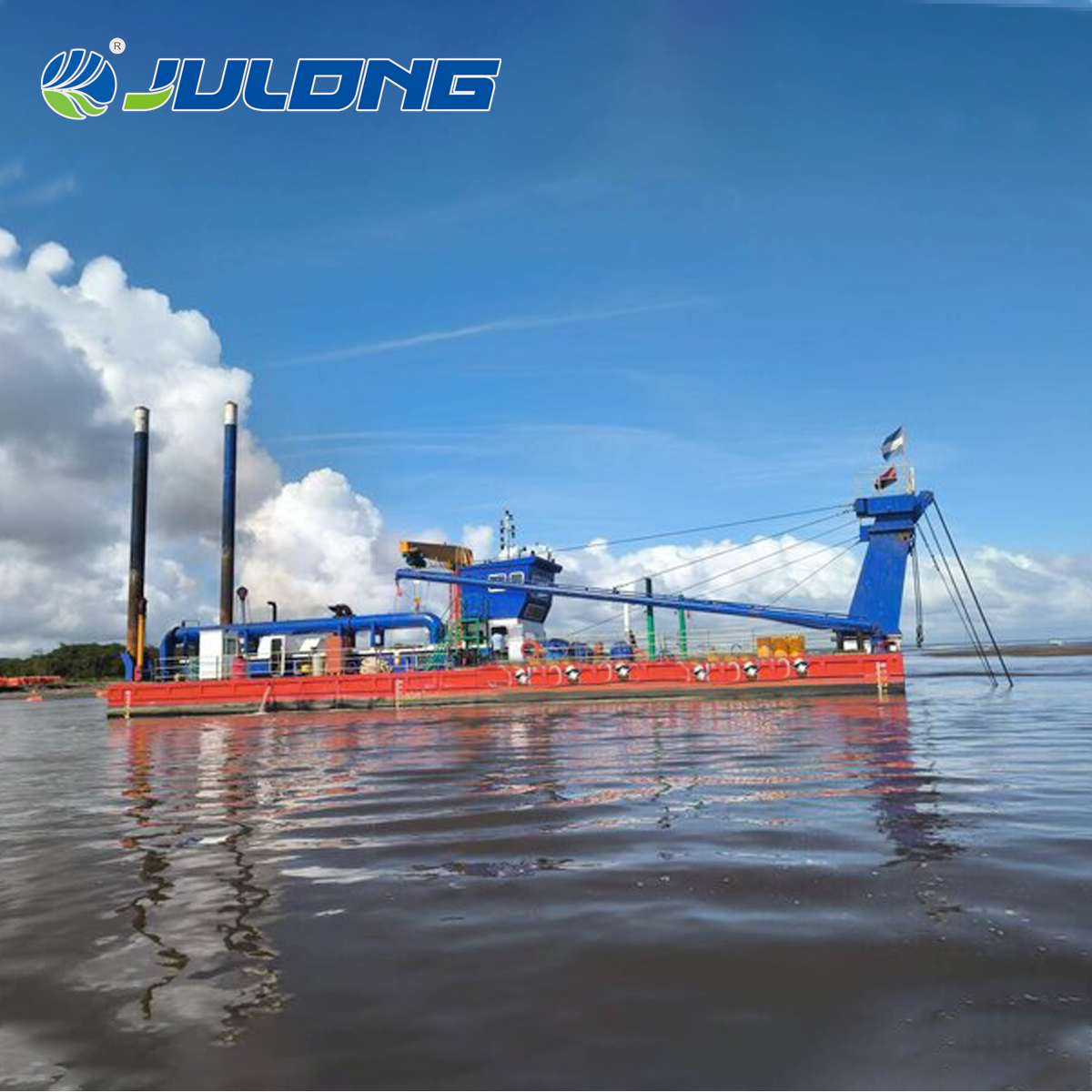
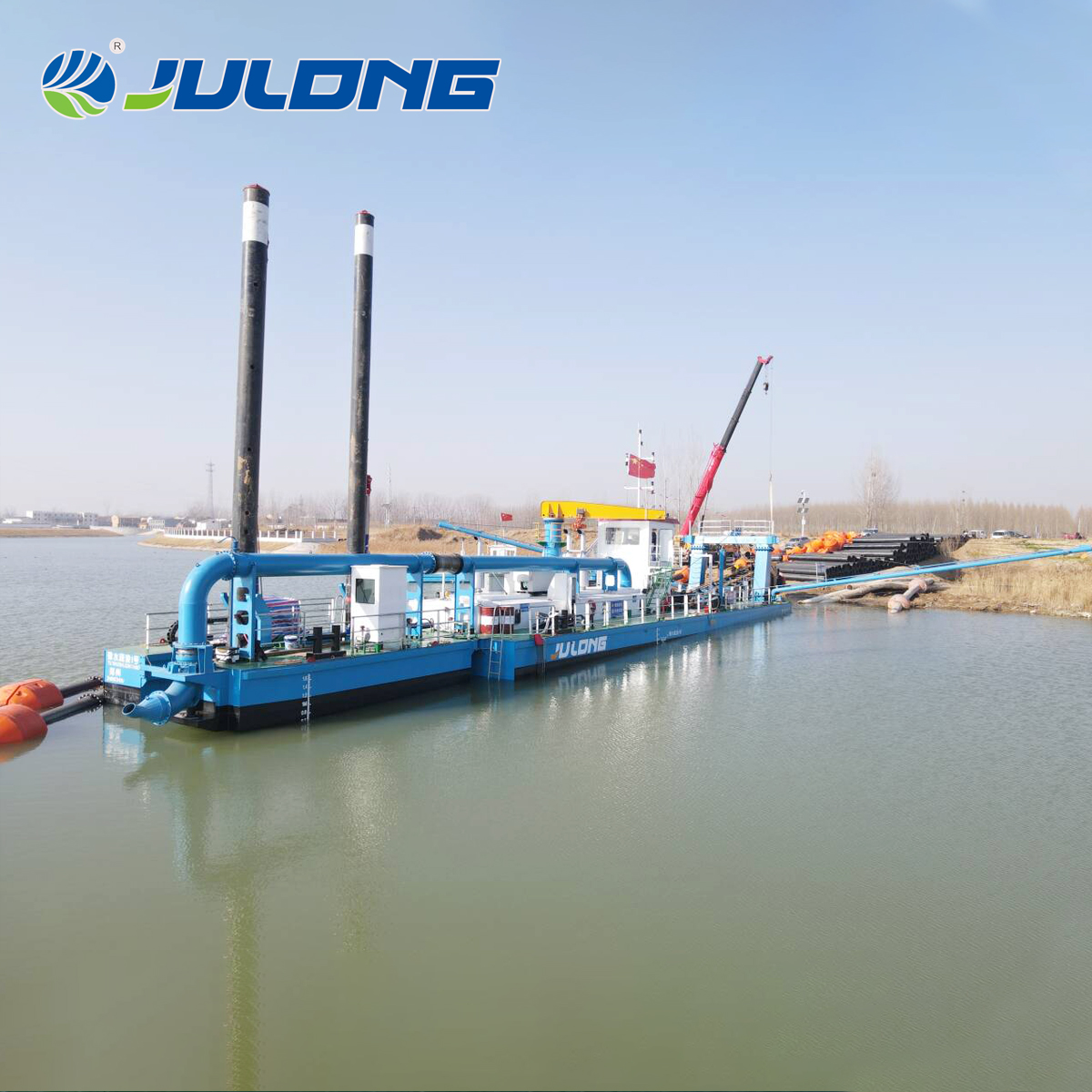
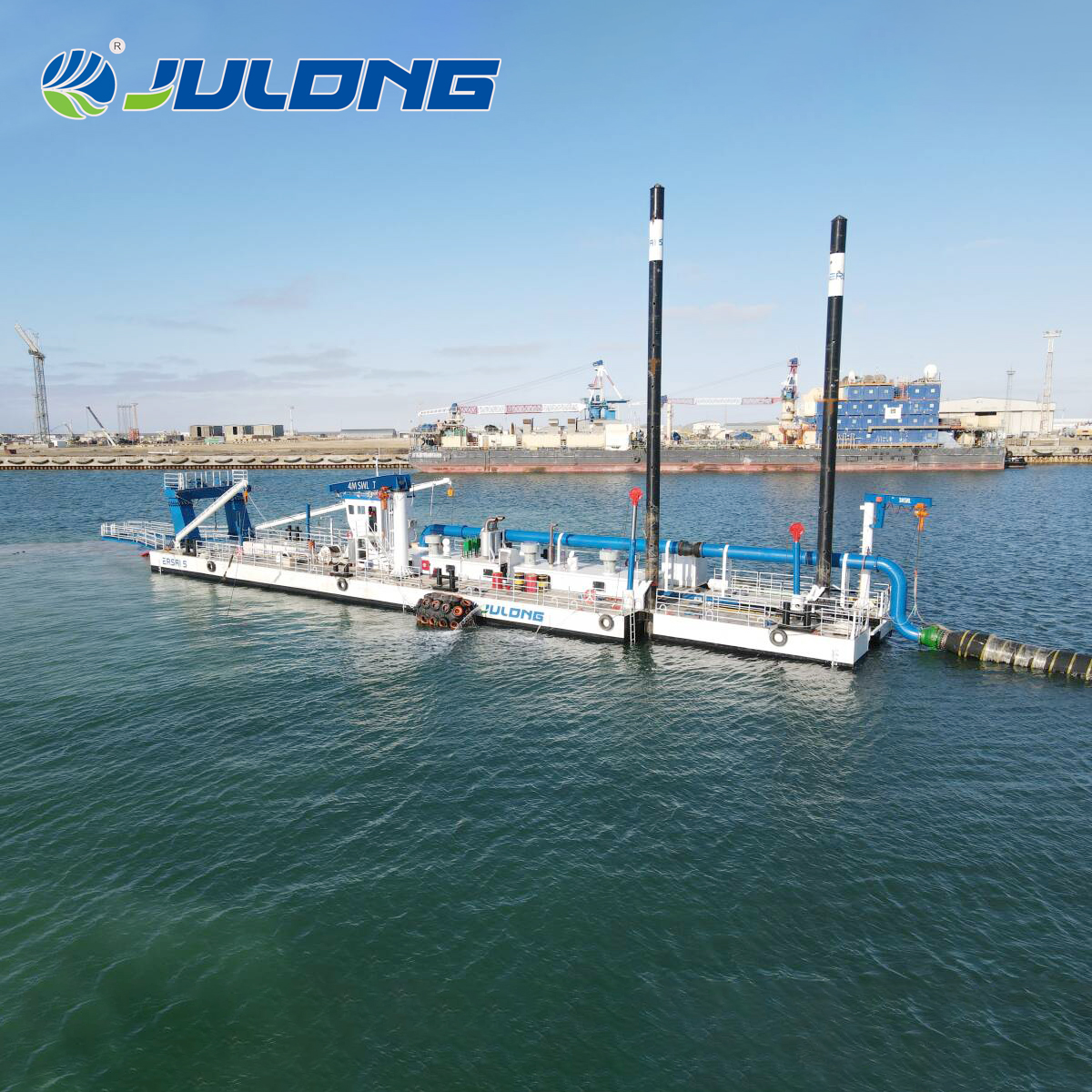
Gold  dredges  are specialized  machines designed for efficiently extracting gold and other precious materials from riverbeds, lakes,  and  other water bodies.  As a purchasing manager or distributor, you may be faced  with various concerns  including  efficiency, durability, and operational costs when evaluating gold  dredges.  This  article provides comprehensive insights into selecting  the  right gold  dredge for your project, ensuring  long-lasting performance, and navigating common issues  that  may  arise  during operation.

Suppliers You Can Trust

Suppliers You Can Trust

When sourcing a gold  dredge, partnering with a reliable supplier is paramount. Look for manufacturers who have established a reputation  for quality and reliability in the industry. 

Certifications: Verify if the supplier holds relevant certifications, such as ISO or CE,  which indicate compliance with international quality standards. This  is crucial for ensuring that  the dredge meets  safety  and operational guidelines.

Experience and Expertise: Suppliers with extensive experience in  manufacturing gold dredges will better understand the challenges faced by buyers. They can provide  valuable insights into product specifications  and operational  best  practices.

Customer Feedback: Research customer reviews and testimonials. Positive feedback from previous buyers can be a  strong indicator of a  supplier's trustworthiness and product performance.

After-Sales Support: Ensure that  the supplier offers robust after-sales support, including maintenance services and the availability  of spare parts. This support  is  vital for minimizing downtime and ensuring the long-term functionality  of your dredge.

By selecting a reputable supplier, you can mitigate risks associated with the procurement process and ensure a smoother operational experience.

Ensuring Long-Lasting Performance

Ensuring Long-Lasting Performance

To  maximize the  lifespan and efficiency of your gold dredge,  consider the following maintenance and operational practices:

Regular Maintenance: Implement a routine  maintenance schedule that includes inspections, cleaning, and  necessary repairs. Regular checks can prevent minor issues from escalating into major operational failures.

Operator Training:  Proper training for operators is critical. Ensure that they  understand the dredge's functions and limitations, as well as  best practices for operation to avoid misuse that could lead to damage.

Material Handling: Pay  attention to the type of materials being processed. Avoid  overloading the dredge or introducing materials that exceed its operational  specifications,  as this can lead to wear and tear.

Storage Conditions: When not in use, store the dredge  in  a dry, sheltered area to protect it from environmental factors that could  cause  corrosion  or damage.

By adhering to these practices, you can ensure your gold dredge operates  effectively over its intended lifespan, reducing the need  for costly  repairs or replacements.

Finding the Right Gold Dredge for Your Needs

Finding the Right Gold Dredge for Your Needs

Determining the right gold dredge for your specific  needs requires a blend of  understanding your operational  context and the technical specifications of available models:

Project Scope: Clearly define the scope of your project, including the expected volume of  material to be dredged and the environmental conditions at the site. This will help  in selecting a  dredge  that can  efficiently handle the workload.


Technical Specifications: Review the technical  parameters of the dredge,  such as suction depth, pump capacity, and engine power. Ensure these specifications align with your project  requirements.

Customization Options: Some manufacturers, like  Qingzhou JULONG Environmental Technology Co., Ltd., offer  customization options  to tailor the dredge to  specific needs. This can include modifications in size, power,  or  additional features like specialized pumps for  different types of materials, such as the JLWB1600 Multi-function Work Boat.

Cost Considerations: Balance your budget against the specifications offered. While it might be tempting to opt for the cheapest option, consider the total cost of ownership, including  maintenance and operational expenses.

Taking these factors into account will aid in selecting a gold dredge that meets your operational needs effectively and efficiently.

Common Problems with Gold Dredges and Effective Solutions for Buyers

When  using gold dredges, buyers may encounter several  common issues. Understanding these problems and their solutions can enhance operational efficiency  and reduce downtime.

Clogged Suction Lines: This can occur due  to the presence of  large debris or an inappropriate material mixture. Regularly inspect and maintain suction lines, and consider  using  screens or grids to prevent larger materials from entering.

Engine Failures:  Mechanical failures can lead to significant downtime. Ensure  that all operators conduct pre-operation checks and  adhere to maintenance schedules to catch potential issues early.

Inefficient Material Processing: If the  dredge is not performing as expected, verify that it is not being overloaded and that the settings match the material being processed. Adjust the pump speed and dredging depth  based on the material characteristics.

Wear and Tear: Over time, components may wear  out, leading to  decreased performance. Use high-quality replacement parts and follow the manufacturer’s  recommendations for  maintenance to prolong the life of the dredge.

By proactively addressing these common problems and implementing effective solutions, buyers can ensure optimal performance and  longevity of their gold dredges.

Implementing these  practices and considerations will not only help  you make informed decisions when purchasing gold dredges but also enhance your operational  capabilities in gold extraction projects.

What to Consider When Choosing a Gold Dredge for Your Project

Selecting the appropriate gold dredge involves several critical considerations to ensure it meets the specific needs  of your project.


Type of Dredge: There are primarily two types of gold dredges: suction dredges  and cutter suction dredges. Suction dredges are typically easier to operate  and are  ideal for shallow waters, while cutter  suction dredges, such as the JLCSD700 Cutter Suction Dredger, are designed for deeper water  and can  handle tougher materials.

Size and Capacity: The size of the dredge  should  align with your operational requirements. Larger dredges generally have a higher capacity but may be more challenging to transport and operate. Assess the volume of material you need to process to determine the appropriate capacity.


Material and Construction: Look for dredges made from durable materials like high-strength steel or aluminum, which can withstand harsh operating conditions. The construction quality will directly  impact the dredge's  longevity and efficiency.

Power and Efficiency: Evaluate the engine power and design efficiency. A more powerful dredge can process larger quantities of materials faster,  which is essential for maximizing productivity.

Mobility and  Setup: Consider how easily the dredge  can be transported  and set up at the site.  Features like a lightweight  design and  modular components can simplify logistics.

By carefully considering these factors, you can choose a gold dredge that fits your project’s specific requirements and operational conditions.

Frequently Asked Questions

What is a gold dredge used for?

A gold dredge extracts gold-bearing material from rivers, lakes, and shallow seabeds using suction and recovery systems suited for placer mining and sediment removal.
We provide various cutter suction and amphibious dredge models with customizable specs to match site depth, capacity, and mobility requirements.
Yes. Our dredges are manufactured in an ISO/CE certified facility, ensuring compliance with international quality and safety standards.
Yes. We customize engine, pump, hopper, and cutter configurations to suit river, lake, and port project needs for performance and durability.
We offer technical guidance, spare parts supply, installation assistance, and maintenance support to clients across 93 countries for long-term operation.

Get a Free Quote

Our representative will contact you soon.
0/1000