Choosing the Right Mini Dredging Machine

application/mini-dredging-machine, application/mini-dredging-machine, 
Inquiry
Inquiry

mini dredging machine

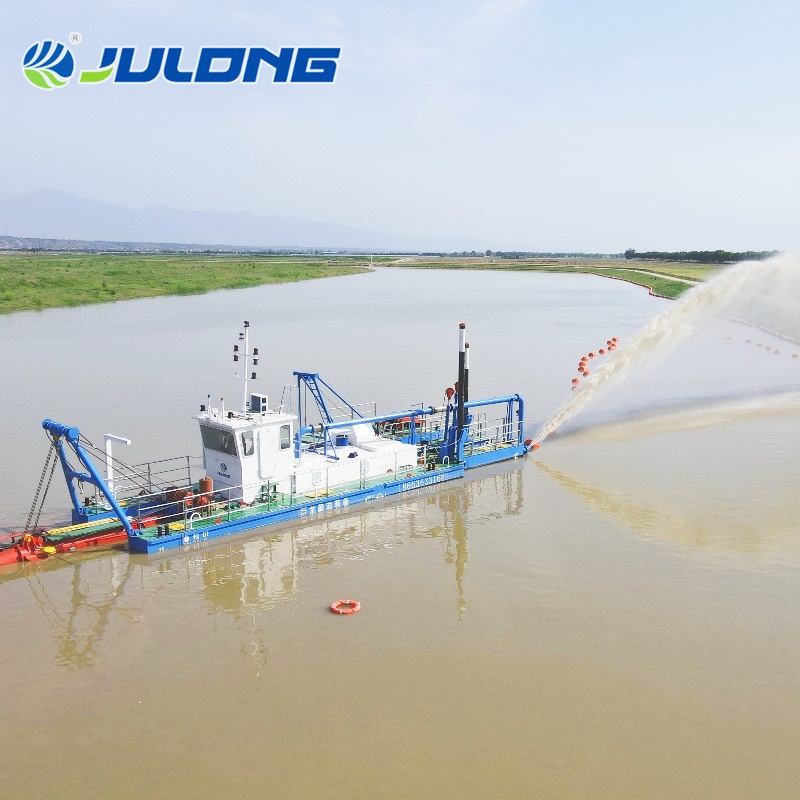
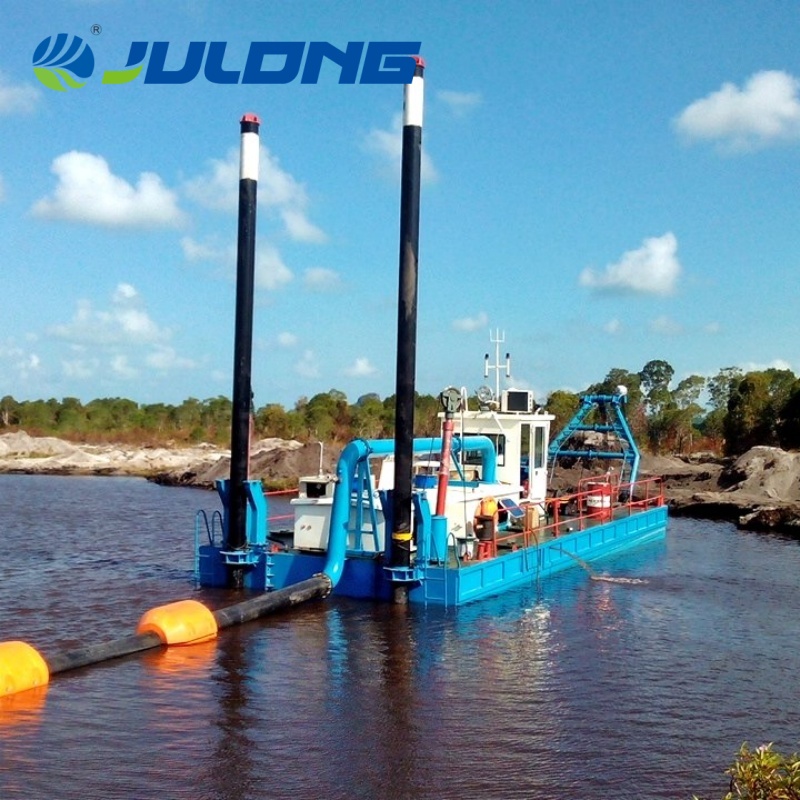
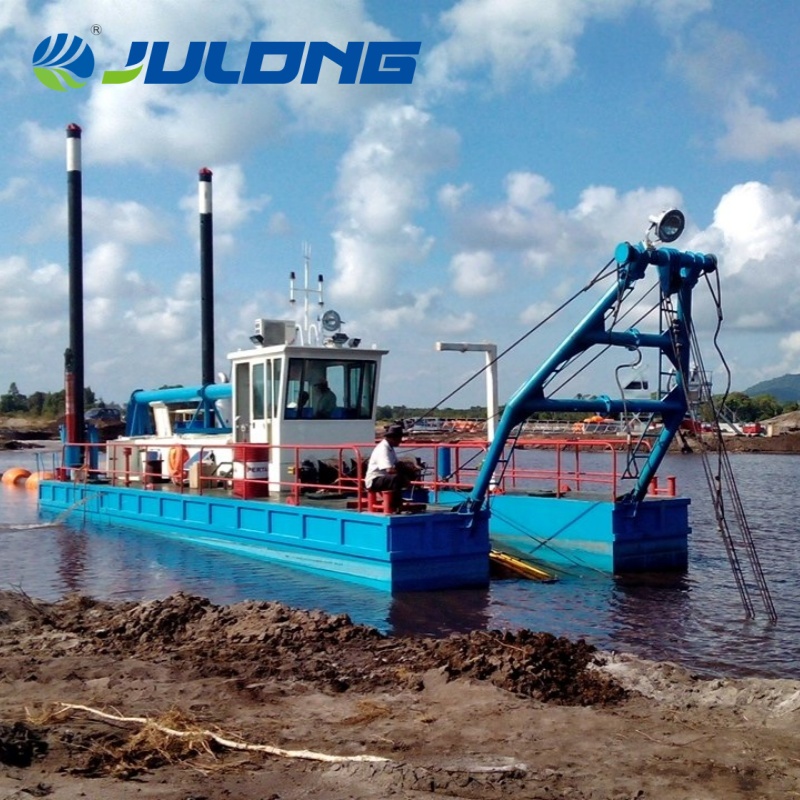
Mini dredging machines are compact, versatile tools designed for various  marine and  inland waterway  projects, including dredging rivers, lakes, and ports.  As  a B2B  buyer,  understanding the specifications, sourcing options, and  potential  challenges associated with  mini  dredging machines is crucial  for making informed  purchasing decisions. This article will provide  you  with practical insights into selecting the  right  mini dredging machine, sourcing  options, cost factors, installation guidance, and common  issues you  may encounter.

Wholesale Sourcing Options for Reliable Mini Dredging Machines

Wholesale Sourcing Options for Reliable Mini Dredging Machines

When sourcing  mini dredging machines, consider both local and international suppliers.  Engaging with manufacturers directly can  often yield better pricing and customization options. It's essential to evaluate the manufacturer's production capabilities, including their facility size, quality control processes, and  experience in exporting  to your region. For example, if you are looking for versatile options, a Multi-Function Work Boat might also be a great addition to your fleet.

Inquire about bulk  purchasing options, as many manufacturers offer discounts for  wholesale orders.  Additionally, consider the lead time for production  and shipping, especially if you have a  tight project  schedule. Requesting detailed quotations from  multiple suppliers can help you  compare  prices and specifications  effectively.

Another factor  to consider is whether the manufacturer provides after-sales support or maintenance services. Reliable  support can be crucial for minimizing downtime during your project. Ensure that the supplier can  provide spare parts and assistance as  needed.

Understanding the Cost Factors of Mini Dredging Machines

Understanding the Cost Factors of Mini Dredging Machines

The cost of mini dredging machines can vary significantly based on  several factors, including size, power, and features. Generally, the initial investment involves not just the purchase price but also shipping, installation, and potential customization  costs. When budgeting for your machine, consider the following elements:

Specifications: Higher power and advanced features generally  lead  to increased costs. For example,  a machine with advanced hydraulic systems or enhanced mobility options may cost more  upfront but could lead to  increased efficiency and lower operational costs in the long  run.

Material and Build Quality: The  choice of  materials used in manufacturing can impact both the price and the longevity of the dredging  machine. Machines built with  high-quality  steel or corrosion-resistant materials may have a higher initial cost but offer better durability.

Customization Needs: If your project has unique requirements, customization can add to the overall cost. Discuss your needs  with the manufacturer to understand how modifications  may  affect  pricing.

Ongoing Operational Costs: Don't forget to factor in  the operational costs, including fuel consumption, maintenance, and potential repair costs  over the machine's lifespan. Investing in a more efficient machine may lower these costs over time.

Installation Guidance for Efficient Mini Dredging Operations

Installation Guidance for Efficient Mini Dredging Operations

Proper installation of mini dredging machines is critical to ensuring optimal performance. Before installation, it’s crucial to prepare  the site adequately.  This includes:

Site Assessment: Evaluate the worksite to  ensure it can accommodate the dredging machine. Consider  factors such as access  routes, ground stability, and  environmental regulations.

Training  and  Safety: Ensure that  operators  are properly trained in the machine's use and safety protocols. Familiarity with  the machine's features and  controls can prevent accidents and equipment damage.

Testing and Calibration: Once installed, conduct a thorough test of the machine to ensure it operates correctly. This includes checking suction power, cutter functionality (if applicable), and any hydraulic systems. Calibration may be necessary to optimize performance based on  the specific conditions of  your project.

Regular Maintenance Checks:  After  installation, implement a maintenance schedule to ensure the  machine  operates efficiently  throughout its lifecycle.  Regular inspections can help identify potential issues early, preventing costly repairs.

Common Issues with Mini Dredging Machines and Their Solutions

Like  any machinery,  mini dredging machines can experience issues during operation. Being aware  of common problems and their solutions  can help minimize downtime and maintain  productivity:

Clogging: One of the most frequent issues is clogging due to debris or oversized materials. To mitigate this, operators should monitor the material being dredged and avoid overloading the suction  system. Regularly inspecting the suction line can help catch clogs before they become problematic.

Hydraulic Failures: Hydraulic systems are integral to mini dredging machines, and failures can lead to significant operational disruptions. Ensure that hydraulic fluid levels are monitored  and that regular maintenance is performed on hydraulic components.

Wear and Tear: Components such as cutter heads and suction hoses are subject to wear over time. Schedule regular inspections to assess the  condition of these parts, and replace them as  necessary to maintain performance.

Operational Efficiency: If a machine is  not performing as expected, review operational techniques. Training operators on best practices and ensuring they understand the  machine's capabilities can lead to improved efficiency and output.

By understanding these common issues, you can better prepare for potential  challenges and ensure  that your mini dredging machine  operates smoothly throughout  your project.

In summary, selecting the right mini dredging machine involves careful consideration  of project requirements, sourcing strategies, cost factors, proper installation, and awareness of potential issues.  Engaging with experienced  manufacturers  like Qingzhou JULONG Environmental Technology Co., Ltd. can provide valuable support in navigating these considerations, ensuring that  you make informed decisions tailored to your specific needs.

Choosing the Right Mini Dredging Machine for Your Project Needs

Selecting the appropriate mini dredging  machine involves considering several key factors. First, assess the specific  requirements of your project, including  the dredging depth and the type of material to be removed (sand, silt, or clay). Mini dredging machines  typically vary in power, suction  capability, and operational depth, which can significantly affect their performance.

For example, a cutter suction mini dredging machine is ideal for hard substrates,  as it uses a rotating cutter head to  break  up  material  before suctioning it  away. In contrast, a more straightforward  suction dredger may be  more suitable  for softer materials. Additionally, consider the machine's mobility;  amphibious models can operate on both land and water, providing flexibility for projects near  shorelines. You may also explore options like the Amphibious Equipment to enhance project efficiency.

Finally, ensure that the machine meets necessary safety and environmental regulations  relevant to your location. Engaging with a reputable manufacturer, like Qingzhou JULONG Environmental Technology Co., Ltd., can provide  you with machines that  comply with ISO and CE certifications, ensuring quality and safety.

Frequently Asked Questions

What is the mini dredging machine used for?

Our mini dredging machine is for small-scale river, lake and port sediment removal, channel maintenance, pond cleaning and shallow-water excavation where maneuverability and low ground impact are required.
We provide ISO and CE certified mini dredging machines built in a 12,000 m² facility, meeting international quality and safety standards for reliable operation and durability.
Typical specs include compact dimensions, low draft, cutter suction or pump options, power ranges from small diesel engines, and customizable reach and discharge capacity to suit site needs.
Yes. The mini dredger is designed for shallow, marshy and confined waters, with amphibious or low-draft configurations to ensure stable operation and minimal environmental disturbance.
We offer technical guidance, spare parts supply, maintenance training and remote support. Service packages can be arranged to support operation across our global client network.

Get a Free Quote

Our representative will contact you soon.
0/1000