Key Specifications for Mini Dredges

application/mini-dredge, application/mini-dredge, 
Inquiry
Inquiry

mini dredge

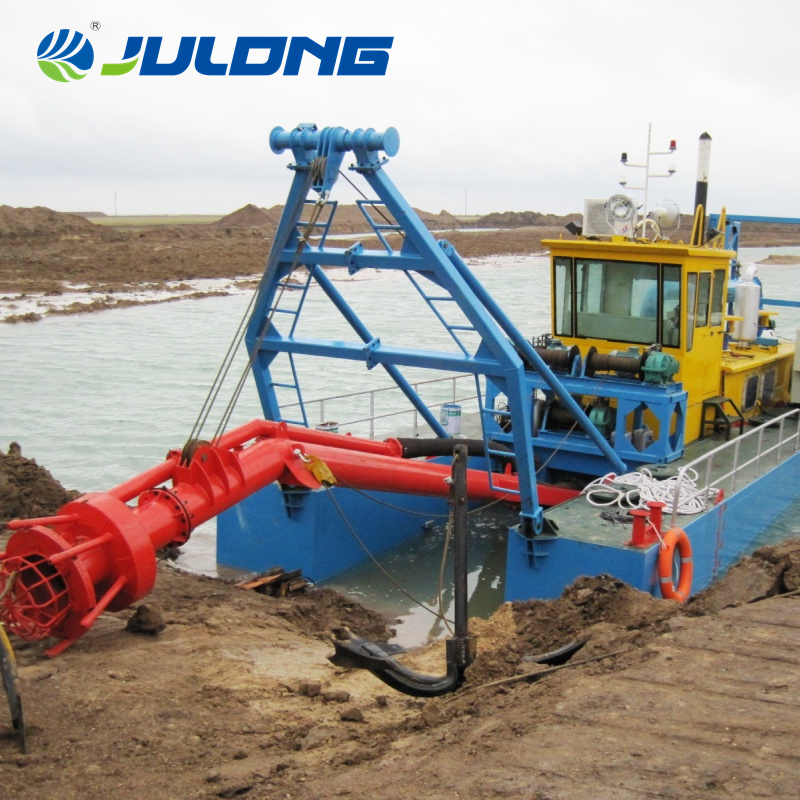
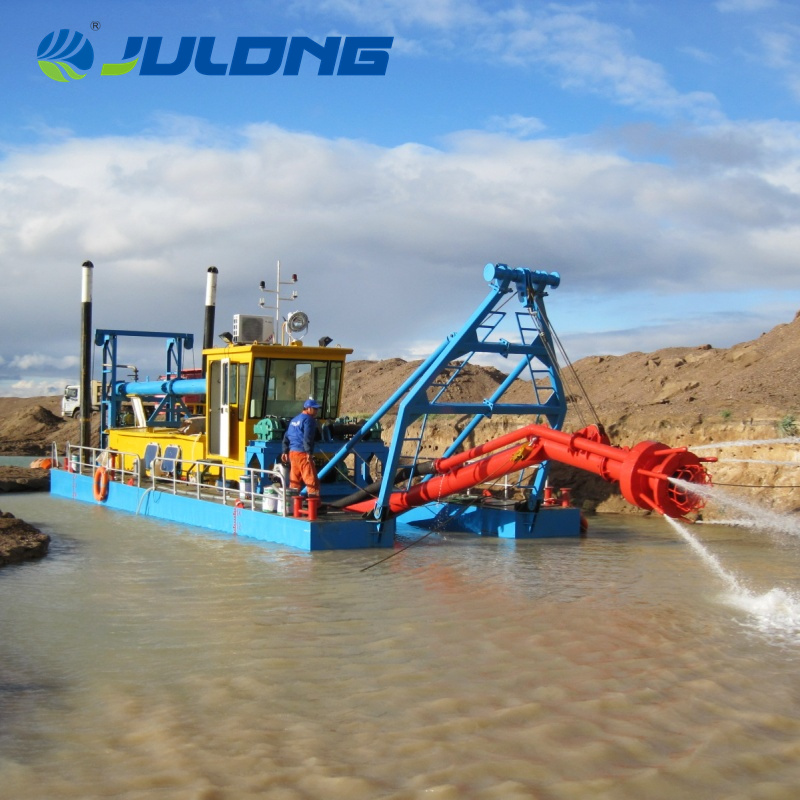
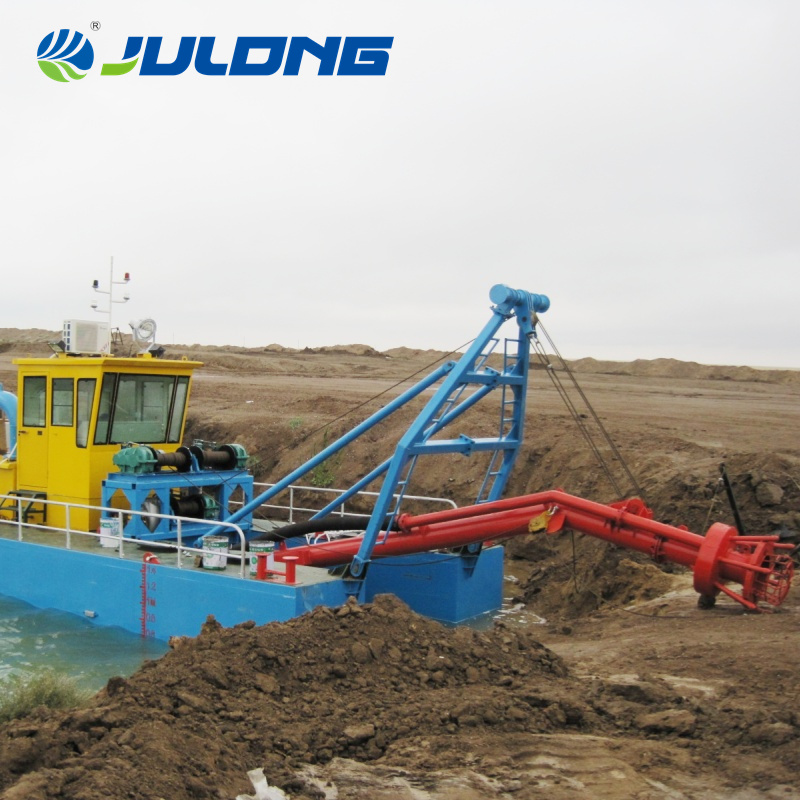
A mini  dredge  is  a compact, versatile piece  of  equipment designed for dredging operations  in shallow waters such as rivers, lakes, and  ports. As a purchasing manager or  project  engineer, you  might  be focused  on  factors like efficiency, durability, and suitability for specific projects when  considering your options. This article will delve into key specifications, selection  criteria, advantages of bulk ordering, the  importance  of  expert partnerships, and installation guidance, ensuring you have  the knowledge needed to make  informed decisions for your dredging projects. You may also want to explore the use of an Dredger for larger operations.

How to Choose the Right Mini Dredge for Your Project Needs

How to Choose the Right Mini Dredge for Your Project Needs

Choosing the right mini dredge  involves assessing both your project requirements and the dredge’s specifications. Start by clearly defining your operational goals:

Project Scope: Determine the size and depth of the area to be dredged. For smaller, shallower  bodies of water, a  compact mini dredge may suffice, while larger projects may require more robust models.

Material Type: Consider the type of material you will be dredging—sand, silt, clay, or  debris—as different mini dredges are designed for specific materials. Ensure the dredge you choose can  effectively manage the material type.

Operational Environment: Evaluate the dredging environment, including water  conditions (e.g., tidal, freshwater, brackish) and any environmental regulations that may dictate the  type  of dredging equipment  you can use.

Customization Options: Many manufacturers, including Qingzhou JULONG Environmental Technology Co., Ltd., offer customization options. If your project  has unique  requirements, inquire about modifications to the standard dredge model.

Cost vs. Efficiency: While it may be  tempting to opt for the lowest price, consider the total cost  of ownership, which includes maintenance, fuel consumption, and operational  efficiency. Investing in a more efficient model may yield  better long-term results.

By thoroughly assessing  these  factors, you can select a mini dredge that not only meets  your project specifications  but also enhances  overall efficiency and productivity.

Advantages of Bulk Ordering Mini Dredges for Distributors

Advantages of Bulk Ordering Mini Dredges for Distributors

For distributors, bulk ordering mini dredges can offer several  strategic advantages:

Cost  Savings: Purchasing in bulk  often leads  to  significant discounts.  Manufacturers may  provide better pricing tiers, which can improve your margin when reselling the equipment.

Consistent Supply: Having a  well-stocked inventory of mini dredges allows distributors to  respond quickly to customer demands without delays. This can enhance customer satisfaction and build long-term relationships.

Reduced Shipping Costs: Bulk orders can  minimize shipping costs per unit, which  is particularly beneficial for distributors managing multiple  deliveries to various clients.

Market Competitiveness: By  offering a diverse range of mini  dredges in various configurations, distributors can cater to a  broader market, ensuring they meet the needs of different customer segments.

Streamlined Operations: Managing fewer, larger orders can  simplify inventory management and  logistics, making it easier to track  stock levels and turnover rates.

Overall, bulk ordering mini dredges not only enhances profitability but also positions distributors as reliable suppliers in the competitive dredging market.

Why Partnering with Experts Matters

Why Partnering with Experts Matters

In the complex world of dredging equipment, partnering with industry experts like  Qingzhou JULONG Environmental Technology Co., Ltd. can provide invaluable benefits:

Technical Expertise: Experienced manufacturers can offer insights into the latest technologies and innovations in mini dredge design. Their knowledge can guide you in selecting equipment that maximizes  efficiency and cost-effectiveness.

Customization Capabilities: Experts understand that every project has unique requirements. They  can assist in customizing mini dredges to meet specific operational needs, ensuring compatibility  with your project.

Reliable Support and Maintenance: A reputable manufacturer  will  provide ongoing support, including  maintenance services and spare parts availability. This ensures your equipment remains operational and reduces downtime.

Quality Assurance: Partnering  with a  manufacturer that prioritizes quality control can help you avoid the pitfalls of subpar equipment. Certified manufacturers typically adhere to strict  quality standards, ensuring that you receive durable, reliable products.

Training and Resources: Many experienced manufacturers offer training programs for your team, helping  them understand the operational and maintenance aspects of the mini dredge. This can significantly  reduce  the learning  curve and enhance operational efficiency.

By collaborating  with industry experts, you can mitigate  risks  associated  with  equipment procurement and ensure that your dredging projects are executed smoothly and successfully.

Installation Guidance for Your Mini Dredge Purchase

Proper installation of your mini dredge is crucial to its operational success. Here are some key steps to consider:

Site Assessment: Before installation, conduct a thorough assessment of the site where the dredge will operate.  This includes evaluating water depth, bottom conditions, and accessibility for transport.

Foundation Preparation:  Ensure  that the dredge has a  stable foundation. This may involve preparing a floating platform or securing  the dredge to the ground, depending on the dredging environment.

Assembly Instructions:  Follow the manufacturer’s assembly  guides carefully. Pay attention to details such as aligning components correctly and securing all fittings to prevent operational issues.

Testing:  Before fully  deploying the mini  dredge, conduct  a test run to ensure all systems are functioning properly. Monitor for any leaks, unusual noises, or operational inefficiencies that may  need addressing.

Training: Ensure that operators are trained on the specific model of the mini dredge being used. Familiarity with controls, safety protocols, and maintenance procedures is essential for efficient operation.

By  following these installation  guidelines, you can help ensure that  your  mini dredge operates effectively from the outset, maximizing productivity  and minimizing potential issues.

Key Specifications to Consider When Selecting a Mini Dredge

When evaluating mini dredges,  several key specifications are essential to ensure the equipment meets your  project requirements.

Dredge Depth and Width: The maximum dredging depth and width are crucial for determining the dredge's operational capability. Ensure  these dimensions align with  your  project’s requirements  to avoid performance limitations.

Pump Capacity: Pump capacity, often measured in cubic meters per hour (m³/h), indicates the volume of material the dredge can remove in a given timeframe. A higher capacity typically leads  to increased efficiency, particularly  in extensive dredging projects.

Engine Power: The power of the engine, usually given in horsepower (HP), affects the  dredge's ability to operate effectively in various conditions. A  more powerful engine can  handle tougher materials and larger volumes, which is vital  for challenging environments.

Weight  and Portability: The weight of the mini dredge impacts its transportability. Lighter models may be easier to move to remote locations, while heavier models may offer  increased stability and durability during operation. If portability is a concern, consider a Multi-Function Work Boat for easier transportation.

Construction Materials: The materials  used in the construction of the mini dredge affect  its durability and resistance  to wear and  corrosion. High-quality steel or composite materials can enhance longevity, especially in harsh aquatic environments.

Understanding these specifications allows you to select a mini dredge that aligns with both  your operational needs  and environmental conditions.

Frequently Asked Questions

What is the mini dredge used for?

The mini dredge is designed for small-scale river, lake, port and wetland maintenance, sediment removal, and shallow-water excavation where compact, efficient equipment is required.
Typical specs include compact dimensions, shallow draft, cutter suction or excavator options, modular power units, and payload tailored to project needs. Specifics provided upon inquiry.
Yes. Our products carry ISO and CE certifications, ensuring compliance with international quality and safety standards.
We provide customization for dredging type, power, and attachments, plus spare parts, technical support, and maintenance guidance from our 12,000 m² facility.
We ship to clients in 93 countries, supporting international logistics, export documentation, and local service coordination.

Get a Free Quote

Our representative will contact you soon.
0/1000