Choosing the Right Jet Suction Dredger for Your Project

application/jet-suction-dredger, application/jet-suction-dredger, 
Inquiry
Inquiry

jet suction dredger

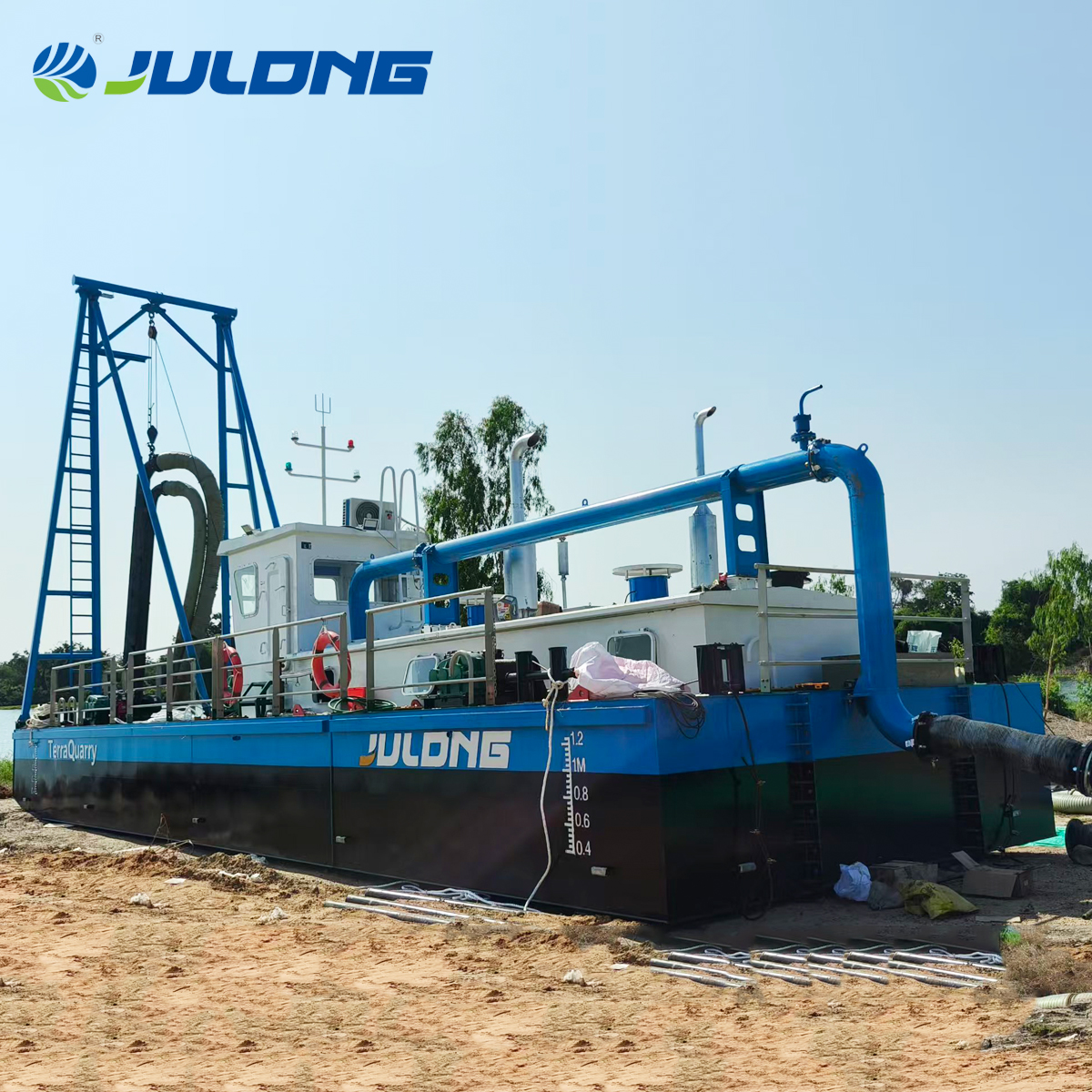
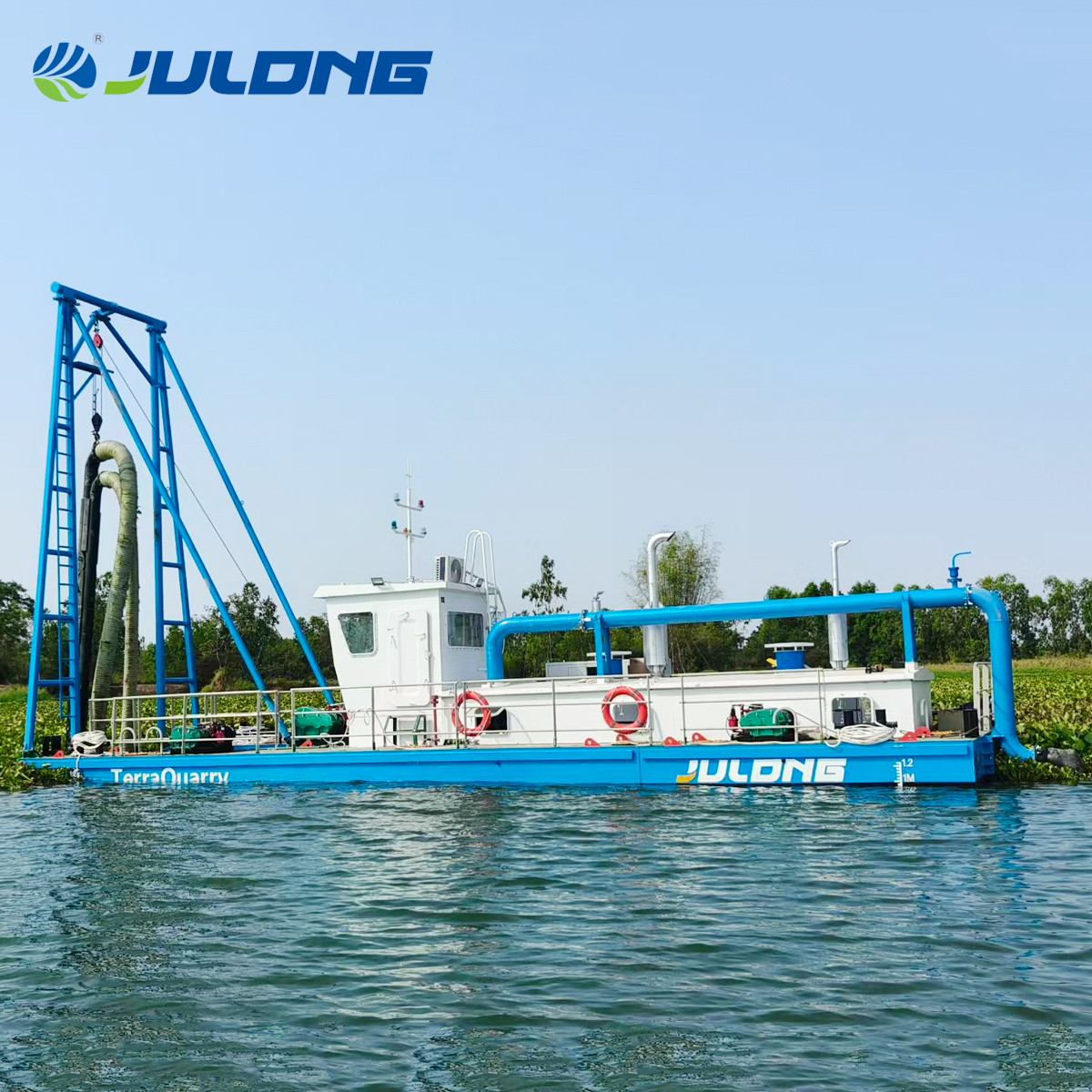
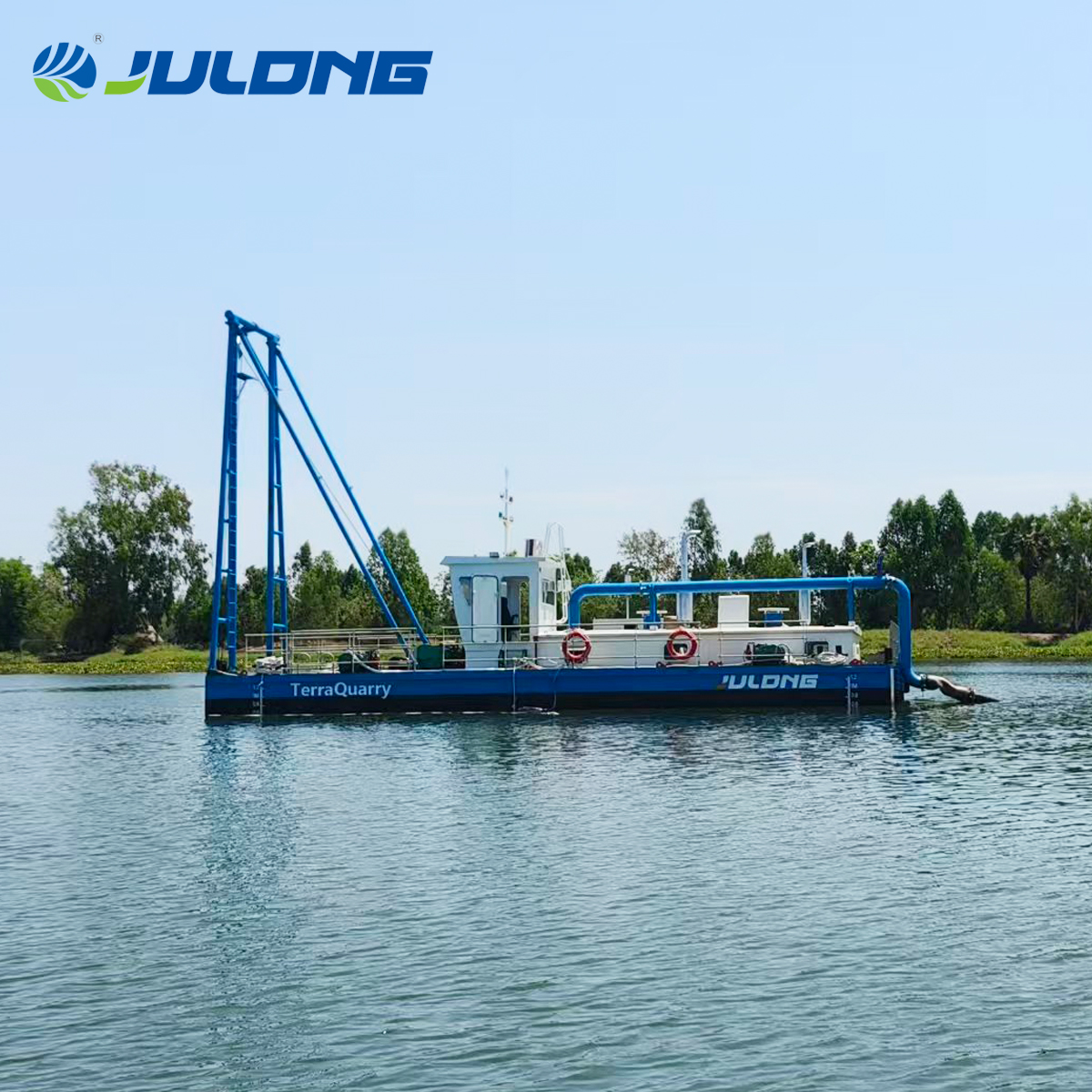
Choosing the right jet suction dredger  is crucial for the success of your  dredging projects.  These specialized  vessels are designed to efficiently  remove sediment from waterways, making  them  vital  in construction, environmental  restoration, and maintenance of  water bodies.  As a B2B buyer, you need to consider various factors such  as performance specifications, supplier  reliability, and cost  implications. This article  will guide  you through essential considerations when selecting a  jet  suction dredger, sourcing suppliers, and understanding the  purchasing process.

 
Wholesale Sourcing Tips for Reliable Jet Suction Dredger Suppliers

Wholesale Sourcing Tips for Reliable Jet Suction Dredger Suppliers

To effectively source jet  suction dredgers, consider the following tips:

Research and Reviews: Start  by researching potential suppliers. Look for reviews and case studies that highlight their experience in the  industry and the performance of their  dredgers.

Request Product  Samples: Before making a bulk purchase, request  samples or demonstrations. This allows you to evaluate the dredger’s performance and suitability  for your specific tasks.

Supplier Certifications: Verify  that suppliers have relevant  certifications. This reflects their commitment to quality and adherence to industry standards.


Assess  Manufacturing Capabilities: Understand the supplier's manufacturing capabilities, including their  facility size and production  technology. A company like Qingzhou JULONG  Environmental Technology Co., Ltd., with a 12,000  square meter facility, can handle large orders  efficiently. They are well-known for products like the JLWB1600 Multi-function Work Boat, which is ideal for various dredging operations.

Communication and Support: Choose suppliers that offer robust  customer support and clear communication. This is crucial  for addressing any issues that may  arise during the purchasing process.

 
Step-by-Step Process

Step-by-Step Process

The process of purchasing a jet  suction dredger typically involves the following steps:

Define Project Requirements: Clearly outline your project's specifications, including  dredging depth,  volume,  and any customization needs.

Supplier Research: Identify potential suppliers and gather information  about their product offerings and capabilities.

Request  Quotations: Contact suppliers with your requirements and request detailed quotations. Ensure that the quotes include  specifications, pricing, lead times, and  warranty information.

Evaluate Quotations: Compare the quotations based  on price, features,  and supplier reputation. Consider the total  cost of ownership rather than just the  initial  price.

Finalize  Contracts: Once you select a supplier,  finalize the contract. Ensure that  all terms, including delivery  schedules and payment methods, are clearly stated.

Quality Inspection: Upon receipt of the dredger,  conduct a thorough inspection  to ensure it meets the agreed-upon specifications  before commencing operation.

Cost Factors That Affect Jet Suction Dredger Purchases in Bulk

Cost Factors That Affect Jet Suction Dredger Purchases in Bulk

Several  cost factors can influence your purchase of jet suction dredgers:

Quantity Ordered: Bulk  orders  often come  with discounted pricing. However, consider  your storage capacity and the potential need for multiple dredgers in  the future.

Customization  Features: Any specific features or modifications can increase costs. Discuss these  with  your supplier to understand  the pricing  implications.


Shipping and Handling: Factor in shipping costs, especially if sourcing  from international suppliers. Ensure you understand the logistics involved in transporting large equipment.

Maintenance and Operational Costs: Consider the long-term  costs associated  with operating  and maintaining the dredger. Efficient models may have higher initial costs but save money  over time through reduced fuel and  maintenance expenses.


Market Fluctuations: Keep an eye on the  market for materials and components, as prices can fluctuate based on demand and availability, impacting your overall costs.

Where to Find Trusted Distributors of Jet Suction Dredgers Globally

Finding  reliable distributors for jet suction dredgers requires thorough research:

Industry Trade Shows: Attend trade shows and exhibitions related  to construction and environmental technology. These events provide opportunities to meet suppliers, view equipment firsthand, and  discuss your needs directly.

Online Marketplaces and Directories: Utilize online B2B platforms and directories  that specialize in industrial equipment. Look for suppliers with verified ratings and feedback from  previous  buyers.

Local Industry Associations: Join industry associations or groups  that focus on dredging and environmental technology.  These networks can provide  valuable referrals to trusted distributors.

Global  Exporters: Explore manufacturers with a proven track record of exporting to various countries, such as Qingzhou JULONG  Environmental Technology Co., Ltd., which serves 93 countries. Their international experience often indicates reliability and product quality.


Consult Industry Experts: Engage  with industry consultants or  experts who can  recommend  reputable distributors based on your specific needs and location.

By following these guidelines, you can make  informed  decisions when selecting a jet suction dredger, ensuring  that your project is equipped with the right tools for  success.

What to Consider When Choosing a Jet Suction Dredger for Your Project

When selecting a jet suction dredger, focus on specifications that  align with your project  requirements. Key considerations include:

Dredging Depth and Capacity: Determine the  maximum depth and  the volume of material the dredger  can handle. This is  essential for projects in deep waterways or those requiring significant sediment removal.

Power and Efficiency: Assess the dredger’s power output and  fuel efficiency. A powerful engine can  enhance performance but may  increase operational costs.  Opt for a model that balances power with efficiency.

Construction Material: The materials used  in the dredger's construction impact  its  durability and maintenance needs. Stainless steel or high-strength alloys are preferable for longevity, especially in corrosive  environments.

Customization Options: Depending on your project's unique requirements, you may need a dredger with  specific features, such as adjustable suction power or additional attachments for different sediment types. For instance, models like JLCSD700 Cutter Suction Dredger offer customizable features that cater to various dredging needs.

Compliance and Certifications:  Ensure that the  dredger meets  local environmental regulations and possesses necessary  certifications, such as ISO  or CE. This guarantees compliance with safety and environmental standards.

Frequently Asked Questions

What is a jet suction dredger used for?

A jet suction dredger removes silt, sand and sediments from rivers, lakes and ports using high-pressure water jets and suction pumps for efficient dredging and maintenance.
Advantages include high efficiency, low fuel consumption, simple operation, durable build, and suitability for shallow water and confined spaces.
We hold ISO and CE certifications and manufacture in a 12,000 m² facility to ensure quality, safety and reliable performance.
Yes. We offer customization for dredge depth, pump capacity, hull size and auxiliary equipment to meet river, lake or port project requirements.
We provide installation guidance, technical training, spare parts supply and remote troubleshooting. We export to 93 countries with coordinated logistics support.

Get a Free Quote

Our representative will contact you soon.
0/1000