Choosing the Right Hydraulic Dredge for Your Project

application/hydraulic-dredge, application/hydraulic-dredge, 
Inquiry
Inquiry

hydraulic dredge

Hydraulic dredges are  essential  machinery  used in various industrial applications, particularly for  excavation  and  material removal  in aquatic environments. B2B  buyers, such as purchasing managers, project  managers, and engineers, often face critical decisions  about selecting the  right hydraulic dredge to  meet  specific project needs. This article aims to equip  you with  crucial insights into choosing, comparing,  and understanding the cost factors  associated with hydraulic dredges,  as  well as their diverse applications in multiple industries.

 
Key Specifications to Evaluate in Hydraulic Dredges

Key Specifications to Evaluate in Hydraulic Dredges

When evaluating hydraulic dredges, several key specifications play a crucial role in their performance and suitability for specific tasks. These include:

Dredging Depth and Width: The maximum dredging depth and width dictate how much material can be removed in a  single pass. Ensure  that the dredge matches  the depth of the water body  for optimal  performance.

Pump Capacity: The hydraulic pump's flow rate (measured in  cubic meters  per hour) is essential for determining how quickly material can be removed. A higher pump capacity allows  for more efficient operation, particularly in  large-scale projects.


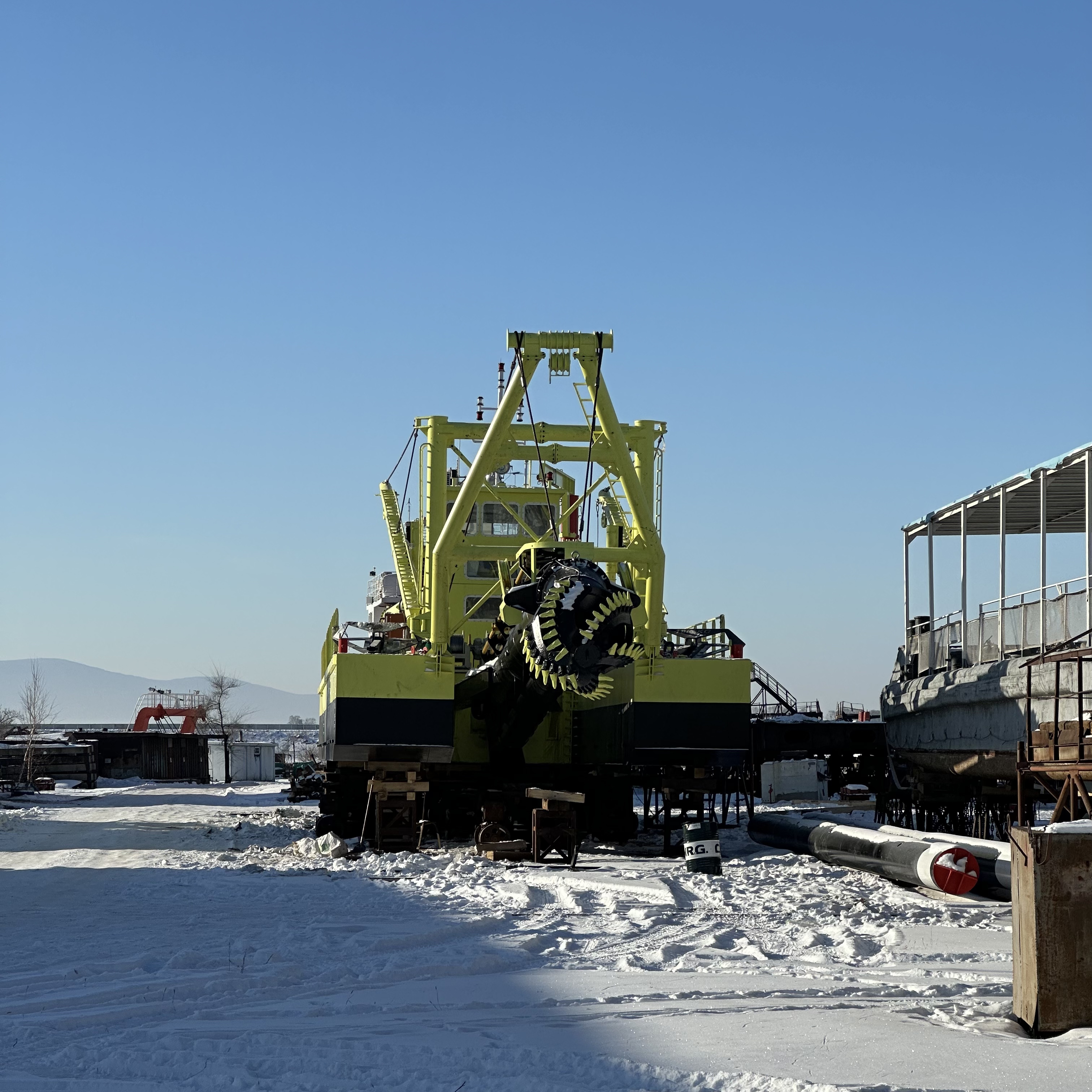
Cutting Head Design: The design of the cutting head influences the dredge’s efficiency in various materials.  Options include different types of blades and configurations designed for specific soil conditions.

Engine Power: The power of the engine affects not just  the dredging capabilities but also the overall efficiency and fuel consumption.  A more powerful engine can handle tougher materials but may lead to  higher operational costs.

Material Construction: Hydraulic dredges should be constructed from durable materials  that can withstand harsh working conditions,  including corrosion  resistance in saline environments.

Buyers should closely evaluate  these specifications against the demands of their  project to ensure optimal performance and longevity  of the equipment.

How to Compare Hydraulic Dredges for Optimal Performance

How to Compare Hydraulic Dredges for Optimal Performance

To effectively compare hydraulic dredges,  you should develop a systematic approach focusing on specific performance metrics and manufacturer  reliability. Start by assessing the specifications outlined above and gather comparative data from different manufacturers.

Performance Metrics: Look for performance  parameters  such as dredging efficiency (measured in cubic  meters  per hour), fuel consumption rates, and maintenance schedules. These metrics directly impact operational costs and project timelines.

Manufacturer Reputation: Research the manufacturer's history, certifications (like ISO  and CE), and customer feedback. A reputable manufacturer, like Qingzhou JULONG Environmental Technology Co., Ltd., known for its reliable products, can provide assurance regarding quality  and support.

Customization Options: Discuss customization capabilities with manufacturers, as specific project demands may necessitate tailored solutions.  Manufacturers with experience in  adapting their designs to meet unique requirements  can offer significant advantages.

Post-Sales Support:  Evaluate the  level of after-sales support provided, including spare parts availability  and maintenance services. Strong support can  reduce downtime  and ensure  the dredge  operates efficiently over its lifespan.

By considering these factors, buyers can  make informed comparisons to select a hydraulic dredge that best  meets their operational needs.

Understanding the Cost Factors of Hydraulic Dredges

Understanding the Cost Factors of Hydraulic Dredges

The cost  of hydraulic dredges can vary  significantly based on several factors, which buyers need to understand to  make informed purchasing decisions. 

Initial Purchase Price: The base price of the dredge will  depend on its  specifications and features. Higher-capacity dredges with advanced technology typically command a premium.  For instance, the JLWB1600 Multi-function Work Boat is a versatile vessel that can be adapted for various dredging operations.


Operational Costs: Fuel efficiency, maintenance needs, and wear-and-tear on components impact  long-term costs.  Buyers should analyze the  total cost of ownership, including regular maintenance and potential replacement parts.

Customization Costs: If  specific modifications are required to meet unique project demands, these customizations can add to the initial price. Always obtain detailed quotes that include these potential costs.

Logistics  and  Shipping:  Transportation costs can also influence the overall price. Buyers need  to consider  the logistics of shipping the dredge to the project site, which may  vary based on location and accessibility.

Financing Options: Some manufacturers offer financing or leasing options that can spread the cost over time  and make  high-quality dredges more accessible.

Understanding these cost factors helps buyers budget appropriately and assess the financial  viability of their dredging projects.

Applications of Hydraulic Dredges in Various Industries

Hydraulic dredges are versatile tools employed across a range  of industries, each with  unique  applications.


Construction and Infrastructure: Hydraulic  dredges are vital in building and maintaining ports, marinas,  and waterfront infrastructure. They help in excavating materials for  foundations and ensuring navigable waterways.

Environmental Restoration: In environmental projects,  hydraulic dredges are used to remove contaminated sediments from rivers and lakes, aiding in  ecological restoration efforts.

Mining and Resource Extraction: In the mining industry, dredges facilitate the extraction of minerals and aggregates from riverbeds. Their ability  to handle tough  materials makes  them  suitable for this demanding application.

Agriculture: Dredges play a role  in land reclamation efforts, helping to convert wetlands into arable land by removing excess silt and  sediment.

Dredging for Aquaculture: In aquaculture, hydraulic  dredges are used to maintain water quality by removing organic matter and sediment buildup  in fish farming operations.

By  understanding these applications, buyers can better appreciate the versatility of hydraulic dredges and how they can be leveraged to meet specific industry needs.

Selecting a hydraulic dredge involves careful consideration of project requirements, specifications, cost factors, and  application suitability. This article provides foundational knowledge to guide B2B buyers in making informed decisions that meet operational  goals efficiently and effectively.

Choosing the Right Hydraulic Dredge for Your Project Needs

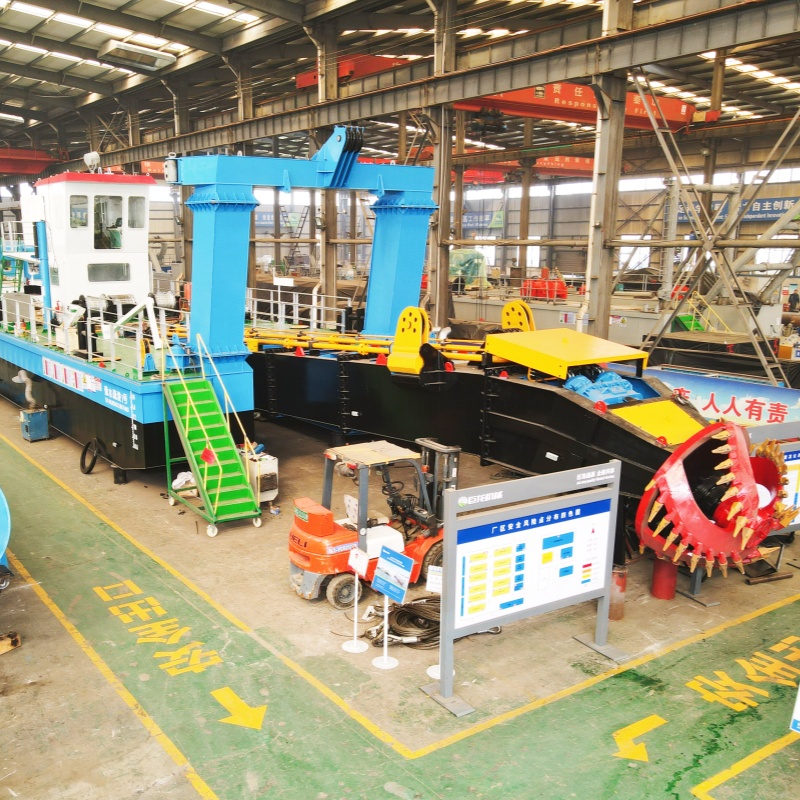
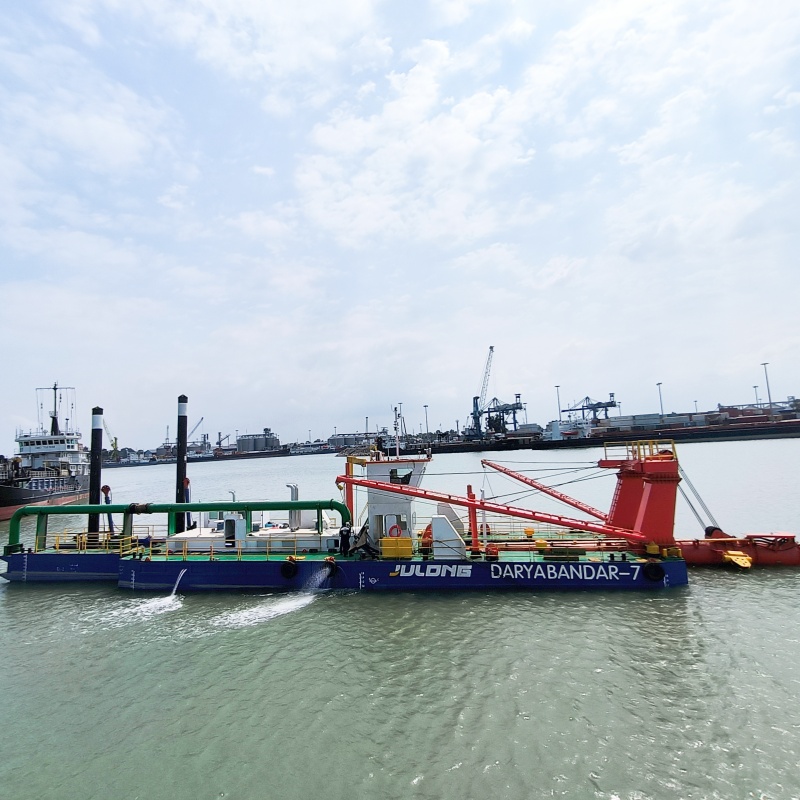
Selecting the appropriate hydraulic dredge  requires a thorough understanding of the project’s requirements. Factors to  consider include the type of material to be dredged, the depth of the water body, and the dredging environment, whether  it be rivers, lakes, or ports. Hydraulic dredges come in various types,  including cutter suction dredgers and amphibious dredgers, each  designed for specific applications.


For  instance, cutter suction dredgers excel in  hard soil conditions and  can efficiently  remove  compacted materials, making them  suitable for construction and maintenance projects in ports.  In contrast,  amphibious dredgers are designed to operate in shallow waters and marshy areas, providing  flexibility in challenging environments. One example of a reliable cutter suction dredger is the JLCSD700 Cutter Suction Dredger – 7,000 m³/h Heavy-Duty Hydraulic Dredging Vessel.

When  choosing  a hydraulic dredge, consider the dredging capacity, mobility, and any required  customization based on site conditions. Understanding these  factors will  help ensure that your choice aligns with project objectives and operational efficiency.

Frequently Asked Questions

What types of hydraulic dredges do you offer?

We supply cutter suction dredgers and amphibious hydraulic dredges designed for rivers, lakes, and ports, customizable for depth, power, and pipe length to meet project needs.
Yes. Our dredges carry ISO and CE certifications and are built in a 12,000 m² facility to ensure durability, safety, and consistent performance.
Yes. We customize dredge specifications—cutter type, pump power, pipe diameter, hull design, and controls—to suit site conditions and project requirements.
We offer technical guidance, spare parts supply, maintenance training, and remote support to ensure efficient operation and minimize downtime.
Yes. We export to 93 countries and handle logistics, export documentation, and local support to facilitate international delivery and installation.

Get a Free Quote

Our representative will contact you soon.
0/1000