Choosing the Right Floating Mini Excavator

application/floating-mini-excavator, application/floating-mini-excavator, 
Inquiry
Inquiry

floating mini excavator

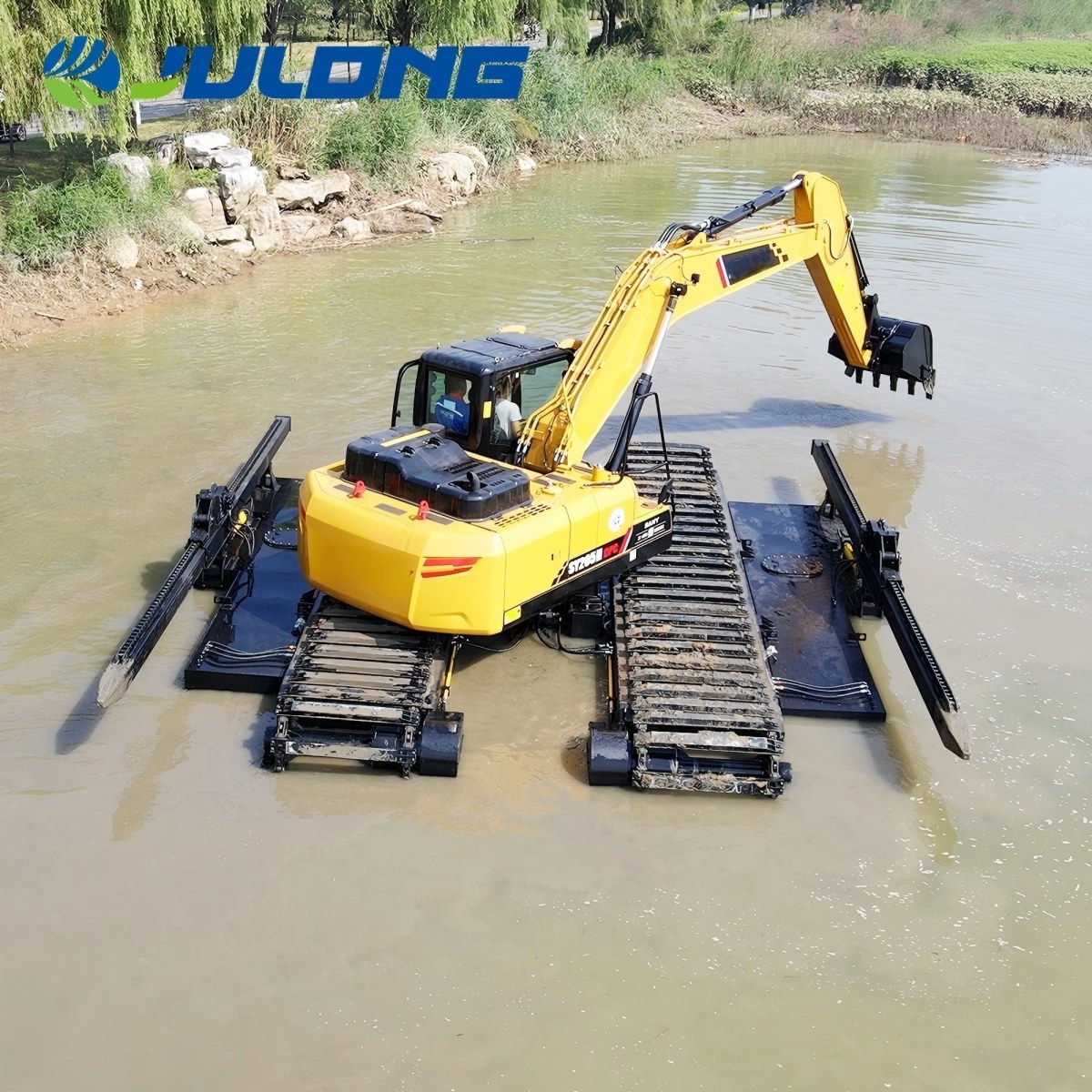
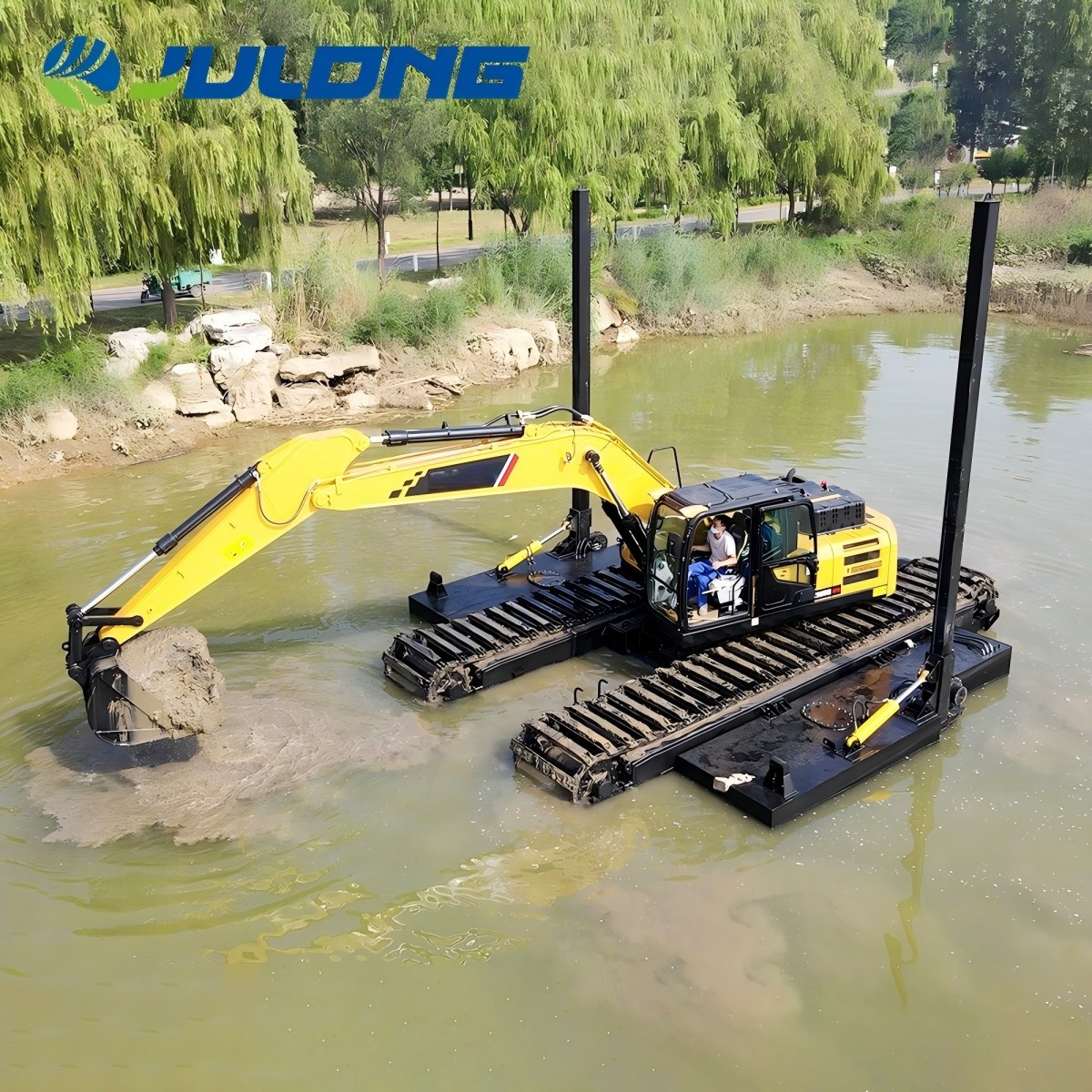
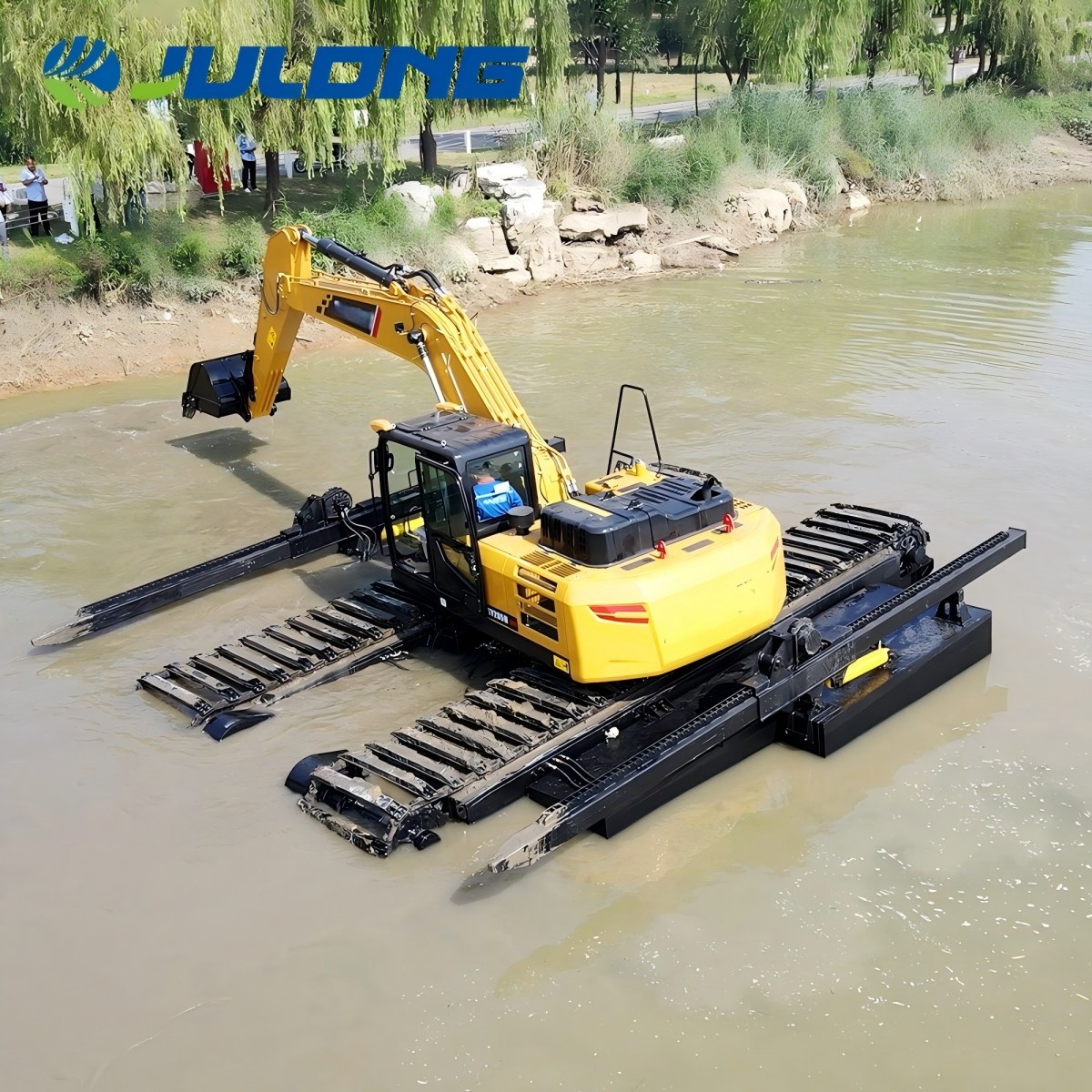
Floating mini excavators are specialized  machines designed for use  in waterlogged or marshy environments.  These  versatile pieces of  equipment are  essential for dredging, construction, and  other  aquatic  projects, offering unique advantages  over  standard excavators. For B2B buyers—such  as purchasing managers, project engineers, and contractors—understanding  the right floating mini excavator  for specific project needs  is crucial. This article  will delve into  the selection process, considerations,  common issues, material advantages,  and applications of floating mini excavators, helping  you make informed purchasing decisions.

What to Consider

What to Consider

When purchasing a floating  mini excavator, it is essential to evaluate several  key factors:

Material Selection: The construction material affects the durability and resistance of the  excavator to  environmental factors. For example, high-strength steel or  corrosion-resistant coatings are vital for machines operating in water.

Quality Certifications: Look  for ISO  and CE certifications that  demonstrate  adherence to international  quality and safety standards. This ensures that the machinery  meets rigorous performance and safety  requirements.


Customization Options: Depending on  the project,  you may need specific configurations or attachments. Confirm with the manufacturer about the availability  of custom features or modifications.

Maintenance  and Support: Understand the maintenance requirements and the  availability of parts and service support. A reliable support system is crucial for minimizing downtime and ensuring  long-term performance.

These  considerations will help ensure that you choose a floating mini excavator that aligns with your operational needs and quality expectations.

Common Issues with Floating Mini Excavators and Their Solutions

Common Issues with Floating Mini Excavators and Their Solutions

Floating mini excavators, while robust, can face specific challenges. Understanding these issues and their solutions can enhance operational efficiency:


Buoyancy Issues:  If the excavator is not properly balanced, it may  struggle with buoyancy. Regularly inspect the flotation components and ensure they are functioning correctly.

Hydraulic  Failures: Hydraulic systems are crucial for the  operation of floating mini excavators. Regular maintenance, including fluid checks and timely replacement of seals, can  prevent failures.

Corrosion: Operating in water exposes machinery to  moisture and potential corrosion. Utilizing corrosion-resistant  materials and coatings is essential. Regular inspections and  maintenance can help identify  early signs  of  corrosion.

Loading Limitations:  Overloading can lead to instability  and operational  failures.  Always adhere to the manufacturer's load capacity specifications and train operators on safe loading practices. The JLWB1600 Multi-function Work Boat is an excellent option for operations requiring versatility and load management.

By being aware of these  common issues and implementing proactive measures, you  can significantly reduce downtime and improve the overall performance of your  floating mini  excavator.

Understanding the Material Advantages of Floating Mini Excavators

Understanding the Material Advantages of Floating Mini Excavators

The materials used in constructing  floating  mini excavators play a pivotal  role in  their performance and  longevity. Key material advantages include:

Durability: High-strength materials, such as high-tensile  steel, enhance the structural integrity of the  excavator, allowing it to withstand harsh environmental conditions and heavy workloads.

Corrosion Resistance: Given their operation in water, using materials  with inherent corrosion resistance or applying  protective coatings extends the life of the equipment and reduces maintenance costs.

Weight  Considerations: The  weight  of the materials impacts buoyancy and stability. Lightweight yet strong materials  can improve the machine's performance on water while maintaining structural strength.

Impact Resistance: Floating mini excavators often  encounter debris and  other obstacles. Materials that offer good  impact  resistance prevent damage and ensure consistent operation.

Understanding these material  advantages will guide buyers in selecting  a floating mini excavator that meets their project requirements while ensuring long-term  reliability.

Applications of Floating Mini Excavators in Dredging and Construction Projects

Floating mini excavators are indispensable in various applications,  particularly  in dredging and  construction projects:

Dredging Operations: These  machines excel in dredging tasks, capable of removing sediment and  debris from water bodies to maintain navigability  or  enhance water quality. Their ability to operate  in shallow and deep waters makes them ideal for river,  lake, and port projects.

Wetland Restoration: Floating mini excavators are used in environmental restoration efforts, where precision in handling delicate ecosystems  is crucial. They can maneuver over sensitive areas without causing significant disturbance.


Construction  in Water: For projects such as bridge construction or underwater installations, floating mini excavators provide the necessary reach and capability to operate effectively in aquatic environments.

Landscaping and Maintenance: They are also employed in landscaping projects around water bodies, allowing for efficient management  of aquatic plants and debris.

The versatility of  floating mini excavators in these applications highlights their significance in modern construction and environmental management, making them a valuable asset for contractors and project managers alike.  


Investing in the right floating mini  excavator  can significantly impact the success of your projects, ensuring efficiency  and reliability  in  challenging environments.

Choosing the Right Floating Mini Excavator for Your Project Needs

Selecting the ideal  floating mini excavator involves assessing  project  requirements, including  the working environment, load capacity, and specific tasks to be performed. Key factors to consider include:

Operating Weight and Size: The  excavator's weight will  affect its stability  and  maneuverability on water. Ensure that the dimensions fit within the project site for ease of  transport and operation.

Power and Performance: Different models offer varying horsepower and hydraulic capabilities. Assess the machine's ability to handle the specific tasks—whether it’s dredging,  trenching,  or material handling. For efficient dredging tasks, consider the capabilities of the JLCSD700 Cutter Suction Dredger which is designed for heavy-duty hydraulic dredging.

Attachment Compatibility: Floating mini excavators can be equipped with various attachments like buckets, augers, or grapples. Verify that  the machine  can support the necessary attachments for your project's specific tasks.

Mobility  and Stability: Look for models that offer good flotation and stability on water,  especially in dynamic conditions. The  design should minimize the  risk of tipping or instability during  operation.

These aspects are critical  for ensuring that the selected equipment meets  operational demands while maintaining safety and efficiency.

Frequently Asked Questions

What is a floating mini excavator used for?

A floating mini excavator is designed for dredging, shoreline, wetland and shallow-water construction, providing stable excavation on rivers, lakes and ports where conventional machines cannot operate.
Our floating mini excavators are manufactured under ISO and CE standards, ensuring safety, quality and compliance for international projects.
Compact, amphibious design; durable hull; efficient hydraulic system; easy transport; and strong digging performance for river, lake and port maintenance.
Yes. We offer customization of dimensions, digging depth, attachments and power options to meet project requirements across different water and terrain conditions.
We provide technical support, spare parts supply, operation training and a manufacturer warranty, supported from our 12,000 m² facility to ensure reliable service.

Get a Free Quote

Our representative will contact you soon.
0/1000