Reliable Floating Excavators for Sale

application/floating-excavator-for-sale, application/floating-excavator-for-sale, 
Inquiry
Inquiry

floating excavator for sale

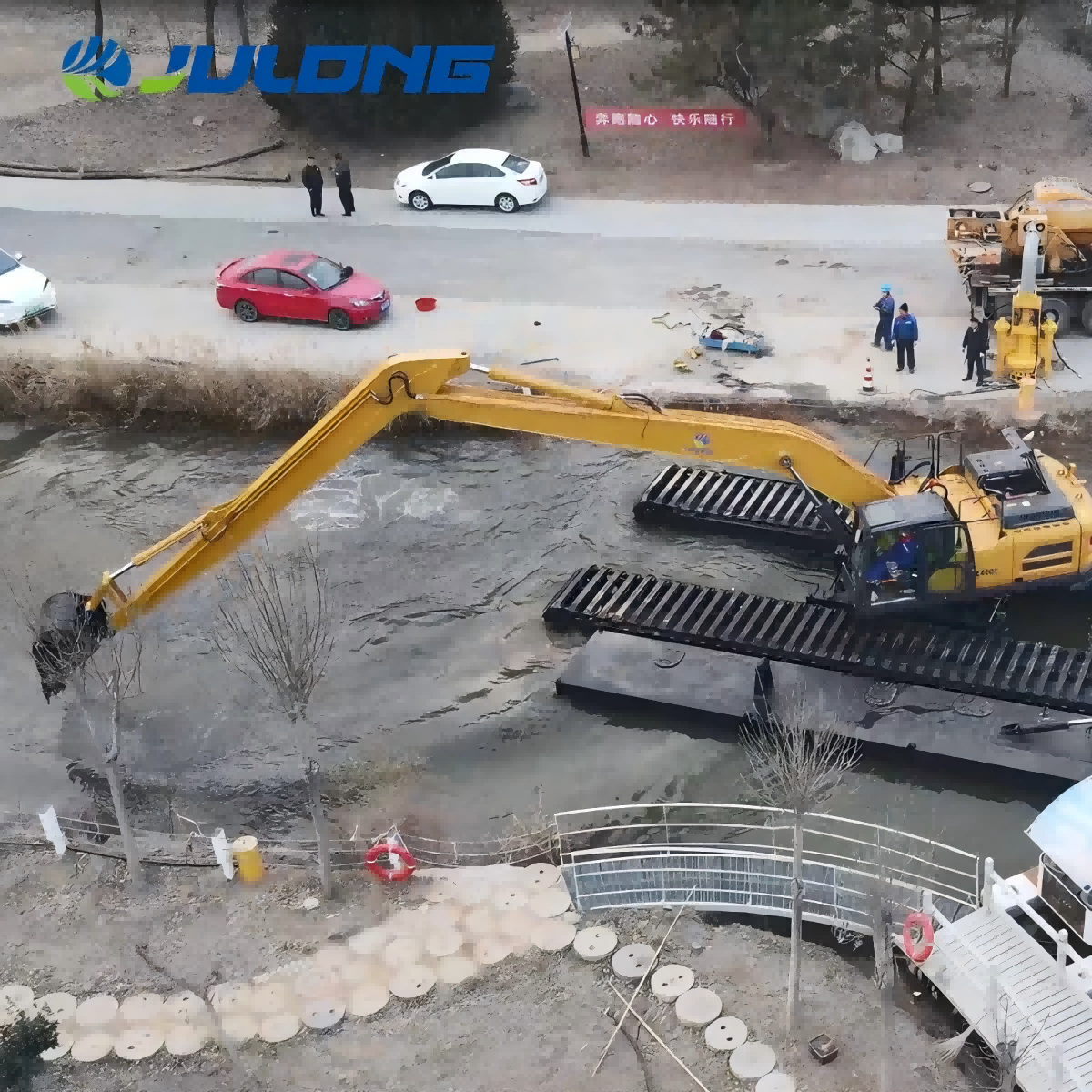
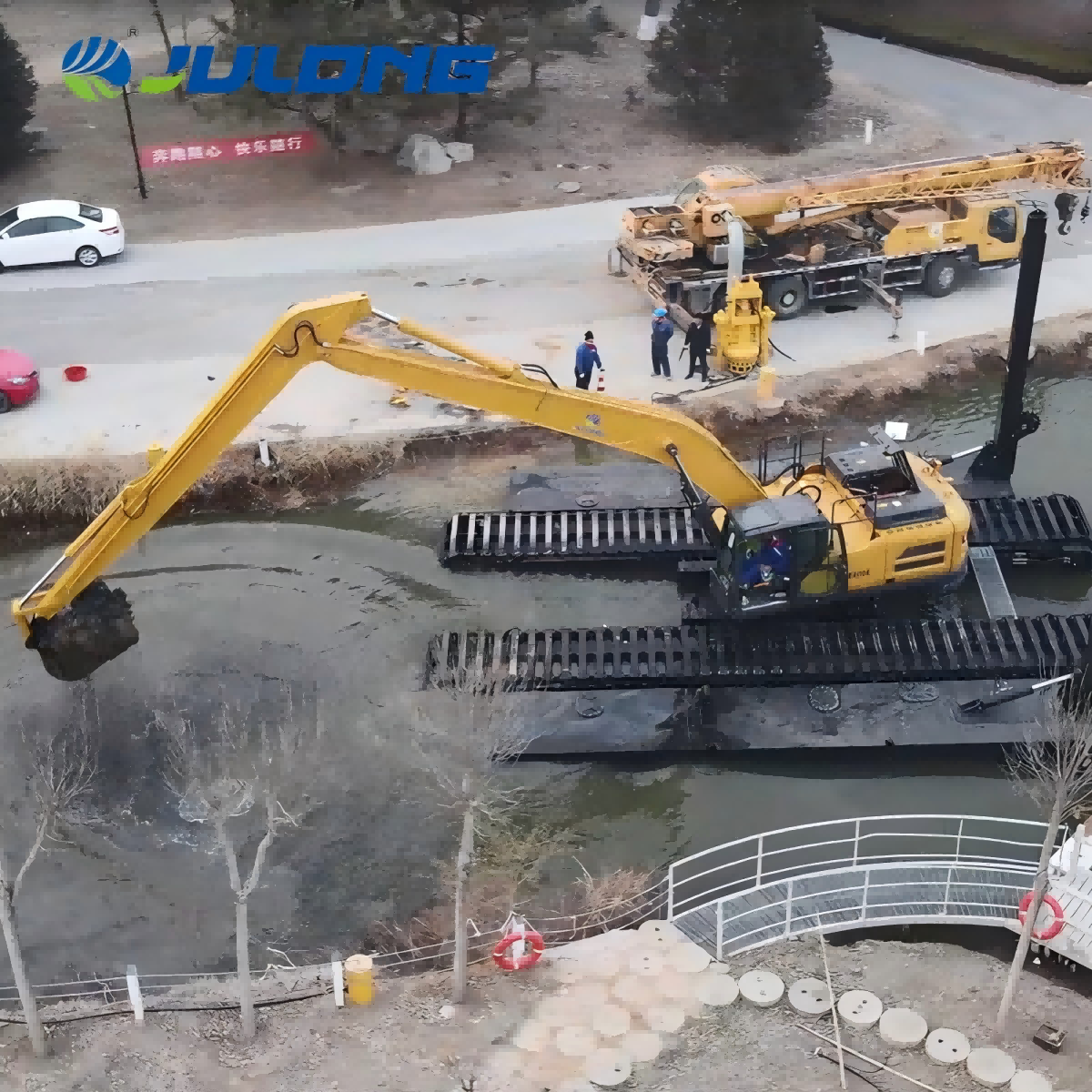
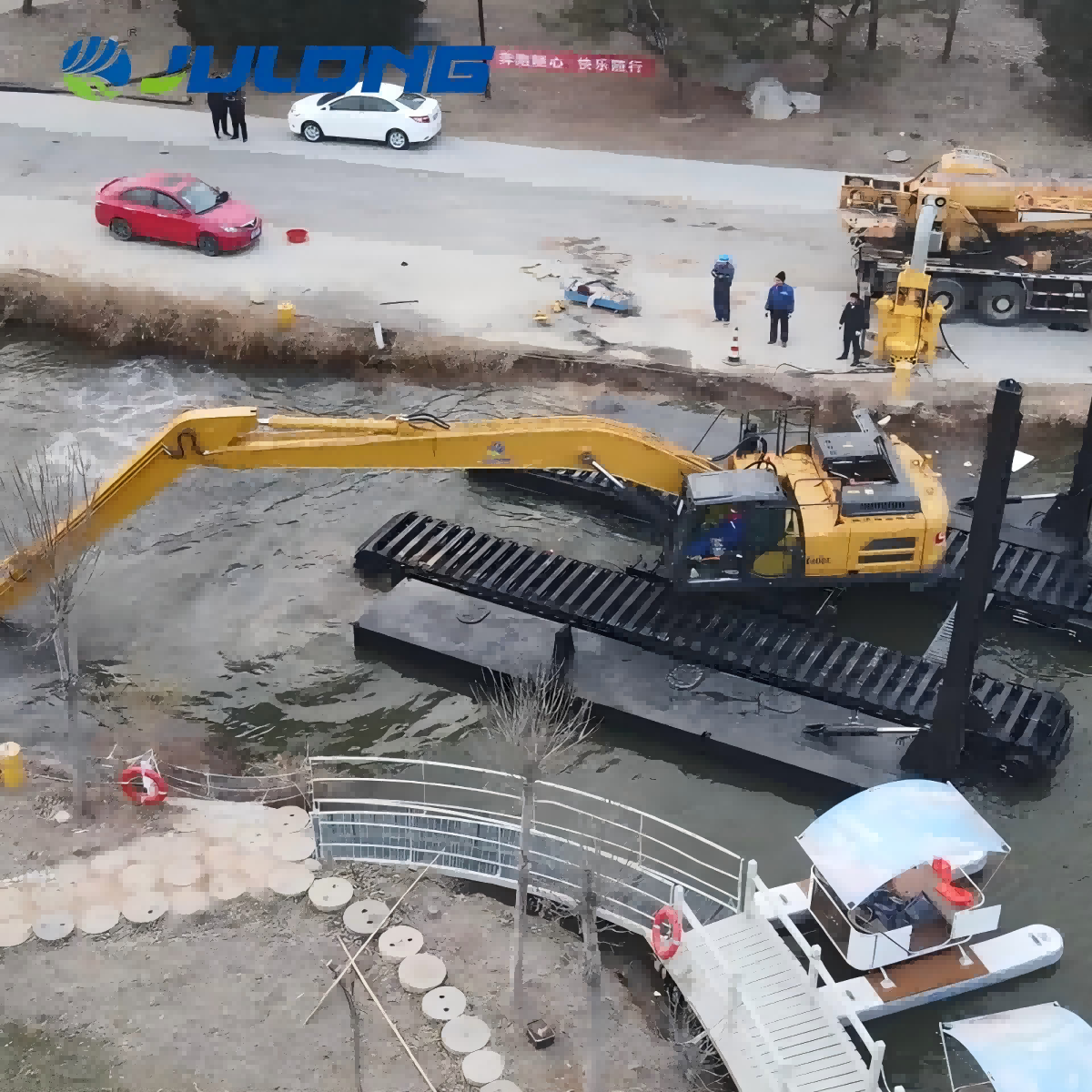
Floating excavators are specialized machines designed for dredging and excavation  in  water bodies such as rivers,  lakes,  and ports.  For businesses looking to  enhance their  environmental  projects, floating  excavators for sale offer a durable  and efficient  solution. Buyers  often have  concerns about performance  specifications, supplier reliability,  and application suitability. This article will guide you in  understanding  these aspects, helping  you make informed  purchasing decisions.

 
Compare Floating Excavator Specifications for Your Project Needs

Compare Floating Excavator Specifications for Your Project Needs

When evaluating floating excavators for sale, it’s essential to compare specifications to ensure that  the machine meets your project requirements.  Key  specifications to consider include:

Digging Depth and Reach: Determine the  maximum depth and reach necessary for your project. Floating excavators typically have varying capabilities, which will affect their suitability for  different  applications. Engine Power: The engine's horsepower influences the machine's performance and efficiency. A  more powerful excavator can handle tougher conditions  and  larger volumes  of material. Weight and Stability: Consider the  weight of the floating excavator,  as it affects buoyancy and stability in water.  Heavier models may provide better stability but require appropriate water depth. Material Used: High-quality materials can enhance durability and corrosion resistance, especially  in environments with harsh  water conditions. 

Each of these specifications plays a critical role in the  machine’s overall performance. Buyers  should confirm that the specifications align with the intended application  and  operational environment.

Installation Guidance for Your New Floating Excavator Purchase

Installation Guidance for Your New Floating Excavator Purchase

Proper installation of your  floating excavator is crucial to ensure optimal performance and  longevity. Here are key steps to follow during installation:

Site Assessment: Conduct a thorough site assessment to determine water depth, soil composition,  and any potential obstacles. This will  help in planning the installation process  effectively. Foundation Preparation: Ensure that the foundation or anchoring system is prepared according to  the manufacturer's  guidelines. This may  include installing platforms or stabilizers to enhance buoyancy and stability. Operator  Training: Ensure that operators are adequately trained  on the specific model's functions and safety protocols. Familiarity with controls  and  maintenance requirements will minimize operational risks. Initial Testing: After installation, conduct initial  testing in controlled  conditions  to ensure that the excavator operates as expected. Monitor for any unusual vibrations or noises  that could indicate installation issues.

Following these guidelines  will help ensure  a successful installation and reduce  the risk  of operational downtime.

Applications of Floating Excavators in Various Industries

Applications of Floating Excavators in Various Industries

Floating excavators are versatile machines used across  multiple industries, each  benefiting from their unique capabilities.  Some common applications include: 

  Environmental Restoration: Used in river  and lake clean-up projects, floating excavators can remove debris, sediments,  and pollutants effectively, contributing to ecosystem restoration. Construction and Infrastructure: In civil engineering projects, these machines facilitate the construction of docks, marinas, and other waterfront structures by providing  efficient excavation and dredging capabilities. Mining  Operations:  Floating excavators  can be utilized in mining operations  for dredging minerals from riverbeds or lakes, offering a cost-effective alternative to traditional land-based  excavation  methods. Agricultural Applications: They can also be used in agricultural settings for irrigation canal  maintenance, helping to ensure proper water flow and management. 

Understanding the specific applications relevant  to  your industry will  enable you to  select a floating excavator that meets your operational needs. Additionally, consider how a Dredger might complement your projects, especially in terms of efficiency and effectiveness.


Common Problems with Floating Excavators and Their Solutions

Floating excavators  may encounter  several common issues  during operation. Being aware of these problems can help you implement  preventive  measures or address them effectively:

Hydraulic Issues:  Leaks or pressure loss in hydraulic systems can hinder performance. Regular inspections and  maintenance of hydraulic lines and seals are essential to  prevent these issues. Buoyancy Problems: Insufficient buoyancy  may arise  from incorrect weight distribution or water conditions. Ensure that the excavator is  properly loaded and that stabilizers are used as needed. Mechanical Failures: Like any heavy machinery, mechanical components can fail due to wear and tear. Adhering to a regular maintenance schedule that includes lubrication, parts replacement, and thorough inspections can mitigate  this risk. Operator  Error: Misuse or lack of  training can lead to accidents  or equipment damage. Investing in  comprehensive training programs for operators can significantly reduce  the likelihood of operational errors.

By addressing  these common problems early and ensuring regular maintenance, you can enhance  the reliability and performance of your floating excavator, ultimately leading to a more successful project  outcome.

Where to Find Reliable Suppliers for Floating Excavators

Finding a trustworthy supplier for floating excavators involves thorough research and evaluation.  Start  by checking industry-specific platforms and  directories that list manufacturers and distributors. Look  for companies  with ISO and CE certifications, as these indicate adherence to quality and safety  standards. Additionally, consider suppliers with established reputations  and positive customer feedback. For instance, you might consider suppliers who also offer products like Amphibious Equipment that are designed for challenging environments.

Attending  trade  shows and  industry conferences can also provide valuable  networking opportunities to connect with  credible suppliers. For instance, Qingzhou JULONG Environmental  Technology Co.,  Ltd. has  a proven track record in providing durable and efficient dredging solutions across 93 countries. Engaging  directly with  manufacturers  allows you to discuss specific project needs  and assess their  willingness to customize products.

Frequently Asked Questions

What is the floating excavator used for?

It is designed for dredging, river and lake maintenance, port works, and wetland restoration, offering stable excavation on water and soft ground.
Our floating excavators carry ISO and CE certifications, ensuring compliance with international quality and safety standards.
We offer engine power, bucket sizes, pontoon lengths, hydraulic systems, and optional attachments tailored to project needs.
We provide installation guidance, operator training, spare parts supply, maintenance manuals, and remote technical support.
We supply to 93 countries. Lead times vary by configuration; typical production and delivery range from 6 to 12 weeks after order confirmation.

Get a Free Quote

Our representative will contact you soon.
0/1000